AI is like a tiger, will it eat us up or can we ride it? The Cassandras say that it will make humans obsolete, while the Polyannas say what’s wrong with that if it saves people from mundane work so they can devote time to more creative pursuits.
Even if AI solves major problems, might it lead to mass unemployment or exacerbate wealth inequality? Will artificial intelligence help solve the crises that the planet faces, or will it make everything more dangerous?
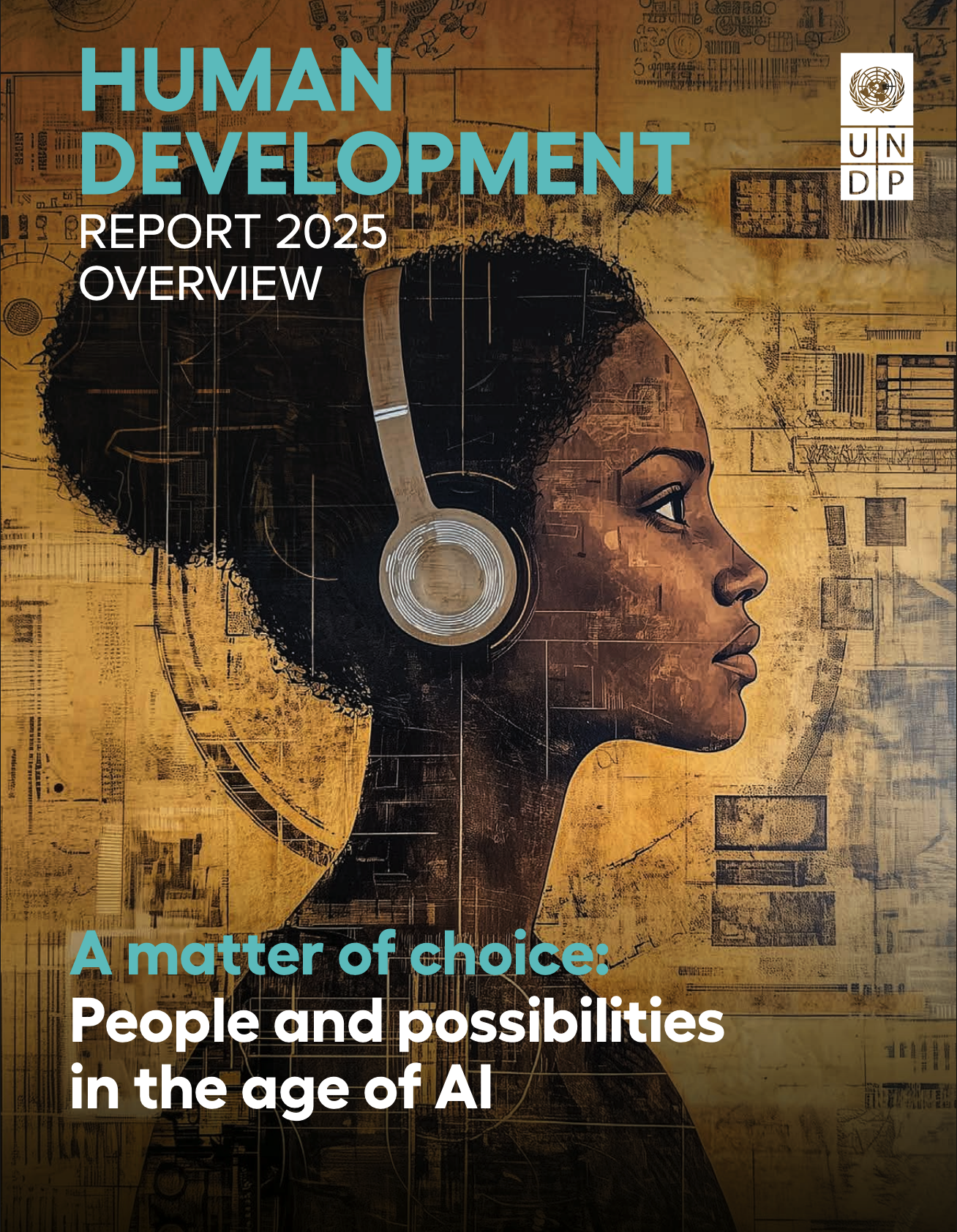
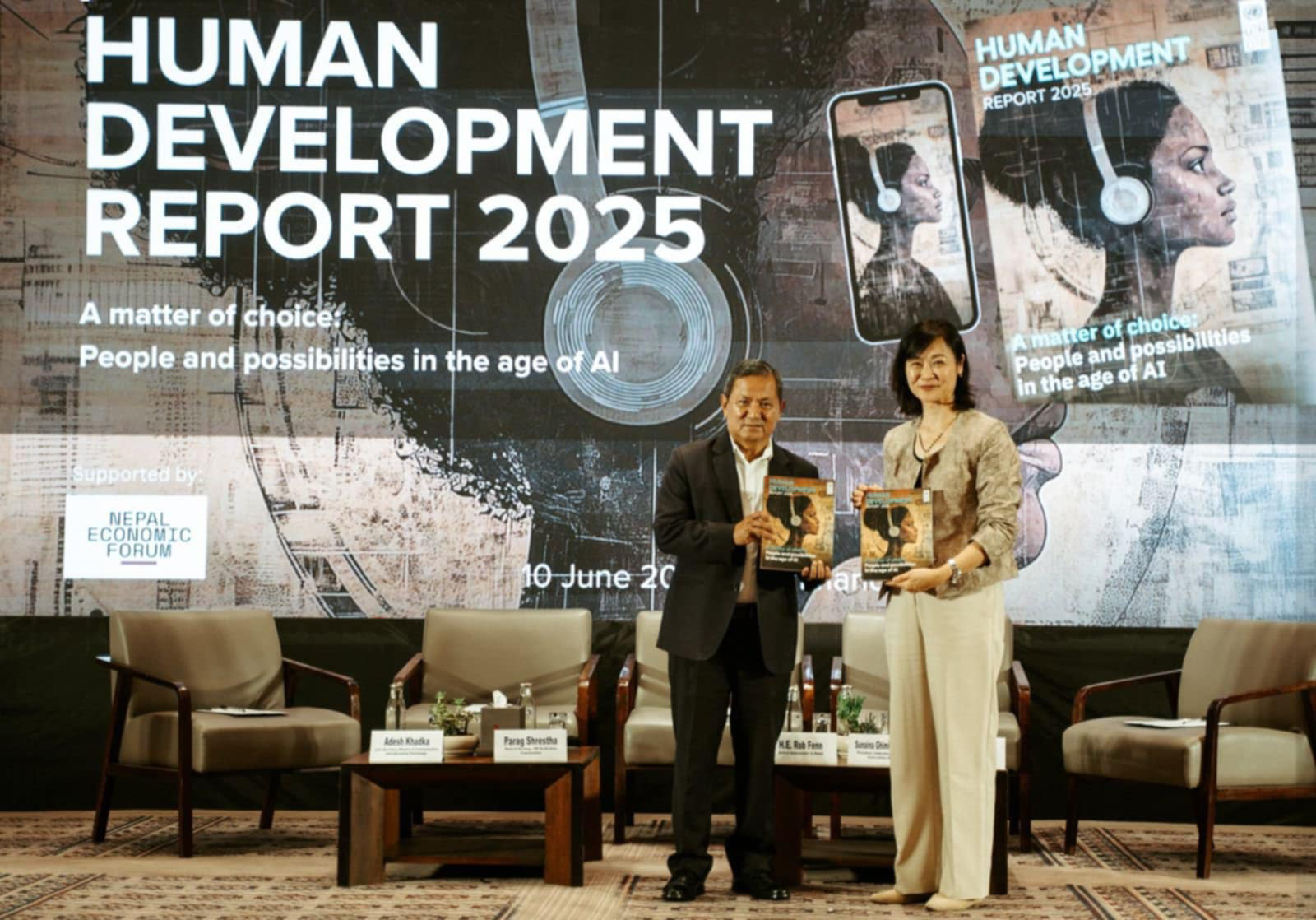
Some of these issues are addressed in the United Nations Development Programme (UNDP) annual Human Development Report for 2025. Titled A Matter of Choice: People and Possibilities in the Age of Artificial Intelligence, it reasons that rather than assuming AI will run wild and result in either utopian or dystopian outcomes, AI will reflect the values of those shaping it.
Some may view this as overly optimistic or naive, especially given the seemingly exponential rate at which AI is gaining capabilities. Yet, there are no major cases, yet, of AI models going rogue, and they do tend to reflect the biases of their training data.
UNDP’s choice of the word ‘choice’ in the title of its 2025 report acknowledges the reality that AI is no longer science fiction or under development, but a tangible presence. It is perhaps the most powerful and disruptive technology humanity has created, with consequences rivaling those of electricity, computers, or the internet.
Some utopian online communities, such as ‘e/acc’ (effective acceleration), believe AI will solve humanity’s problems and enhance its future. They advocate for rapid advancements with minimal, if any, regulation.
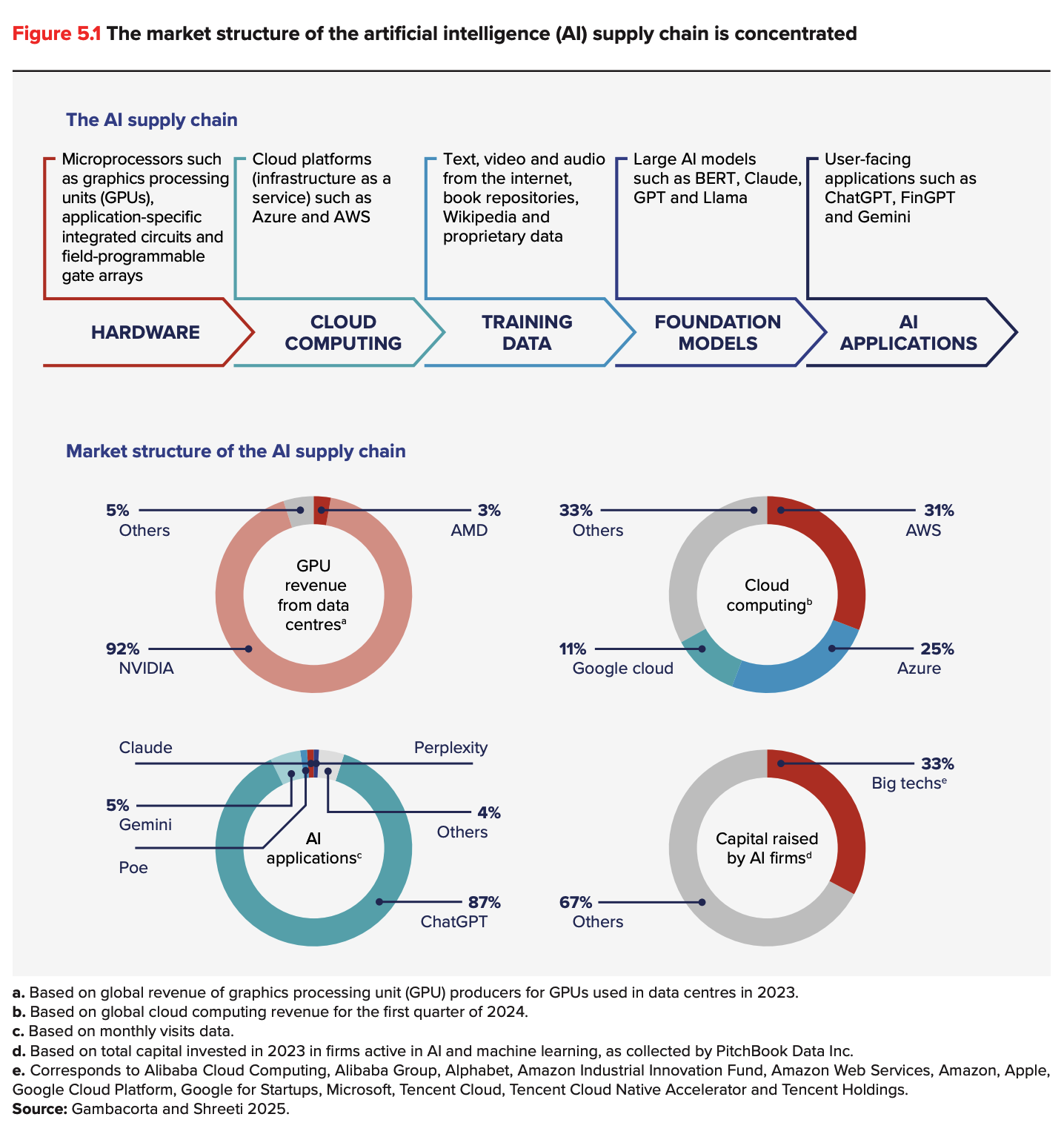
The UNDP report addresses these concerns, emphasising that AI should augment human work rather than replace it, that it will not magically solve poverty or climate change, and that it must be accessible to marginalised groups to prevent further exclusion. It also raises concerns that there is only a small group controlling AI development, treating AI as a vital resource and a fundamental right.
While Nepal may lack cutting-edge AI talent and hardware, the country’s potential to maximise hydropower generation could supply the vast energy required to train AI models. Teams in India and China might even consider building data centers here.
At the policy level, the Ministry of Communication and Information Technology released an ambitious ‘Draft of National AI Policy 2081’ in February 2025 which covers extensive ground, it remains very much a draft -- a wish list rather than a concrete strategy.
The only detailed section outlines the composition of a future regulatory body, mentions building ‘international-standard data centers’ and deploying ‘5G and beyond’, despite limited broadband access across the country, and leaves funding details to ‘regular budgets’ and ‘international donors.’
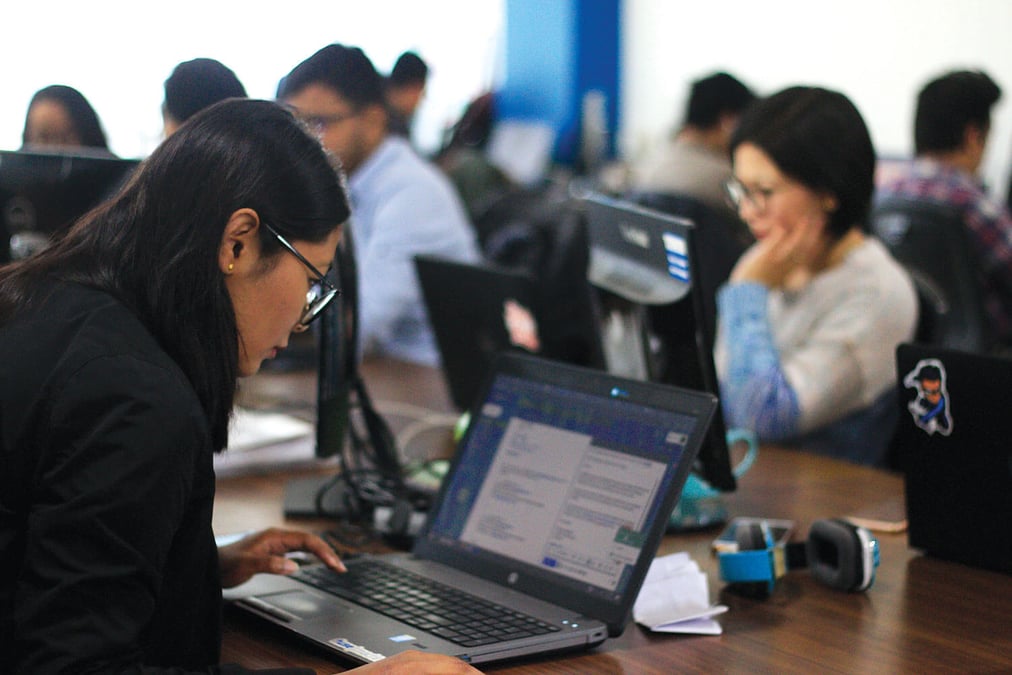
Nepal’s IT sector could be a key player. Global companies have long outsourced coding to Nepal, where skilled, English-speaking programmers work at competitive rates, even by South Asian standards. As AI improves at generating standardised, reusable ‘boilerplate’ code, junior coders may face job losses.
However, the ability to quickly produce code could spark a boom in coding jobs, much like the loom initially displaced weavers but ultimately created more jobs and affordable clothing.
The high demand and compensation for software engineers skilled in building AI tools could also encourage Nepal’s sizable IT workforce to pivot in that direction. The UNDP report notes that AI excels at bridging the gap between unskilled and skilled labour for general tasks. With Nepal’s low illiteracy rate, this could be a significant advantage. AI’s potential as a learning tool could also transform the often-criticized Nepali education system.