There is something uniquely haunting about an air crash. It is the kind of catastrophe that is both sudden and protracted, a fleeting moment of terror seemingly suspended in time, leaving behind the kind of wreckage that is measured not just in debris but in the lives it claims and the lives it shatters of the loved ones who are left behind.
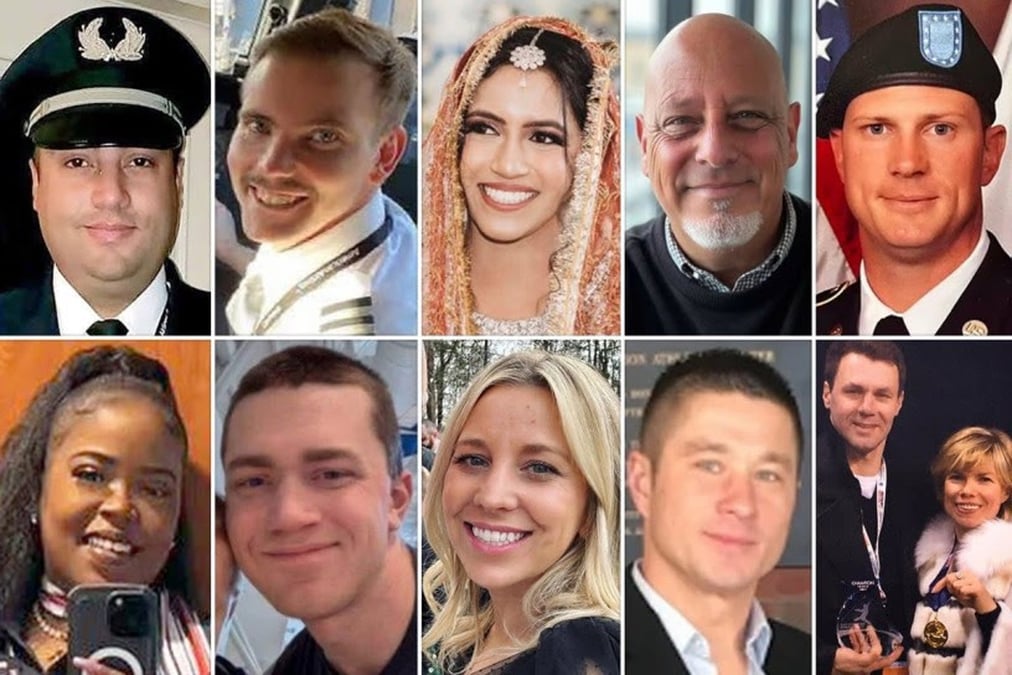
The midair collision near the Washington Reagan National Airport last month that claimed 67 lives was the deadliest aviation disaster on US soil in nearly 25 years. In those final moments, flight recorder data indicates how the pilots of the doomed American Airlines flight fought against fate itself, pulling the nose of the plane up, desperately trying to salvage even a sliver of hope. This is similar to what happened to Pakistan International Airlines flight 8303 in Karachi five years ago. But tragically, it was too late.
In the seconds before impact, perhaps they too, like many others before them, felt their entire lives unfold before their eyes, as I too had experienced.
For those who remain, there is something deeply unsettling about a tragedy like this. We cycle through horror, grief, and a helpless kind of sorrow, knowing that nothing we do can rewind time or rewrite history. But there is something else, too — a quiet, unspoken responsibility.
When people vanish in preventable tragedies, the burden of their loss does not just belong to their families, it belongs to all of us. It forces us to confront questions of justice, accountability, and, perhaps most agonisingly, the randomness of fate itself.
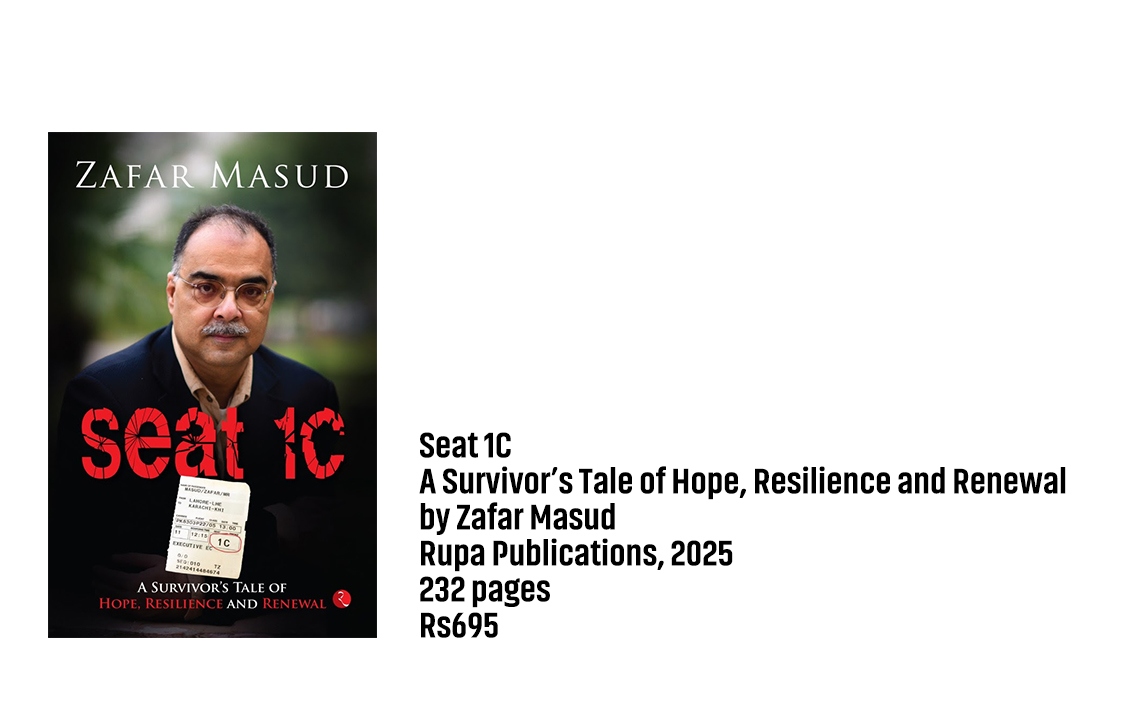
I know this weight personally. On May 22, 2020, I boarded a PIA flight that never truly landed. It was meant to be a routine trip home for Eid, a simple journey from Lahore to Karachi. Instead, the plane crash-landed in a densely populated neighborhood, killing 97 of the 99 people on board. I was one of the two who survived.
Survival from such an accident is not just a miracle — it is a paradox. Why me? Why not them? These questions live inside me, dormant yet ever-present, stirring awake every time another tragedy unfolds.
When I read about the Washington crash, I could imagine the chaos in the cockpit, the passengers gripping their seats, the terrible weight of inevitability in those final moments. And I visualise the collateral survivors — the families left behind, the air traffic controllers who might have caught a different detail, the people who changed their flight at the last moment. Because after a tragedy, survival itself feels like both a gift and a debt. And that debt demands to be repaid.