
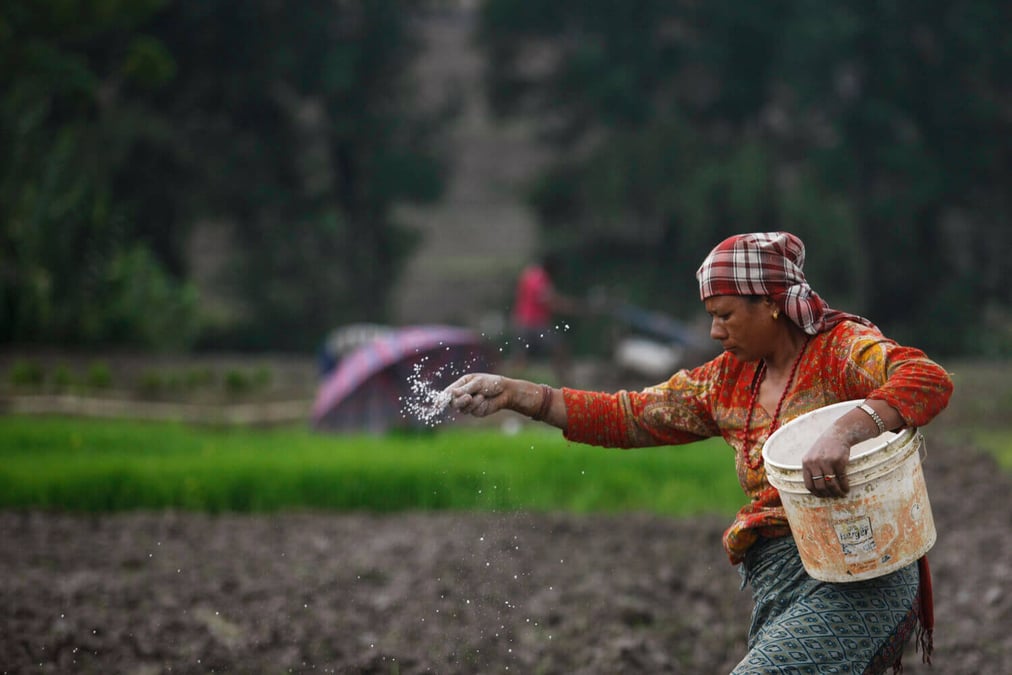
Nepal needs petroleum to fuel its economy, Nepalis need food to fuel their bodies. The two are inextricably linked.
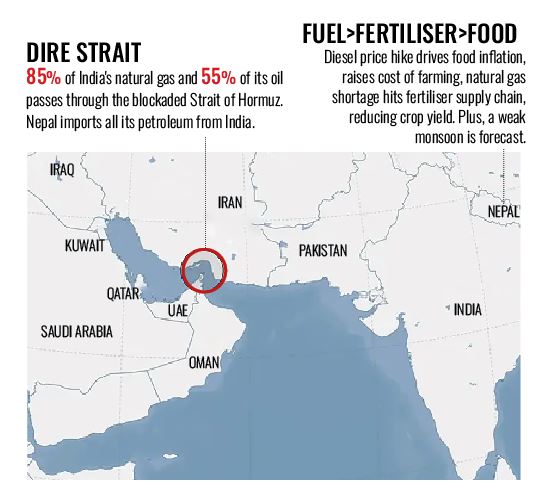
The prolonged blockade of the Strait of Hormuz has led to steep fuel price hikes, increasing the cost of food and farming. And a severe shortage of fertiliser and its higher cost will mean lower crop yields this year.
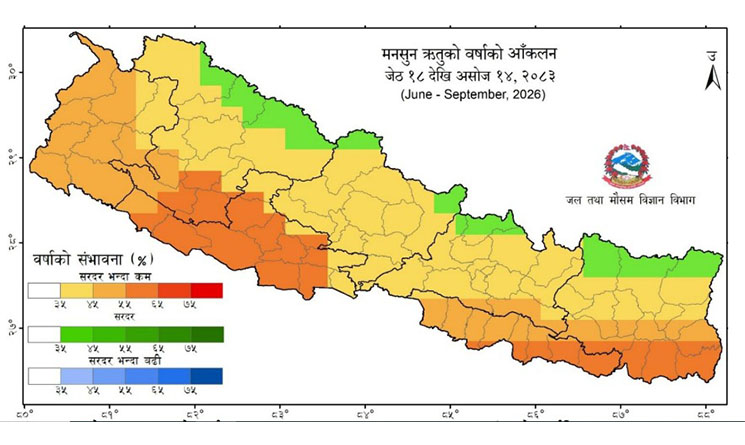
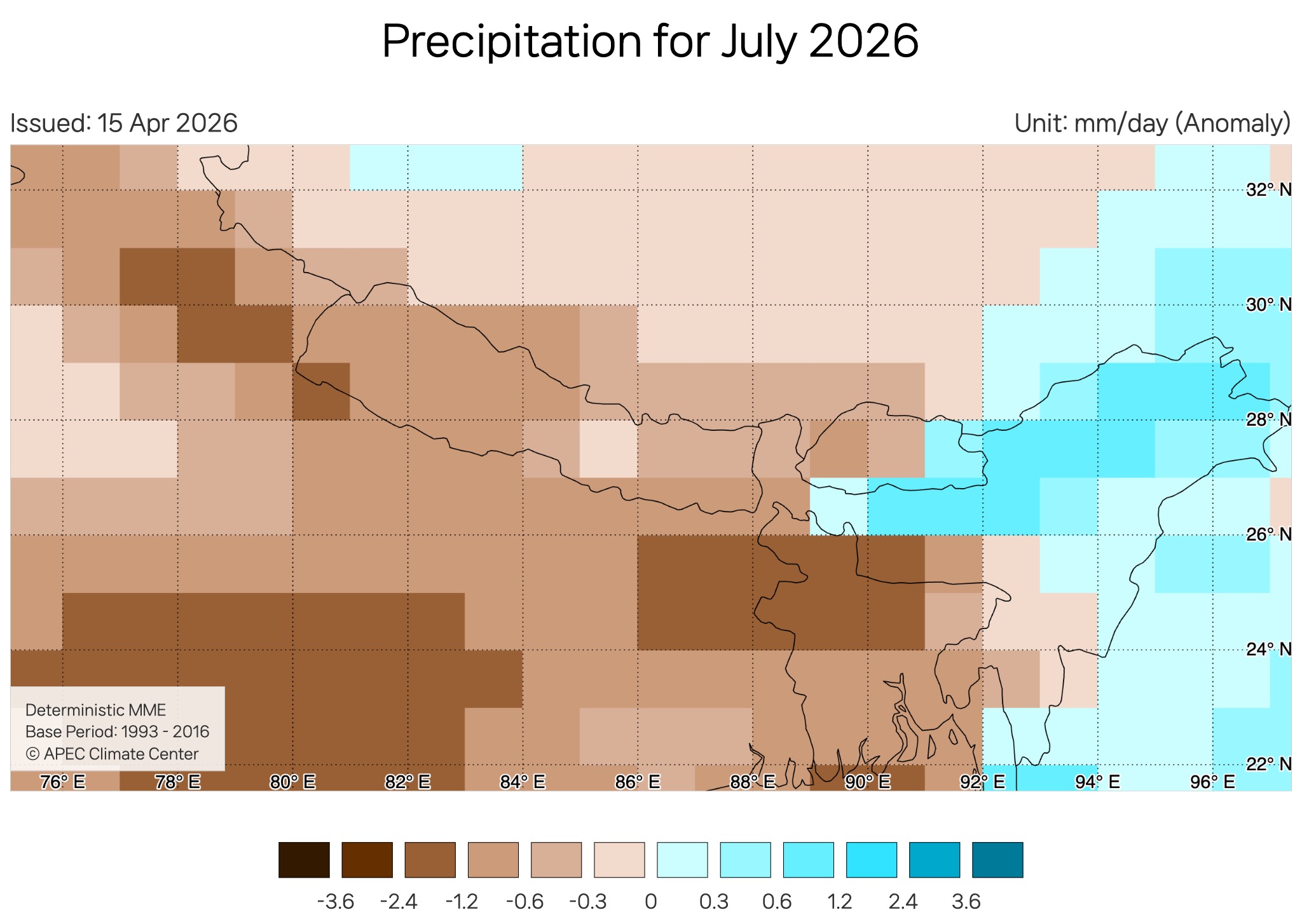
To add to the impending crisis, weather models project a deficient monsoon this year, affecting Nepal’s predominantly rain-fed farming. It is a vicious cycle: fossil fuel burning causes climate change, leading to extreme weather, which affects food supply.
While Prime Minister Balendra Shah is preoccupied with ordinances and demolishing squatter settlements, Nepal is slipping into a food crisis.
Agriculture makes up a quarter of Nepal’s GDP, 60% of people are farmers, but only 35% of holdings are irrigated. Most youth have migrated from rural areas, fields are fallow, and farmers who remain do not get a decent price for their cash crops.
“Nepal needs 12 million tons of cereal every year to feed itself, and imports 2 million tons but we will need to import more this year because production will be down 20% if not more,” warns Bishow Parajuli, formerly a World Food Programme (WFP) representative in various countries. “For the last decade or so, Nepal’s farm productivity has stagnated because of the neglect of the agriculture sector.”
Even at the best of times, mismanagement and corruption led to chronic fertiliser shortage at paddy planting time, but fertiliser prices globally are projected to rise by 31% in 2026. Natural gas is the feedstock for nitrogen in urea, the price of which has already shot up by 60%.
But Nepal needs 450,000 tons of fertiliser per year just for its rice crop and India has agreed to sell only 60,000 tons of urea and 20,000 tons of Di-Ammonium Phosphate. India meets 87% of urea need domestically, but needs natural gas from the Gulf to produce it. It also imports ammonia, phosphorus and potassium for other fertilisers.
In the latest development, Indian Foreign Ministry spokesperson Randhir Jaiswal said that India will continue to supply petroleum and chemical fertilisers to Nepal.
SUPER DUPER EL NINO
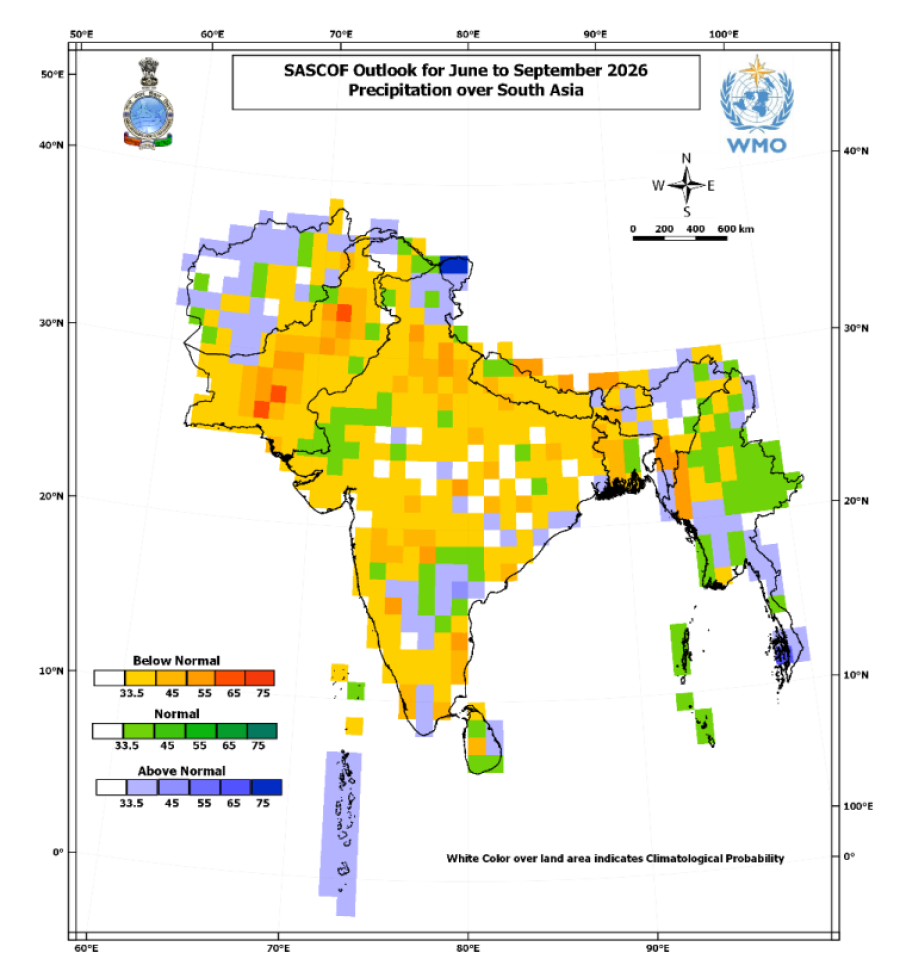
To make things worse, this is a ‘Super Duper El Niño’ year in the Pacific Ocean which is expected to set off intense storms, heat waves and droughts globally. The South Asian Climate Outlook Forum projects below-average rainfall for Nepal this monsoon.
“Even when we had above average rain, it was not equally distributed. There were dry spells punctuated by intense cloudbursts,” says climate scientist Ngamindra Dahal. “Agriculture in the Tarai was hit by drought last year, with severe impact on grain harvests.”
Irrigation could cushion the impact, especially in arid areas of the country, but most inter-basin diversion projects like Sitka, Bheri-Babai and Sunkosi Marin are either delayed or stalled. Now, diesel and bitumen shortages threaten other infrastructure projects as well.
“We have to move on from obsolete canal irrigation to solar pumps, lower the power tariff to use up surplus electricity so farmers can afford it,” says energy entrepreneur Kushal Gurung.
Even though the urgent need is to buy more chemical fertiliser from India, Nepal should reduce its import bill by expediting the planned urea plant in Nawalpur, and revive the use of organic fertiliser.
Kushal Gurung helped develop the preliminary report for the Nawalpur project, and says: “The Energy and Agriculture Ministries should focus proactively to put the urea plant on a fast track, fix the rate of fertiliser produced, and commit to buy everything.”
Nepal is now self-sufficient in meat and egg production and is making progress in dairy. This means there is enough manure for the farms. In urban centres, up to 70% of urban waste is biodegradable and can be converted into organic fertiliser and bio gas.
“Even if we use just 20% of municipal waste, we can generate 3.5 million tons of fertiliser, but this means incentives for investors like tax subsidies, discounted electricity tariff,” says Gurung.
Before Nepali farmers started using chemicals, they mostly just spread livestock manure to replenish soil nutrients. The soil organic matter (SOM) should be 5%, but in Nepal it is now below 2%. In the Tarai, it is 1% because of excessive agro-chemical use.
Because soil fertility has declined, farmers need more chemical fertilisers which provide fast-acting nutrients for immediate plant growth. But over time, agrochemicals degrade the soil, which then needs more fertiliser.
Ngamindra Dahal says using a form of charcoal called biochar would solve that problem because it acts like a sponge to absorb water and revitalise the soil. Restoring indigenous grain like millet and buckwheat which need less fertilizer and are drought resistant is another option.
There are solutions to the looming fuel, food and fertiliser crisis. The shortage of imported hydrocarbon is affecting the production of carbohydrates, and surplus hydropower can be harnessed to produce fertiliser to reduce imports and boost harvests.
This article is brought to you by Nepali Times, in collaboration with INPS Japan and Soka Gakkai International, in consultative status with UN ECOSOC.
