
Literature on climate change and its implications tend to use the phrase “impending impacts” to refer to potential or future calamities that may occur. However, the incidences of natural disasters in recent years, and the frequency and intensity with which they are occurring make one wonder if these impacts are still “impending”.
The devastating calamities India has faced over the past few months certainly seem to suggest that climate change is already manifesting and has come to alter, if not tear asunder, human lives.
The early summer months of 2024 saw the hottest ever heatwaves recorded in India with temperatures rising above 49°C in its northern regions. As per official figures, 110 people died due to heatwave-related health complications.
However, public health experts argue that this is gross undercounting of the actual numbers as heat is often not listed as the cause of death by health practitioners on death certificates. These experts believe that the heat-related deaths in 2024 alone could well be in the thousands.
While a heatwave was searing the northern Indian region, the northeastern states of Assam and Manipur witnessed intense rainfall leading to devastating floods. The state of Manipur, which is already crippled by an ongoing ethnic conflict, faced its third worst floods in 2024 after 1988 and 2015.
Triggered by cyclone Remal in the last week of May, unprecedented rainfall breached the Nambul and the Imphal river embankments. The floods in the Imphal valley caused three deaths and rendered thousands homeless overnight. There were reports of landslides along the National Highway 37 connecting Manipur to Assam.
The flood situation in the two states continues as of this writing with the combined death toll pegged at 48, while more than a million people have lost their homes and are sheltering in relief camps. The army, the national disaster relief force (NDRF) and their state counterparts have been stretched thin to deal with the disasters and restore infrastructure.
The economic costs of these calamities, which must be borne by the state funded through taxpayers’ money, are humungous. It is plain to see how these devastations hinder the development agenda, pushing the region years back into poverty and infrastructural and economic decline.
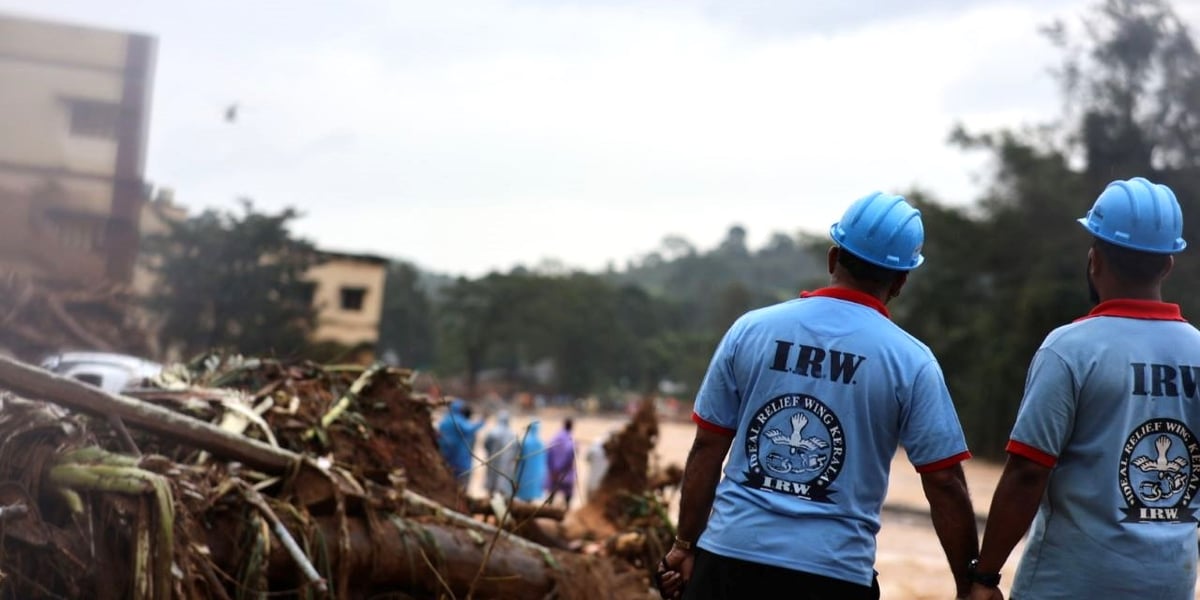
More recently, on 30th July, massive landslides occurred following incessant rainfall in the south Indian state of Kerala’s Wayanad district. The lives of the inhabitants of the picturesque region which usually attracts hordes of tourists and travellers were upended when two massive landslides wiped out their hamlets – Mundakkai, Chooralmala, Attamala and Noolpuzha.
The death toll from this catastrophe as of this writing stands at 308 and thousands injured, many severely, even as rescue operations continue to be underway. The disaster has displaced nearly 10,000 people across 91 makeshift relief camps in the state. The tireless rescue efforts of the combined forces of the army, the navy, the NDRF and local volunteers are being strained and delayed due to persisting inclement weather.
In yet another incident of extreme weather-related disaster, on 3rd August, the northern Indian states of Uttarakhand and Himachal Pradesh witnessed cloudbursts causing a combined death of at least 23 people while scores remain still missing.
In a heart wrenching account of pain and loss, Anita Devi of Samej village in Himachal recounted how her entire village was swept away by the rain, bar her house alone. “Only our house survived the devastation, but everything else was swept away before my eyes. Now, I don't know who I should stay with,” Devi said to media persons.