Illegal wildlife trade is the fourth most lucrative trafficking crime after drugs, humans, and weapons. Most wildlife ends up in China and Southeast Asia to be used mainly in traditional medicine or as bushmeat.
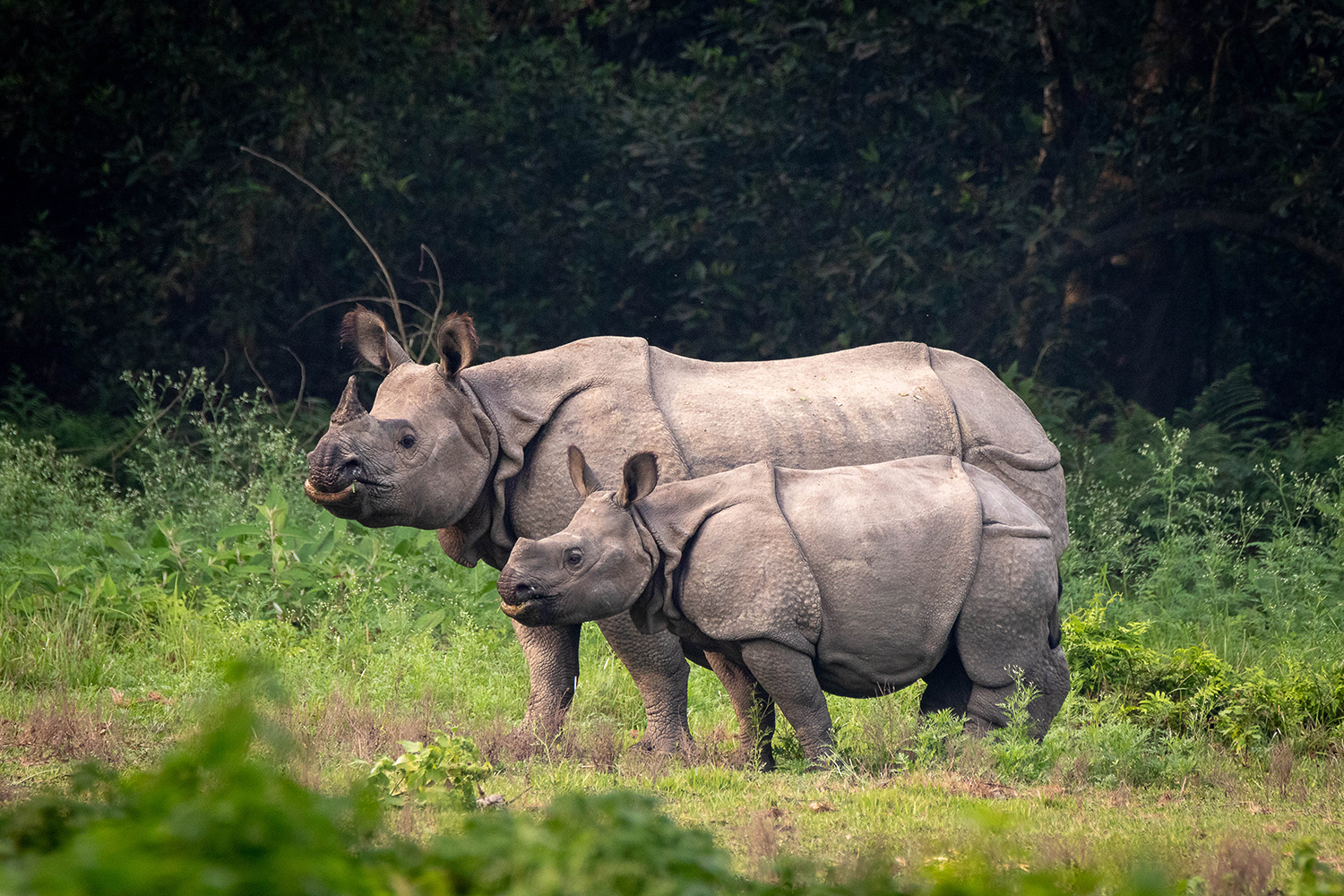
Nepal is both the source and transit for wildlife trafficking, and while the authorities have been successful in protecting flagship mammals like tigers, rhinos, and leopards, the country still serves as a major transit point for less popular wildlife.
Despite strict laws against wildlife crimes members of indigenous communities are easily tempted by organised transboundary criminals. They are recruited to poach endangered animals and plants, and end up in jail, while ring leaders are rarely caught.
Many are not hardened criminals, just regular folk like Bishnu Adhikari, 30, who served time in Kathmandu’s Central Jail. He had gone with a friend to sell pangolin scales without knowing it was illegal and that the punishment was so harsh.
Bikash Chhetri, a Grade 11 student, was riding a motorcycle with college friends when they were intercepted by the Central Investigation Bureau (CIB). Chhetri says he had no idea his friend was carrying the contraband in his bag.
Both Adhikari and Chettri served five years in jail. But most people from Nepal’s indigenous communities are often unaware of the protected status or importance of the wildlife they were recruited to smuggle, handle, or transport.
“Most of indigenous people involved in wildlife trade in Nepal are not criminals, they are poor and live near protected areas are simply trying to support their families, and mostly it is opportunistic killing,” says wildlife researcher Kumar Paudel of Greenhood Nepal. “Often they are exploited by higher-ups in the ladder of organised crime.”
Paudel filed a petition at the Supreme Court in 2018, and the Supreme Court five years later ordered the government to implement the law in a full, fair, and consistent manner.
One of the indigenous communities is the semi-nomadic Chepang who have a long tradition of eating fruit bats. Dibesh Karmacharya of the Center of Molecular Dynamics Nepal in Kathmandu has been looking into new diseases for over a decade and a half, and this community in Makwanpur next to Chitwan National Park was selected.
“Bats are known to carry viruses and bacteria, which are not harmful to them, but when humans get exposed the microbes can mutate and become pathogens with high transmissibility,” explains Karmacharya, who found that many Chepang had been imprisoned for poaching.
“Indigenous communities are often disenfranchised and at the bottom of the socioeconomic ladder, and need some kind of income,” says Karmacharya. “They are hunter-gatherers and have knowledge of the land as well as wildlife, so they get recruited by wildlife traffickers often getting caught, and not those who hire them.”
CLIMATE FACTOR
Global warming has meant that vectors that carry pathogens, as well as animals, are also moving to higher altitudes. As temperature rises, glaciers melt, and previously barren slopes have vegetation. Many mammals, such as common leopards, which are found in the foothills are moving up the mountains to share the habitat of snow leopards. Tigers have also been known to move out of Tarai national parks to seek cooler climes in the Mahabharata Range.