
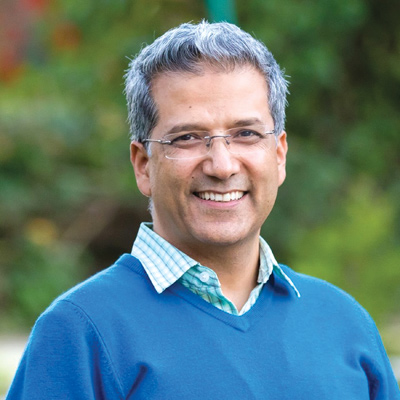
Setopati: Can you tell us about the perks of your job at BBC Nepali Service?
I drew a monthly salary of Rs 700,000. The office gave me a car, health insurance for me and four members of my family and paid my telephone bill. A journalist cannot expect more than this in Nepal. But from tomorrow, I will not be earning a paisa.
Then how will you survive?
I have savings. And I will be collecting rent from my two houses. I also have to pay back some loans. I will be devoting at least 15-16 hours a day to politics, and will work honestly.
Do you have what it takes to transform politics?
It is a huge challenge to put our politics back on track. But many countries which were in a worse situation than ours are now developed and stable. I am confident that we can turn around things in Nepal too. My biggest asset is the support of honest and like-minded Nepalis. Our primary team is diverse in terms of ethnicity, age and profession. We hope more people will join us as we move forward.
When did you first think about joining politics?
I returned from the UK to spent part of my time in philanthropy. But this was like trying to fill the Rani Pokhari with a bucket of water. We built 40 libraries, but over 32,000 schools in Nepal do not have libraries. So I thought the only way is to join politics.
Why a new party?
I thought of that too. But I was afraid politicians in existing parties would turn me into one of them. Just look at the appointments of the new police chief and ambassadors.