
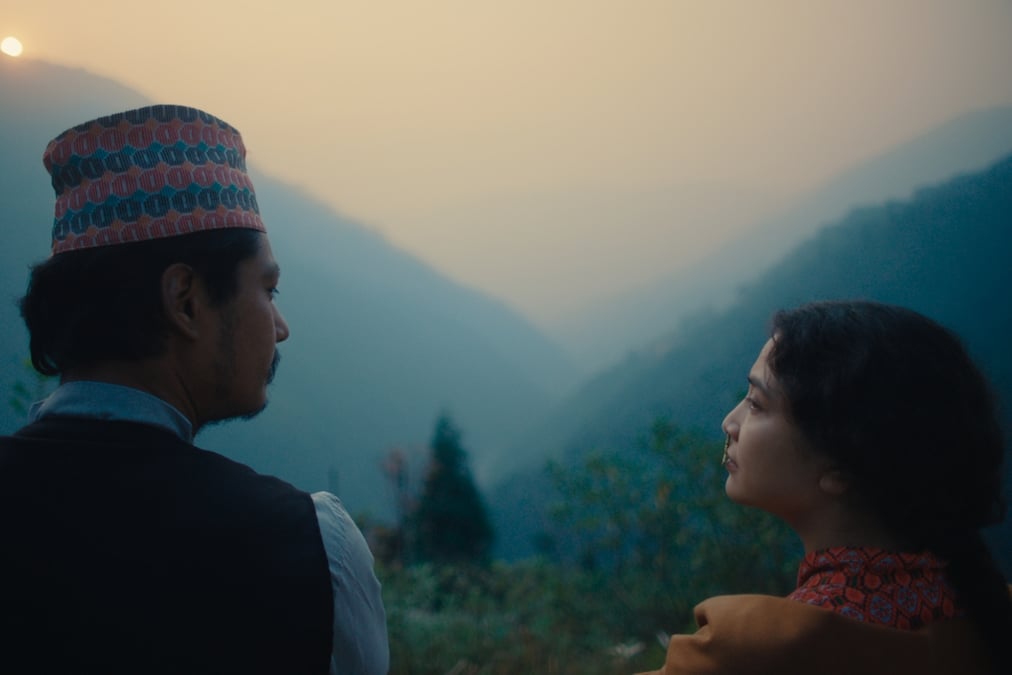
A 2025 historical that won Best Feature Film in the South Asian Panorama section at the 9th annual Nepal International Film Festival (NIFF) last month, Jaar is an adaptation of a classic short story of the same name by award winning author Indra Bahadur Rai.
This was its first ever on screen adaptation after years of reinterpretation in stage productions. Set in 19th century Nepal during the Rana regime, Jaar revolves around Thuli, a young married Magar woman living in eastern Nepal (played by Sikkimese actress Geetanjali Thapa), and her affair with a Gurung man (portrayed by Saugat Malla).
Jaar follows the challenges of this extra marital relationship as their union is condemned by the rigid contemporary social structures and legal codes. The consequences are that Thuli is shunned, and her love is branded a 'Jaar', fated to be put to death.
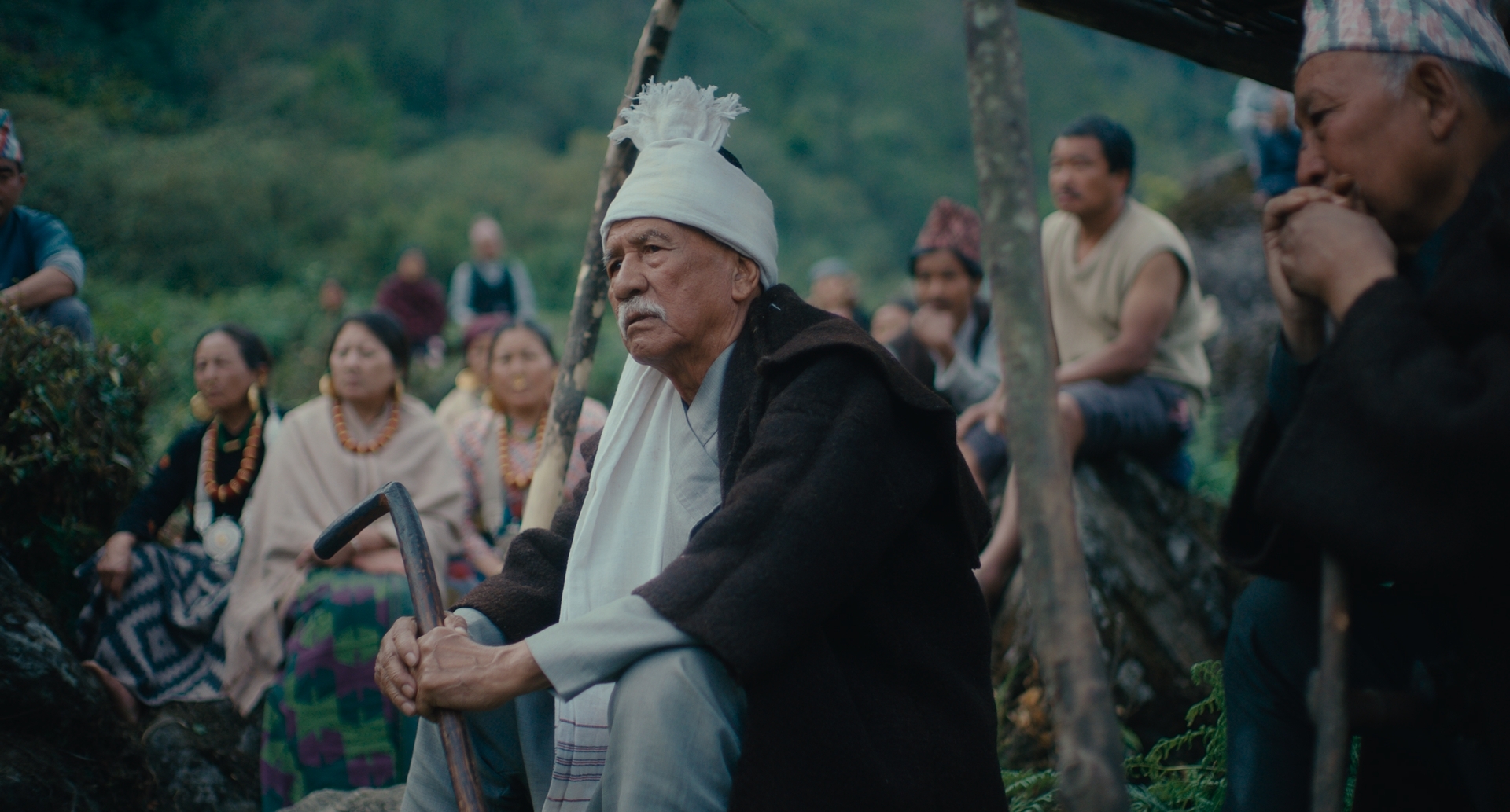
The film features exceptional cinematography, using expansive shots of the Eastern Himalaya not just as a setting but as a tool to convey emotion. The original soundtrack accompanies these shots, relying on simple, antiquated sounding music to convey the emotions of the main characters.
From love to heartbreak to fear, the use of colour, natural imagery, and sound all work flawlessly to depict the beloved story from chapter to chapter on screen.
Jaar is not your average 'Kollywood' film, it is the latest in the list that is spearheading a movement in Nepali media towards a more modern style with deep social critique embedded in the storyline. It reflects the growing popularity of films that curate a balance of cultural representation and modern thought.
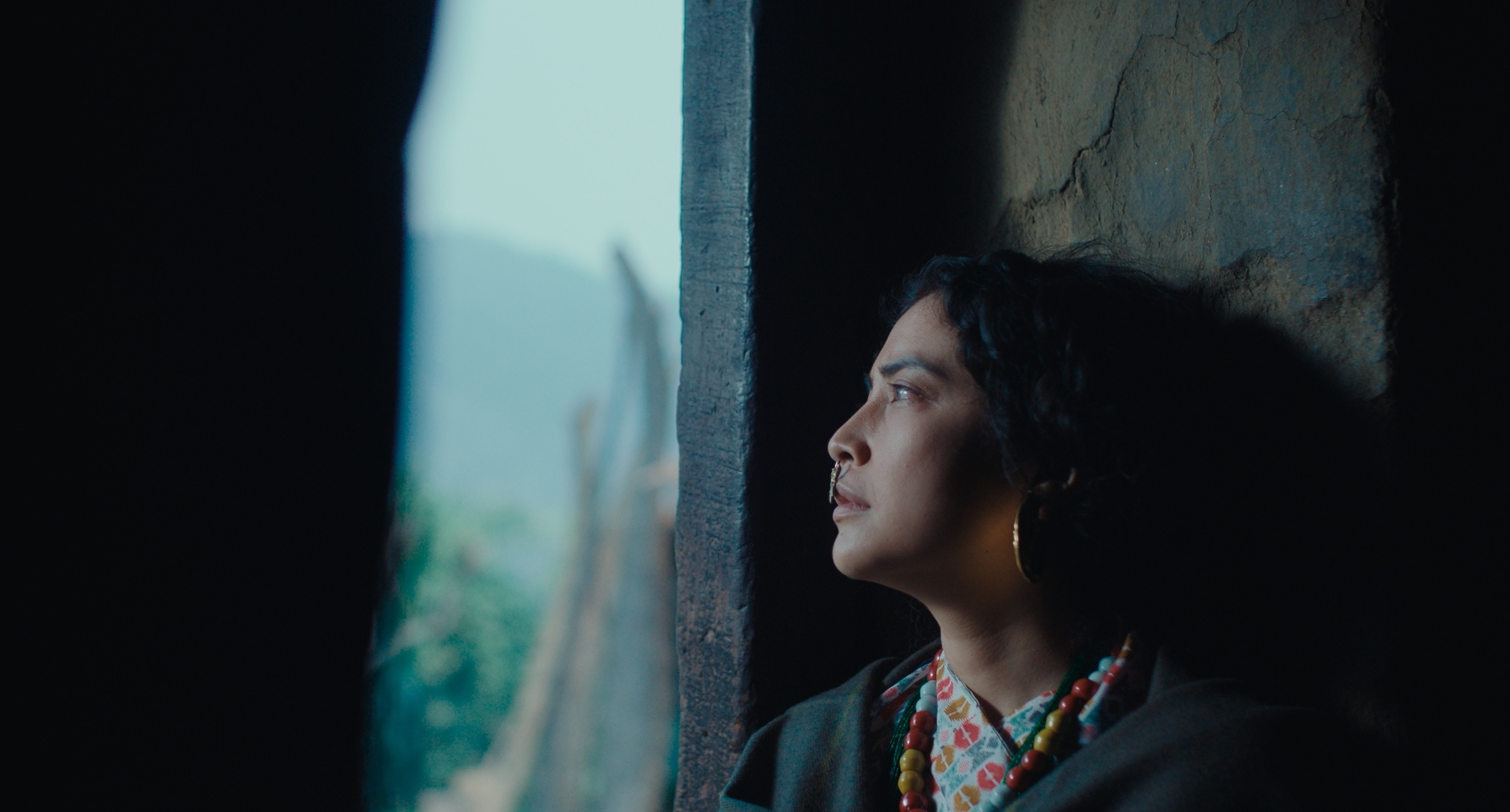
For director Phurba Tshering Lama, an Indian of Nepali origin, Jaar is an attempt to provide a fresh a fresh perspective on Himalayan identity: “I was born in Darjeeling, a place that complicates identity. Within the Nepali diaspora, belonging is never simple. You’re sometimes Nepali enough, sometimes not. Borders turn kin into competitors,” he says. “Jaar is my small attempt to bridge that distance, to remind us that we come from the same soil, even if divided by maps.”
Jaar also redefines the role of women in South Asian films, where female characters are often depicted in a narrow range of archetypes defined by passivity. Despite engaging directly with the traditional values of Nepali culture and the limitations imposed upon women in these structures, Jaar’s Thuli is not a complacent victim. Rather she is painted as a woman subjected to unfortunate punishment due to societal custom and the indecency of men.
Thuli is not just left to suffer. Jaar portrays her as a rebellious woman who learns to control her own narrative. Despite repression, she chooses to shape her own ending, choosing who she loves, resisting the structures around her, and confronting the male authority that stands in her way.
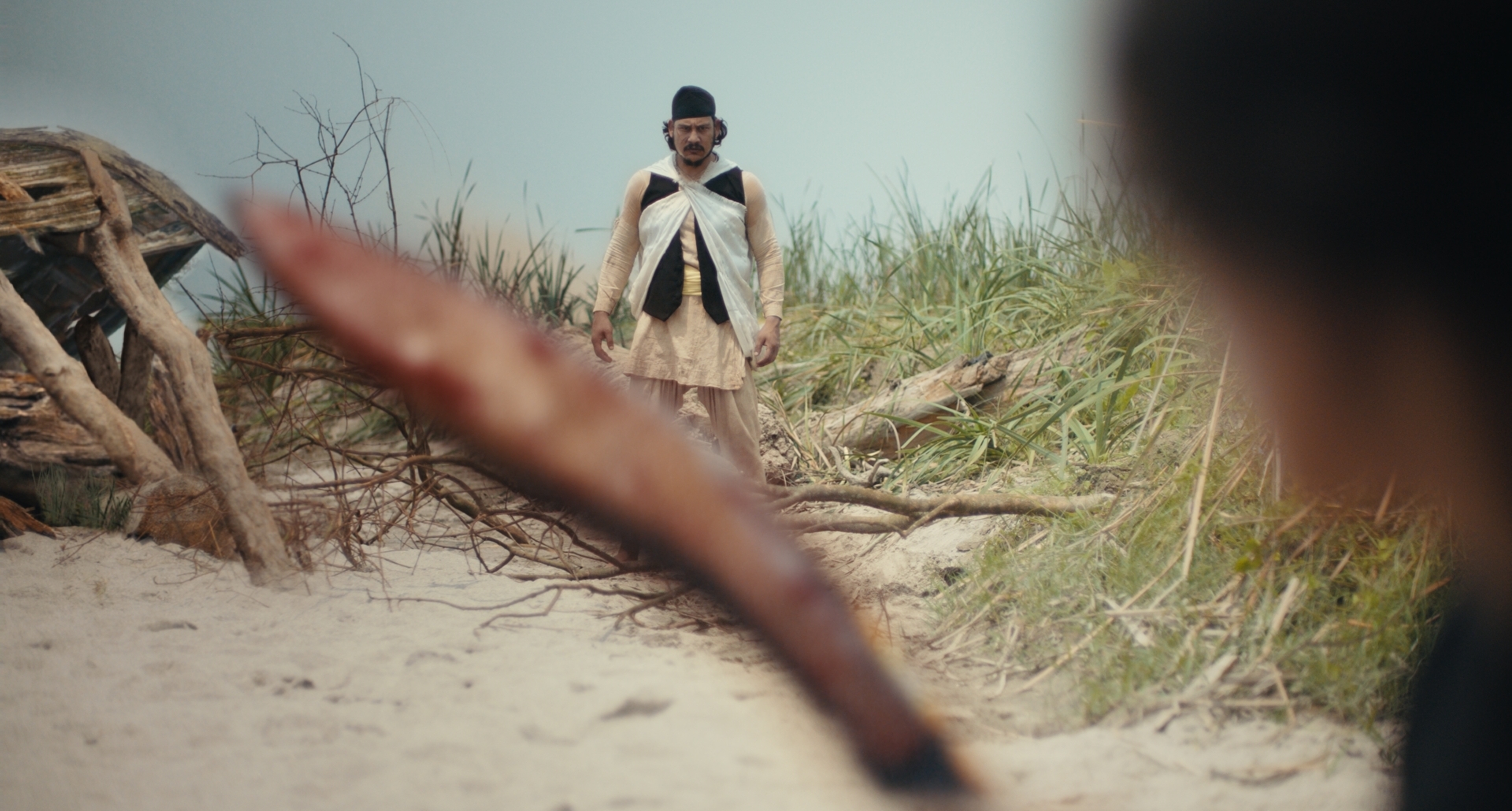
This is powerfully represented at the end where she is holding a bloody knife to her husband played depicted by Anoop Bikram Shahi who threatens the life of her lover, the 'Jaar'.
While their manifestation may differ, the societal pressures surrounding marriage, honor, and social status still remain present in modern day society. The film draws stark attention to the persistence of these systems.
“What drew me to Jaar wasn't just its time period or the forbidden love at its centre. Although set in the 19th century, its world still clings to us. Maybe village councils no longer hand down death sentences, but the codes of honor, shame, and silence continue to govern lives, in whispers, in glances, in all that remains unsaid,” says Lama.
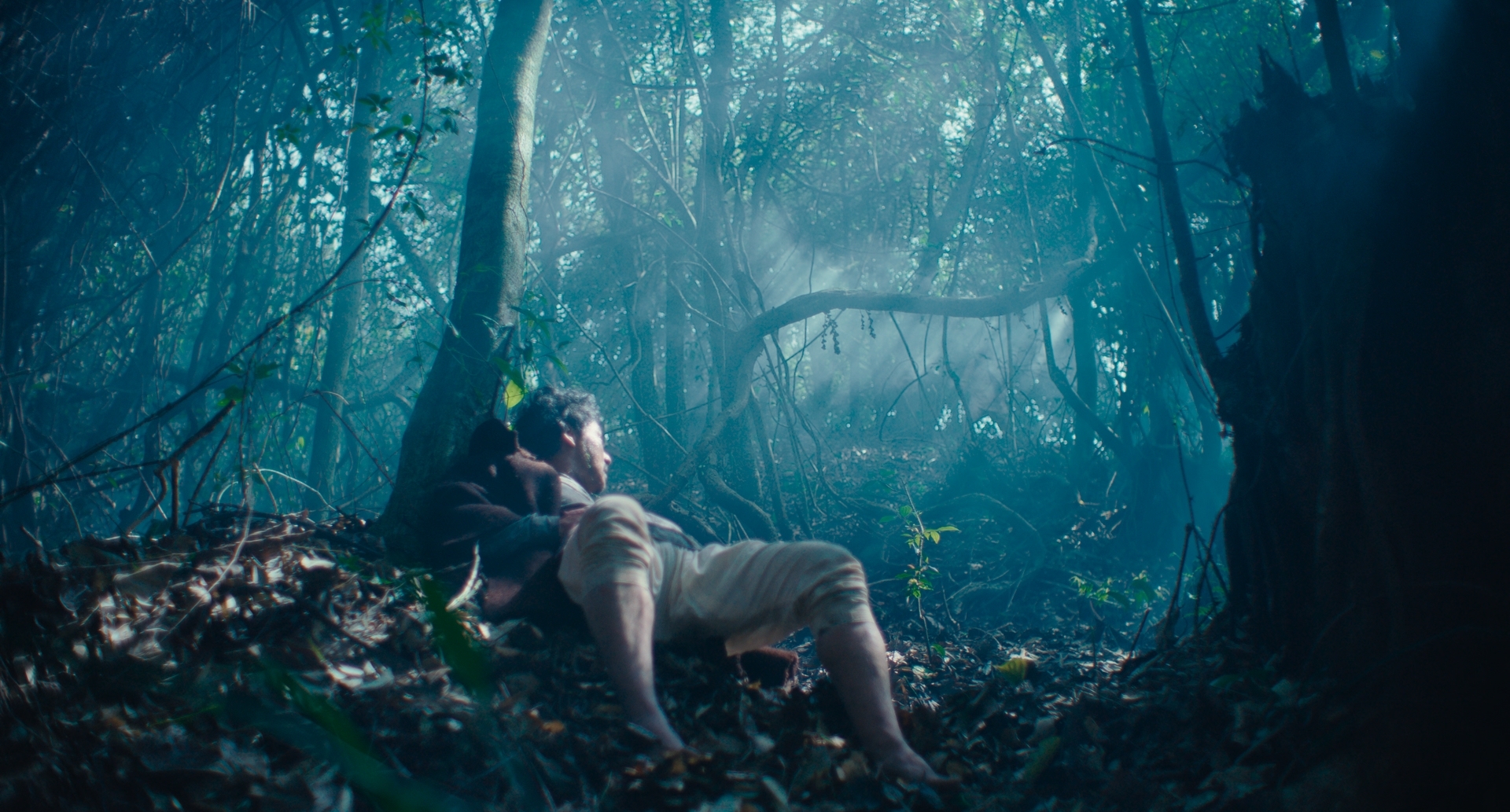
By positioning its audiences to root for a relationship that exists outside of societal expectations, Jaar juxtaposes the empathy individuals can show in fiction and the judgement they pass in reality. It showcases the tension between man-made rules and the human capacity to love, confronting audiences with the question of why one allows social constructs to prevail over what is natural.
Adds director Lama: “What truly sustained us [the film team] was one question: what do we owe to tradition?”
The director’s cut of the film will soon be re-released in select countries, including Nepal. Watch the
.Jaar
Directed by Phurba Tshering Lama
2025
115 minutes