“Does it have a tail?”
“I can’t see because it's sitting on it.”
“What about its eyes and coat?”
“Bright and black eyes with spikey brown fur.”
“Sounds like a greater bandicoot.”
“Oh dear. Not again.”
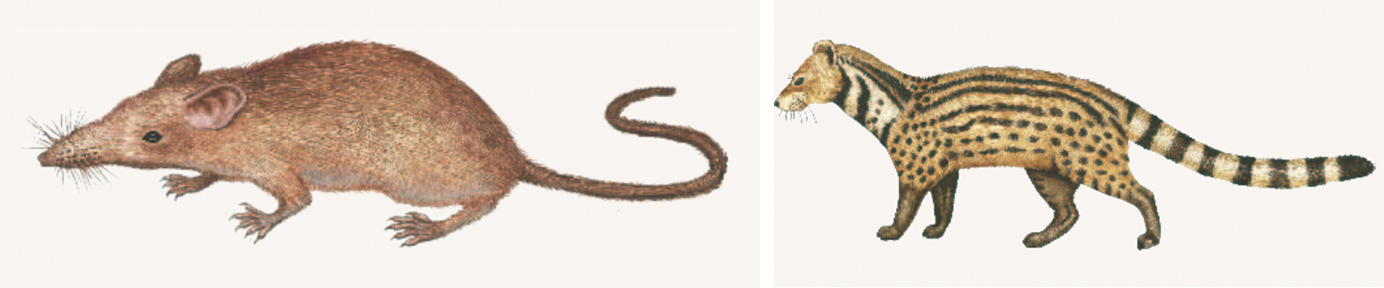
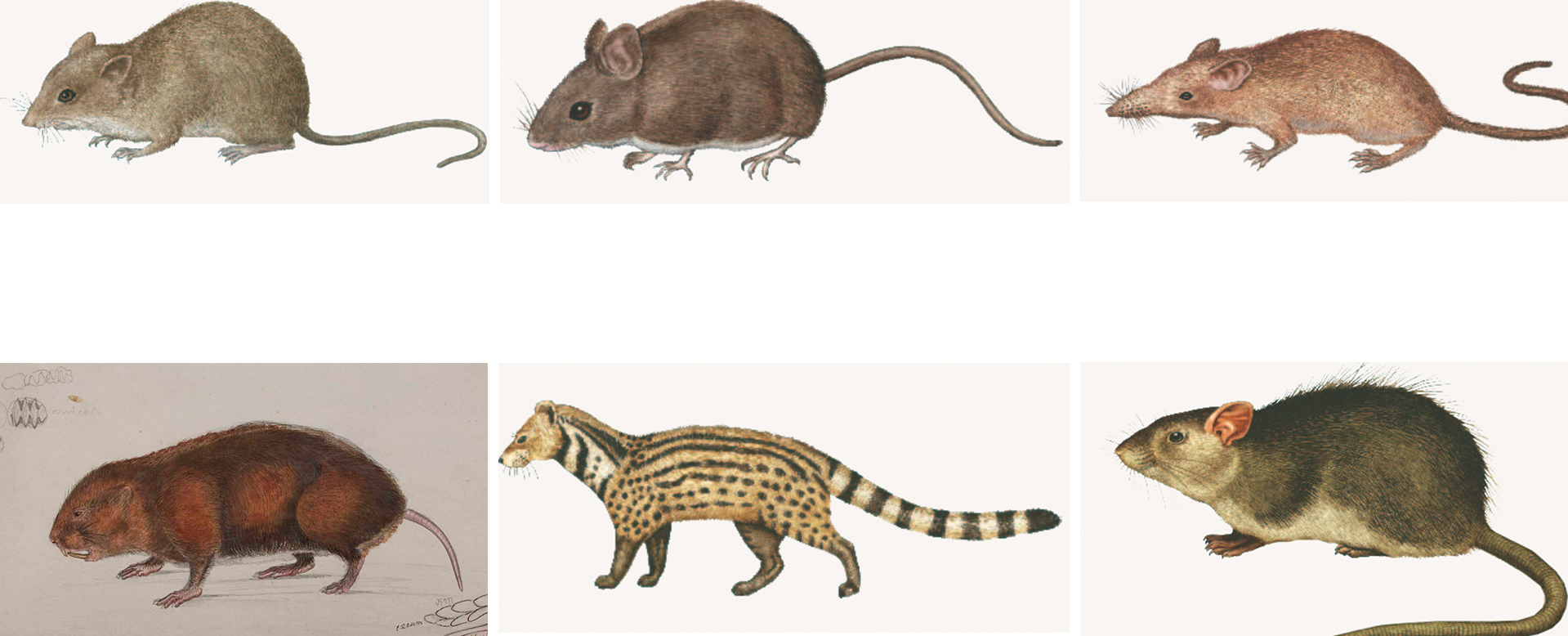
“The bamboo rat lives underground so he has tiny eyes. Stocky. Short tail. Reddish colour.”
“I don’t think it’s him.”
“Disappointing. Check its tail when you let it go.”
“You mean when Laxman lets it go - at the bottom of the garden. It’s pouring with rain and I’m ready for bed.”
“Tomorrow put the trap right up against the burrow below the bamboo clump.”
“Ok. We’ll keep trying.”
“At least it’s a big one tonight, not another Himalayan field rat or Niviventer like we had before.”
“I really like these jungly outdoor chaps, especially the little ones with the mickey mouse ears, white tummies and pink feet.”
“Careful. Don’t get attached.”
“Ha!”
“He’s historic, first described by Brian Houghton Hodgson in 1845.”
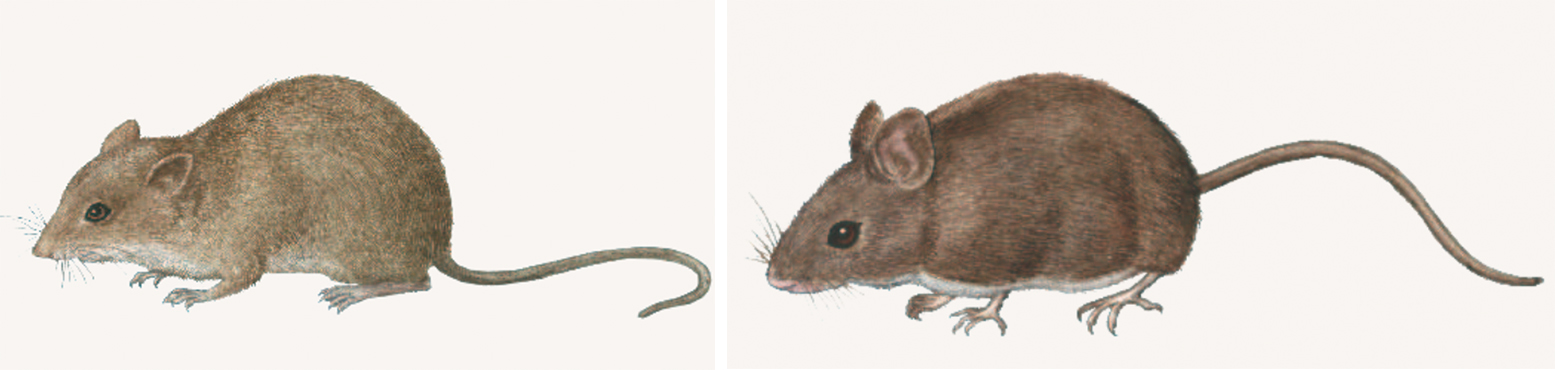
It is day six of our wildlife catching exercise, trying to entrap a lesser bamboo rat (also first recorded by Hodgson in Nepal in 1841) for Stuart Chapman -- one of the few species he has never seen. A new big tick for his mammal list.
After a career in conservation, only 24 people in the world are in front of him. Stuart’s natural competitiveness is thwarted by the pandemic and rivals are creeping ahead – the unforgiving world of mammalogists.
“The Fawn-coloured mouse at Tiger Mountain Pokhara Lodge was a big win. I need to bag some more new species.”
Our garden is not that big and suffers from a ruthless gardener and four energetic dogs but still has proven to be teeming with nocturnal wildlife.
“Three species identified are the bandicoot Bandicota indica and lesser Himalayan Rattus nitidus who seem to inhabit bamboo, and the niviventer Niviventer niviventer who are the fellows you see in the creeper around the terrace. I strongly suspect the bamboo rat is also there Cannomys badius. After these, I’m desperate to get onto the Tibetan plateau to find a pika (Ochotona himalayana).”
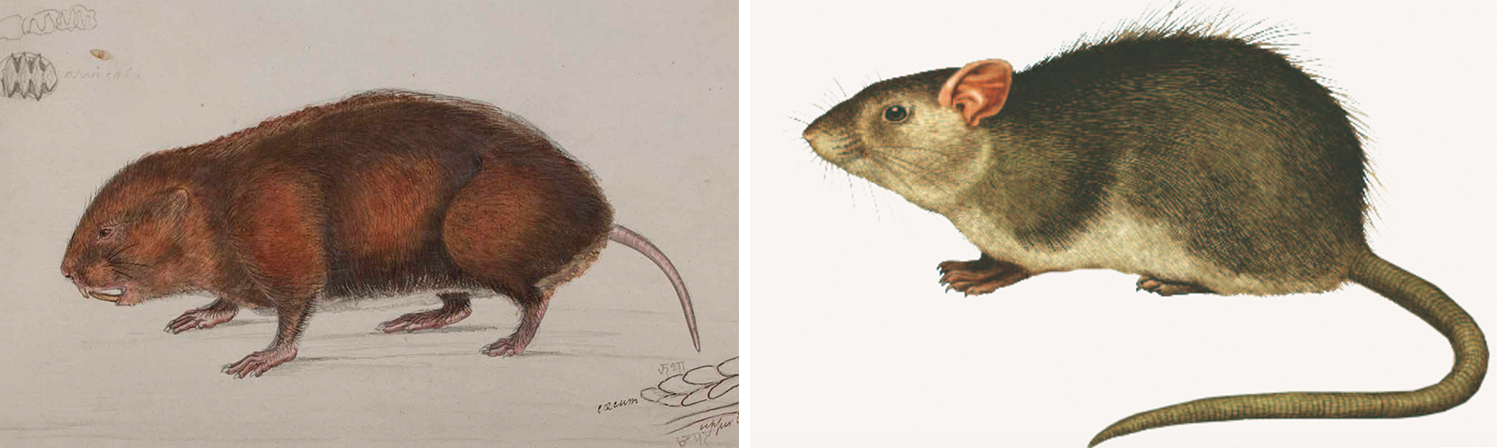
Not all after-dark critter activity in the garden is benign. The main suspect for killing the stately stand of bamboo are the bandicoots, turning the waxy yellow stems streaked with delicate green into a sickly flat ochre, the dead fronds a brittle rattle in the evening breeze. In the quiet of the night the chomping rats are sometimes audible, although the holes amongst the tangled roots are expanded by the dogs digging frantically into the sound.
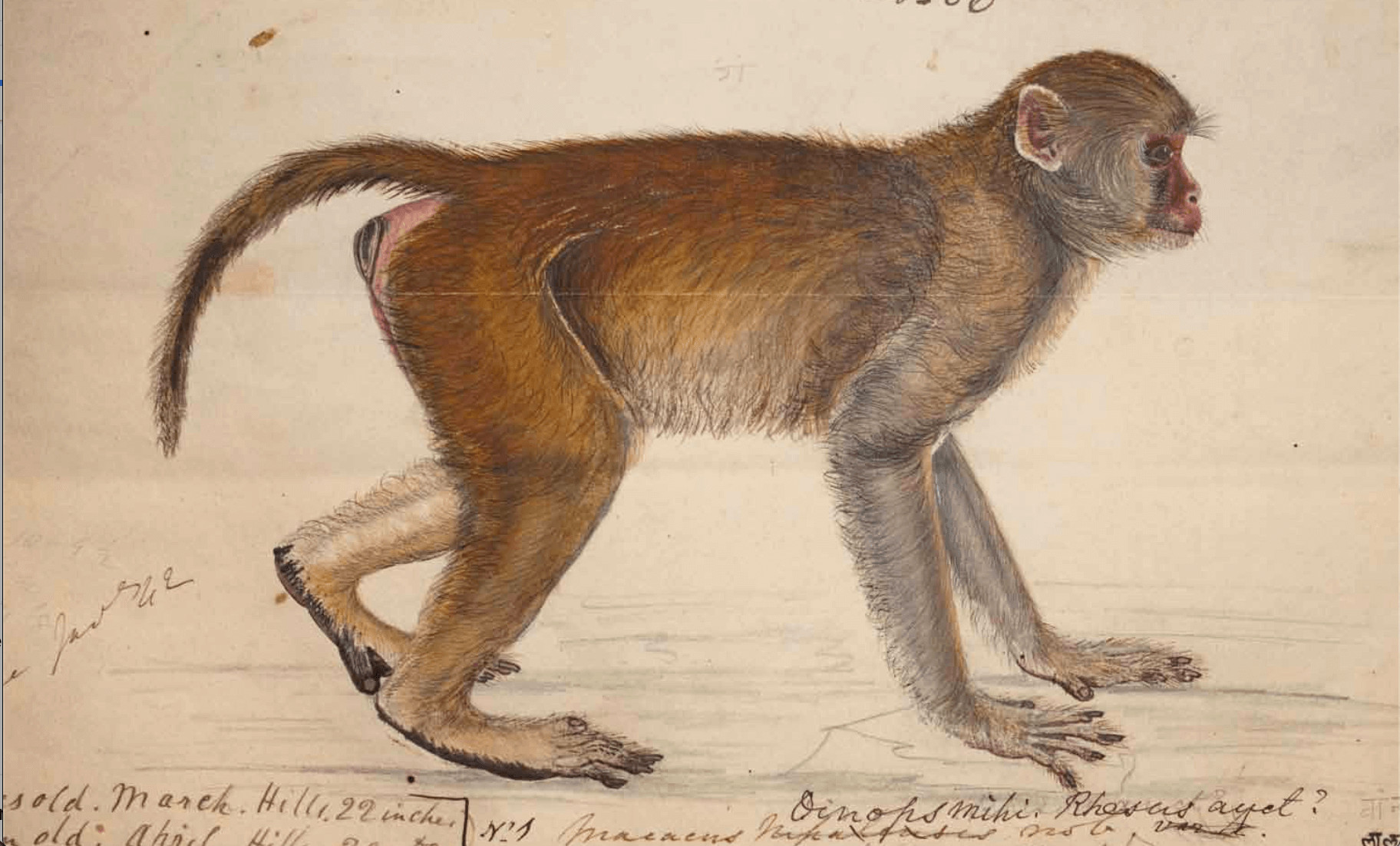
Although there used to be mongoose and squirrels, we seldom see them because of the dogs. They also drive away the monkeys who visit when the trees are fruiting, and occasionally catch an unfortunate snake. Because of our proximity to Shivapuri Nagarjun National Park, wild night-time barking usually signals a passing civet, or even a leopard. I’ve seen both in our vicinity.