
No matter how often you have heard about Istanbul being the city that straddles two continents, it is still a pleasant surprise to be in a megapolis with an Asian heart and a European mind. You are constantly reminded of the intermingling of the two: the outgoing hospitality, easy confidence, spices and food from the east check-to-jowl with the efficiency, orderliness and cosmopolitanism of the west.
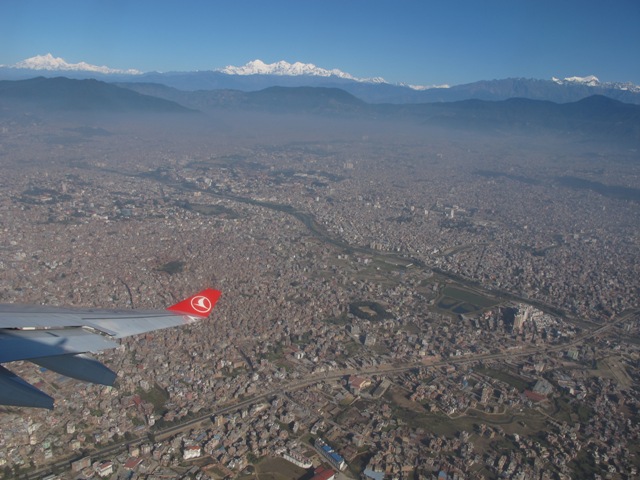
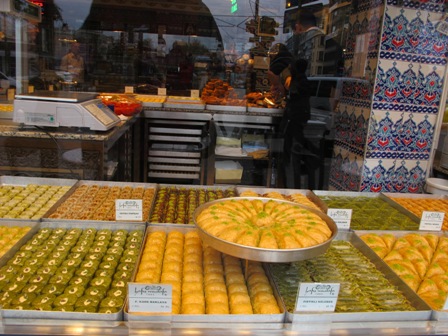
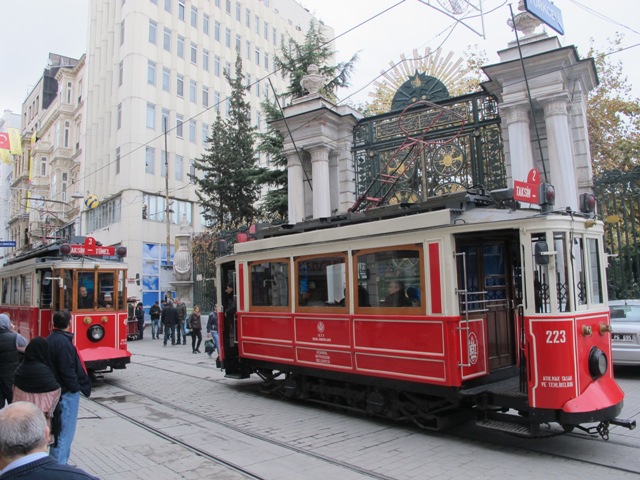
For a Kathmandulay, it is a compliment to be mistaken for an Istanbullu on Galatas Bridge and being asked for directions. And on the hill of mosques, there are a surprising number of people who look like cousins or aunts back home. The street signs and stray bits of conversation from passersby contain words that have a familiar ring. On the pedestrianised Istiklal Street, a bookshop is called Insaan Kitap. A shop making rubber stamps advertises the prices of its Hazir Haraf. The newspapers are called Zaman or Duniya. There are the names of foods (badam, halwa, kofta, kebab, sabji, sakkhar), legal terminology (adalat, hazir, zamanat, yani ki) military terms (dushman, barood, chaku, durbin, maidan, tope) and everyday words (awaz, jabaf, dost, hawa, kalam) which came to Nepali from Turkish via Urdu. The word for airport is Havaalani. In fact, even the word ‘Urdu’ has Turkic origin and means ‘army camp’.
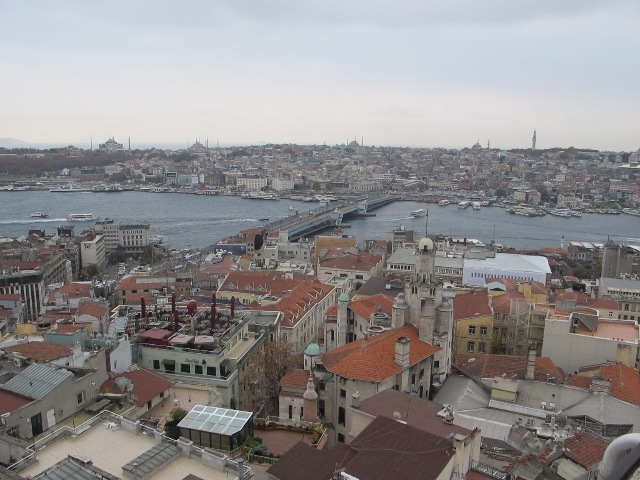
The best way for visitors to immerse themselves in Istanbul’s rich culture, history and lifestyle is not to read Lonely Planet but grab Orhan Pamuk’s autobiographical Istanbul Memories and the City. Pamuk is a Nobel laureate and the most internationally known Turkish writer. While many find his novels too intricate and disturbing, they have as common themes the adjustments Turkey has made to fit between east and west. However, it his non-fiction book on the city he grew up in gives an outsider an insider’s view of Istanbul’s past and present, putting a transit visitor’s fleeting passage through it in perspective and context.
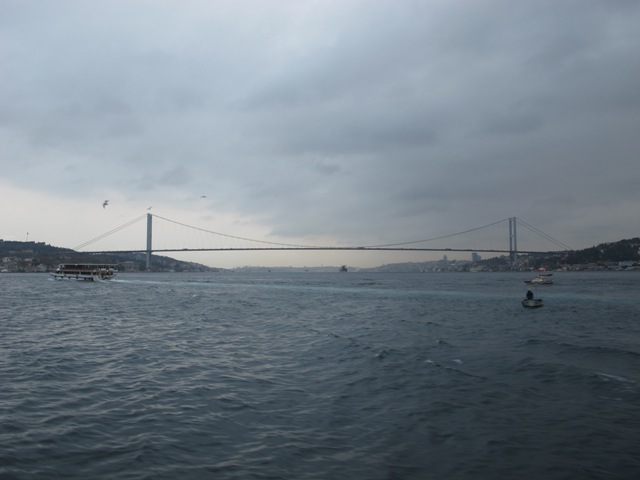
A lot of us in Nepal from joint families will find familiarity in Pamuk’s childhood in an eight-storey apartment with his extended clan living on different floors. Every neighbourhood street, every neighbor, shop or café has a memory that is linked to Turkey’s turbulent past, as the city was buffeted by waves of history from the Byzantine era, the Mongol invasion, through the imperial Ottomon period, Kemal Atatürk’s secularist campaign right down to the present day where two bridges and a new tunnel now cross from Asia to Europe over and under the Bosporus. Pamuk tells the story of his life and his country through the heartbeat of a city he never left.
Excerpt from Istanbul: ‘The city into which I was born was poorer, shabbier, and more isolated than it had ever been its two-thousand-year history. For me it has always been a city of ruins and of end-of-empire melancholy. I've spent my life either battling with this melancholy, or (like all Istanbullus) making it my own.’

Istanbul
Memories and the City
Ohran Pamuk (translated)
Faber and Faber, 205
348 pages
$15