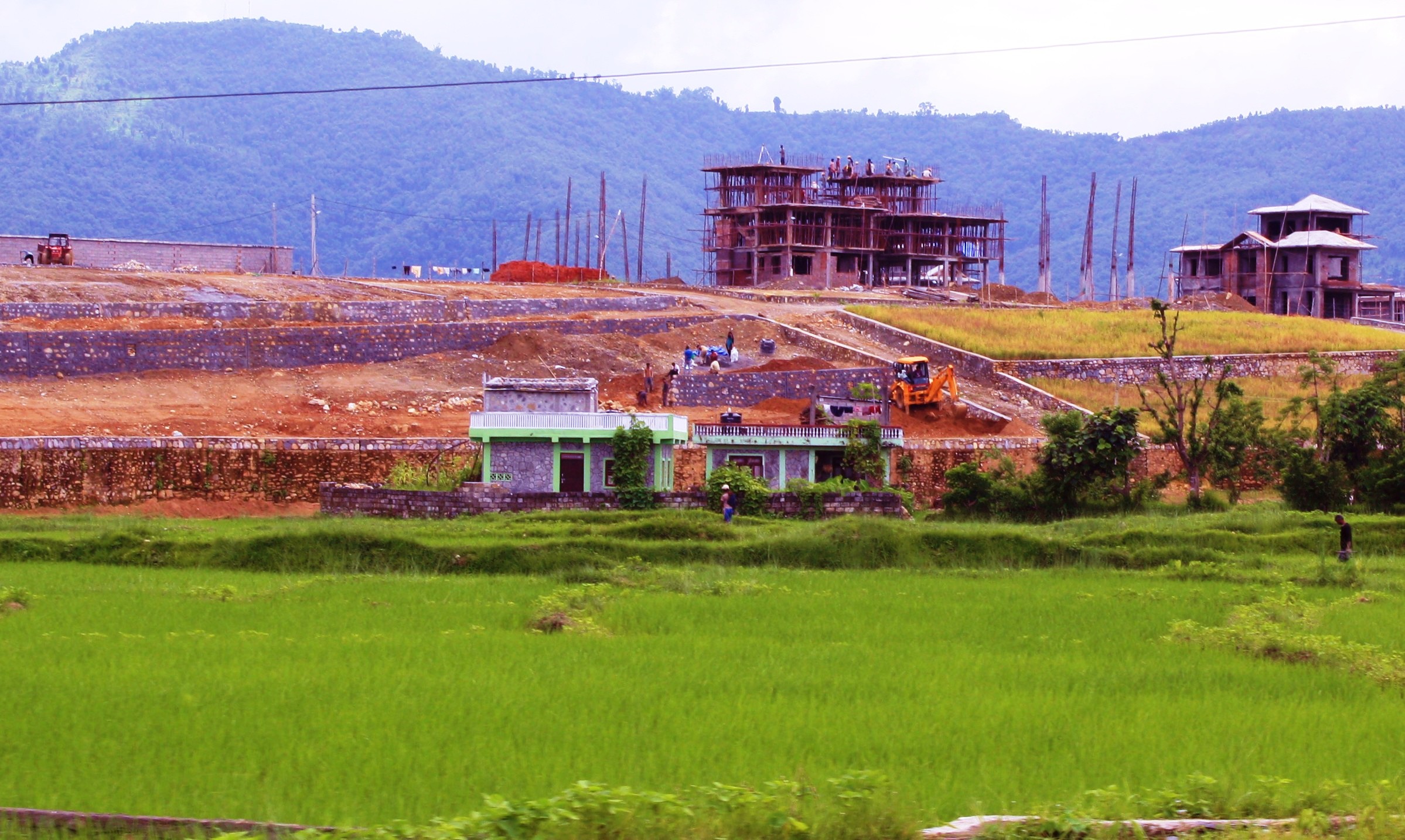
The surroundings of Pokhara in central Nepal have some of the highest annual rainfall in Nepal. The Annapurnas rise straight up from the midhills, and this dramatic topography forces moisture-laden winds up, giving the region more than 3,500mm of rain a year. Compare that to barely 1,500mm in Kathmandu.
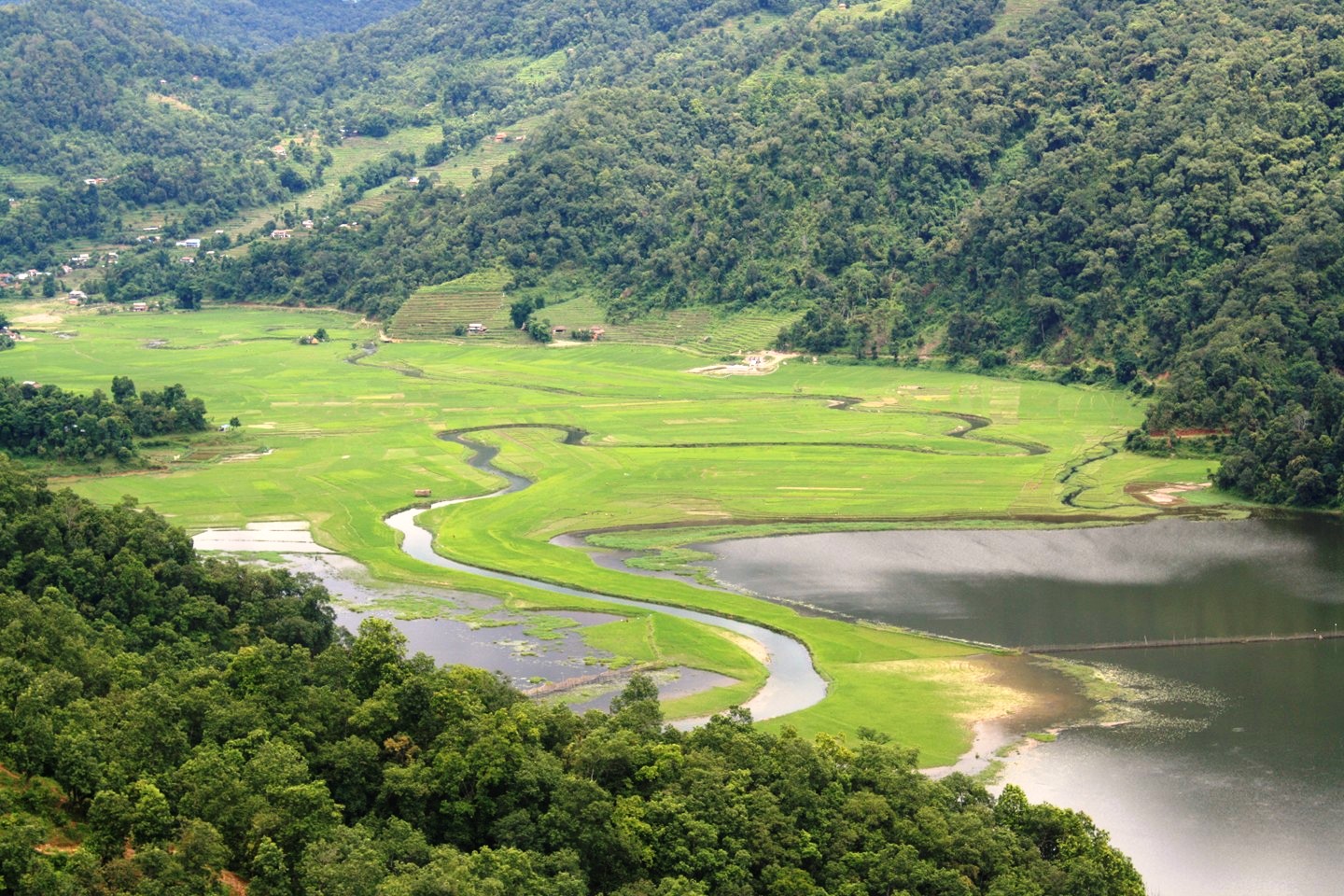
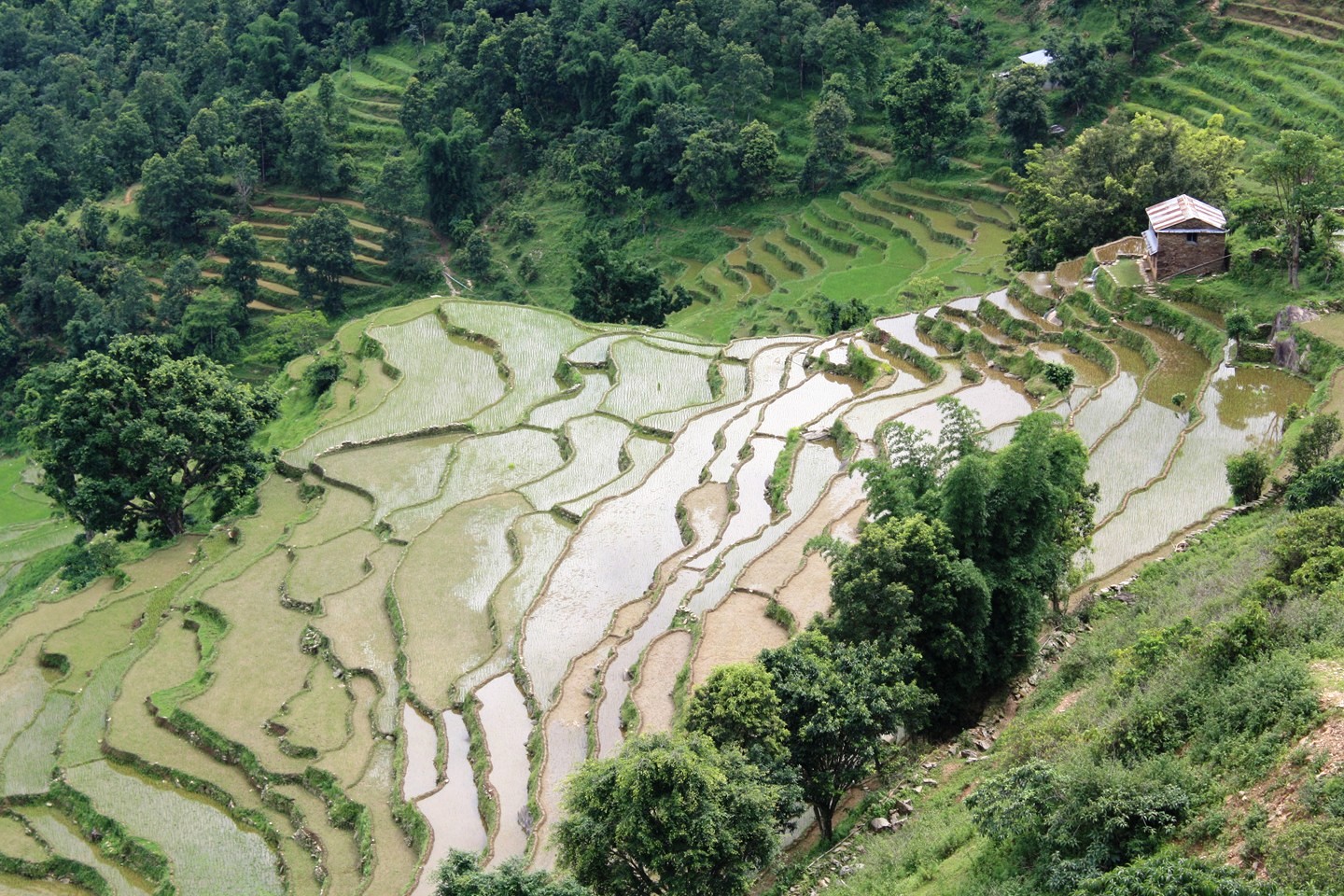
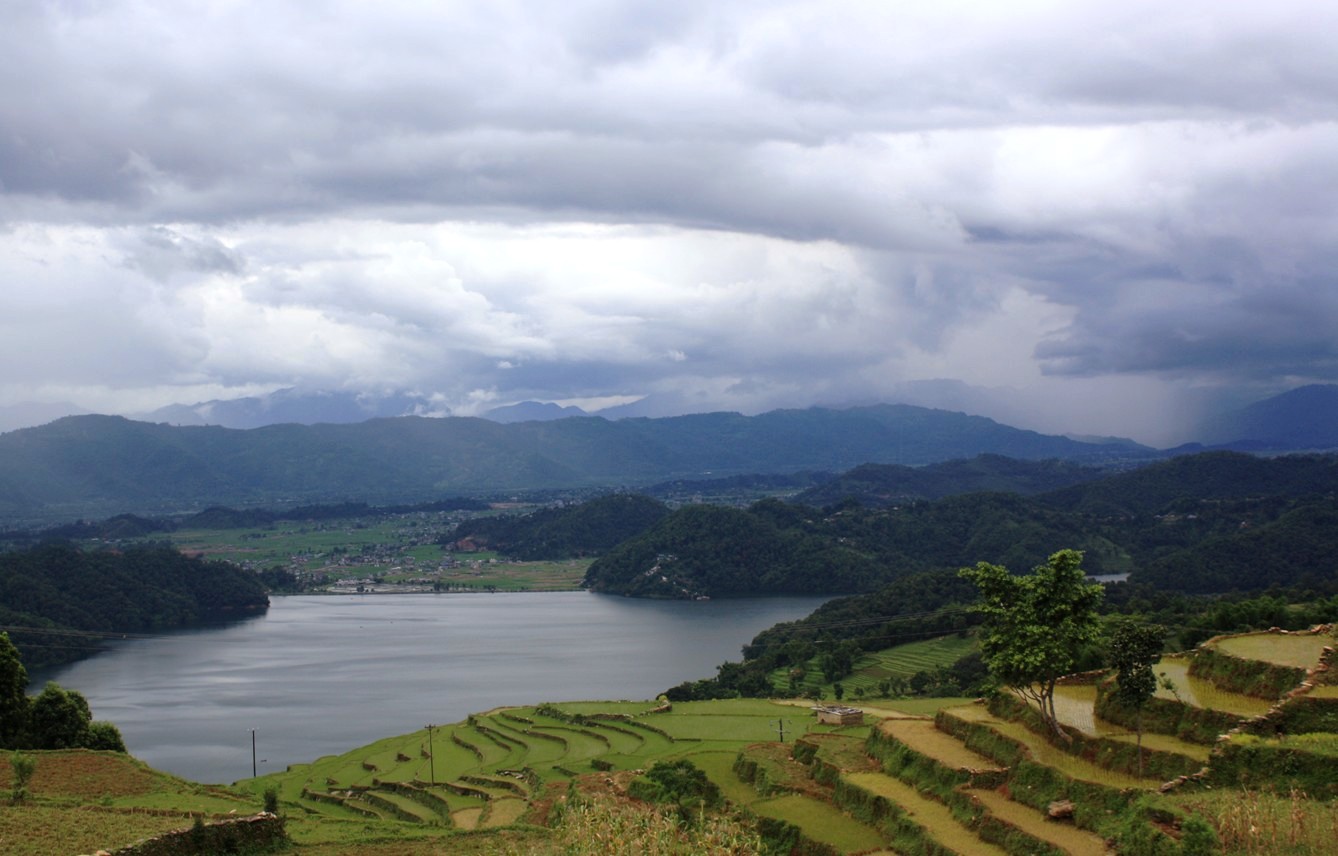
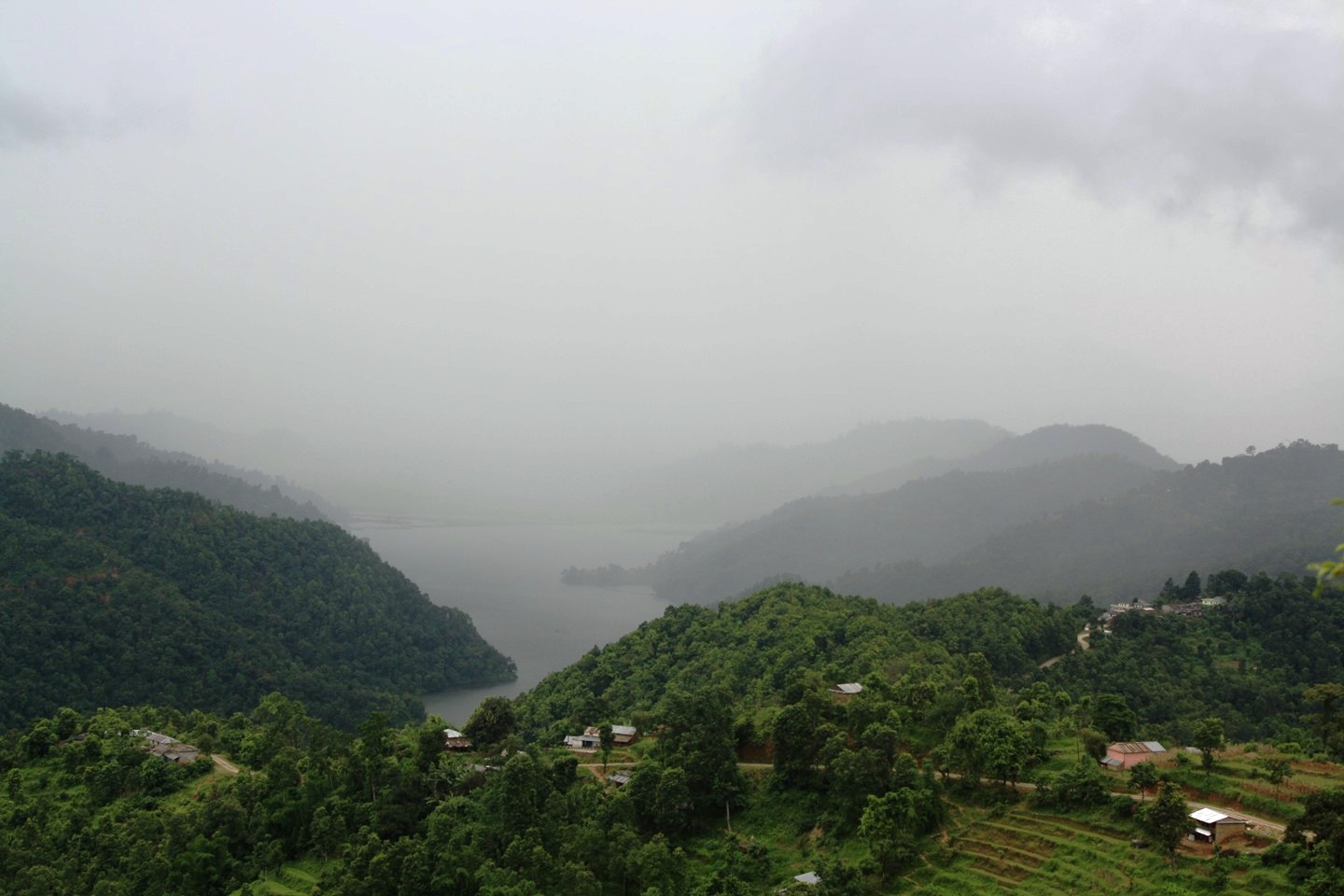
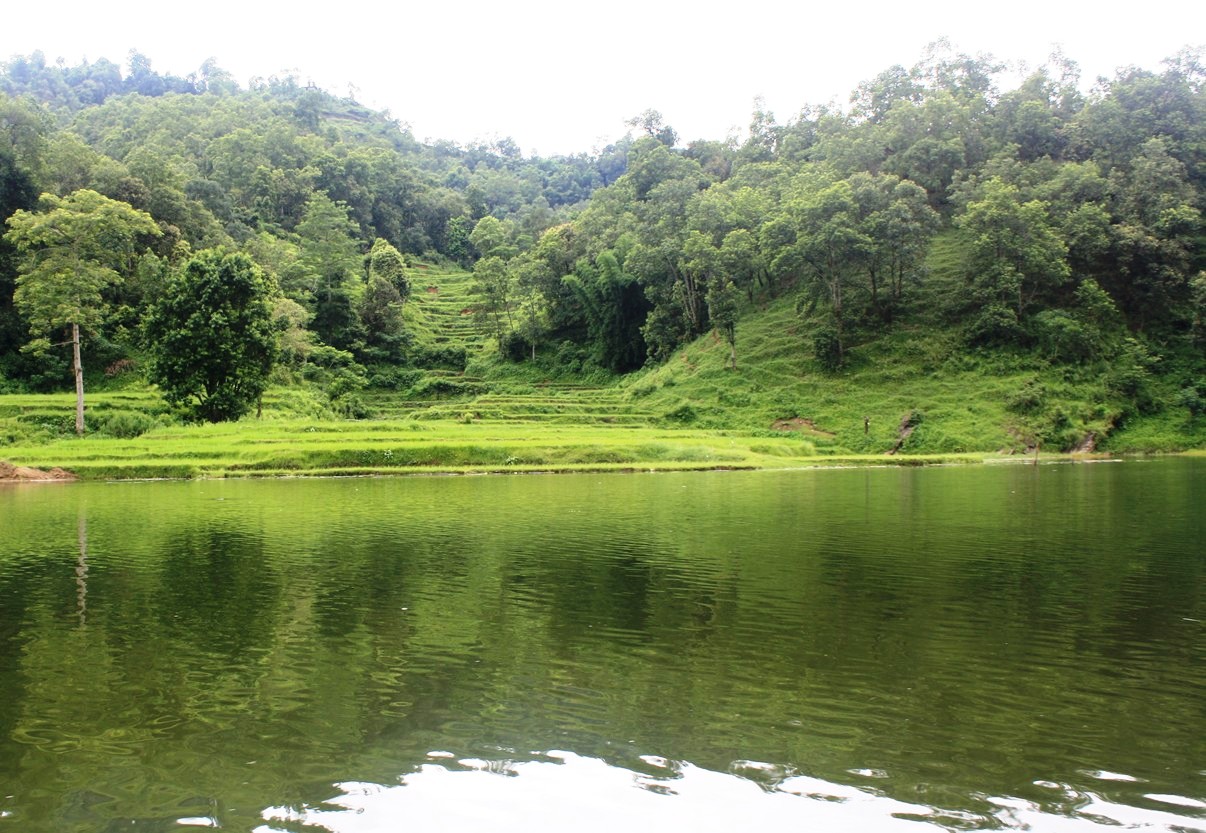
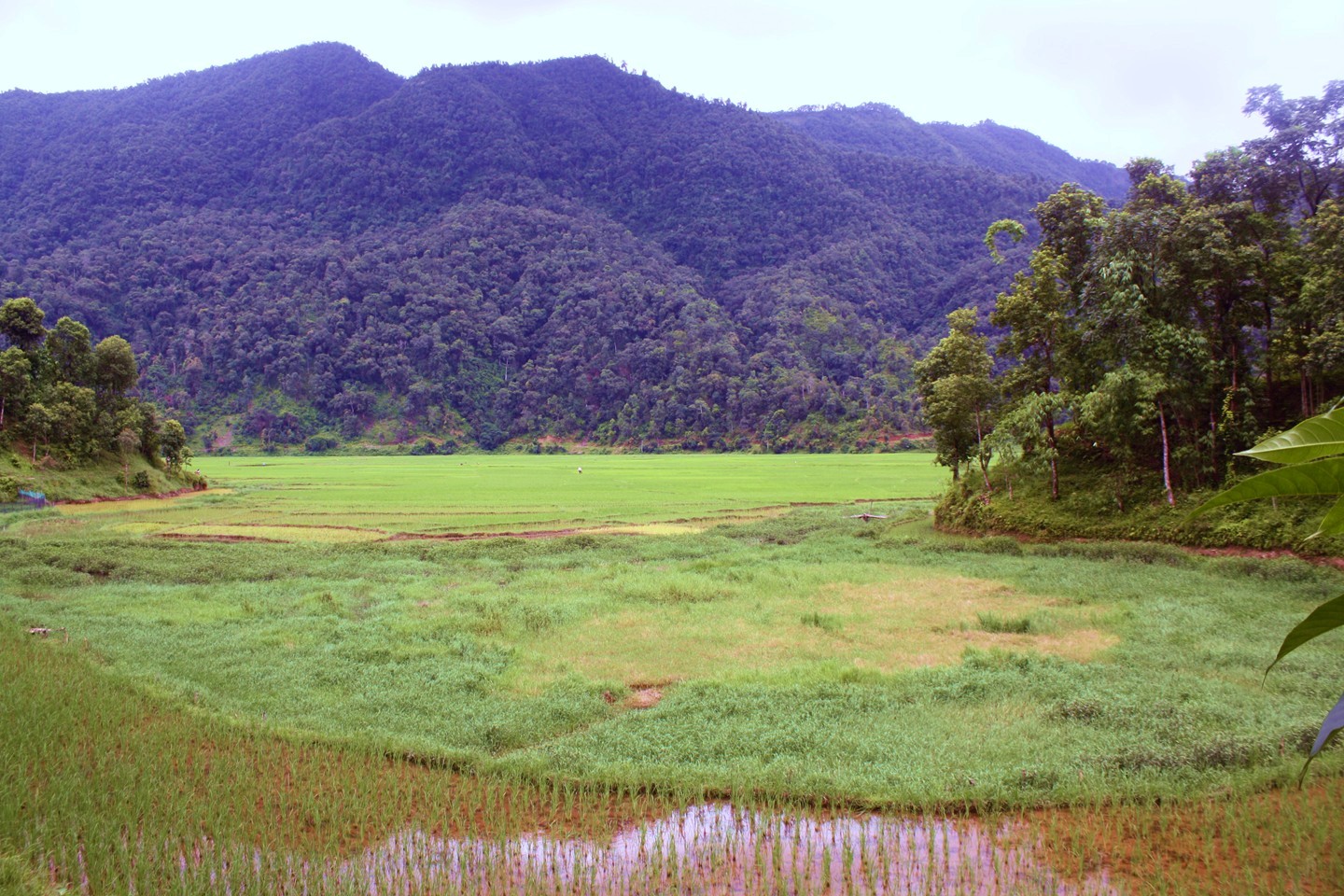
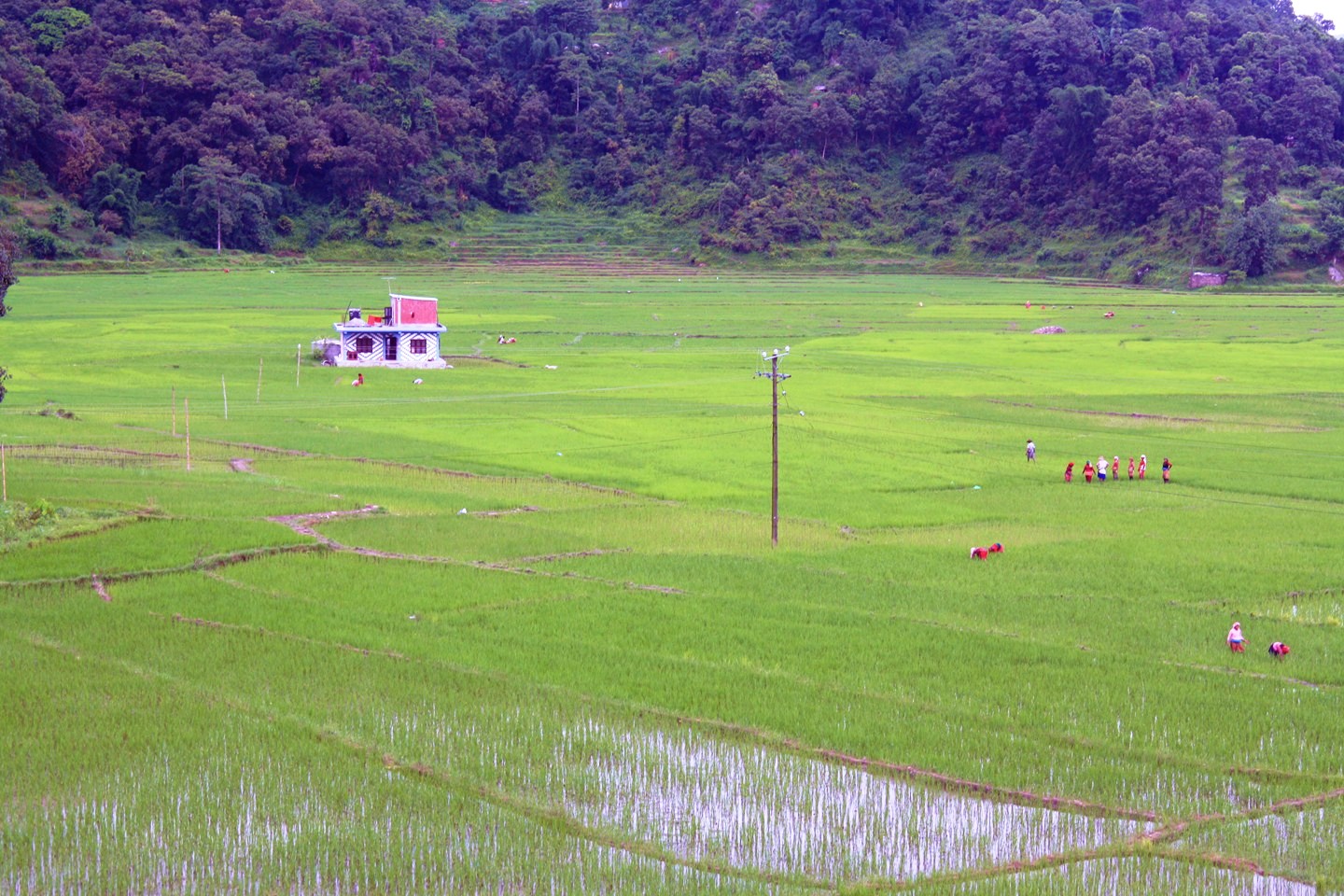
The result is there for all to see, especially this time of year: the emerald paddy fields, the jewel-like lakes, the rain moving up valleys like a lace curtain, the soothing deep green of the community forests that drape the countryside.
This is the first time I have been to Pokhara when the mountains have not been visible for the entire time I was there. But you know what? I didn’t miss them. Dramatic as the mountains views are, they distract from Kaski’s other scenic attributes in the monsoon.
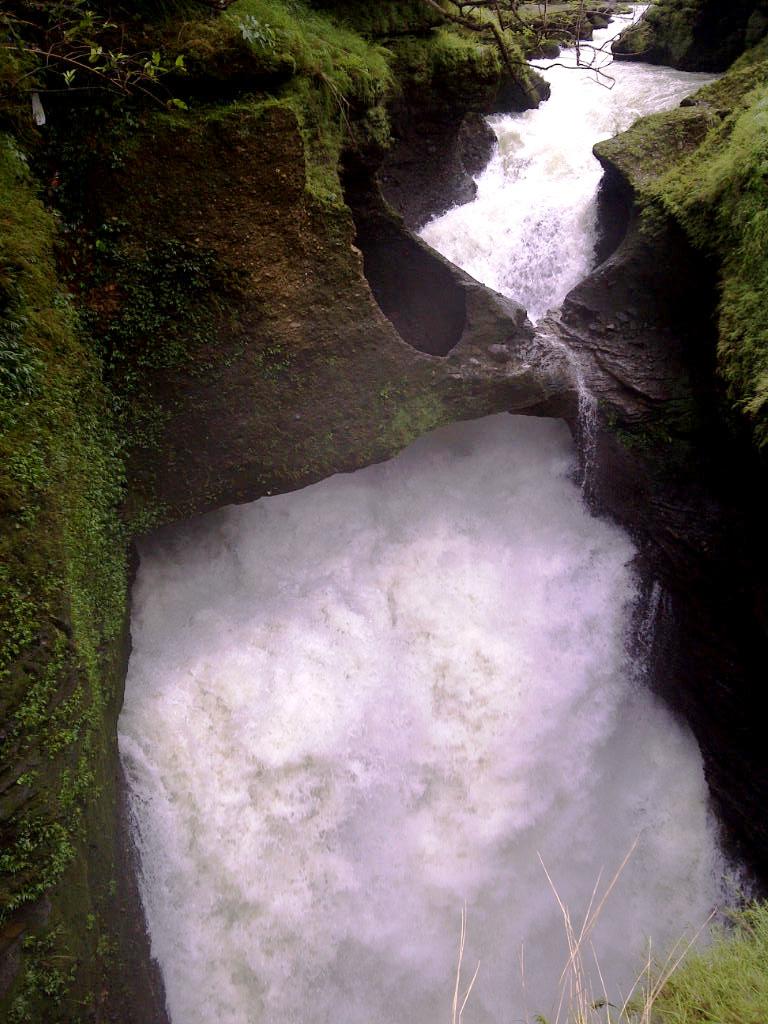
There is water everywhere: the thundering white falls of Patalo Chango which is a trickle the rest of the year, the jade lakes, the frothing Seti that disappears underground below the city. There is the sound off falling water everywhere, the raindrops sighing in the forest canopy, the gurgling streams, the roar of the rain-gorged rivers.
The water makes the explosion of plant life possible, giving Pokhara Valley the richest biodiversity in Nepal. The chlorophyll in the plants paint the hills, terraces and forests different shades of green. Chlorophyll is to plants what red corpuscles are for us, the chemical that makes it possible for plants to turn atmospheric carbon into carbohydrates on which animals, including us humans, depend for our survival.