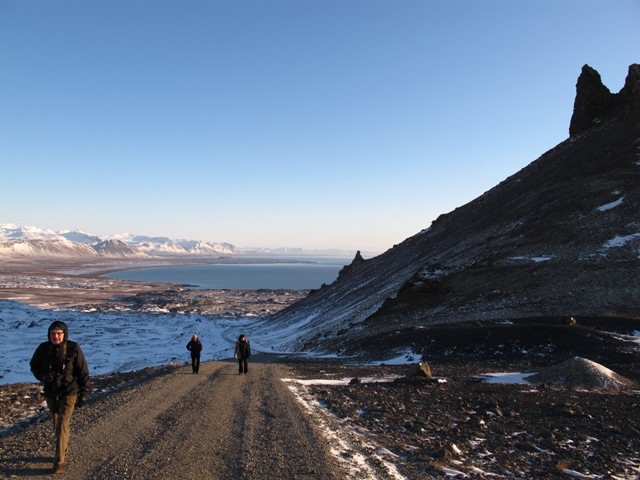
 FIRE AND ICE: The smaller volcanoes below Snaefellsjokull in western Iceland with winter snow and the the lava fields that coagulated on their way down to the Atlantic ocean
It was a geography teacher’s dream: to fly from near the Arctic Circle to its antipode in the southern hemisphere when one is in the throes of deep winter and the other is in the full glare of mid-summer. Always wanted to go from the North Pole to the South Pole (as it were) at one go, and a recent back-to-back lecture tour allowed me to fly from Kathmandu to New Zealand via Rekjavik.
Even before the plane starts making its descent into Keflavik airport, you realise that instead of Iceland, this country should be called Lavaland. It is Greenland should have been called Iceland. And as soon as you step out of the airport, you are greeted by the smell of rotten eggs: the sulphur dioxide that is endlessly seeping out of vents on the island’s surface. That smell never leaves you, even the hotel shower spews hot sulphurous waters normally found in spas. At the famous outdoor Blue Lagoon hot spring near the airport, you can soak yourself the healing waters at 37 Celsius while the outside temperature is -5, a bit like the Tatopani on the banks of the Tila in Jumla. The word “geyzer” and “saga” have come to the English language from Icelandic.
All this is because Iceland was formed along a hotspot along the mid-Atlantic ridge, the 8,000 km S-shaped crack on the earth’s surface where the American and Eurasian tectonic plates are sliding apart. 2010 was a bad year for Iceland, it suffered from the aftershocks of the banking crisis and then the eruption of Eyjafjallajokull which closed down European air traffic for weeks. But Icelanders are practical folk, and have cashed in on the volcano by making souvenirs from the volcano ash. They have also made prudent use of the magma frothing under their feet, and nearly all homes in the country are heated by hot water pumped from underground. All the electricity is either geothermal or hydro, and the country only depends on fossil fuels for transportation. Wish Nepal’s planners had the common sense and foresight to harness the boundless energy flowing down from the mountains.
Icelanders are a hardy, unconventional lot (they are the longest-living humans on the planet). The first settler in 865, Viking Hrafna-Floki, totally underestimated the first harsh winter and lost all his livestock. He sailed back to Norway in disgust, naming the island Iceland. Centuries later, his descendants also underestimated the vagaries of the global financial system and had all their assets wiped out. The other famous Icelander, of course, is Bjork (her surname is Guðmundsdóttir and like all Icelandic women her name ends in ‘dottir’) with her distinctively unique voice and song compositions. The current prime minister, Johanna Siguradottir, has become the first Icelander to marry a person of the same sex under a new marital law. The new mayor of Rekjavik, Jon Gnarr, is a stand-up comedian who forewarned his voters he would break all his election promises if elected. He drives around Rekjavik in an electric car and when asked by a reporter what he liked about the Internet, he replied: “Porn.”
My friend Anil Thapa is with the computer department at the University of Iceland and is actively involved with Help-Nepal, regularly runs marathons to raise money for charities in Nepal. There are a couple of dozen other families, mostly from Kaski, who work as guides for rafting companies in the summer and work in bakeries through the winter, and are well regarded for their diligence and integrity.
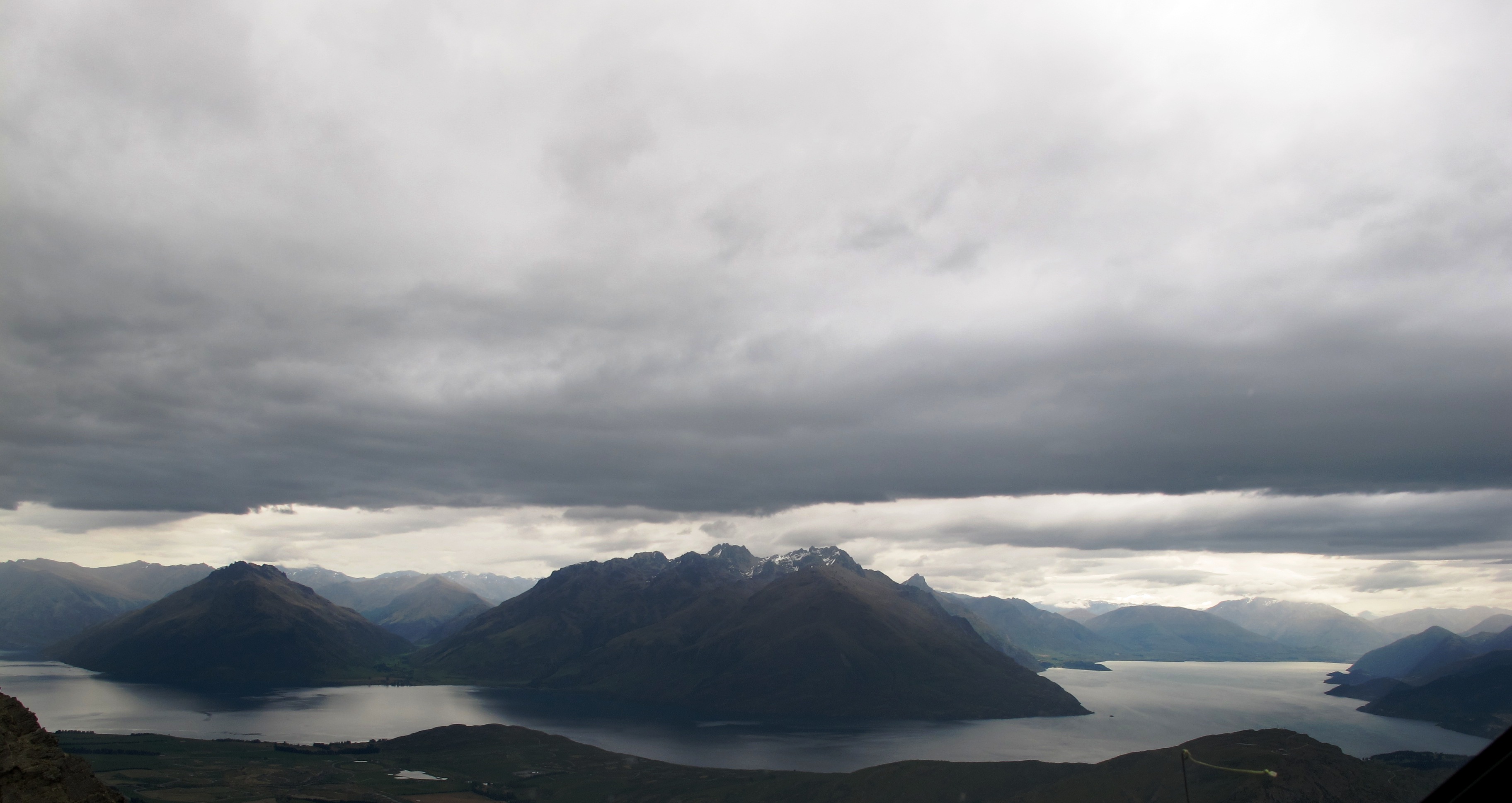
It took a full 24 hours sitting inside a plane, flying with the rotation of the earth to travel Rekjavik-Oslo-Bangkok-Auckland and on to Queenstown in the south of New Zealand’s South Island. If you haven’t done a crazy flight like that, take my advice: don’t. Landing at Queenstown, I was a walking zombie and a prime candidate for deep vein thrombosis.