
This is the 98th episodes of Diaspora Diaries, a Nepali Times series in collaboration with Migration Lab providing a platform to share experiences of living, working and studying abroad.
I was born in Gorkha to a farming family. My brother and I went to a nearby school where I was an average student.
On weekends, neighbours took turns to work on each others' land in a traditional ‘parma’ system. Most young men joined the military, others went abroad. They were trying to escape being forced to join the Maoist militia.
Those who went overseas would at first tell us not to migrate because of the hardships they faced. But later, as they adjusted to the work and started sending money home, they encouraged us to leave as well.
I got a job in Qatar, but lasted only two months. I was promised an office job, but was placed in outdoor construction. I quit, and ran out of money. I spent days just eating yoghurt.
Four of us decided to return to Nepal, where the recruiting agency refused to return the Rs90,000 fee I had paid. They did agree to send me to another country, and I was off to Dubai.
But there too I got an outdoor job painting. Luckily, with my education I got office duties with the help of a fellow Nepali.
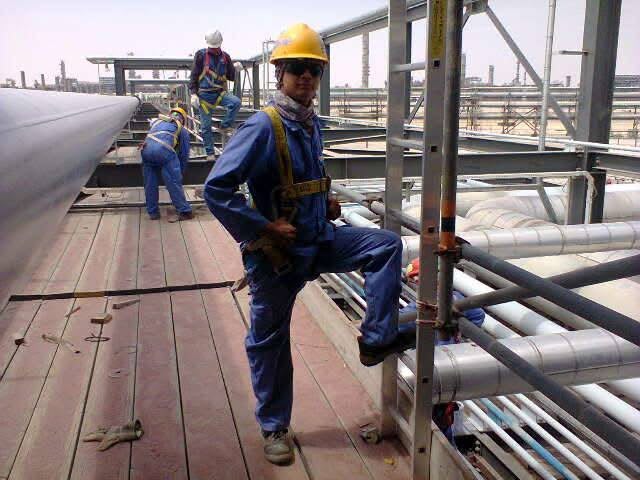
Outside or inside makes a big difference in the Gulf. The heat outdoors can reach 50 degrees, while air-conditioning makes it much easier indoor.
After the contract ended in 2015, I had decided to head home and get married. But two weeks before I was set to go back, the earthquake destroyed our home in Gorkha. Nepalis in Dubai got a day off to locate our family members and deal with the shock. I was relieved that my family was safe.
Back in Nepal, I settled down in Chitwan to start a dairy farm, but there were loans to repay, and I heard about an opportunity at Almarai in Saudi Arabia. We had heard good things about the dairy company where some people from my village also worked.
I wanted to get into dairy farming because that would also help me after I returned to Nepal. Trouble was, I got placed in the company’s poultry unit which I did not enjoy much. But as luck would have it, a bird flu closed down the poultry farm. I got transferred to the company's dairy.
As I discovered, raising cows in Nepal and Saudi Arabia are very different propositions. Everything is mechanised there, and we did not have to worry about sales. In Nepal, even keeping 4-5 cows was a lot of work, feeding them and taking them out to graze. But in Saudi Arabia, just 20 of us were in charge of thousands of cattle.
SOFT CORNER
Everything was automated, including milking cows, and the harder you worked the more you earned. Cows have their own personality, and some are friendlier than others. I had a favourite one, who responded to me. They don't have names, only tags, and hers was 375. I had a soft corner for her.
When they got sick, we took care of the calves, we fed them. They become like your children. When one of them died, it would ruin our day. Both because you lost a calf you were attached to, but also for religious reasons as we regard them as sacred.
With my earnings in Dubai, I repaid my loans. I made good friends there from various countries in the work camp which had its own shops and facilities.
Since I had a laptop, co-workers used it to type out their CVs to apply to New Zealand. So I also applied, was interviewed through Skype and was accepted. A laptop is a good thing to have.
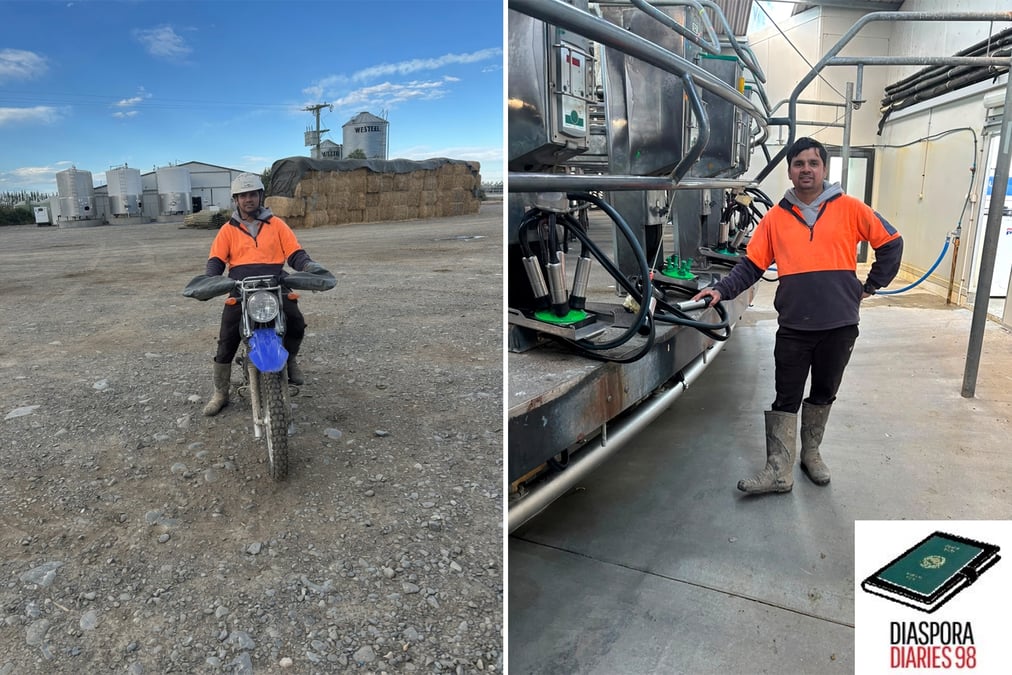
I had never heard of New Zealand. At first I thought it was the Netherlands. The major attraction was that I could take my family with me. English in New Zealand is a whole new dialect. I had forgotten the little English I had, and it took some time to get used to the Kiwi accent.
Livestock farming in New Zealand was also different from Saudi Arabia. Here, everything is natural : fresh water, grass, and the cows are smaller. There are 800 cattle and they grazed in open pasture, just like in Nepal. There were just five of us, including three Nepalis, taking care of them.
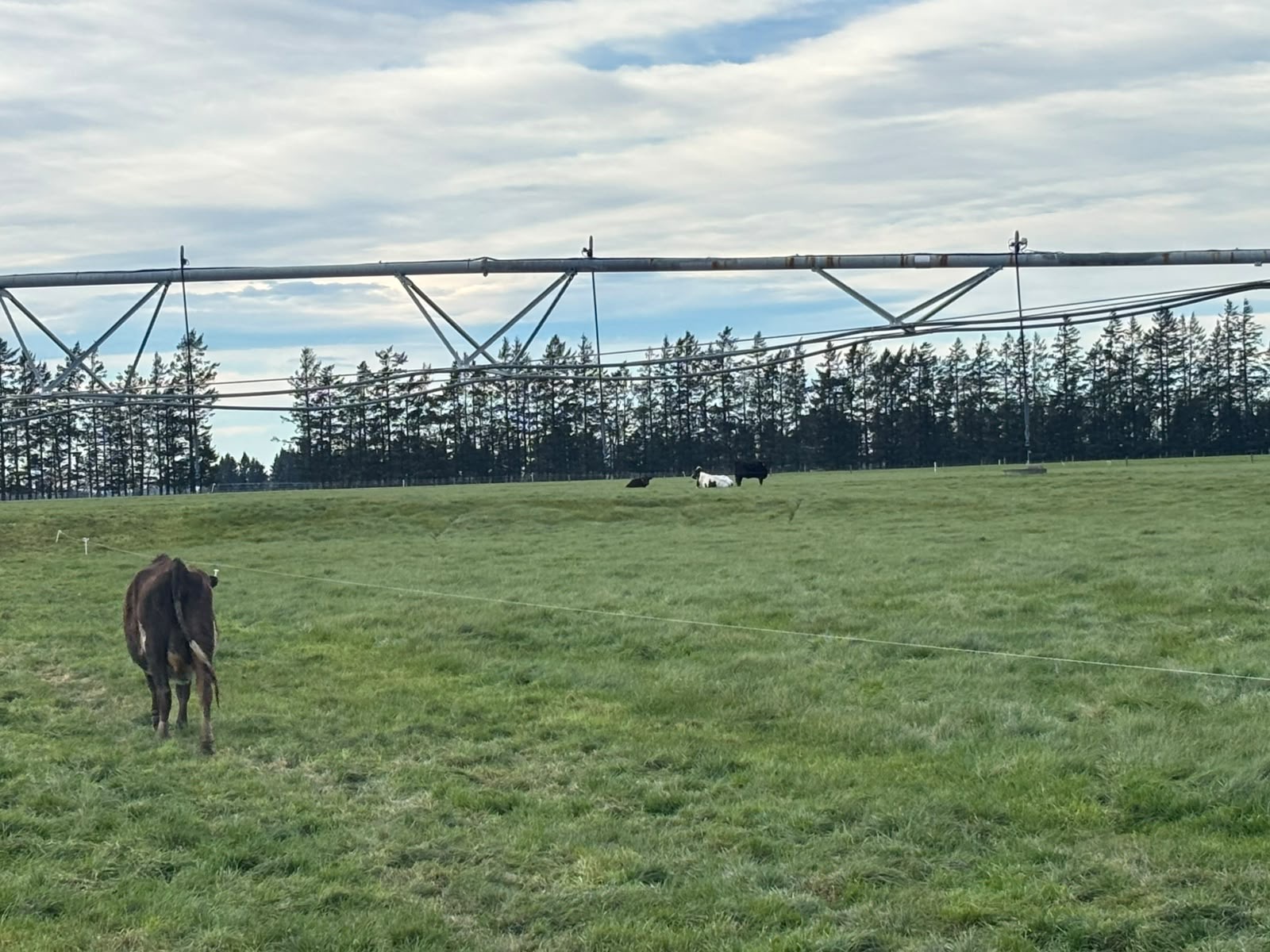
The salary is higher, education is free for my children, and there is a lively Nepali community. My eldest now speaks with the New Zealand twang, and I have to ask her to repeat what she is saying, although in the family we try to speak Nepali.
I also still struggle to understand my boss’ English. For example, he once left me a text message saying: ‘Do it in the arvo.’ I had no idea what ‘arvo’ meant, I had to google it to find out it was slang for ‘afternoon’.
I am proud of what I have achieved. I starting from nothing, and now have a house in New Zealand. I also want to eventually have my own dairy farm. It is an expensive dream, but thankfully the government here has a farmer soft loan program.
New Zealand’s greenery and mountains remind me so much of Nepal that it almost feels like home. It is mini Nepal here, but I still miss my motherland, where I was raised, where I walked to school as a young boy.
Nepal is far away, and tickets are expensive to come and go as frequently as I would like for family reunions after my father passed away.
After Saudi Arabia, my plan was to start my own dairy farm in Chitwan. But that was not to be. Life had a different plan for me.