
|
|
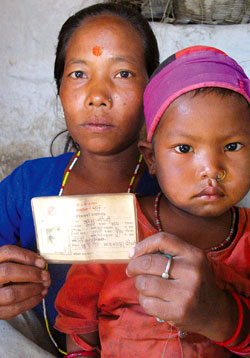
Human rights defenders in Nepal have documented case after case of serious breaches of human rights and humanitarian law. The state and insurgents have encroached on non-derogable rights, and victims and their families are seeking justice.
The task after Jana Andolan II is dealing with impunity, or 'getting away with it'. Transitional justice, as part of a major political transformation, helps exorcise legacies of human rights abuse, mass atrocity, and other forms of severe social trauma, such as civil war.
The process could take many forms, such as creating a high-level commission to investigate and establish of as complete a picture as possible of the nature, causes, and extent of rights violations during the conflict period. For reconciliation and restructuring, victims need an opportunity to relate to the violations they suffered, and should be able to expect reparations and restored human and civil dignity.
Judicial and non-judicial strategies include prosecuting perpetrators, establishing a truth commission or investigation into the past, efforts toward reconciliation, and reparations packages for those most affected by violence or abuse. Abusive state institutions (security services, police, or military) need to be reformed to prevent future violations. New policies of justice must come with support from victims and the public, and consultation with civil society.
Often, government officials grant amnesty to individuals responsible for rights violations, saying their actions were inevitable while 'maintaining law and order'. Amnesty is assumed to help a stable transition from conflict to peace, but often has a boomerang effect on securing lasting peace and respect for human rights. Countries like South Africa, Peru, and Morocco have undertaken the complex task of restorative justice, showing that it is not necessary to choose between peace and justice. There is no one-size-fits-all solution for unique historical experiences.