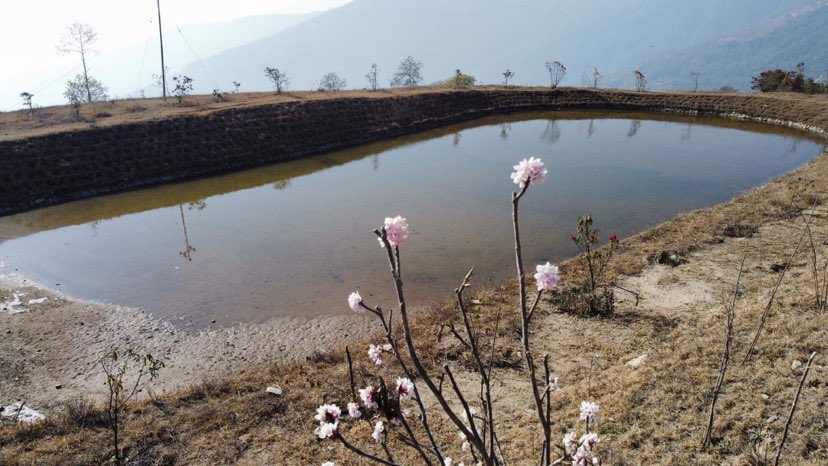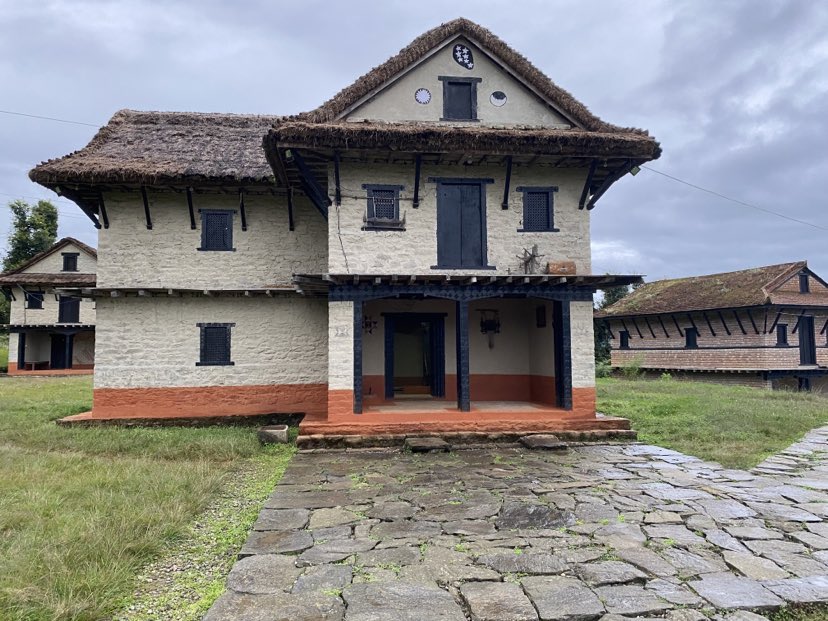
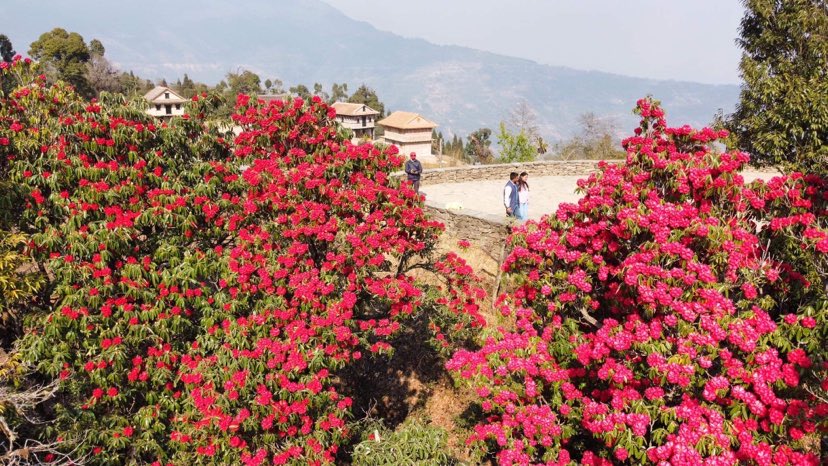
True to its location in Terathum’s Laligurans Municipality is a protected ridgeline that will soon be abloom with rhododendron in dozens of colours and shades of Nepal’s national flower.
The Cholung Park is now a tourist destination as mobile wielding youth travel long distances to do video and selfies in the peak flowering season in March. The park is also a centre to document the history and culture of the indigenous Limbu community of eastern Nepal.
Lung in the local language are the mysterious stone pillars that emerge from the ground in abundance across the Yakthung Pangbhe (Limbu villages) in the eastern Himalaya much like smaller versions of the moai in Rapa Nui (Easter Island).
The lung are believed to be erected as gravestones, to perform traditional rites, as well as to address border and clan disputes, and there are thousands of them scattered undocumented across the mountains.
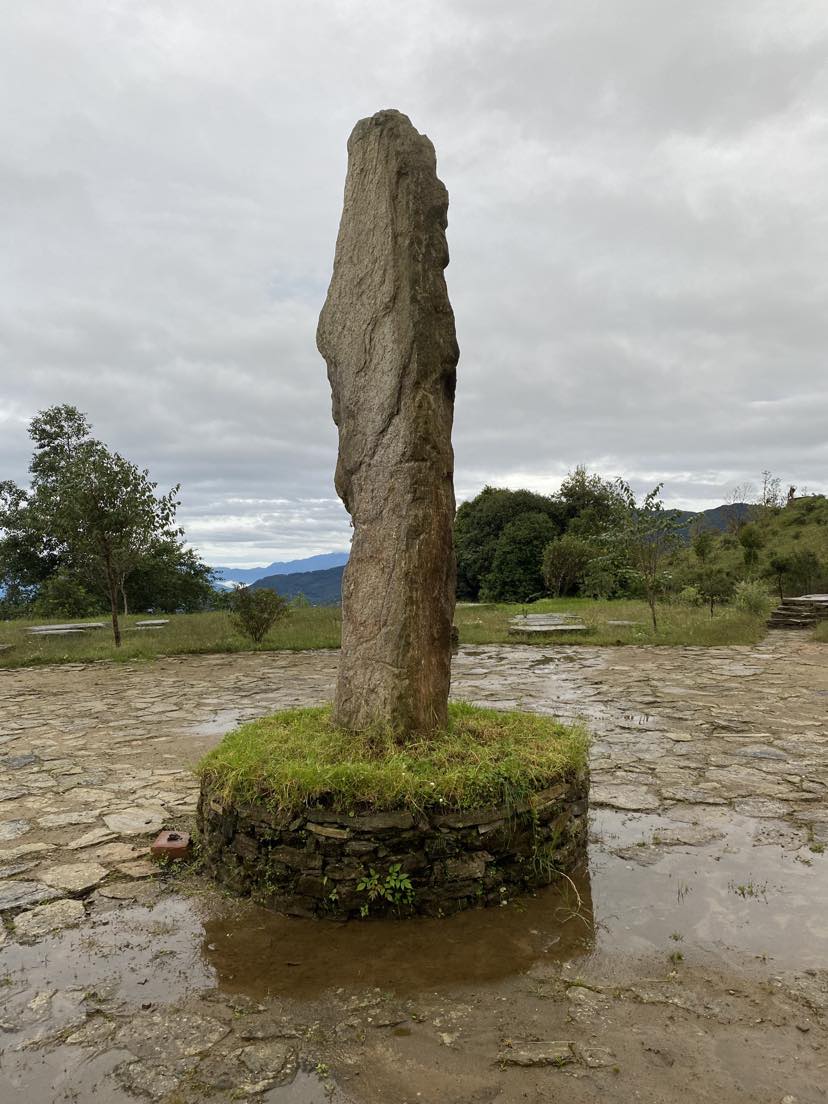
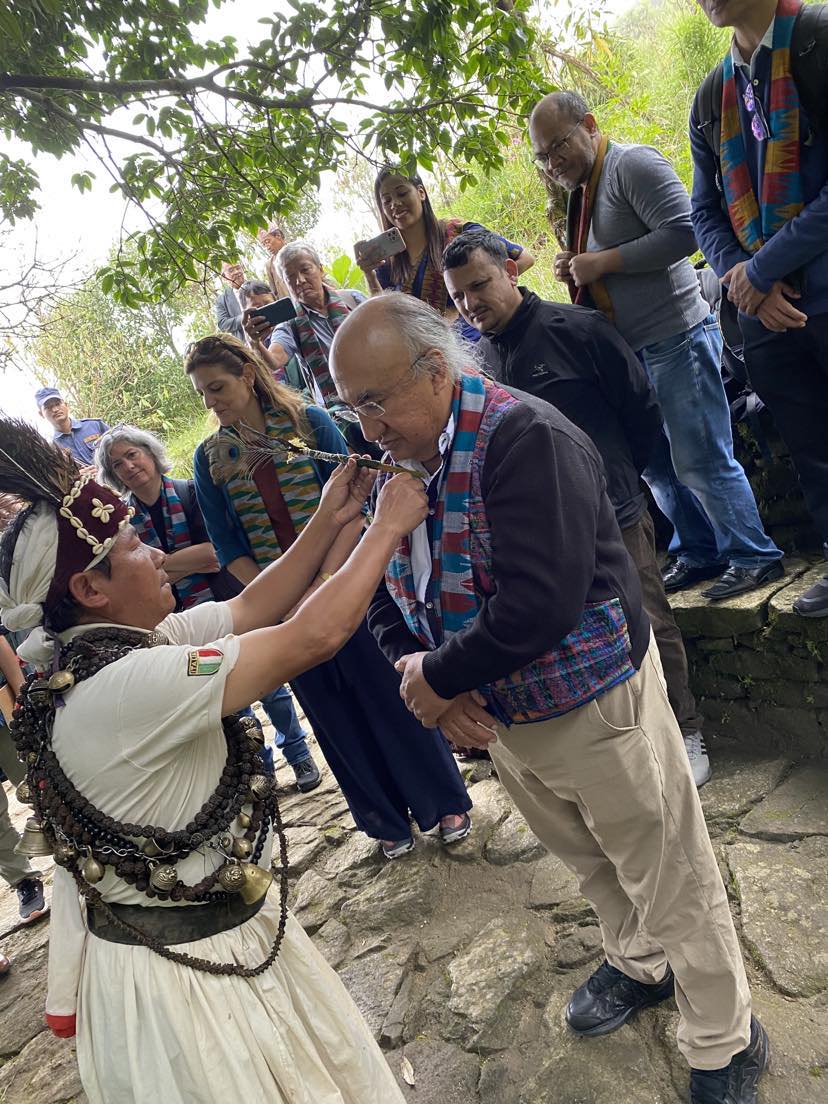
The Limbu believe that the spirit of their ancestors resides in the lung, in the soil, mountains, caves, water bodies, plants and animals. The community holds nature as sacred, believing it to be the key to health, prosperity, and mercy.
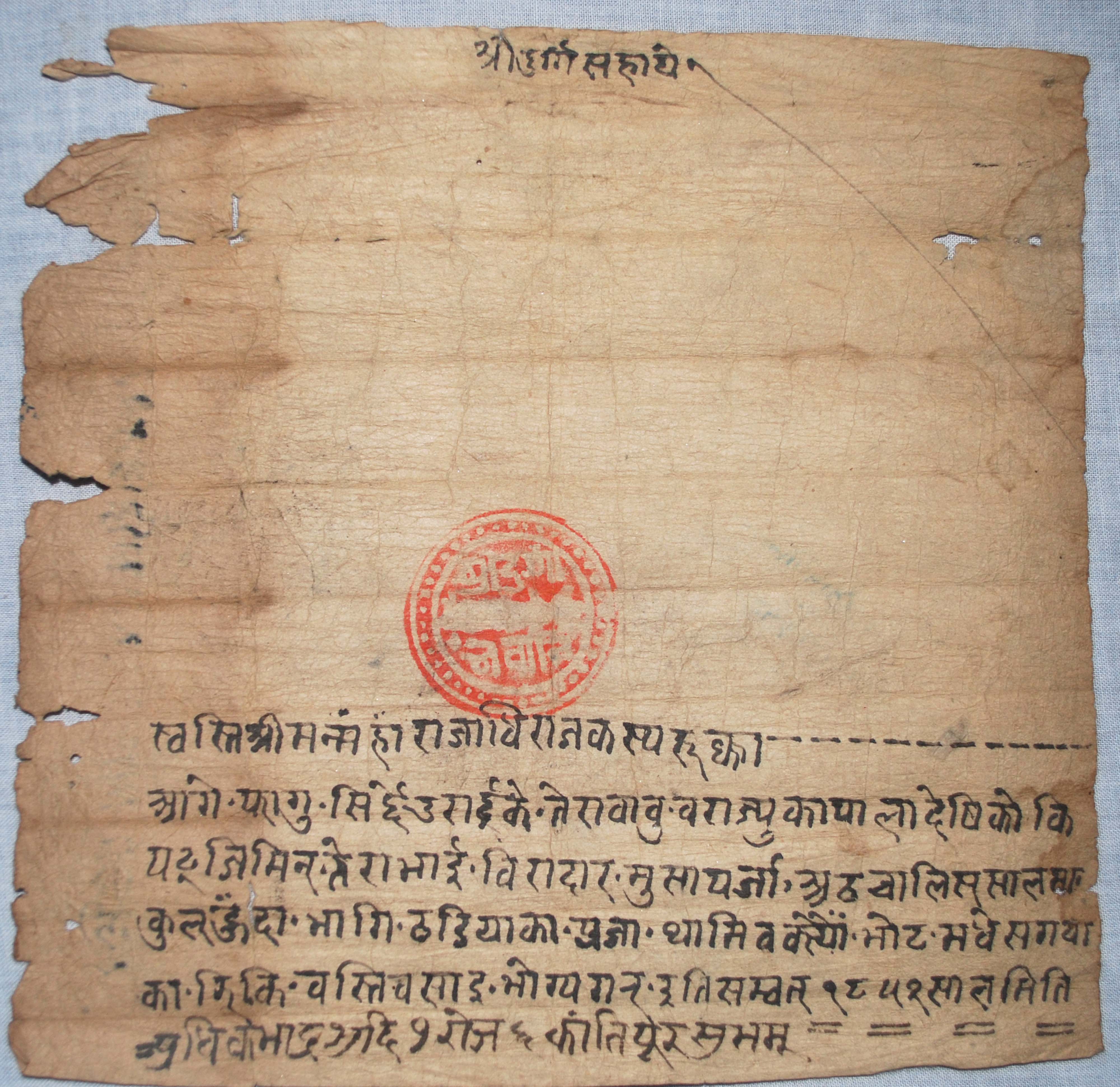
The Mundhum cultural belief system of the Limbu is the basis of the existence of Cholung Park. The scholar Sirijanga Sing Thebe Limbu, who taught Limbu script, and religion, is credited with the revival and reach of Mundhum. The 18th century educator and historian believed that he was descended from yakthung, the son of the earth.
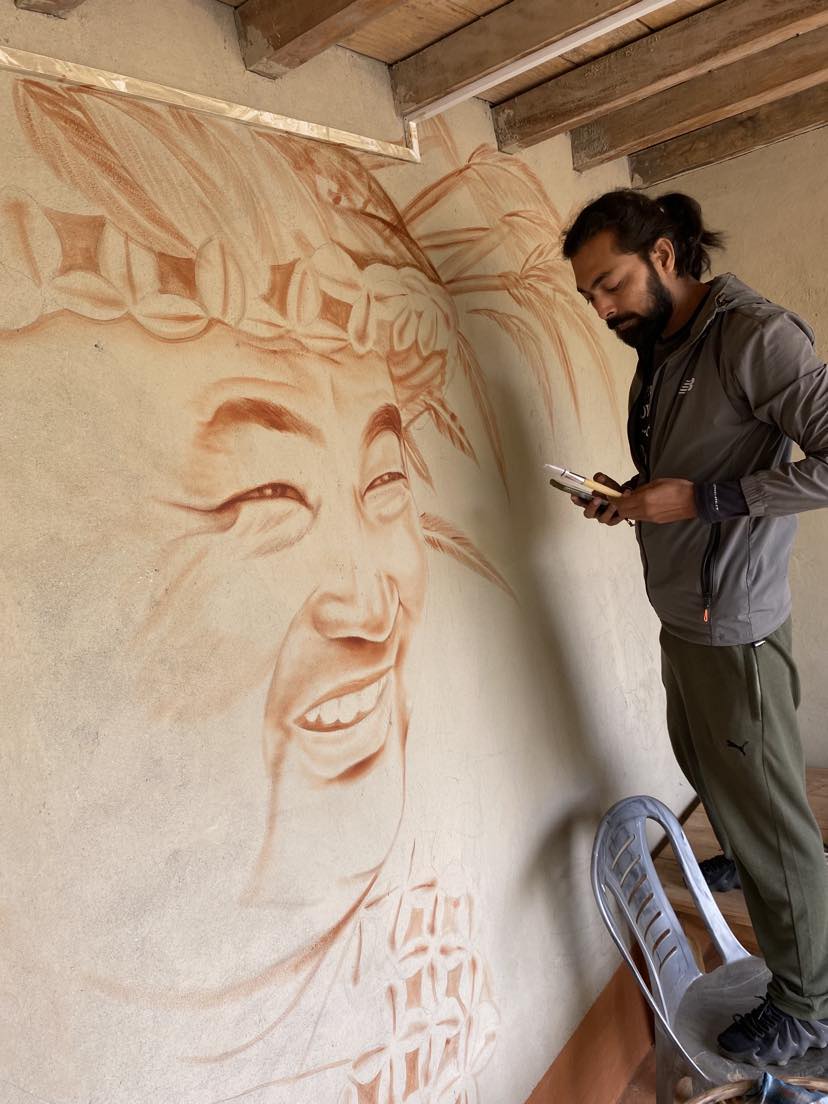
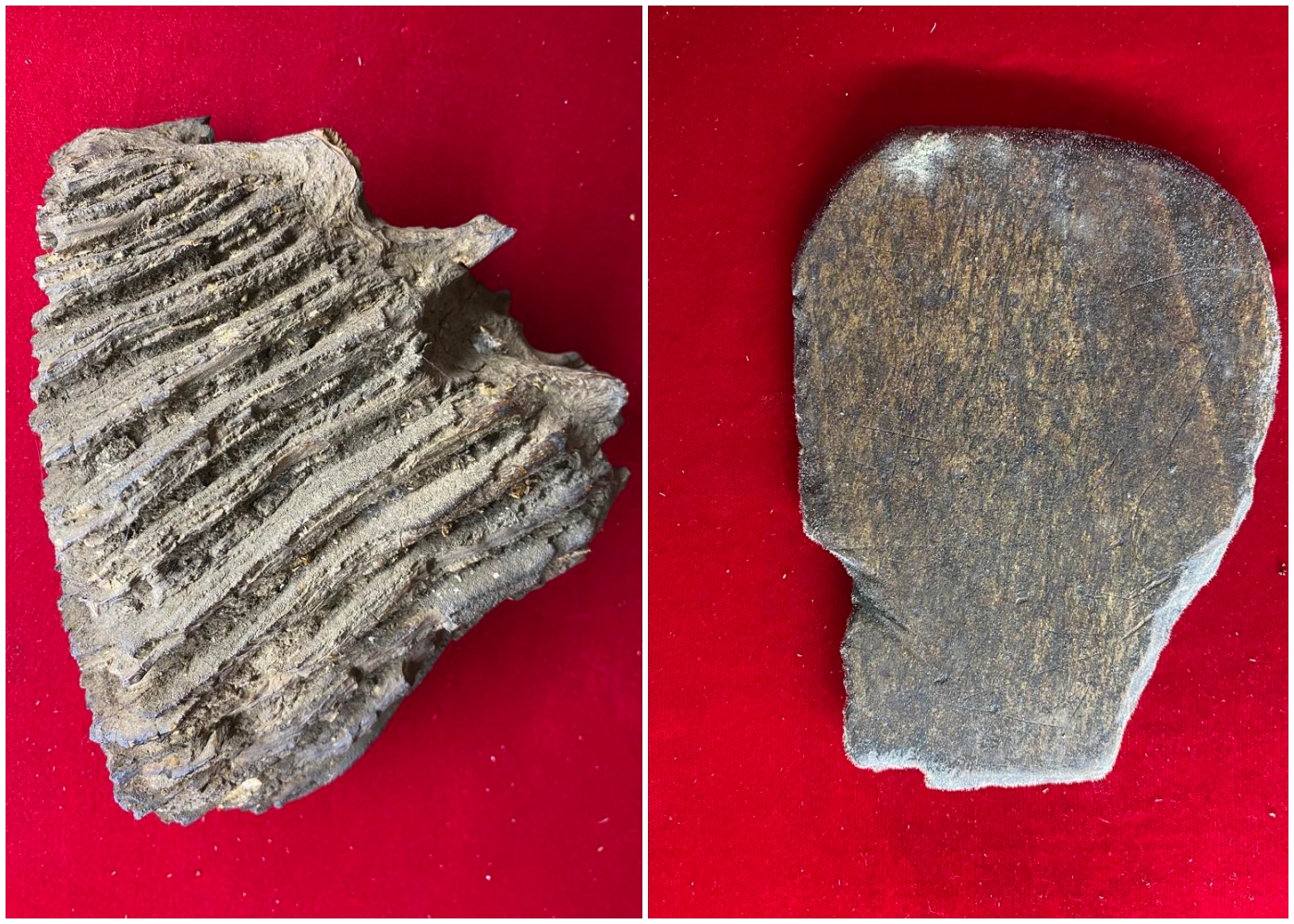
Yuma, the principal deity of the Limbu community, is regarded as the mother of the universe, and the mother of yakthung. Yuma, who liked to weave, is said to have set up a loom on a stone pillar by the side of a river. Parts of that very loom, like the thakkuri, juwa, its yoke, and the water pump, are all on display at the Park, thought to have been left there by the goddess.
Visitors can also see stone scales, called pasanga, in the park. During a marriage ceremony, performed by Limbu shaman, the bride and groom are placed on either side of the scale. They can only marry when the scale is balanced, or if they are equal in age.
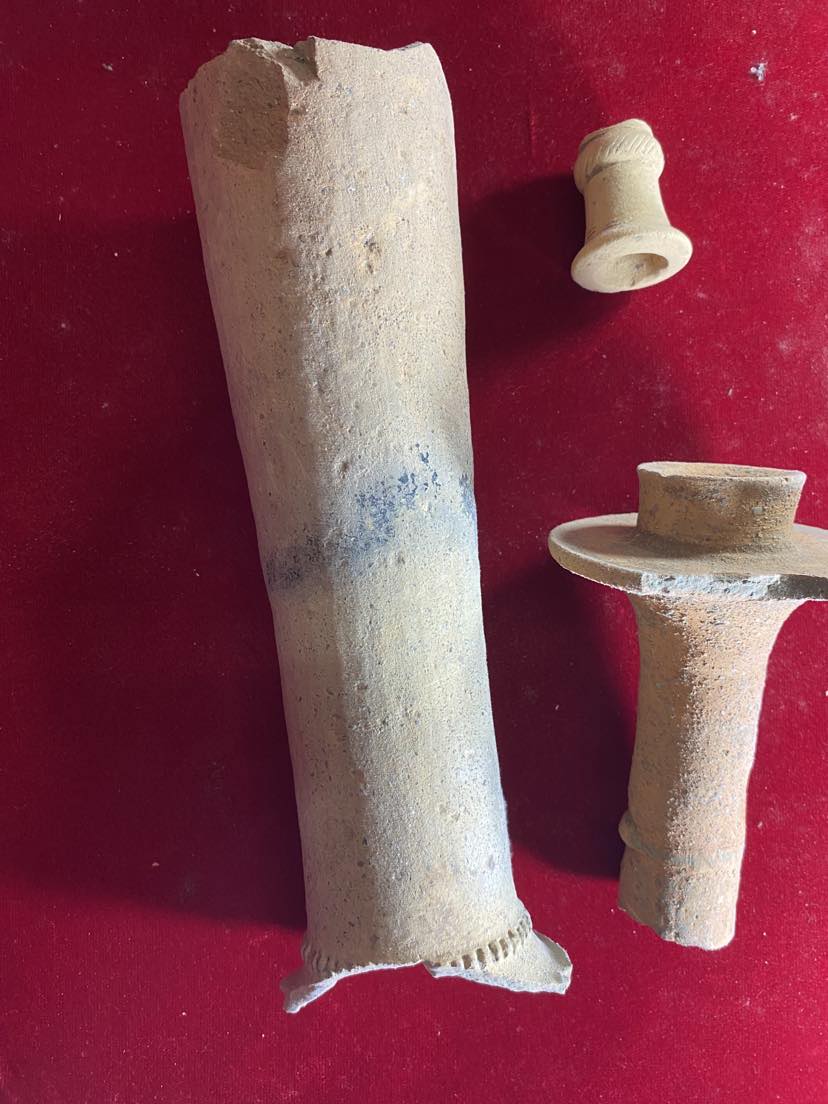
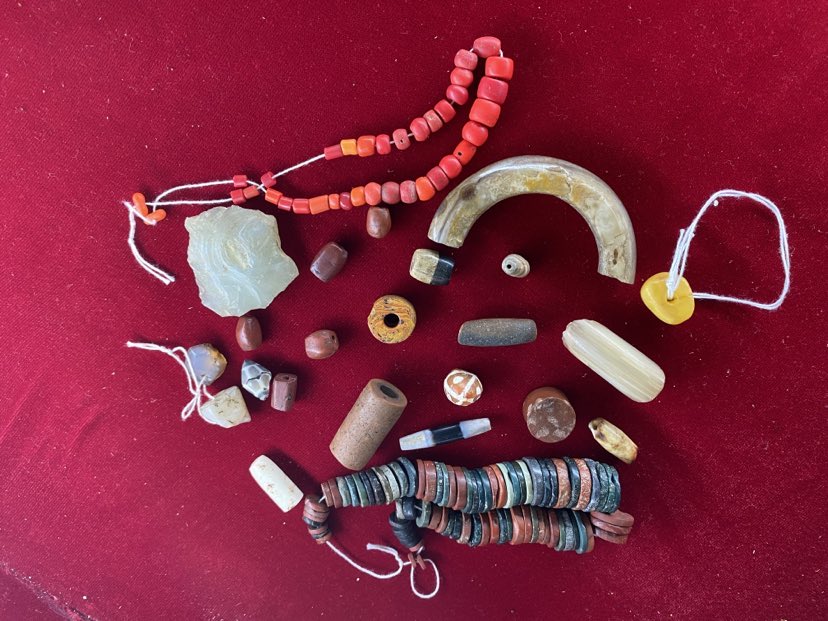
To balance the scales, a khukuri is placed on the groom’s side, while clay ornaments are placed on the bride’s side. Also on display are sacred stone pots and tree trunks filled with water. In the event of a divorce between spouses, an assembly that includes elders announces the separation of the couple after sprinkling the wife with sacred water.
The park is also a model for ecological conservation. More than 150 species of plants and herbs have been planted, including bikhma (Aconitum palmatum), and jatamasi (Nardostachys jatamansi). Additionally, 20 out of the 28 rhododendron species found in Nepal are right here.