T he Kim-Trump Singapore summit this week is ‘historic’ in more ways than one. Besides a formal end of the war and denuclearisation of the Korean peninsula, it throws into sharp focus what kind of place North Korea is. And what the United States of America has become.
We don’t have to say much about the Trump regime, just read the POTUS tweets to see how he has corroded a government of the people, for the people and by the people -- a nation that used to welcome the huddled masses yearning to be free.
We know much less about life inside the Democratic People’s Republic of Korea since the armistice 64 years ago. How and why did an anachronistic Stalinist state survive to this day? The deep scars of war and America’s role in the suffering allowed the Kim Dynasty to deflect the people’s attention to a permanent outside enemy. The competing interests of Japan, South Korea, China, Russia and the U.S. locked the geopolitics for decades.
Read also: Next Kim-Trump Summit in Lumbini?, Anil Chitrakar
The world doesn’t know much about the North Korea beyond impressive military parades, reports of famine and sibling rivalry leading to executions. Aside from a few tantalising glimpses from within the country, there is not much to go on.
When we arrived in Pyongyang on a flight from Beijing five years ago, there was a feeling of déjà vu: the austere terminal looked and felt like the old Kathmandu airport. Since there was no official to receive me, the police took my passport and were about to put me on the same flight back when my hosts showed up: a driver, translator and minder.
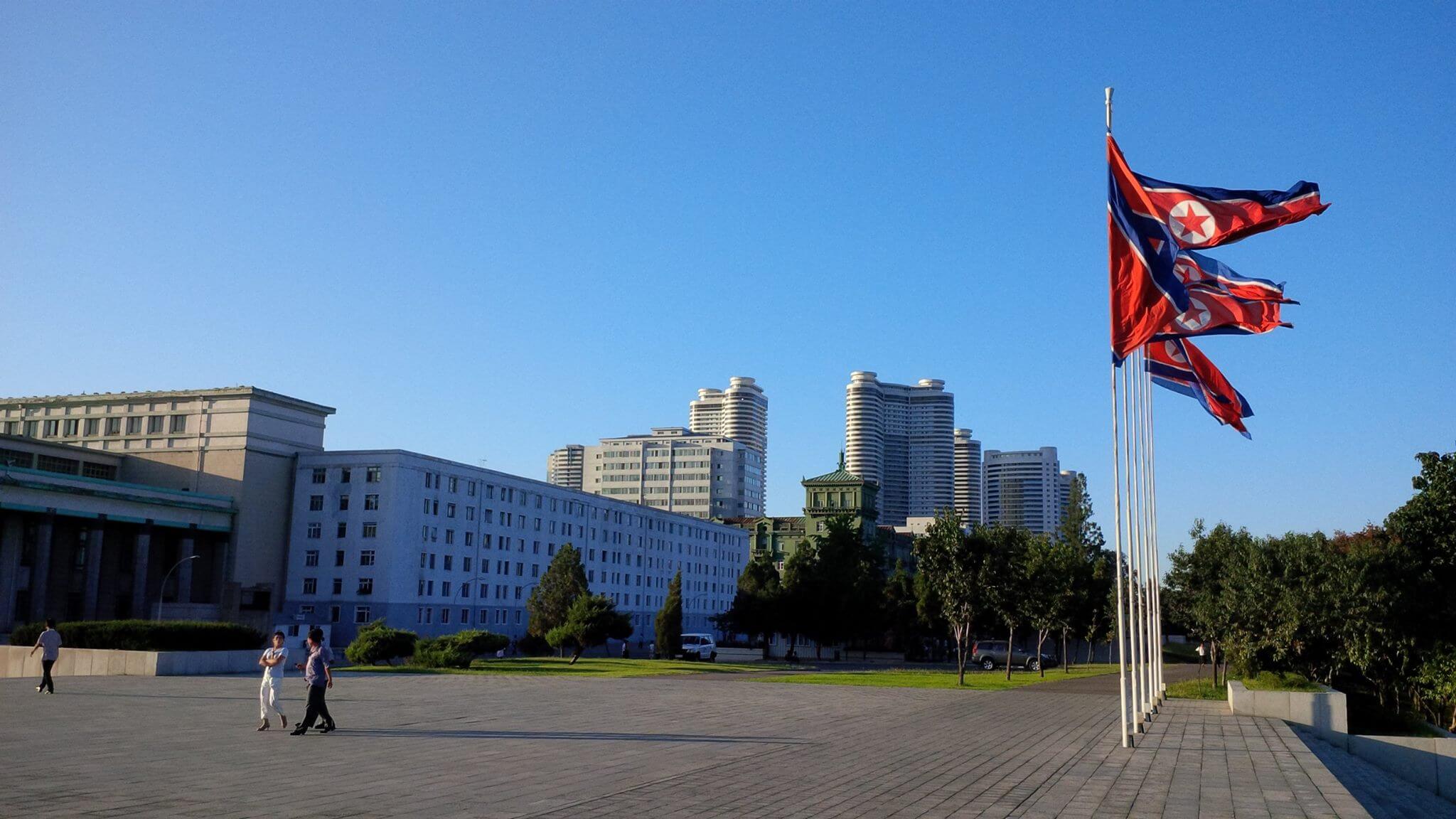
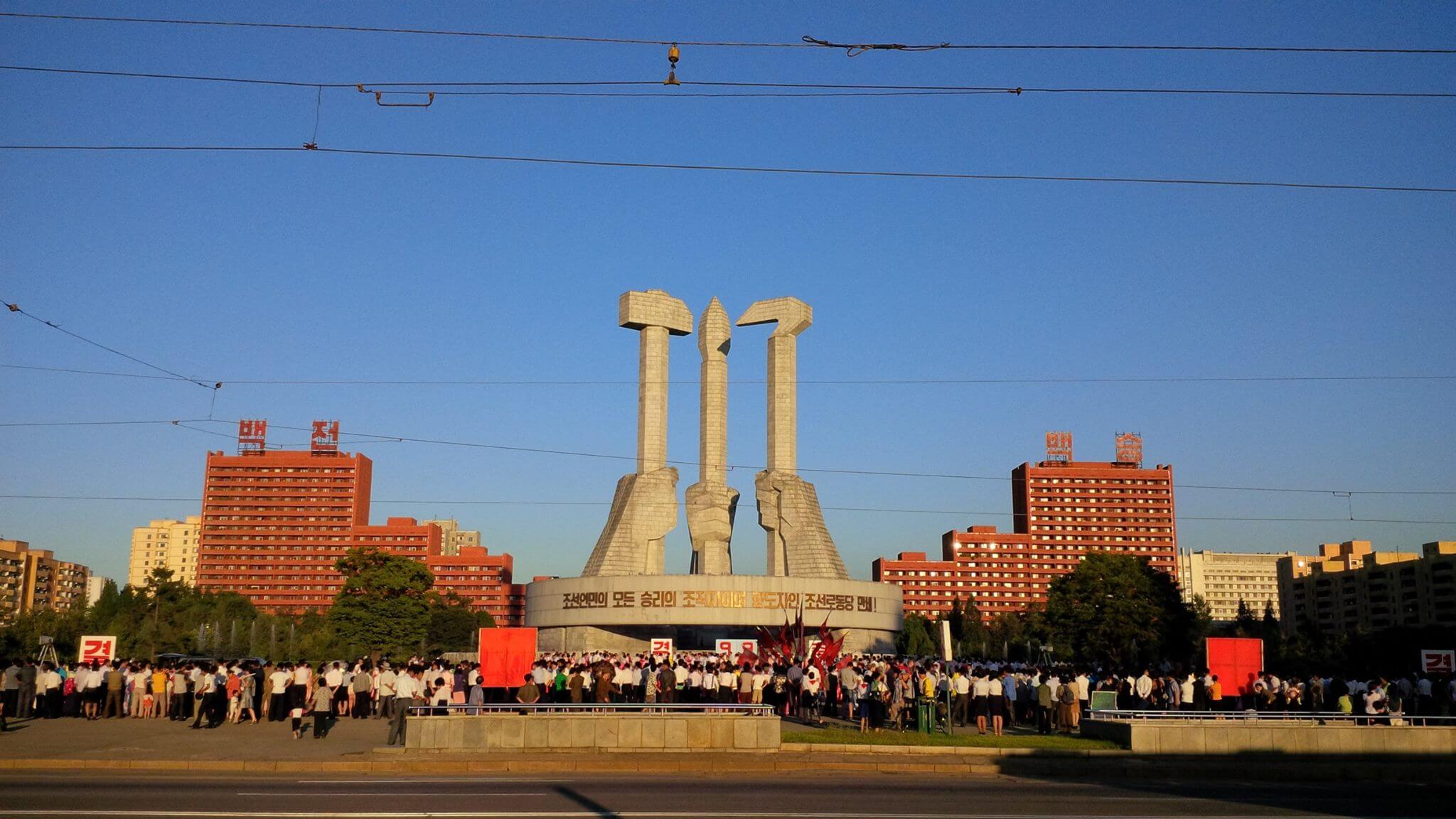
The mandatory first stop for all arriving visitors are the much-larger-than-life statues of The Great Leader and The Dear Leader, father and grandfather of president-for-life Kim Jong-un. Each bouquet of gladioli costs $5. Then it is to the Great Kim’s nativity site. In the car, driving along deserted streets and past empty high rises, we are reminded of the rules: no carrying local currency, no leaving the hotel unattended, no talking to people on the streets.
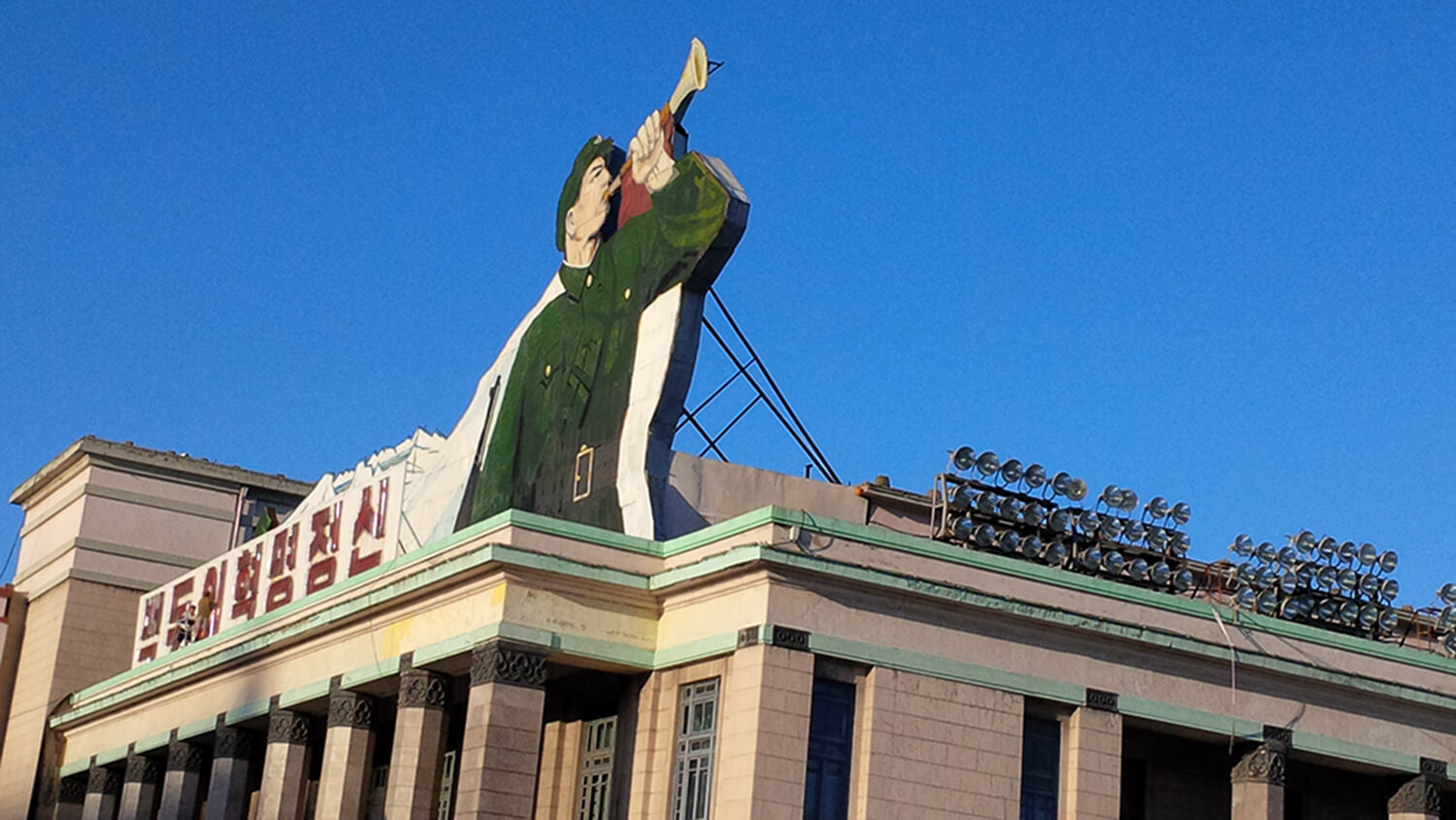
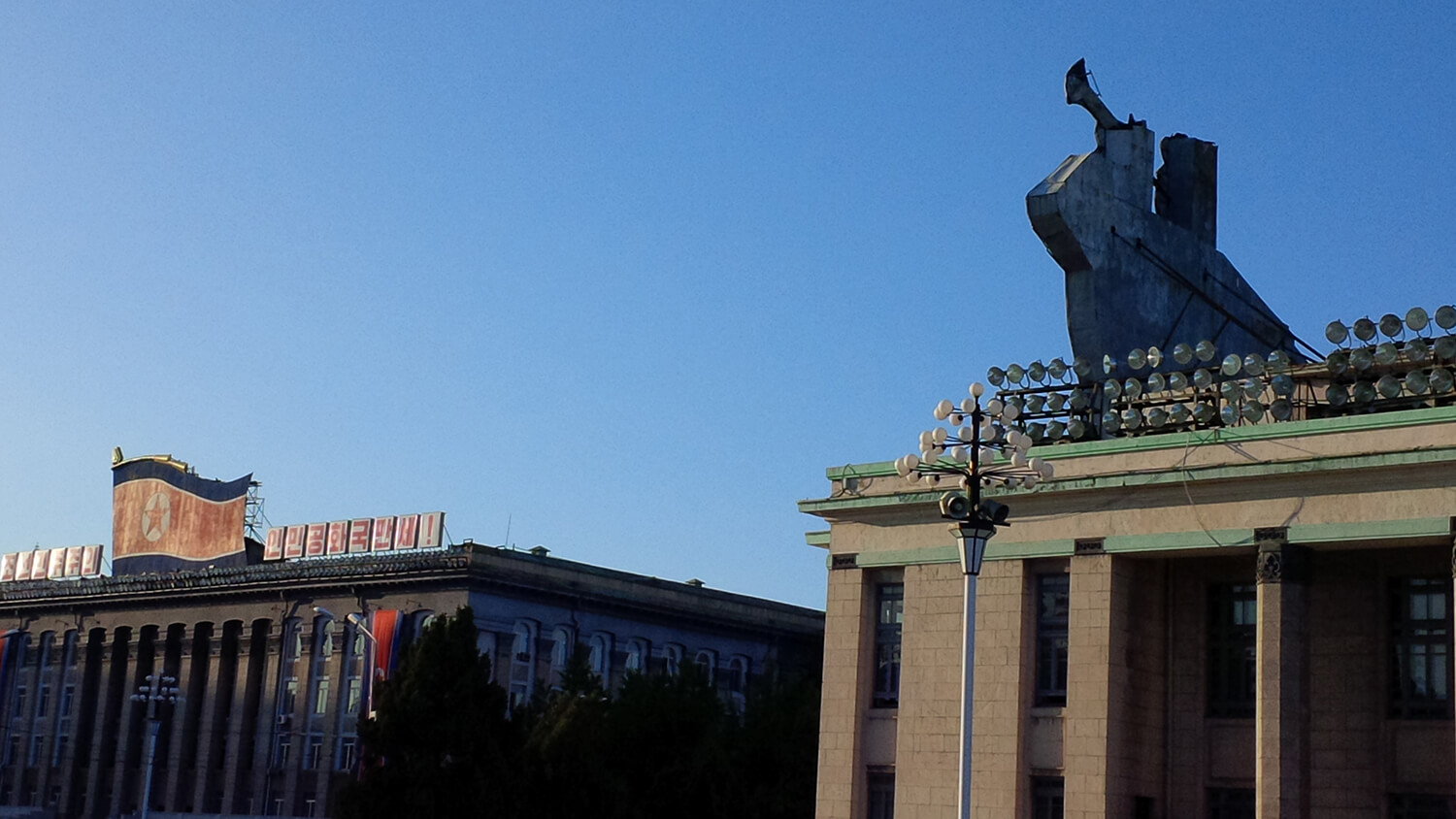
The apparatus of control look similar to the GDR while it was behind the Iron Curtain, but the degree of social engineering and fear in the DPRK today are much more palpable. Even so, just like no one could have predicted the fall of the Berlin Wall, dramatic changes may be afoot on the Korean Peninsula as well. Wonders never cease: the reclusive tyrant has meetings with South Korean President and former human rights activist Moon Jae-in at the DMZ, and now the Sentosa Summit on Tuesday with Trump.
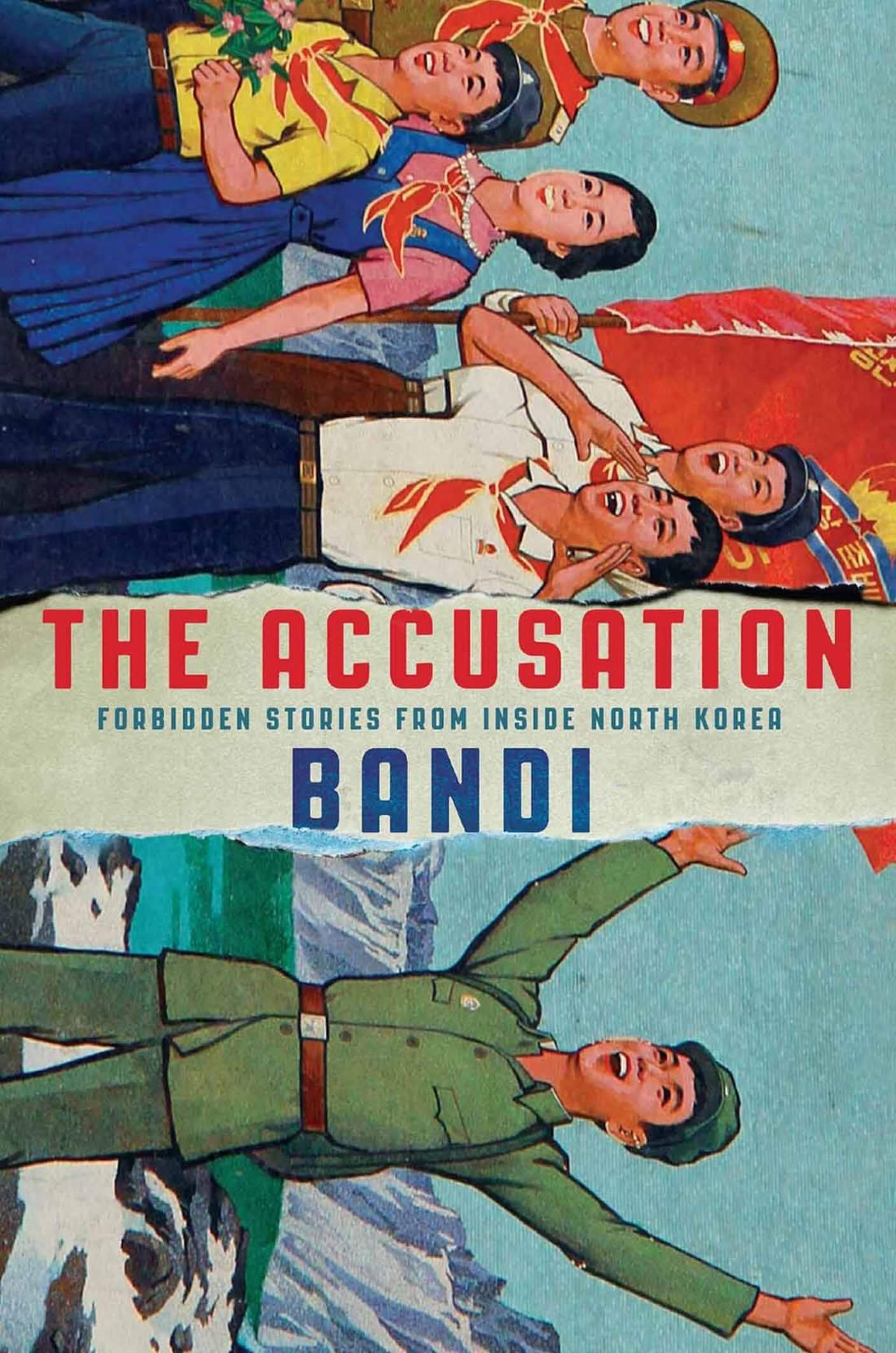
Cornered by sanctions, Kim knows his people cannot take it for much longer. He badly needs to put food on the table and goods in the shops, and has used nuclear blackmail effectively to attain that. But what has it been like for ordinary North Koreans to live for nearly three generations under totalitarianism?