Kamala Auji’s family moved from the mountains of Achham to the Kanchanpur plains in search of an easier life.
They bought a patch of farm and built a one-storey mud thatch house, and a smaller shed beside it.
Kamala her husband then left for India to work as labourers in Mumbai, earning enough to upgrade their little house into a concrete structure. When the house was finally ready in April, Kamala returned to the village to raise her children while her husband stayed behind in Mumbai.
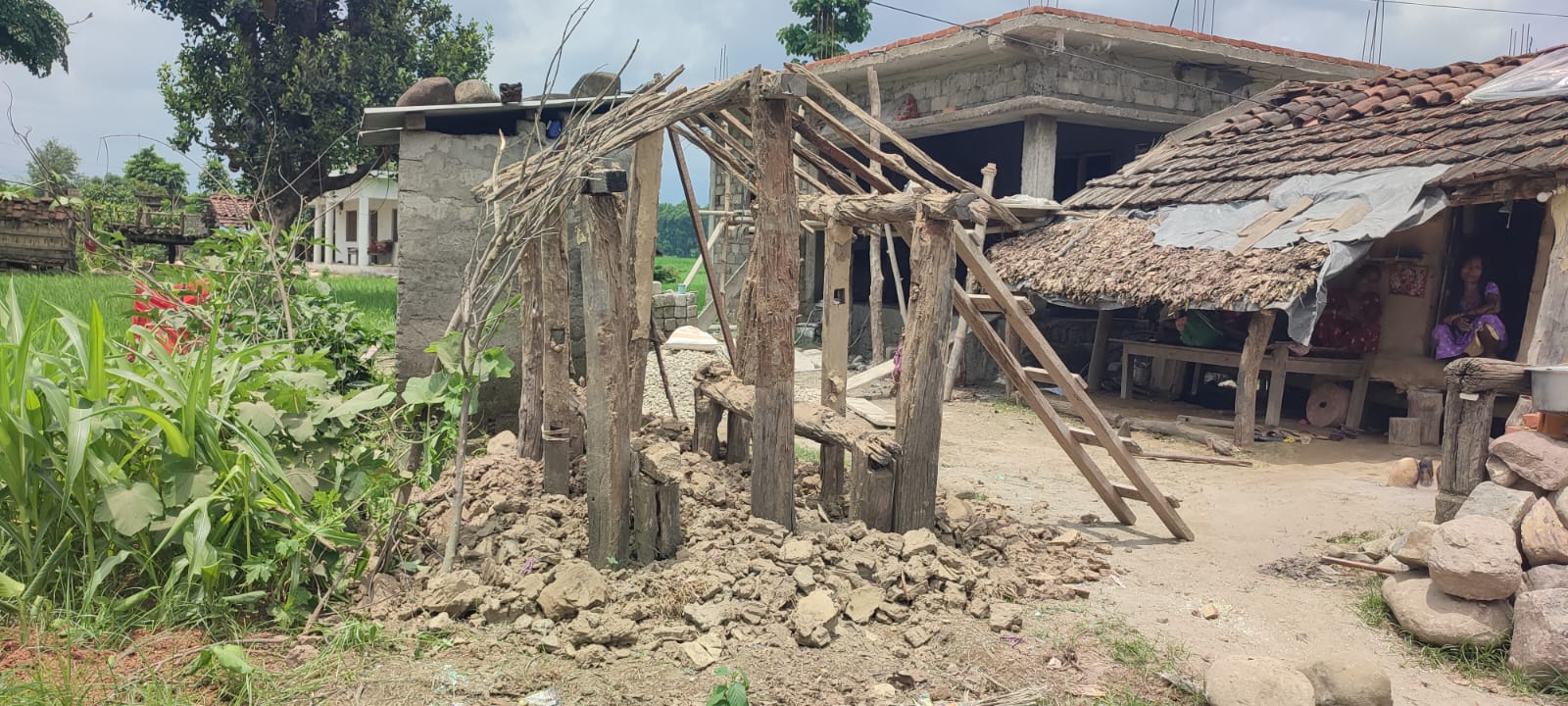
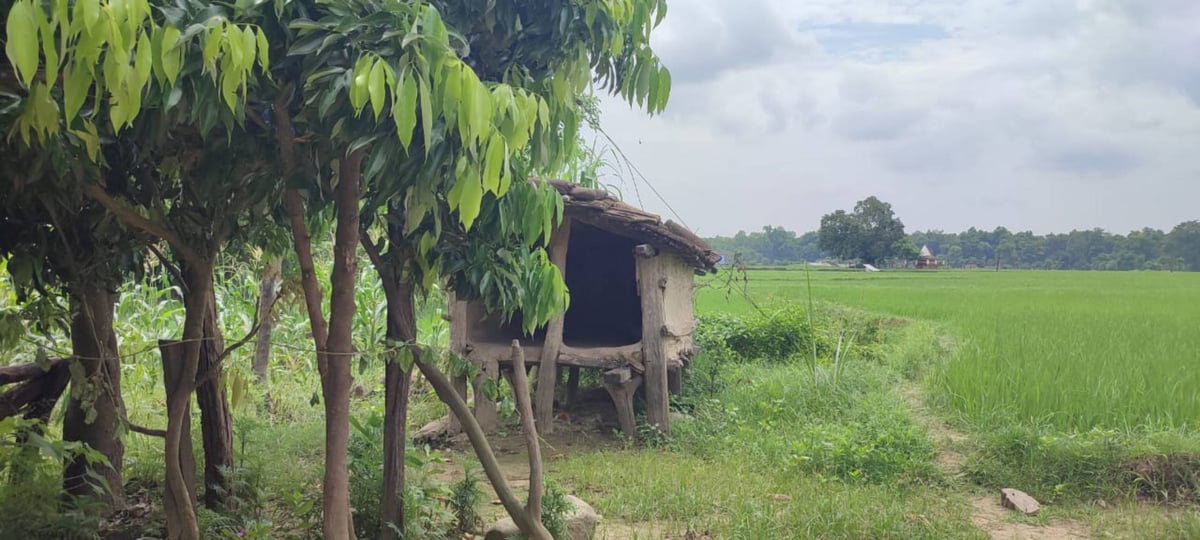
But despite the family having moved into a new house, the dingy shed was still there. This was the छाउ गोठ, the menstrual hut in which Kamala spent nights during her periods every month.
Despite laws against it, menstrual banishment is still practiced and it is proof that cultural mores take longer to eradicate. It has also followed people as they migrate from the mountains to the plains.
Kamala was spending a rainy night in the shed last month when its roof started leaking. She shifted to her relative’s menstrual hut next door where shortly after midnight she was bitten by a snake.
The family and neighbours rushed Kamala to the Seti Provincial Hospital, but Kamala died the next day in hospital at age 30.
“We did not have to practice chhaupadi when we were in Mumbai, but here in the village, we had no choice but to follow the custom,” says Kamala’s sister-in-law Ashmita. “Superstition took Kamala’s life.”
The majority of people in the plains of Kailali and Kanchanpur are from the indigenous Tharu community, where chhaupadi is not the norm. But as Nepalis move from the mountains to the plains, their traditions are also migrating south.
In spite of the government ban on the practice, and frequent campaigns to demolish chhaupadi sheds, there are 120 of such huts just in Ward 2 of Krishnapur Municipality alone.
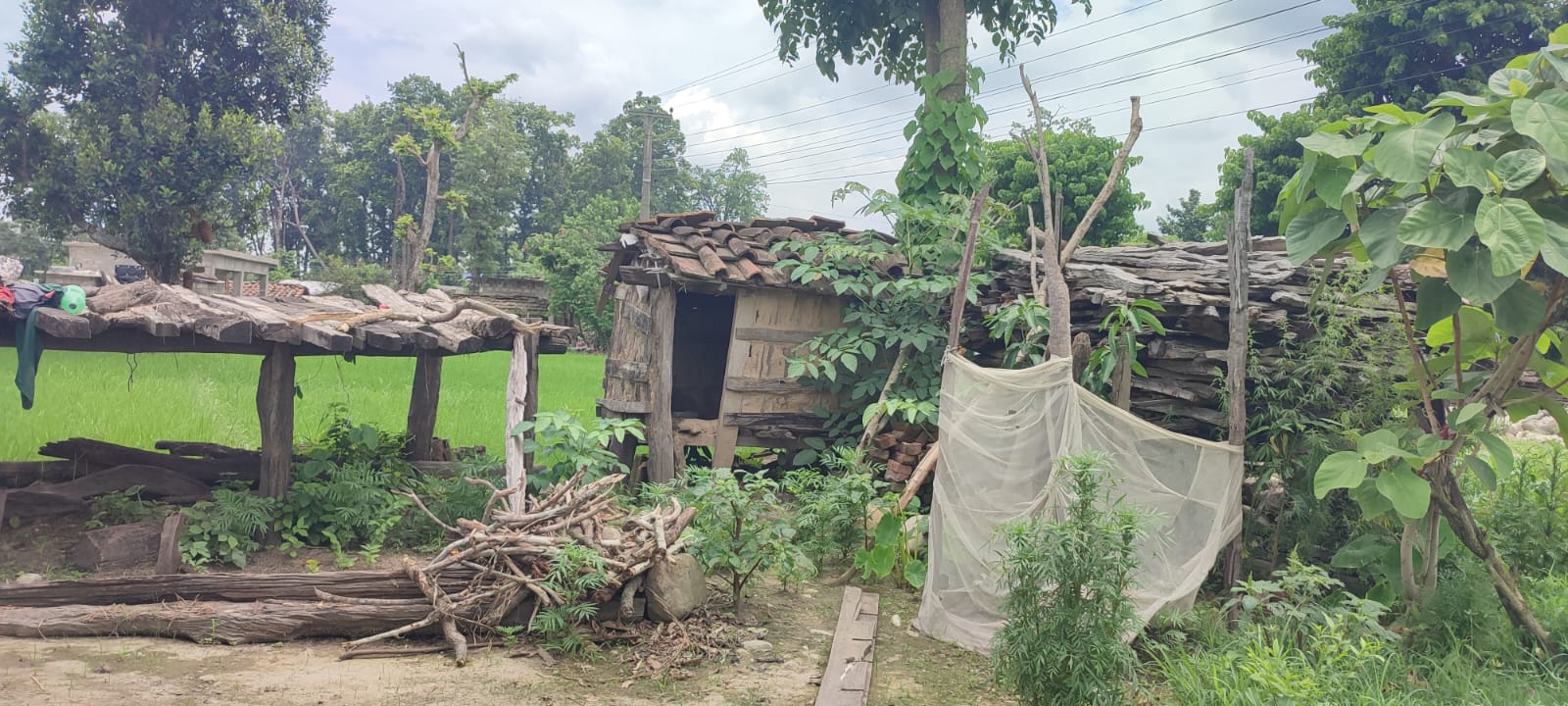
“Until some years ago, chhaupadi and menstrual huts were a problem in the hills that we would only hear about,” says ward chair Arjun Saud. “Now they are in our own backyard.”
Parbati Chaudhary was born and raised in Kailali and says women from her Tharu community never had to isolate themselves in the sheds while menstruating.
“We never practiced chhaupadi, but some of our sisters are following a practice that was never a part of our tradition,” says Chaudhary.
The Tharu had their own customs in which the eldest son and daughter-in-law would together be custodians of the main religious shrines. The daughters-in-law used to sleep in the temples even during menstruation.
But now some Tharu women have taken on the superstition of their neighbours from the mountains and avoid religious events while menstruating — believing that doing so will anger the gods.
The nights that women in rural western Nepal are forced to spend in menstrual sheds exposes them to risk of rape, robbery, fires and attacks by wild animals.
In January, a woman in Kailali was injured in a tiger attack as she slept inside a shed. Snakes are rampant during the monsoon in the Tarai.