
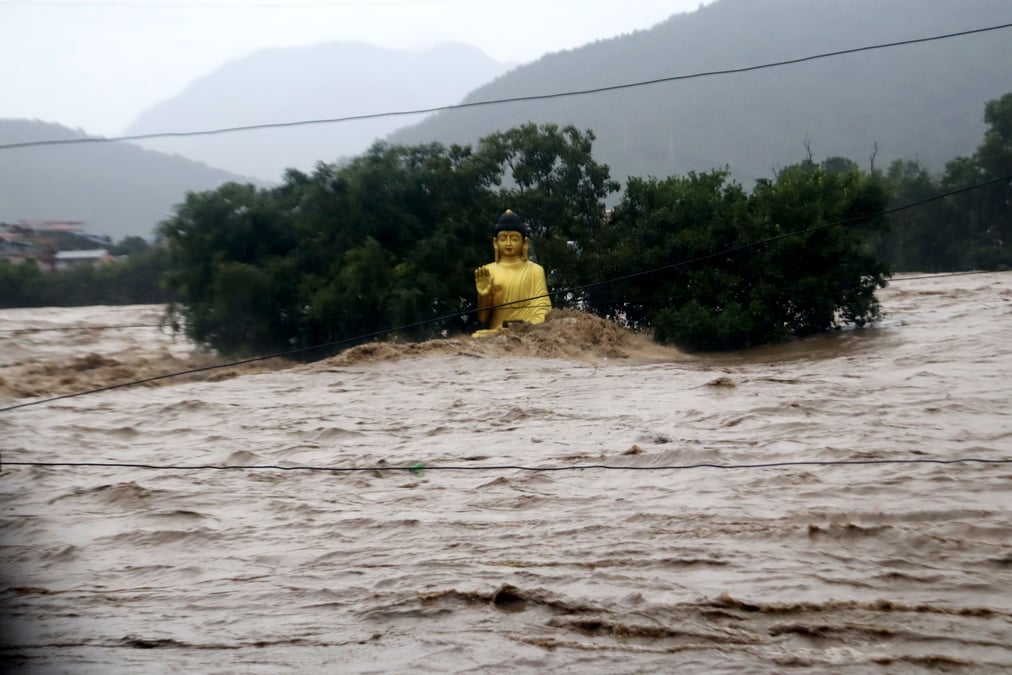
Peacebuilding, conflict prevention, and crime prevention are no longer niche security concerns—they are global imperatives for sustainable climate action. From the migration crisis in Venezuela to the deforestation-driven conflicts in the Amazon, to organised crime in Central America, the ripple effects of instability and environmental degradation are felt far beyond national borders.
In 2025, nearly 80% of countries experiencing risks to peace remain off-track to meet the Sustainable Development Goals (SDGs). Addressing these challenges isn’t just about safeguarding peace, stability and development. It is also about ensuring sustainable climate action.
The climate crisis, meanwhile, is no longer a distant threat—it has arrived, and communities facing risks to peace are bearing the brunt. From catastrophic droughts in northeastern Brazil to devastating hurricanes in the Caribbean, states grappling with weak institutions, social tensions, and organised crime are disproportionately vulnerable to climate shocks. Yet, despite their heightened exposure, these regions receive only a fraction of global climate financing.
Aligning climate action with peacebuilding and conflict prevention is not just a moral imperative, it is a smarter, more strategic approach. These regions are where climate risks and human vulnerabilities collide, threatening not just local stability but regional and global security. Without targeted interventions, we risk losing the opportunity to the fight against both climate change and instability.
Climate Change and Peace: A Dangerous Feedback Loop
Climate change and peace are deeply intertwined. Climate shocks affect the roots of peace—for example, straining efforts to advance governance, social equality, and tackle crime. In Colombia, for example, shifting rainfall patterns have disrupted agriculture, fuelling tensions over land use and exacerbating long-standing conflicts. Meanwhile, in Central America’s Dry Corridor, prolonged droughts have displaced farming communities, amplifying poverty and creating fertile ground for organised crime and migration.
The OECD’s multidimensional framework on instability highlights how economic, environmental, political, security, and societal risks intersect in these contexts. Climate impacts compound these risks, creating a dangerous feedback loop. Climate shocks can weaken peace and deepen instability, leaving affected communities least equipped to adapt to or mitigate these shocks.
This dynamic not only undermines local peacebuilding efforts but also fuels transnational challenges such as migration, trafficking, and cross-border violence.
Smarter Approach to Climate Financing
Despite their vulnerability, communities facing instability remain underfunded in global climate action. In 2024, less than 10% of international climate finance reached these contexts. Instead, the majority of funding flows to middle-income countries with stronger institutions and lower risks.
This imbalance is shortsighted. Communities where climate action is most urgently needed—and where it can have the greatest impact are often those facing risks to their human security and stability.
For example, investments in climate-resilient agriculture in Guatemala have reduced food insecurity and strengthened community resilience, helping to break cycles of conflict and displacement. Similarly, renewable energy projects in rural Brazil not only reduce emissions but also create jobs, foster stability, and reduce reliance on illicit economies.
Smarter climate financing doesn’t just mean more money—it means better-targeted investments. Funding must be long-term, adaptive, and aligned with local priorities. It must thus address the structural drivers of instability, from weak governance to social exclusion. For example, promoting inclusive decision-making in water management or land-use planning can reduce resource-based conflicts and strengthen trust between communities and governments.