|
|
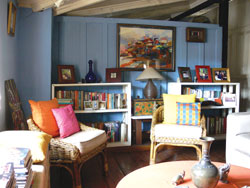
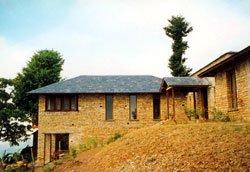
I'm not an expert in adobe, nor a hard-line supporter of alternative construction methods, or eco-building. I have, however, always set high priority on minimising environmental impact during the selection of construction materials by paying attention to their origin and using locally-produced materials whenever possible.
The extensive use of materials like scarce sal wood, or marble transported all the way from Rajasthan is not very PC. Further, a glimpse at our towns and cities makes it clear that we are stuck and running out of ideas stylistically.
That is where I have a lot of sympathy for someone trying to bring in new ideas. However, it would not serve much purpose if ideas like adobe and other alternative building methods get stuck at an experimental or namuna ghar phase.
What should our target group be for adobe? Should the rural Nepali builder be encouraged to continue building using indigenous material and construction methods, or should builders of urban (residential) constructions be made aware of alternative construction methods and styles? If the latter, this should be propagated as a sort of coming home to a complete architectural archetype, not simply sticking on dacchi appa as a nod to tradition, but also allowing the alternative material dictate more than only looks.
 We have essentially discarded our knowledge of conventional adobe methods which, combined with new technologies, could have been used as a springboard to innovatively meet emerging challenges.
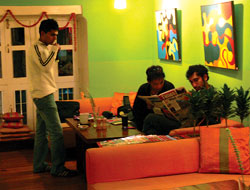
Architects have to deal with shyness, and even aversion towards different construction methods and design. We see substantial older adobe buildings getting knocked down, when they could as easily be adapted to meet changed requirements. There are classy examples around the city, like Caf? Mitra (centre).
The ever-so-popular conventional 'pillar system' house still has seriously deep foundations. After all, it has positives that any builder can swear by: it is considered structurally sound, socially acceptable, and a non-risk investment.
The success of alternative building methods will lie in their economic advantages. Durability, ability to adapt to specific designs, the flexibility to meet modern requirements in wet areas such as kitchens and bathrooms, and lower cost of maintenance will determine success.