
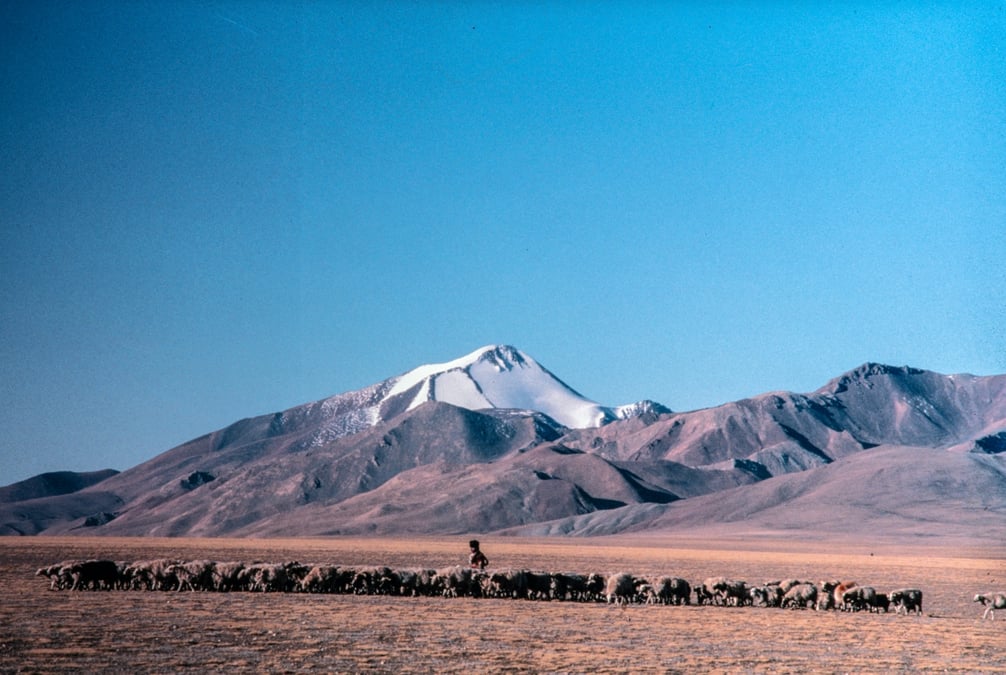
Daniel J Miller arrived in Nepal as a Peace Corps Volunteer in 1974, and spent four years in villages above 3,500m, recording the lives of livestock herders.
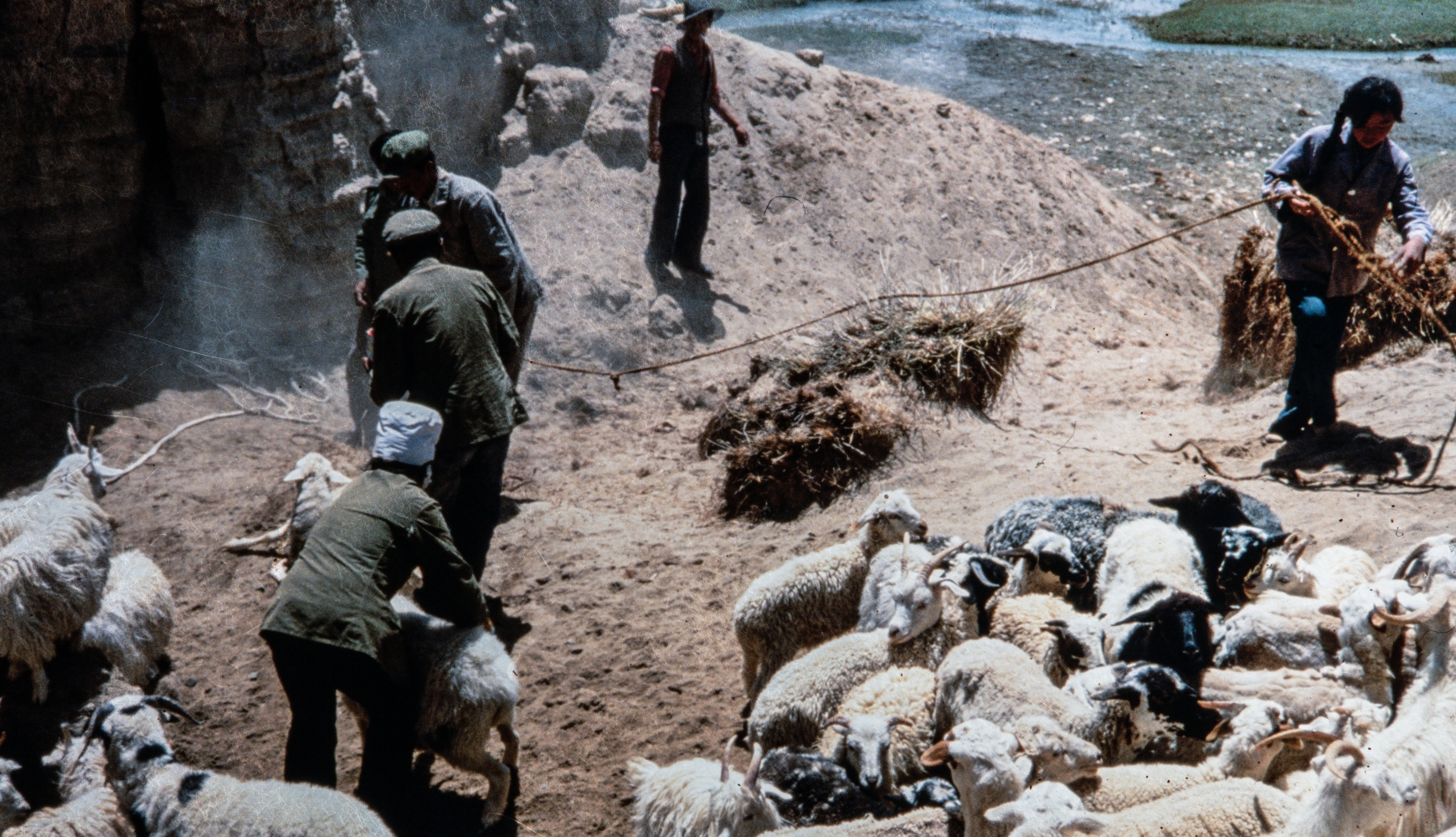
His photographs and ethnographic observations offer a valuable visual documentation of how the lives of Himalayan humans were (and are) intertwined with their yaks, sheep, goats and the ecosystems they shared.
Miller later worked for USAID, the Asian Development Bank, World Bank, and the International Centre for Integrated Mountain Development (ICIMOD). He travelled across Afghanistan, Bhutan, the Tibetan regions of China, Mongolia, Pakistan, and Nepal, documenting livelihoods of the inhabitants of High Asia.
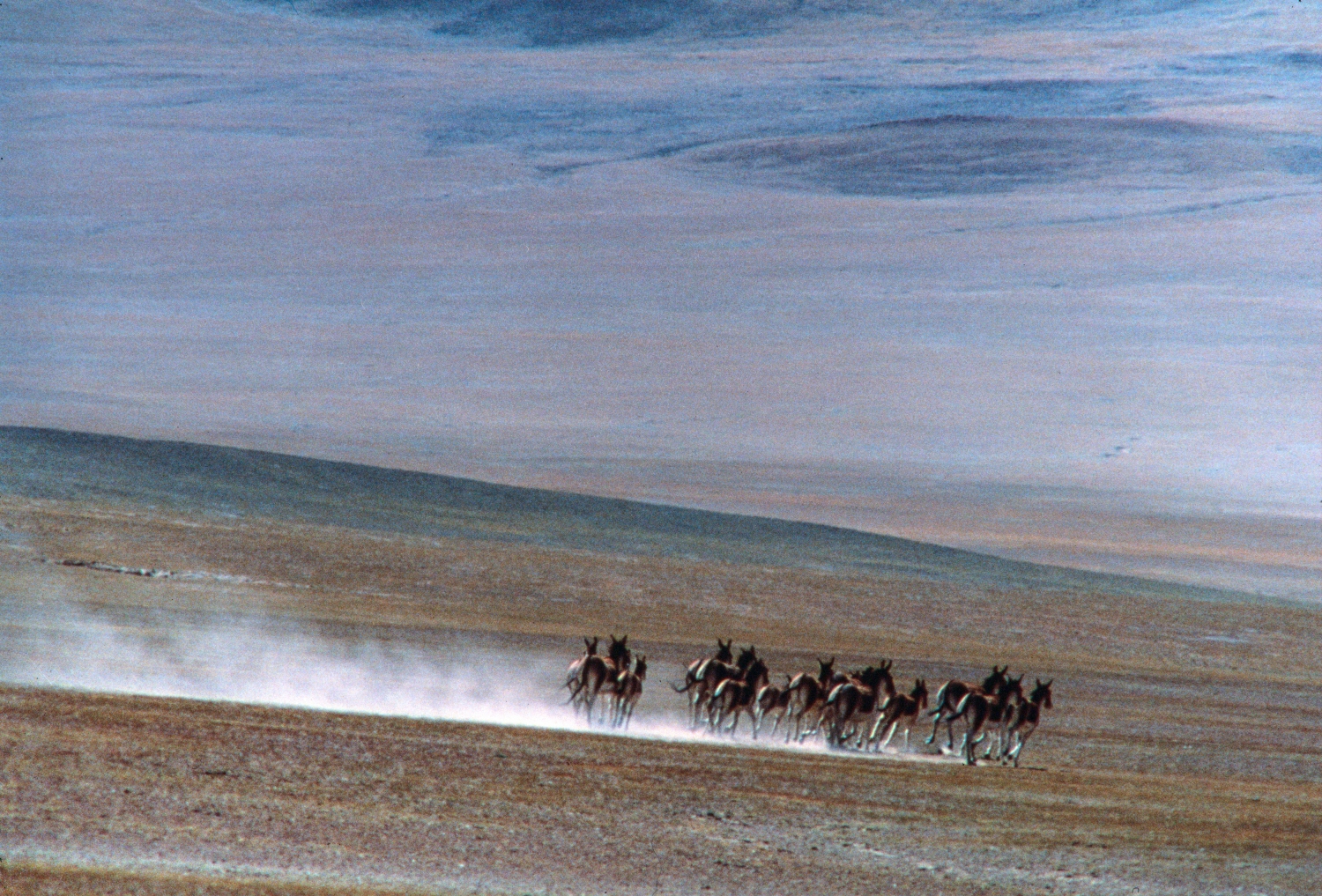
The Himalaya is not just a high altitude wilderness, it is a living ecosystem that includes grasslands, shrublands, forests, wetlands and a cold desert. These accounts for 60%, about 2 million sq km, of the region.
Miller's work captured the essence of this diverse landscape, its pastoralists and their livestock, and communities whose livelihoods depended on seasonal movement across high passes.
Miller’s photographs romanticised the rangelands and the nomadic lives of its people, while encapsulating its inherent beauty and resilience. He photographed nomad camps and caravans, documenting seasonal landscape use and migration as herders moved up to summer pastures and down in winter.
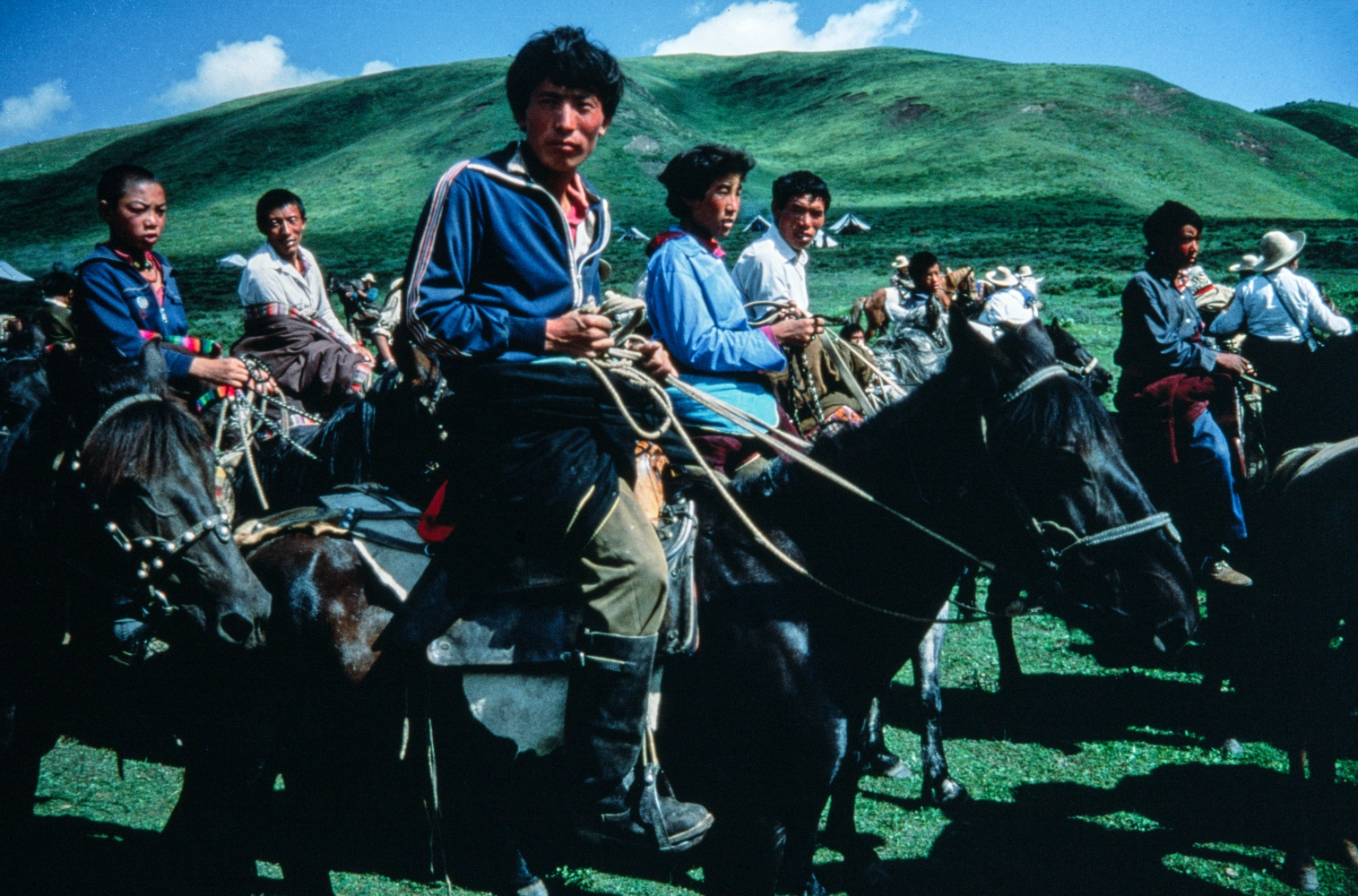
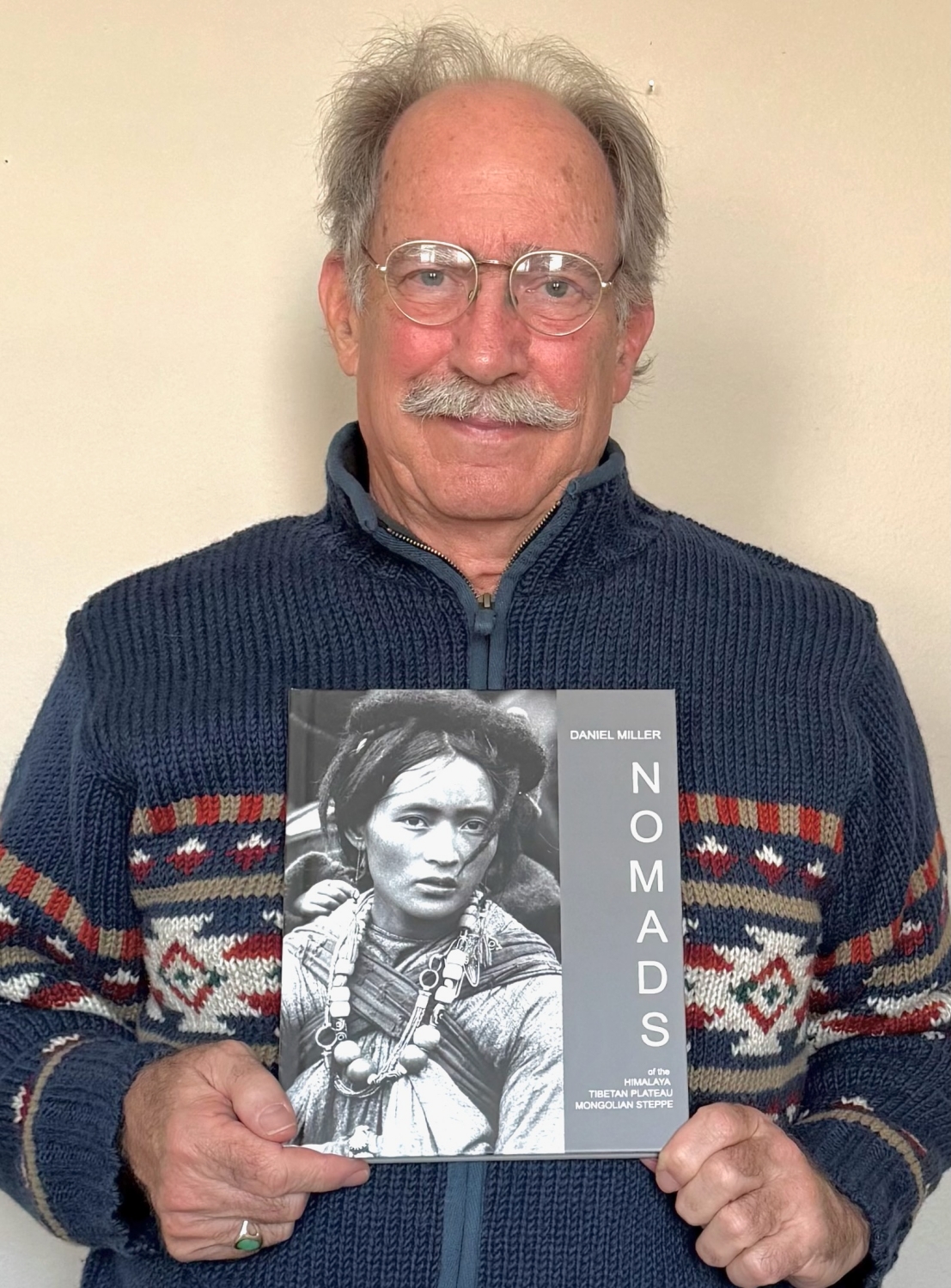
Miller wrote in his book Drokpa: Nomads of the Tibetan Plateau and Himalaya: ‘Moving across the grasslands with their animals, their home a tent, nomads evoke freedom.’ His images show a world shaped by indigenous knowledge, vibrant culture, and a harmony between people and their ecosystems.
CLIMATE CHANGE
From the Yunnan mountains to Afghanistan, the Himalayan arc supports the livelihoods of 30 million pastoralists, sustaining a rich bio-cultural diversity. Today, this balance is being disrupted in an unprecedented scale by climate and demographic change.
Because crops struggle to grow in this harsh, high terrain, livestock is what sustains mountain communities. For the Drokpa, Bakarwal, Brokpa and Changpa, livestock is their biggest asset.
The animals can survive temperature as low as –40°C. But global warming over the last 25 years has severely impacted the herds, weather systems and ecology of the Himalaya.
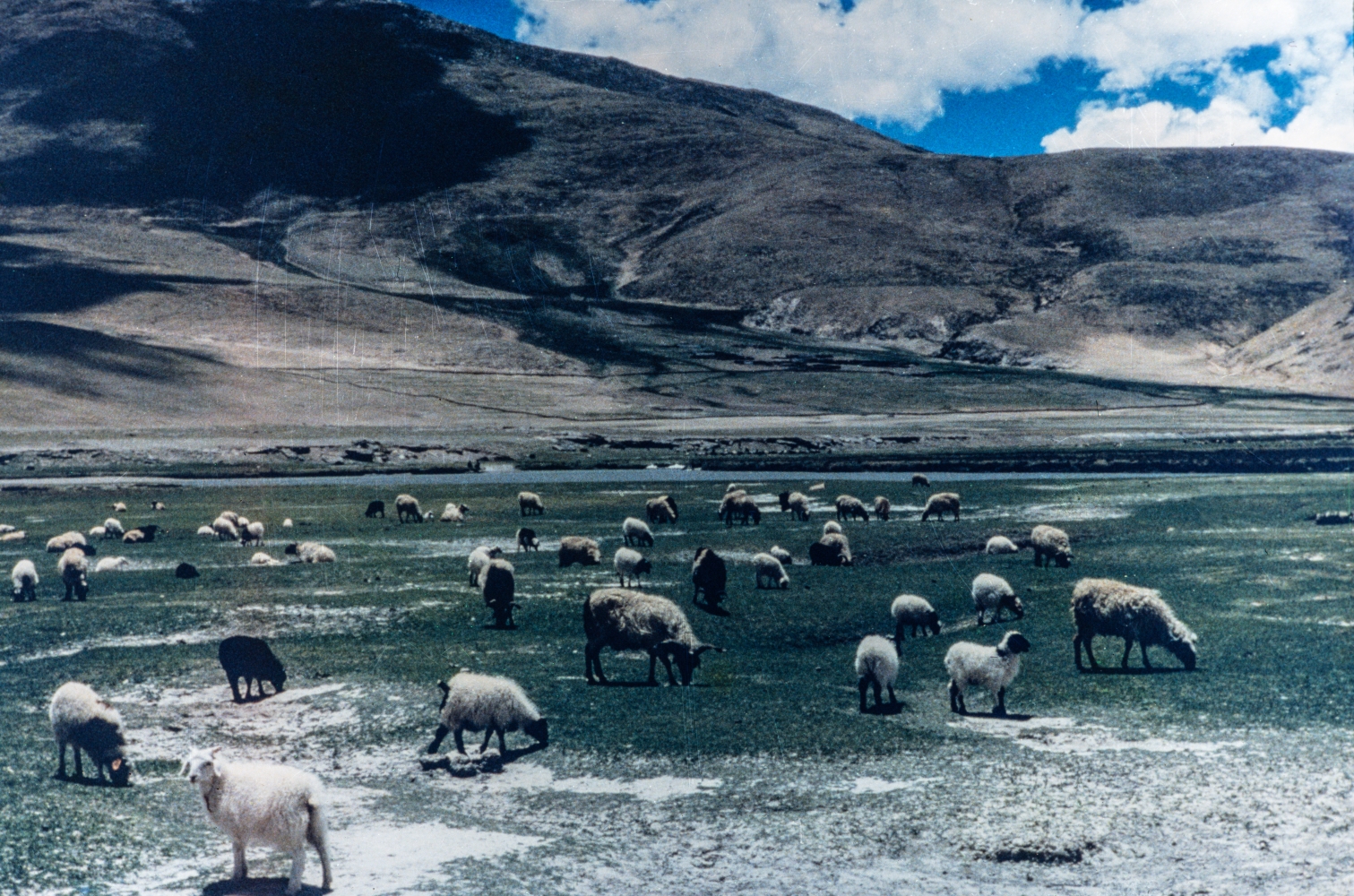
Livestock increasingly suffer respiratory problems, loss of appetite and stress, weakening age-old pastoral systems. The mortality among the animals has increased, forcing herders to seek alternative migration routes and graze animals in unfamiliar and often riskier terrain.
What were once well-established pastoral routes are also being disrupted by border controls, protected areas, highways and hydropower plants. Pastoral livelihoods that relied on predictable climatic rhythms are increasingly vulnerable. Wildlife populations are declining, and with them, centuries-old knowledge systems.
The gradual loss of rangelands is threatening ways of life that depend on mobility, and intergenerational transmission of pastoral wisdom.
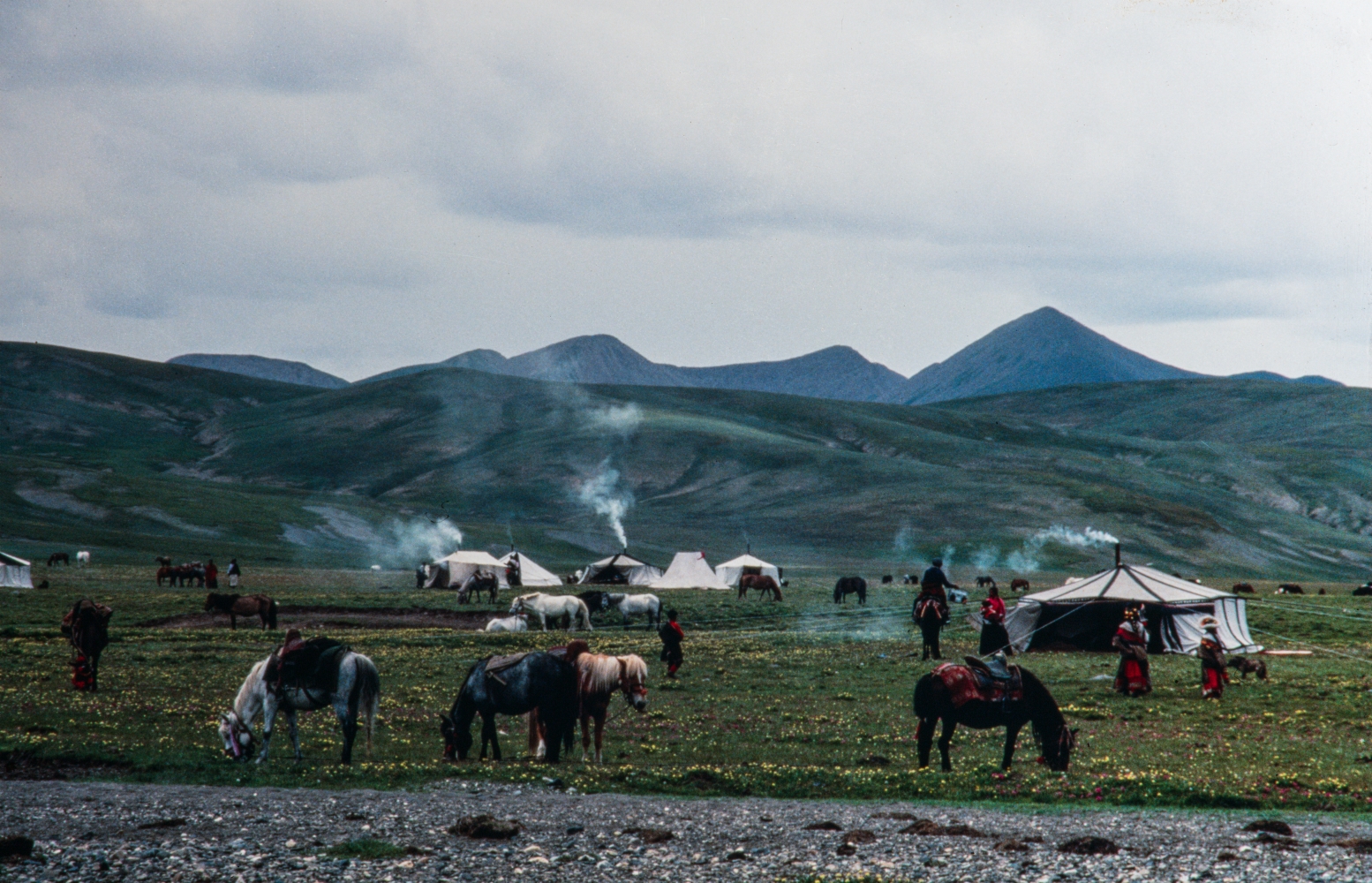
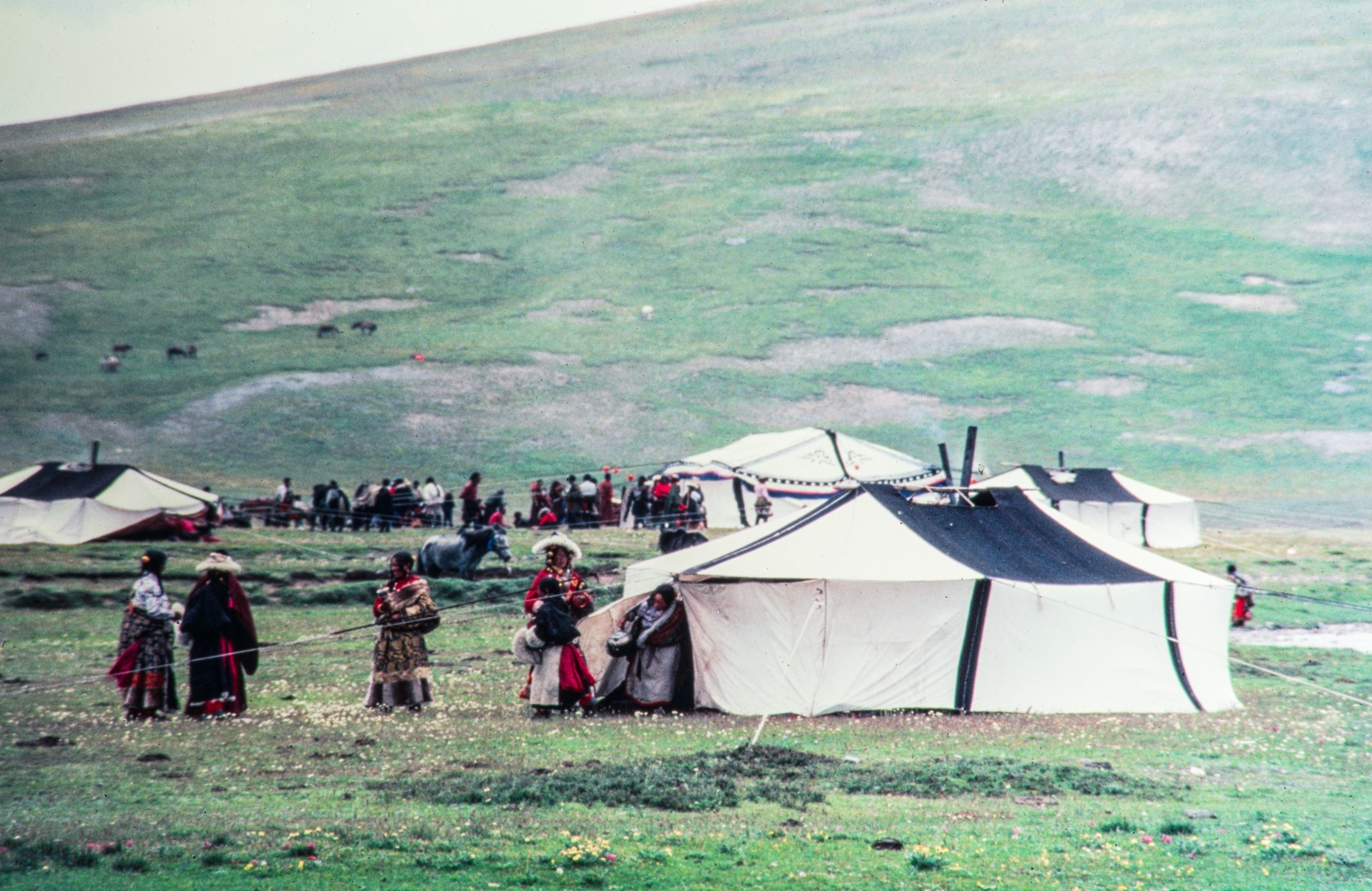
Miller’s work reminds us of what it was like in the 1970s, how much things are changing today. His photographs show lush pastures and fluid seasonal movement in regions where grasslands are now turniong into desert, springs are going dry, and extreme weather disrupt long-established migration cycles.
Miller’s photographs of caravans and herders are an urgent call for action. They remind us that rangelands are livings sytems, interlinked with human survival, biodiversity and cultural identity.
Often, the burden of these changes falls on women and the elderly. Their traditional skills spinning wool into blankets, weaving hand-knotted carpets, crafting garments, and building yak-hair tents are becoming a lost art.
In pastoral kitchens, the craft of preserving raw milk by turning it into chhurpi and ghee is declining with outmigration, water scarcity and warming trends.
RECOGNISING PASTORIALISM
The future of Himalayan rangelands depends on recognising pastoralism not just as an endangered way of life, but a system that must be valued and sustained. This demands innovative approaches that support the people who continue to serve as the custodians of these fragile landscapes.
The International Year of Rangelands and Pastoralists (IYRP) 2026 unites global institutions and offers opportunities to recognise the value of rangelands and safeguard them before the loss is permanent.
Saurav Thapa Shrestha is a Communications Associate at the International Centre for Integrated Mountain Development (ICIMOD) in Kathmandu.