
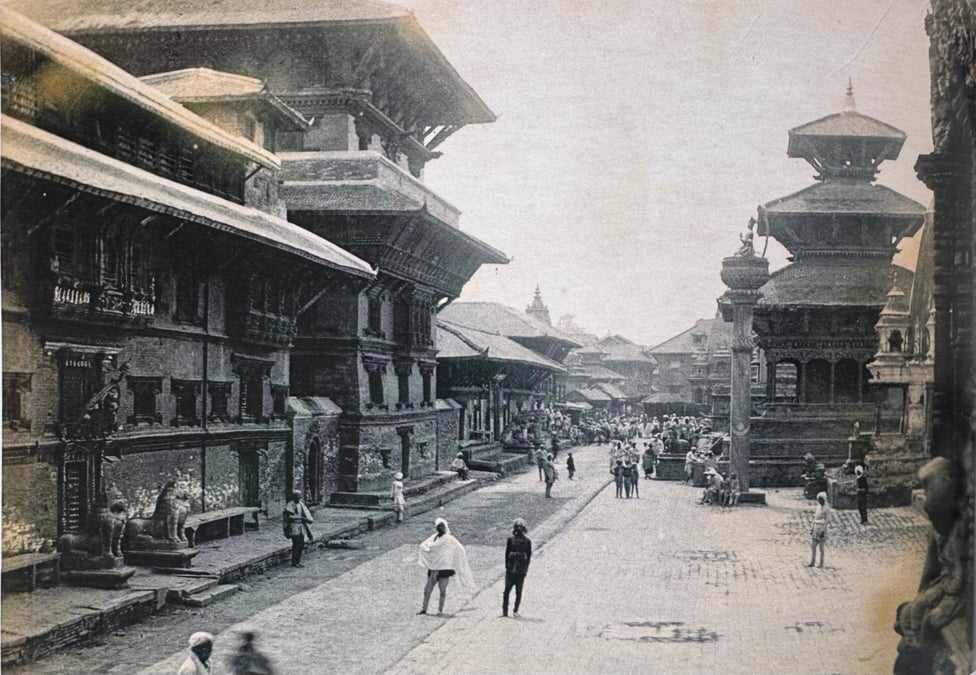
Oral history, art, stone inscriptions and the written word have helped us understand the Nepali world and its history. But it was the advent of photography that dramatically changed the way we can visualise memory.
Soon after the invention of daguerrotype and photography, cameras arrived in Nepal via British India. Photographs taken by Clarence Comyn Taylor in 1863 were discovered by J P Losty in 1992, and were possibly the earliest pictures ever taken of Nepalis.
Soon, there were scholars and photographers like Samuel Bourne, George Ramsay, Henry Ballantine, Theodore Julius Hoffmann, Cecil Bendall, John Claude White and others who took portraits and pictorialised Nepal’s landscape.
Nepali photographers like Dirghaman Chitrakar and his son Ganeshman Chitrakar also emerged, their negatives and prints processed at the Bourne & Shepherd and Johnston & Hoffmann studios in Calcutta.
Photography was more a profession than a hobby, and those who could afford equipment would have access to the country and the powers that be — hence the pictures of the Rana royal family, their palaces, hunting expeditions, and heritage.
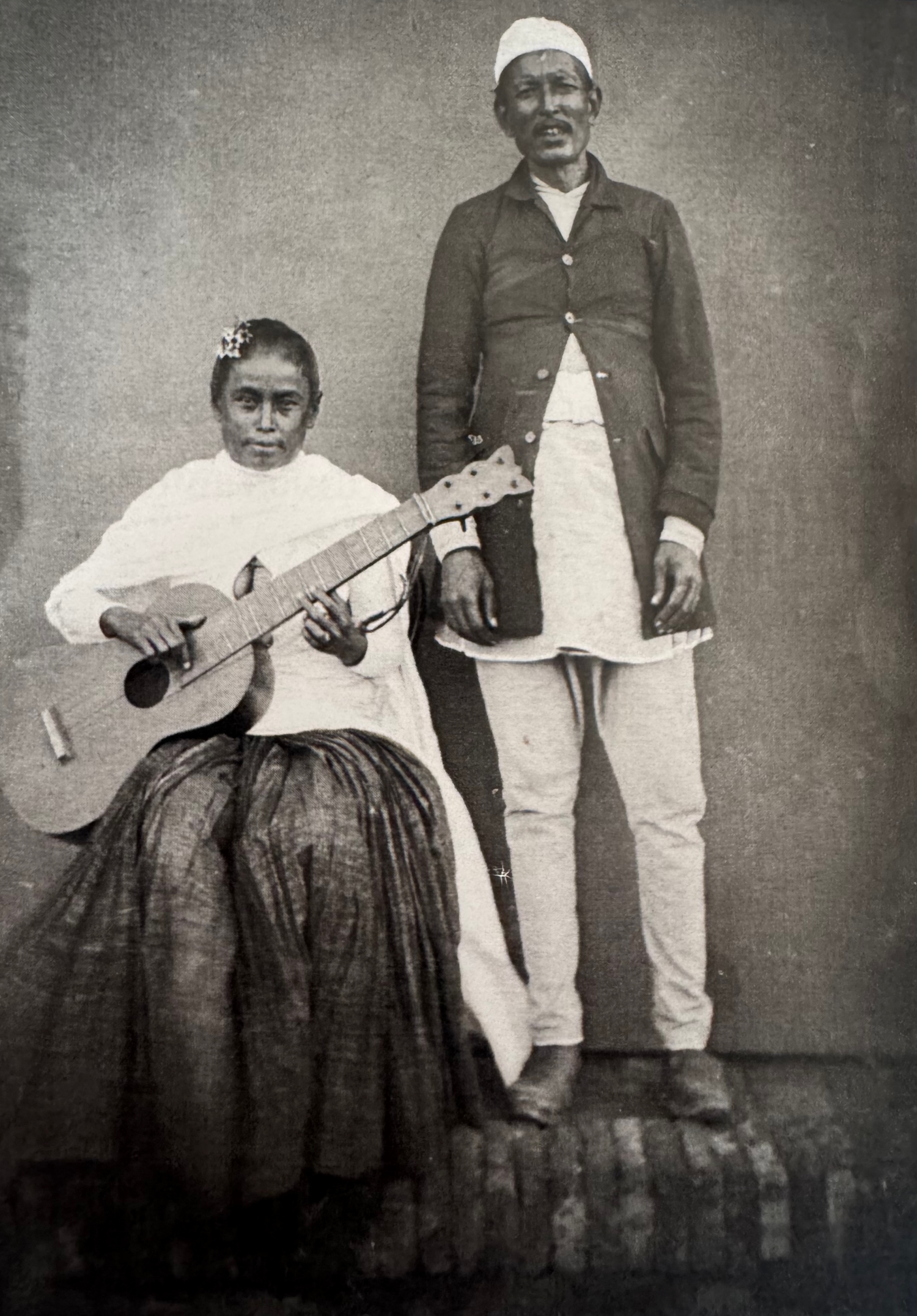
Photographs of ordinary people tended to be either because some of were also researchers, or out of curiosity for exotica.
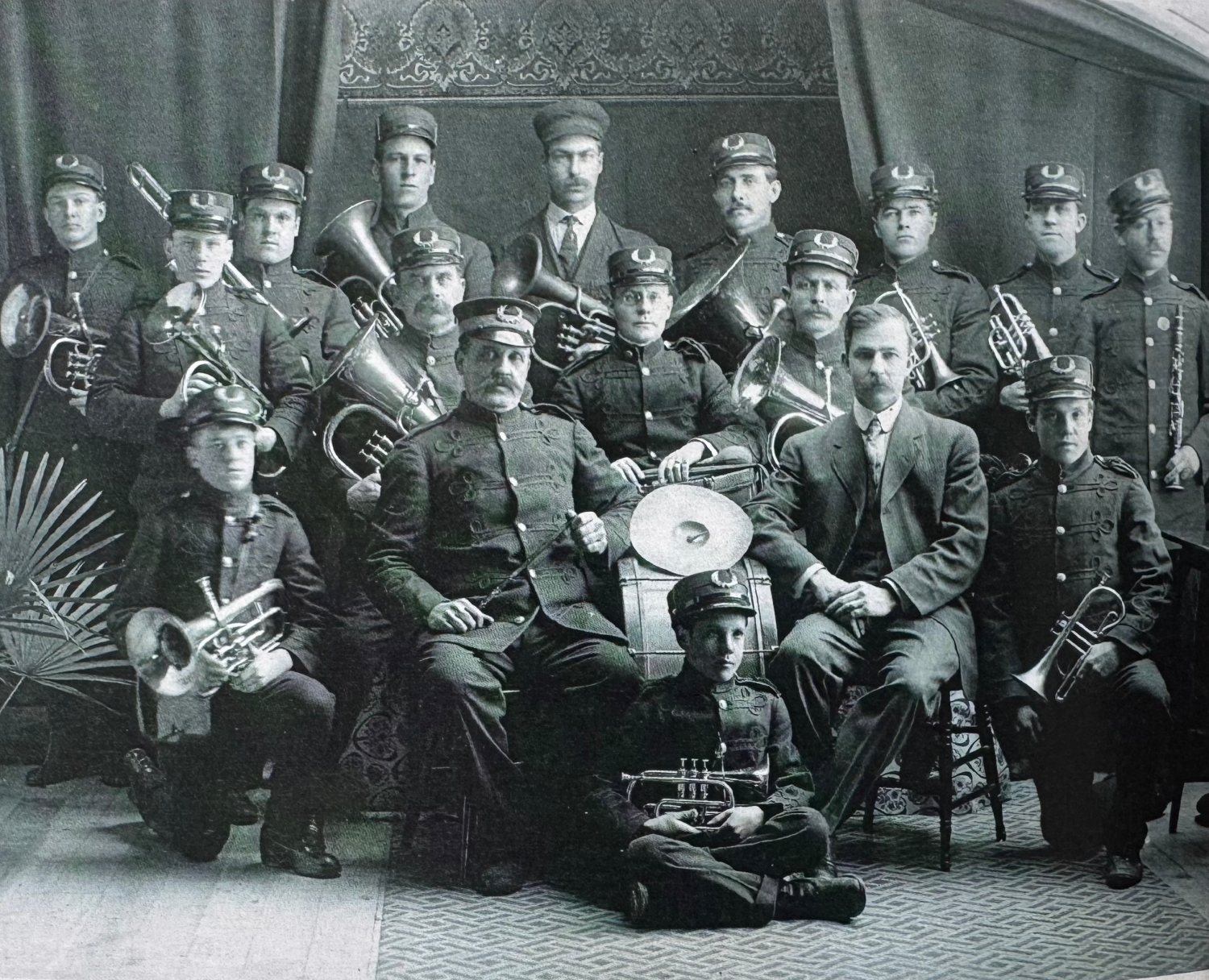
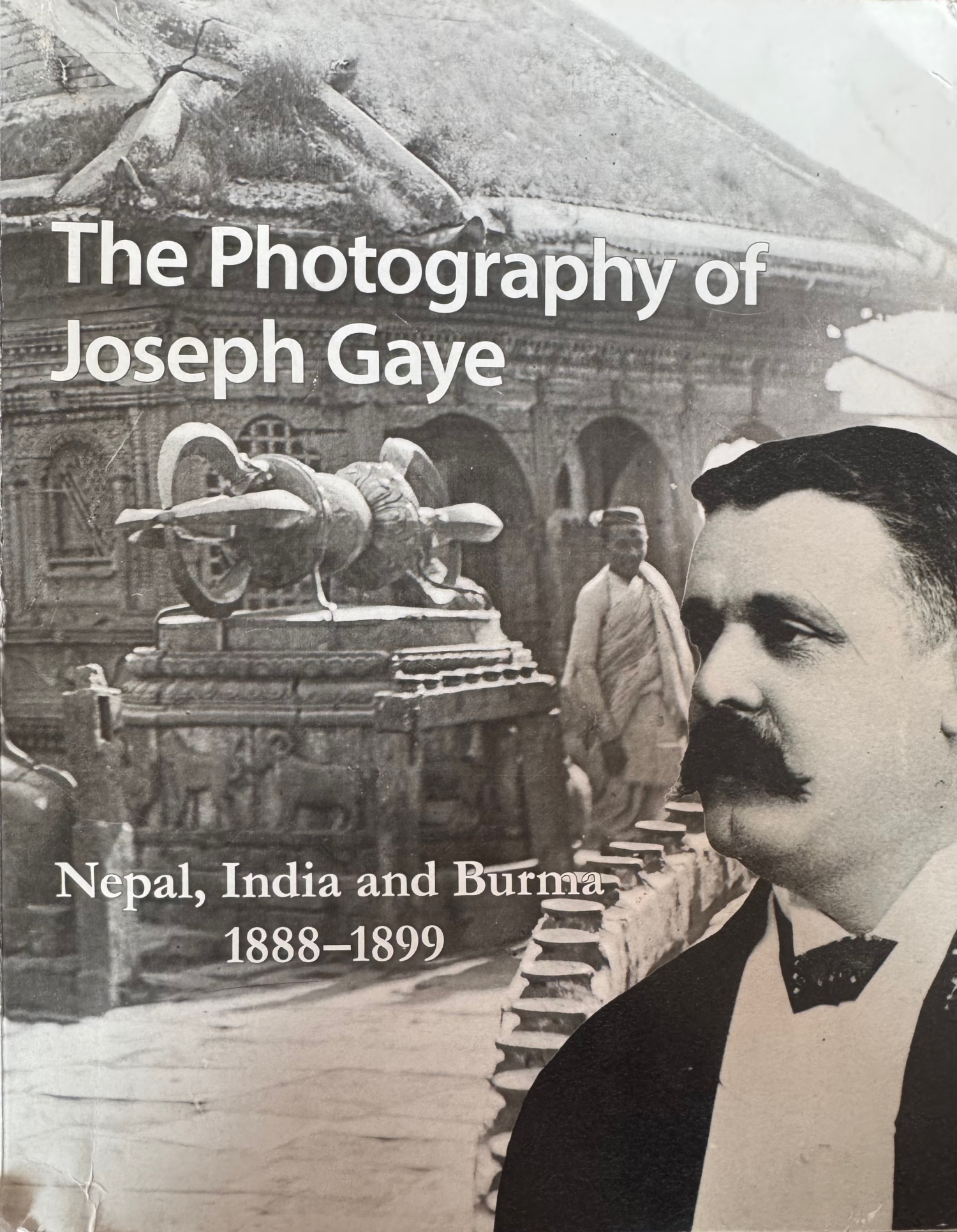
In 1888 Joseph Gaye was hired by Prime Minister Bir Shumsher Rana to train his Army’s band. Besides being a musician, Gaye was also into photography and a treasure trove of his archival images were recently discovered by his Canadian great-granddaughter and published in the book, the Photography of Joseph Gaye: Nepal, India and Burma 1888-1899.
No one had heard of Gaye before his glass negatives and prints were found in an attic in Canada. He was born in 1852 in Kent and joined the British Army’s Rifle Brigade, and in 1873 he was deployed to the Northwest Frontier Province bordering Afghanistan, where he also served as a bandmaster.
SNAPSHOTS OF HISTORY
Bir Shumsher invited him to Nepal to train the Army's marching band, and during the four years he spent in Kathmandu with his wife Mary Elizabeth Short, he was a prolific photographer. The images he took are now a valuable anthropological, historical and architectural documentation of Old Nepal. Gaye went back to England and died in 1926.
He started taking pictures as soon as he embarked on the journey from Sugauli to cross over into Nepal and walk all the way across Bhimphedi, Chitlang and into Kathmandu Valley.
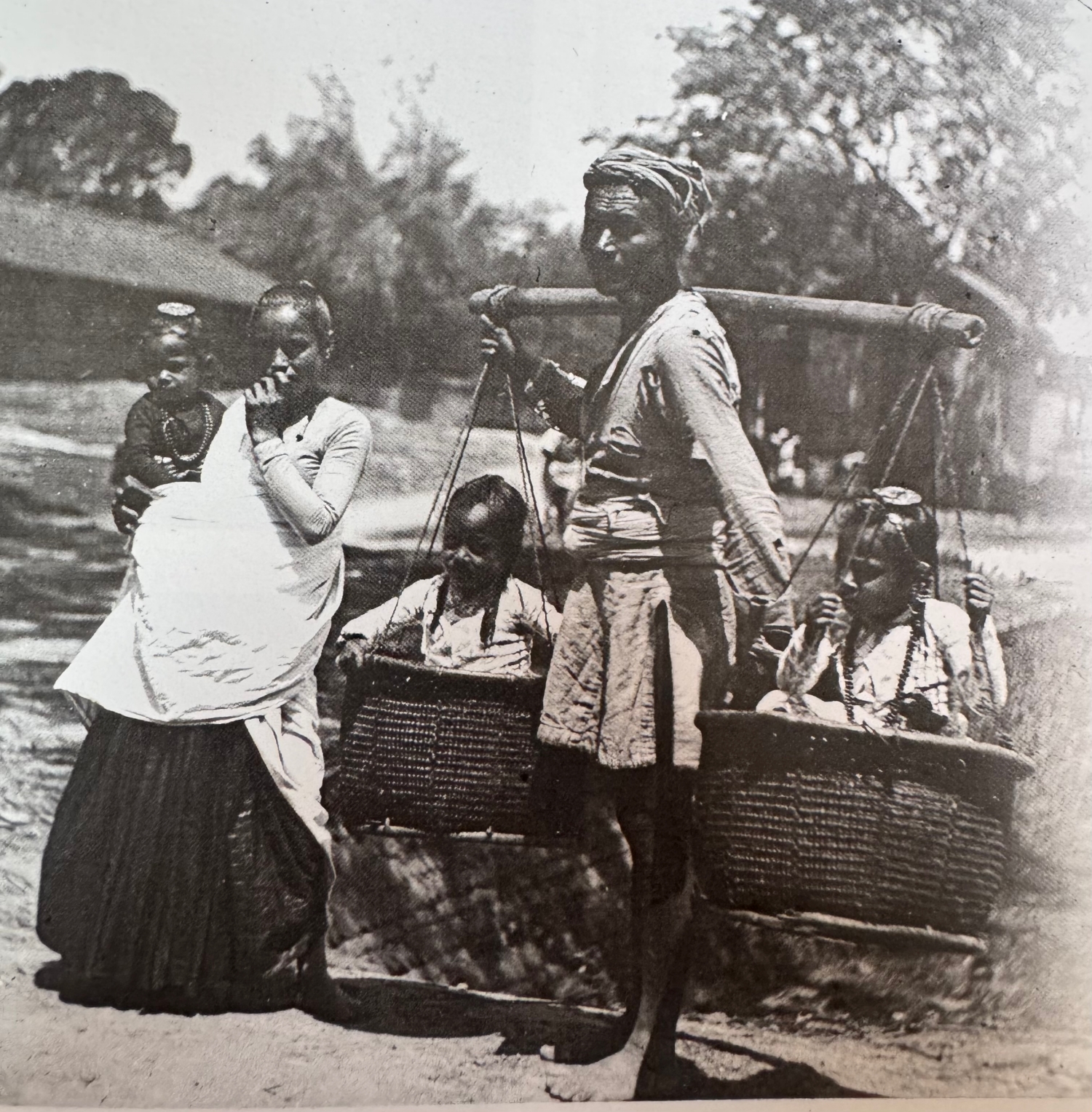
The originals of the photographs he took are now at the British Library in London, and their digital copies in the Madan Puraskar Library in Patan. Gaye seems to have been especially interested in taking posed portraits of ordinary Nepalis — more out of interest rather than any academic research.
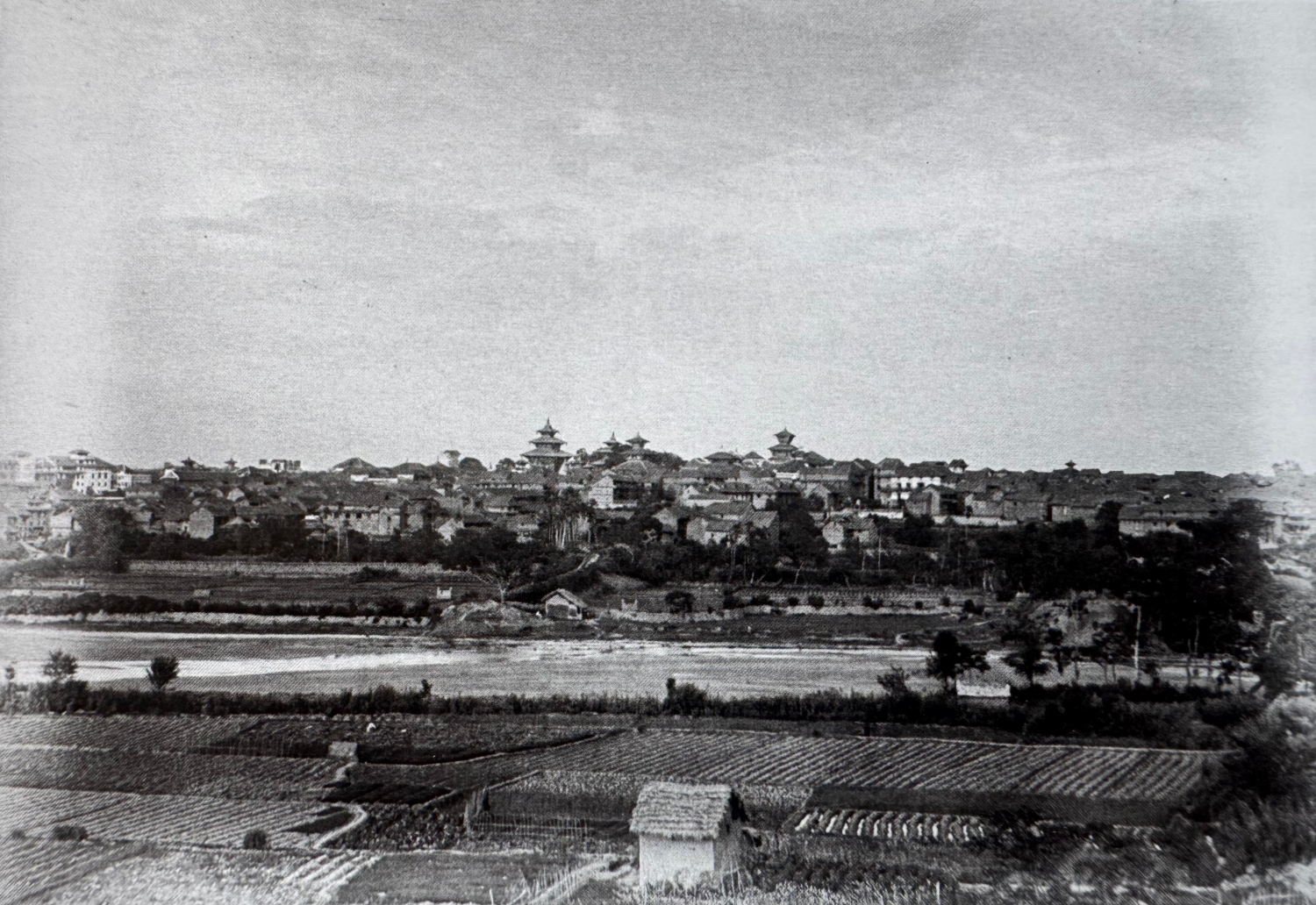
Among his photos are Newar farmers working their fields along the Bagmati, floodplains now densely urbanised. There are pictures of the crowds at Asan market, even prisoners lounging about inside a jail in Kathmandu and a group of leprosy patients posing for a group portrait.
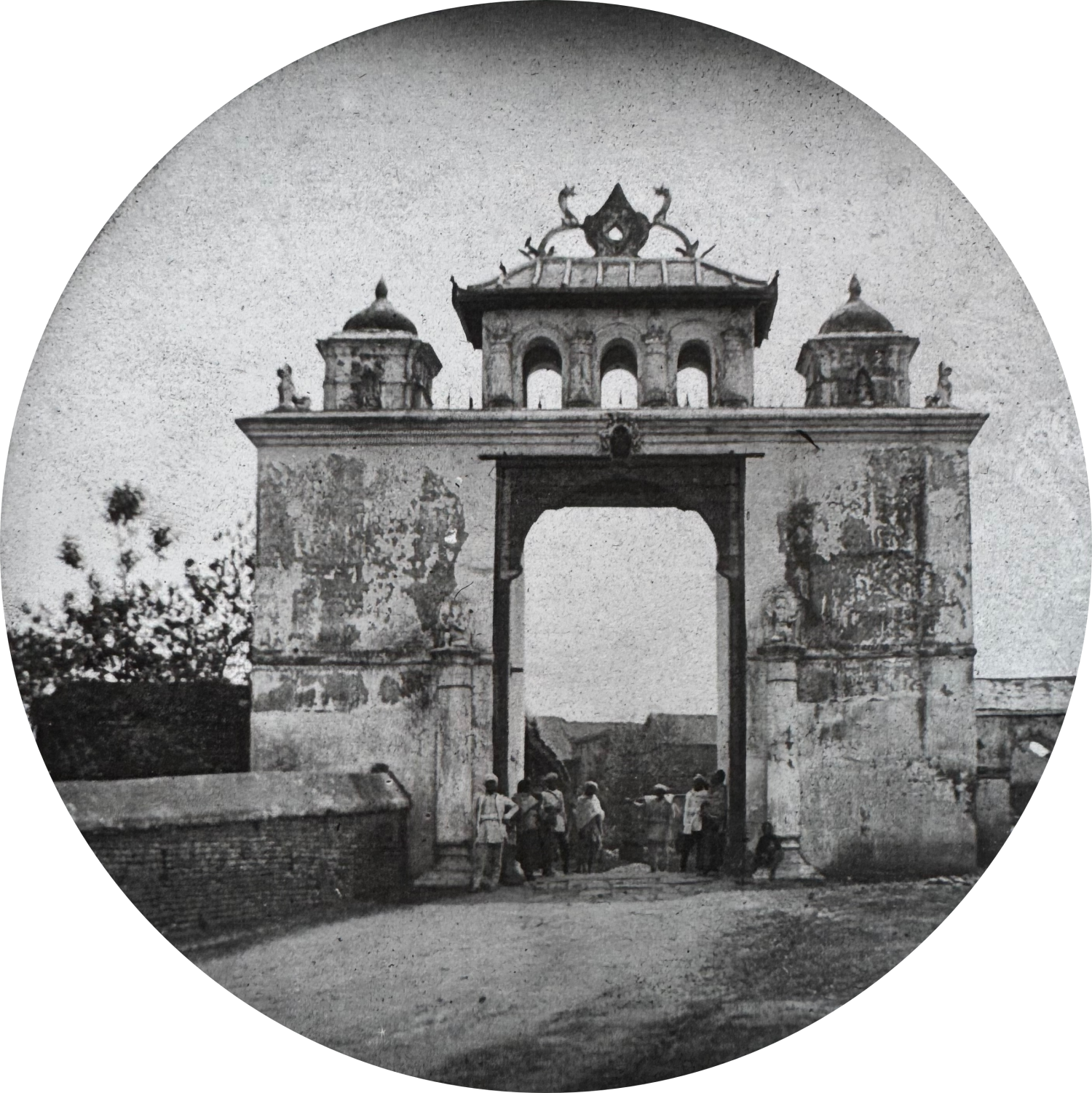
The limited edition book provides new insight into life in Kathmandu 160 years ago, and is a valuable pictorial record of what people looked like and wore, where they worked, and how their neighbourhoods looked.
Joseph Gaye’s great-granddaughter Mary Margaret Gaye contacted Nepali historian Pratyoush Onta who helped with the text and captions in the book. However, Joseph Gaye’s journal, if any, have not been located.
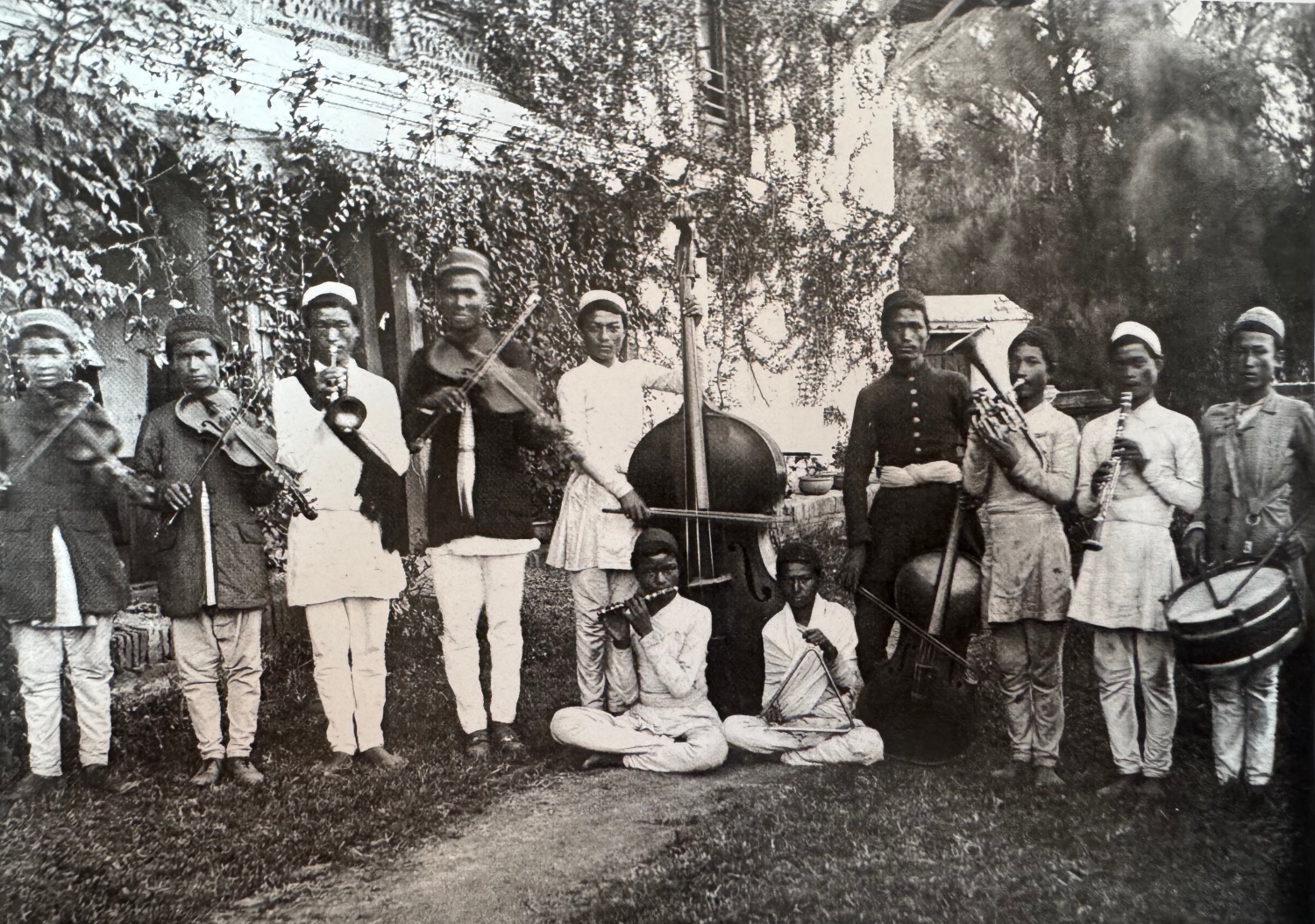
Of the 211 prints the book, 91 are made from glass plate negatives, five are cellulose acetate negatives, 83 are lantern slides and 32 are from albumin prints. Of archival value are also photographs of the members of the Nepali Army’s band with their instruments.
Rajeev Ranjan Singh is Researcher at Madan Puraskar Pustakalaya, Patan Dhoka.
The Photography of Joseph Gaye: Nepal, India and Burma 1888-1889
Mary Margarent Gaye
Limited Edition