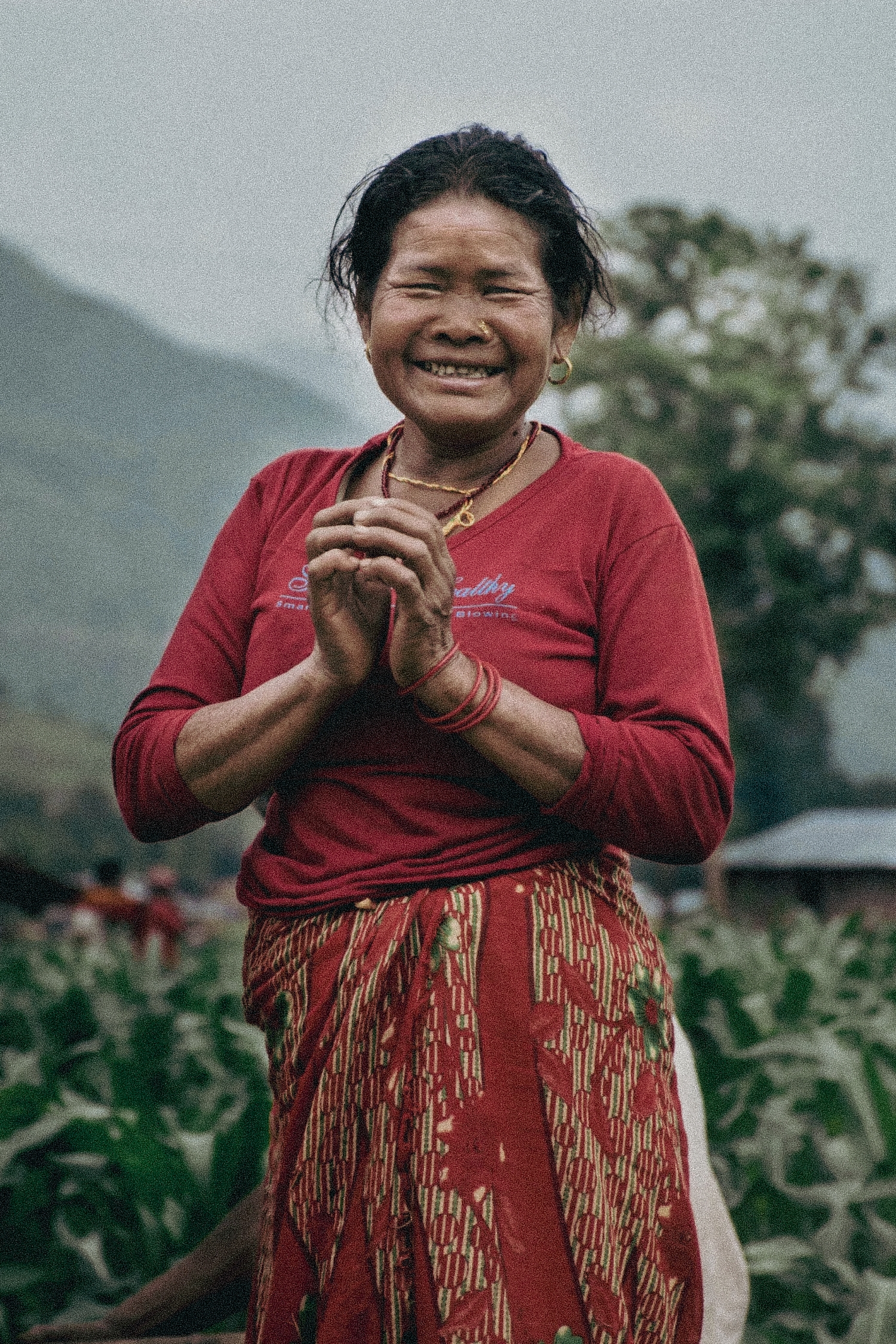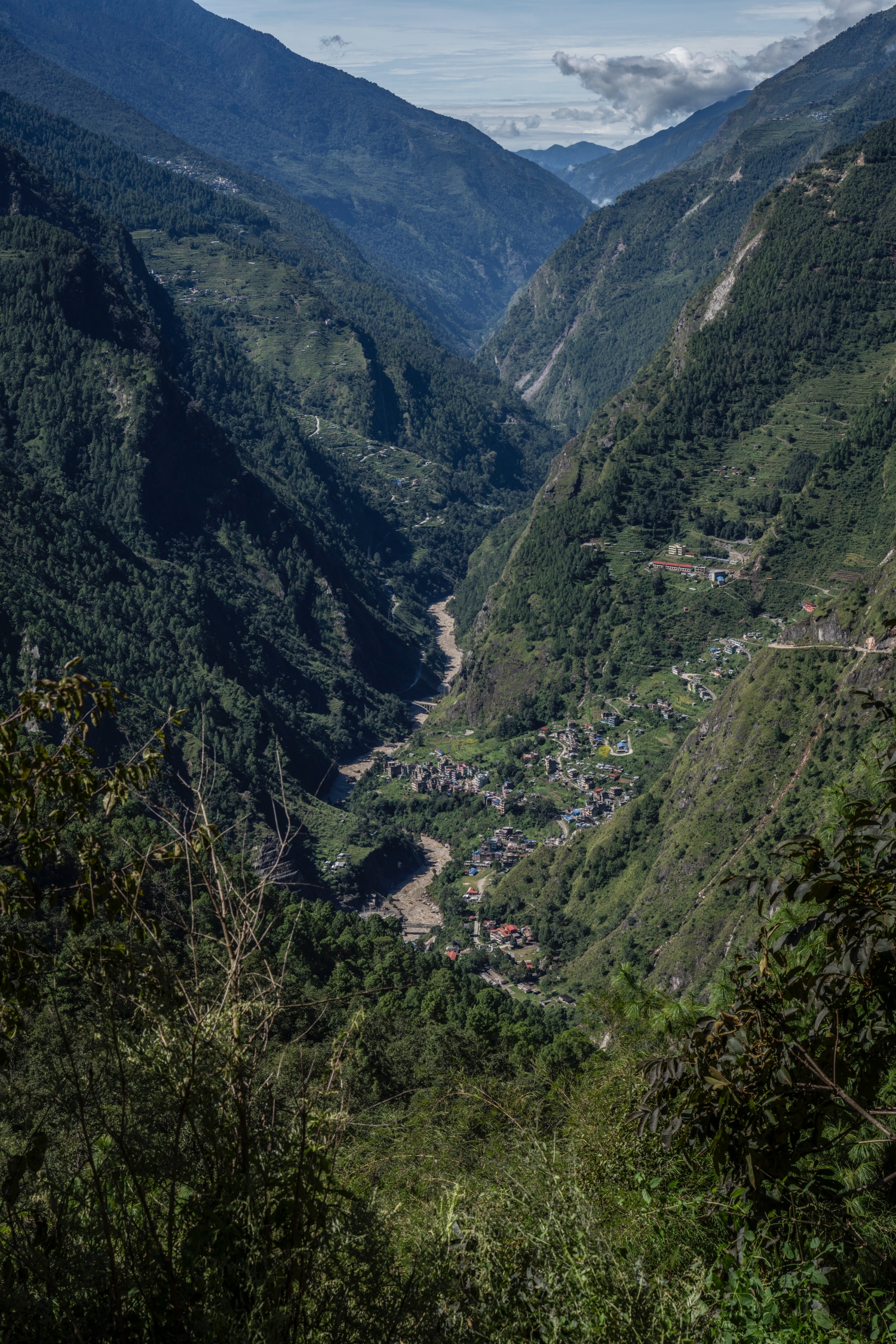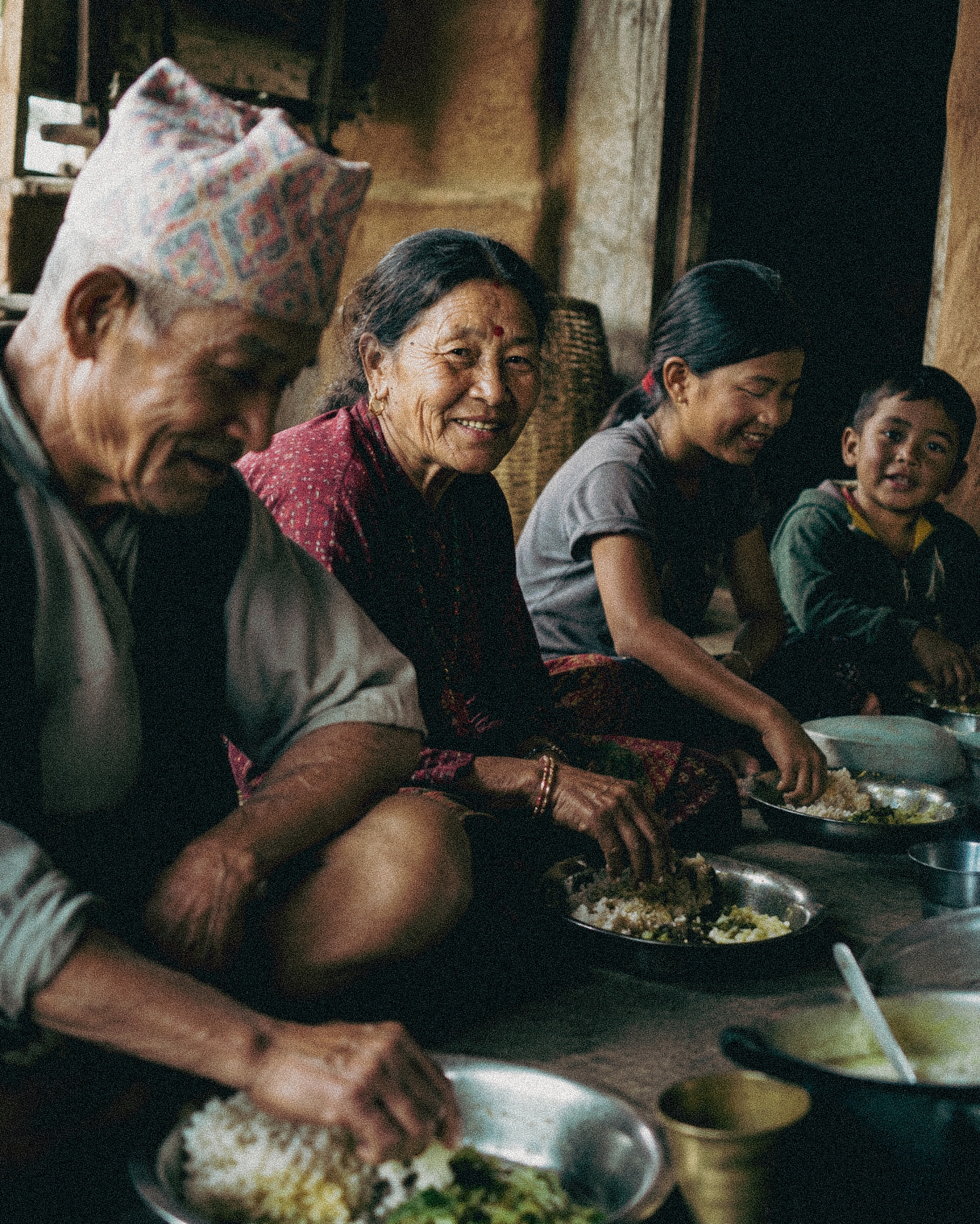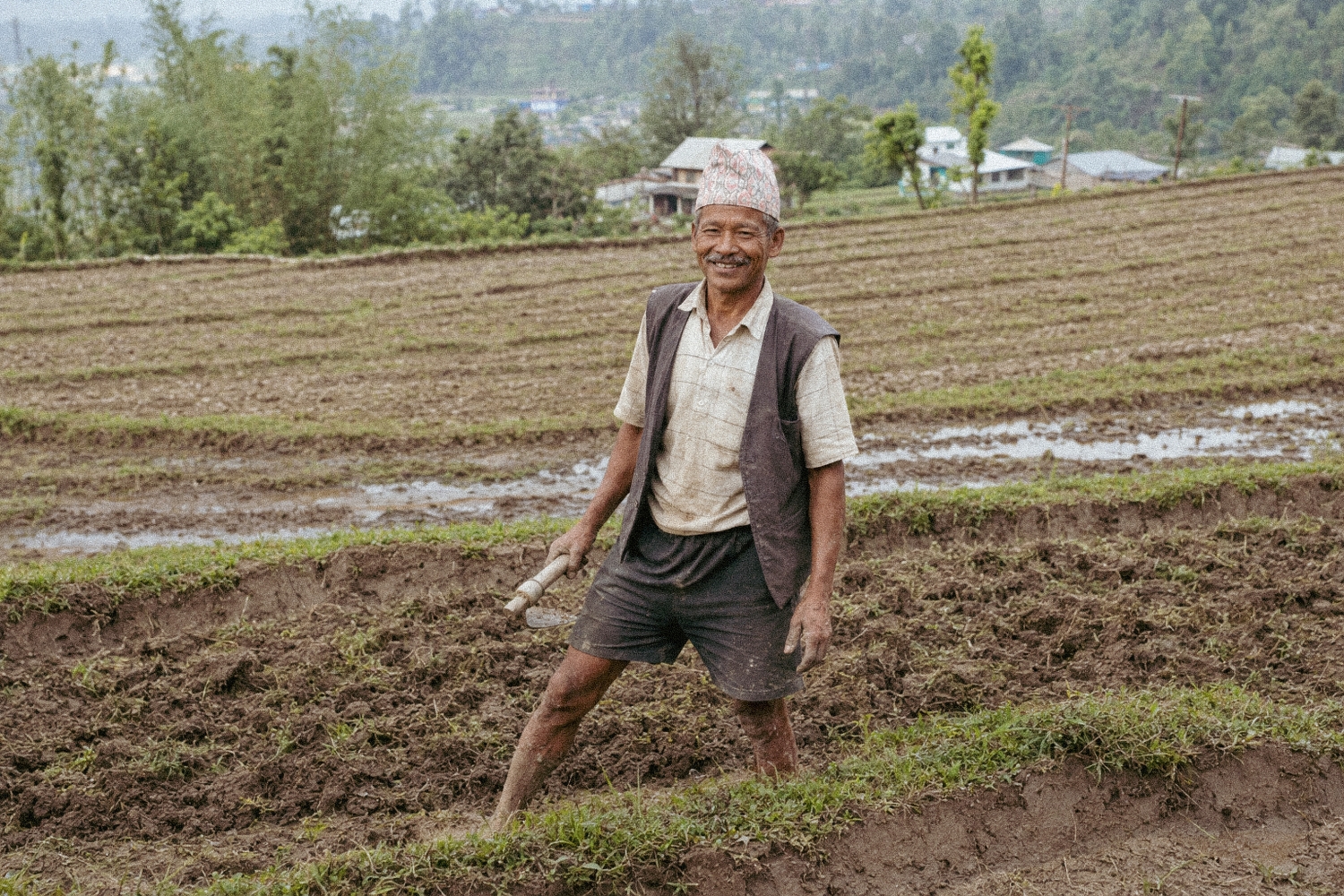
We so often show Nepal through its mountains.
Through snow-covered summits catching the first light.
Through valleys so deep they make villages look like handfuls of stones scattered across the earth.
Through prayer flags, trails and landscapes that seem almost impossibly beautiful.
But Nepal has never only been its mountains.
Look a little closer and there are lives everywhere.
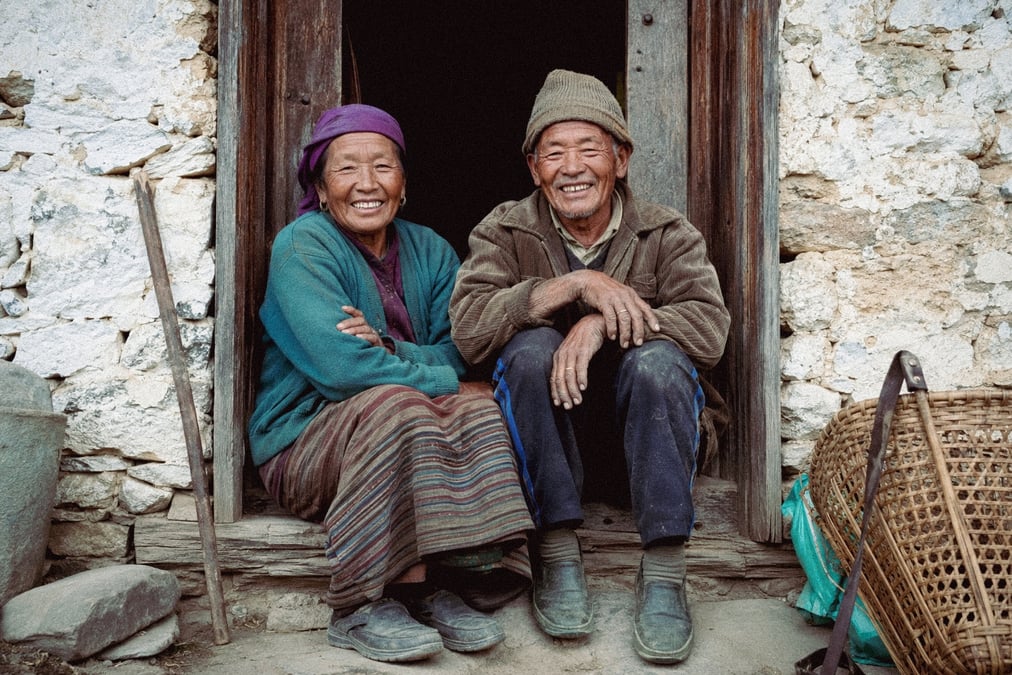
A couple sitting in the doorway of the home they built a life inside.
A mother carrying her child.
Hands turning the earth that will feed a family.
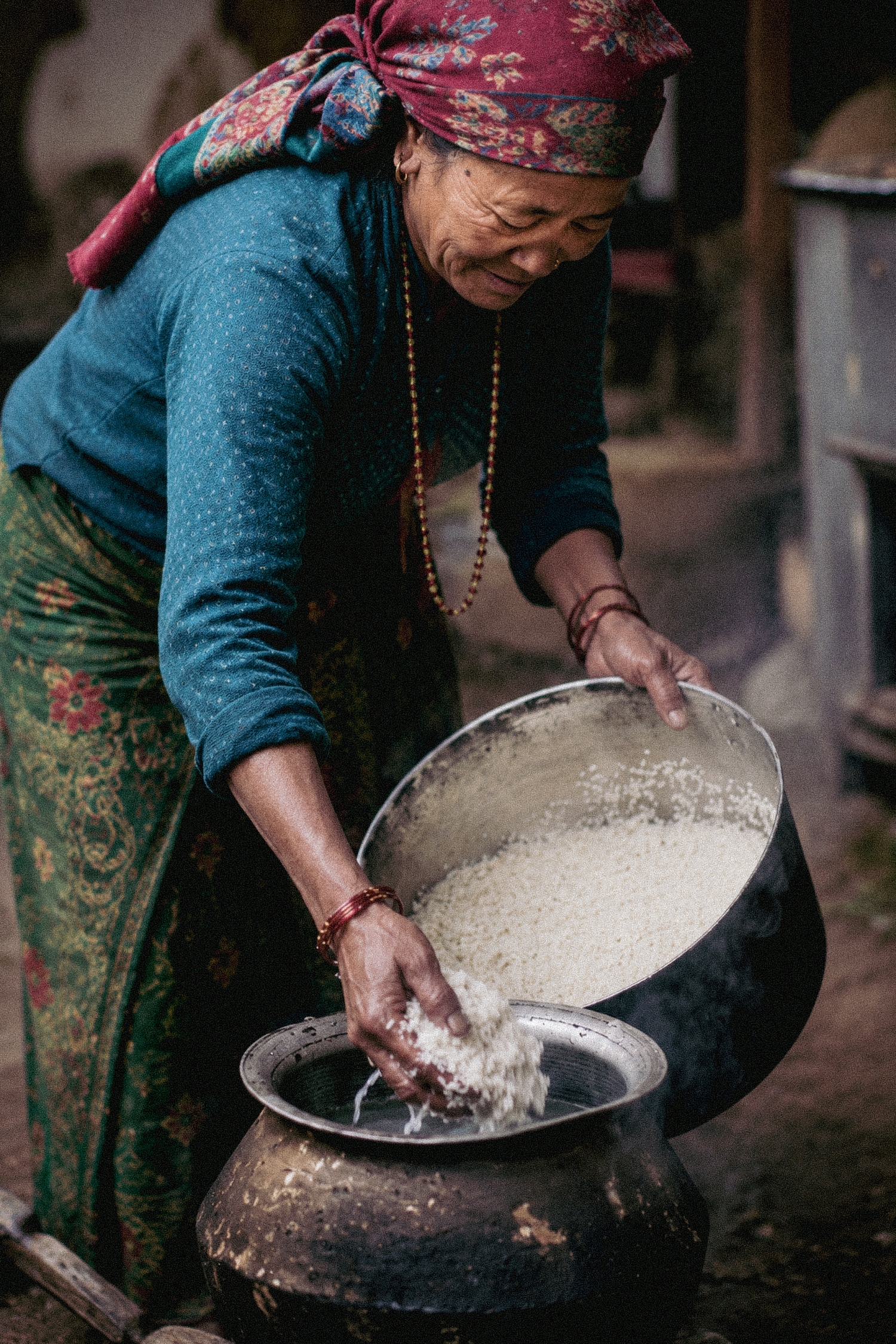
Rice being washed for a meal.
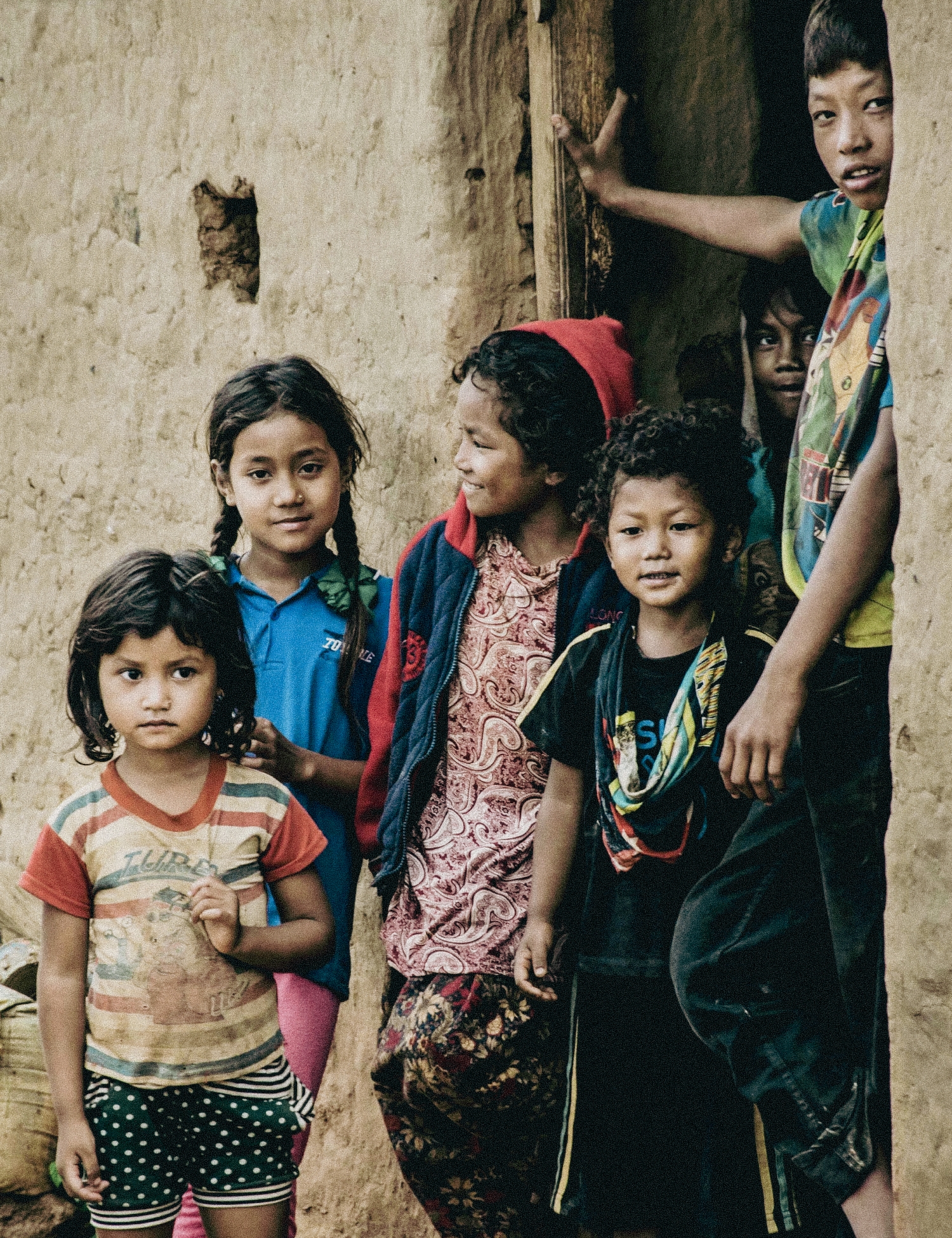
Children appearing in a doorway to see who has arrived.
Families sitting on the floor and eating together.
The ordinary things that rarely make the postcards.
And yet, to me, they are Nepal.
These photographs were not taken during the floods, and most were not taken in the communities directly affected.
They are simply pieces of the Nepal I have been fortunate enough to know.
And looking at them now feels different.
Because when we hear words like flood, landslide, glacier, missing, destroyed — it is easy for something so enormous to become numbers on a screen.
But behind every number is somebody's entire ordinary life.
A bed that was slept in the night before.
Clothes hanging behind a door.
A cooking pot still sitting in a kitchen.
A field someone planted by hand.
A school route.
A photograph on a wall.
A cup of tea that was supposed to be poured that morning.
A person who was expected home.
For a country that has given me more than I could ever adequately put into words, it breaks my heart to be so far away from it right now.
There is a part of me that desperately wishes I were there.
Not because I think I could fix something this enormous.
I just wish I could carry something.
Clear something.
Make tea.
Hold someone's hand.
Do one small useful thing rather than watch a place I love hurting through a screen.
But this is not my tragedy.