
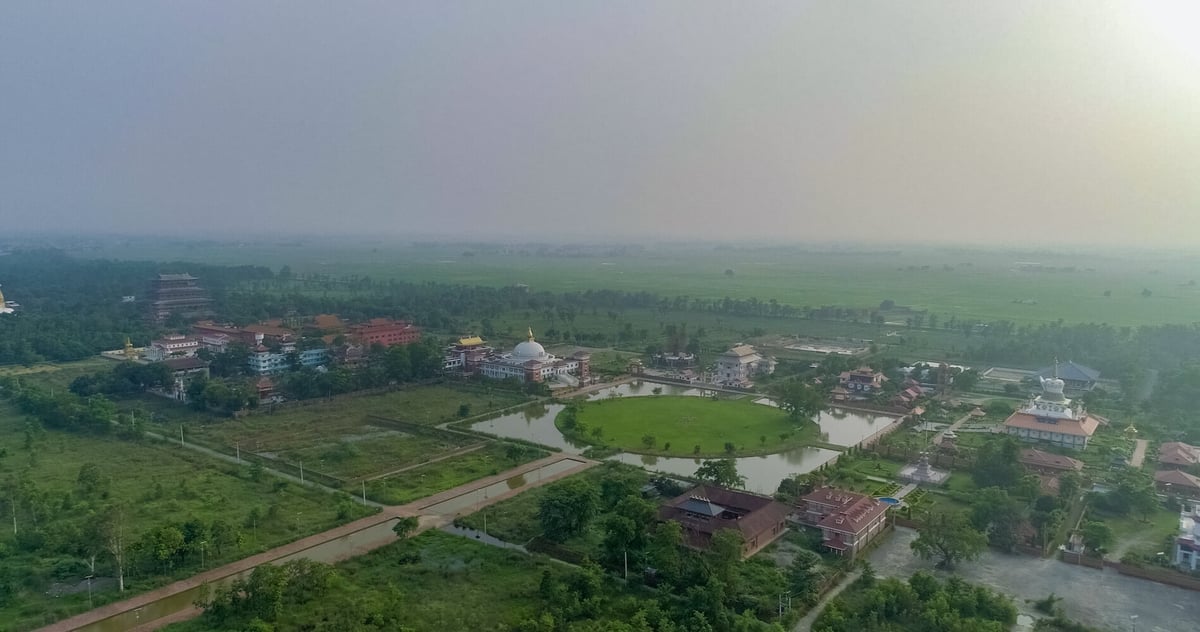
A Facebook post by trekking guide and digital creator Sanjib Chimourya has struck a nerve among Nepal’s growing community of drone videographers.
His post is a litany of woes; obstacles are everywhere when trying to use drone clips of Nepal’s spectacular scenery to promote tourism. Outdated laws and irrational fears of misuse keep Nepal out of step with the rest of the world in the use of unmanned aerial vehicles (UAVs).
‘I bought my drone with my own hard-earned money. I paid taxes. I paid registration fees. I invested in professional equipment because I wanted to show Nepal to the world. Instead, I was treated like a criminal,’ wrote Chimourya.
It is a sentiment many local filmmakers share. Nepal’s latest drone regulations have become so restrictive that they are pushing honest operators to ignore permits that are too difficult to get.
Cinematographer Manish Maharjan, currently working on an international 14 Peaks production, says the deeper issue is an opaque system that makes little sense. He told us: “The process is too complicated, and no one is monitoring its opportunity cost. The system needs transformation. It is not practical.”
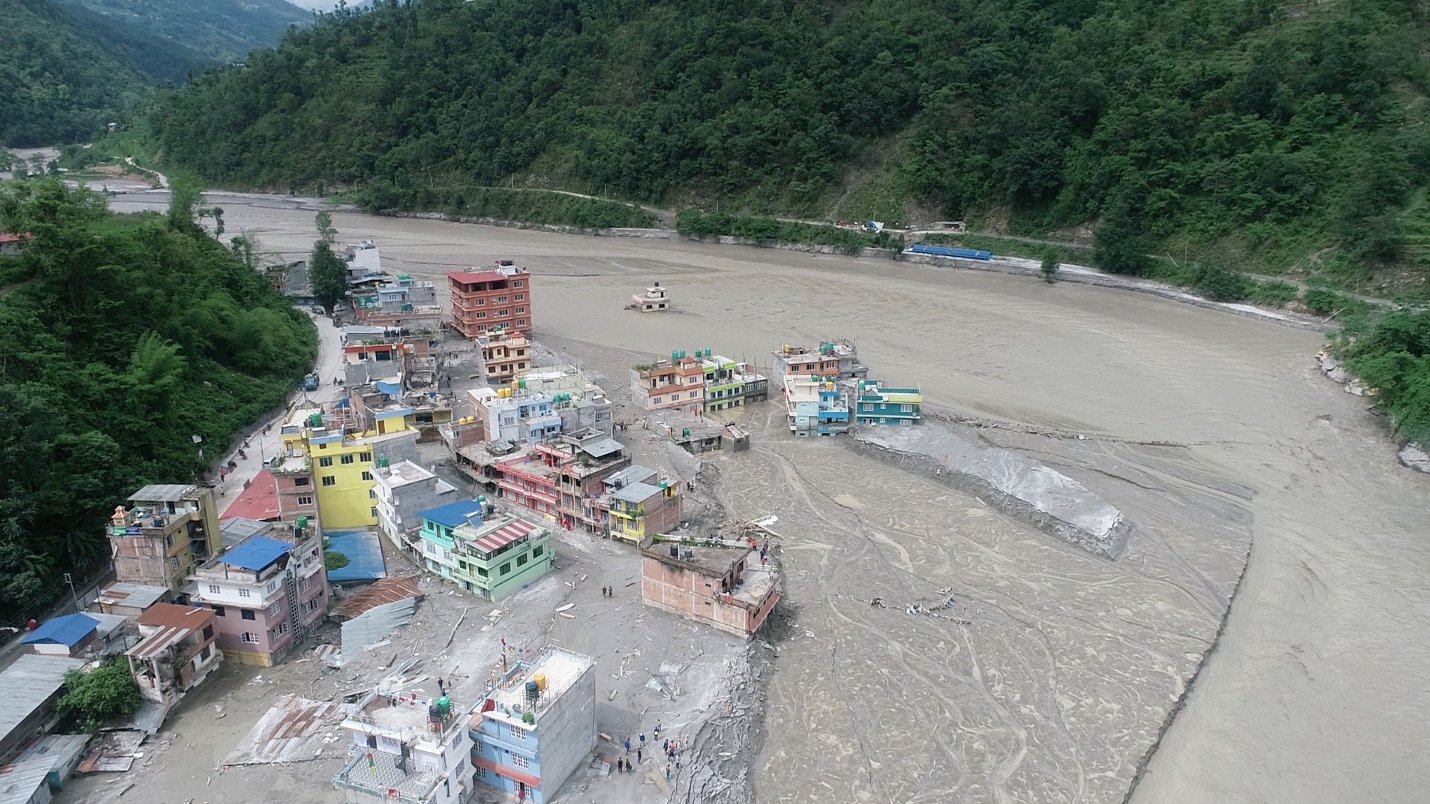
As per the Civil Aviation Authority of Nepal (CAAN), even tiny drones under 250grams must be officially registered. This rule did not exist before 2026 when only larger drones needed papers.
Operators are also banned from flying over crowds, temples, national parks, and heritage sites without a formal permit, which itself defeats the purpose of why most people deploy drones. The tens of thousands of rupees in permit fees would still be worthwhile, but owners are sent from pillar to post to get them. Licenses take months and must be renewed annually.
Nepali creators invest up to Rs100,000 on camera-equipped drones. On top of that comes a flying permit fee of $10-$50 plus 13% VAT, an area permit fee of over Rs10,000 for national parks, and yearly renewals. For smaller creators on limited budgets, the cost becomes unmanageable.
Furthermore, drones are not allowed to be flown to their intended sites, they must be transported via roads, adding to the cost.
And Maharjan points out a particular absurdity: “Why do even Nepali citizens have to pay in dollars?”
Nepalis working on foreign projects or partnering with international organisations must register under foreign project rules and must settle permit fees in hard currency.
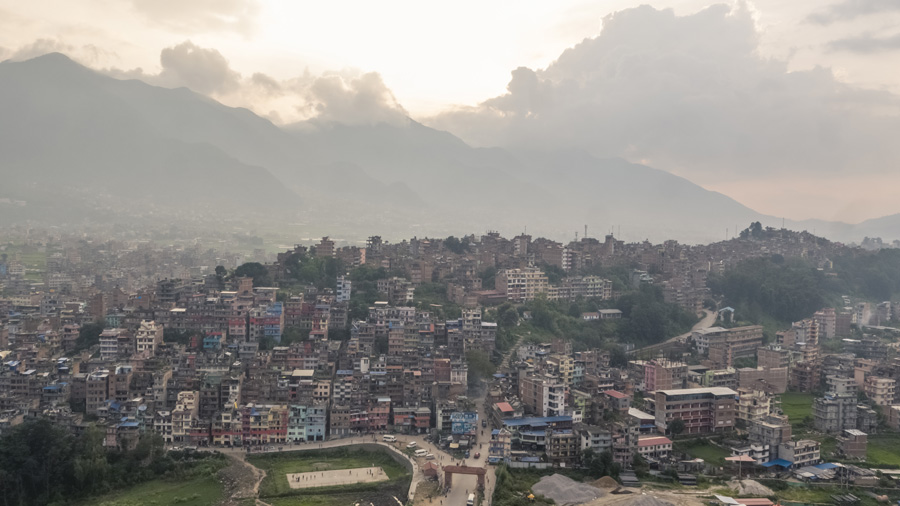
The process itself is a bureaucratic labyrinth. Operators must first apply to CAAN, then acquire Ministry of Home Affairs clearance for commercial operations, gain local authority approval (which was only digitalised post-Covid), ask permission from the Department of Archaeology to shoot heritage sites or the Department of National Parks and Wildlife Reserves, and pay all fees before they even receive the permit. Just for Everest Base Camp, permits cost nearly $5,000 on top of the National Park fee.
The latest penalty structure, too, has shocked many recreational flyers and aspiring creators. A first-time offence can result in fines topping Rs.25,000, a significant sum in a country where the average monthly income is only Rs30,000. A fine like that could wipe out young content creators who are just starting out.
But despite these strict rules, enforcement remains inconsistent and arbitrary. Maharjan notes, “Nepal has very strict rules, but little ability to monitor them.”
After the Gen Z protests last September (where drone footage of the violence and arson became critical for news coverage) the bureaucratic hassle has eased slightly, with waiting lists becoming more mindful for local operators. But the underlying structure remains the same with no coordination between departments.
COLLATERAL DAMAGE
Nepali creators use drones to produce content that feeds into the Nepali Tourism Board. The pictures they click and the videos they shoot are vital in presenting the appeal of Nepal to international media and in promoting domestic tourism via YouTube and Instagram.
Heritage sites and national parks are precisely the locations they need to film to attract tourists, but creators are barred from filming any aerial footage of Nepal’s iconic locations such as Swayambunath, Darbar Squares, and all national parks without formal permits.
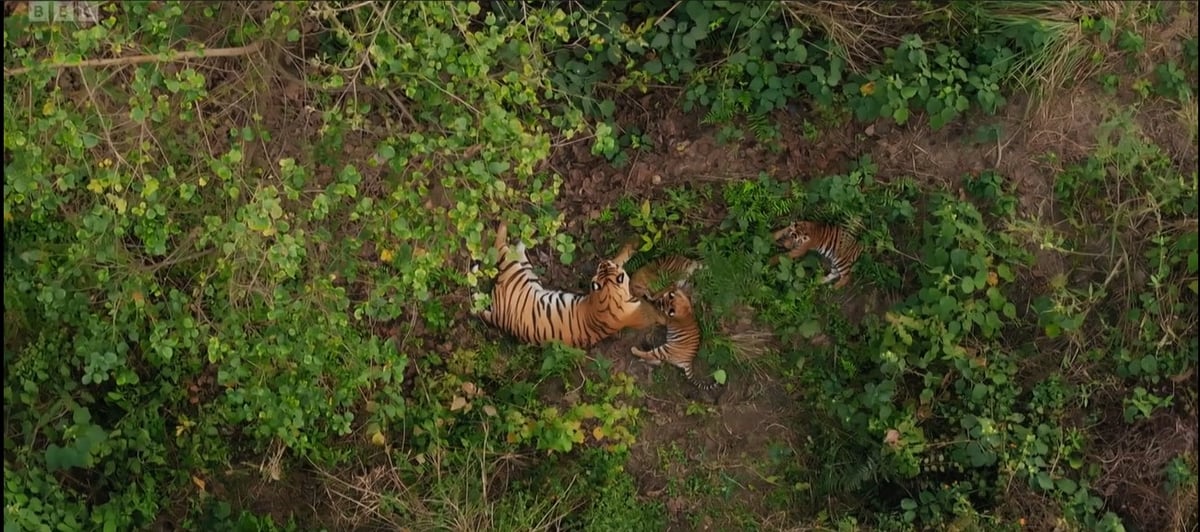
The government’s inability to distinguish between surveillance and promotion makes it harder for drones to operate legally. The result is that many drone owners do not bother with permits at all.
In recent years, Nepal has leaned heavily on individual content creators for promotional engagement. Thus, unsympathetic treatment of these creators is counterproductive to tourism promotion. Every grounded drone is a missed opportunity for the country’s brand.
The official rationale behind these strict regulations includes security, privacy, and safety concerns in crowded and sensitive areas. But this argument lacks nuance. The rules are grounded in blanket bans instead of careful consideration.
Chimourya’s post lays out an alternative: ‘Here’s a better idea: Require proper drone pilot training, issue drone pilot licenses, move permits online, reduce permit fees to something reasonable.”
Maharjan echoes the call for a more accessible and practical system. He proposes categorising different levels of projects and operators – separating movies, documentaries, content creators, and hobbyists – and issuing tiered licenses. A licensed pilot need not beg for permission to film a temple they have already proven they can safely navigate. And lower fees would prompt trust rather than suspicion.
Drone content creators are not calling for an end to regulation, they want a distinction between responsible and well-intended commercial operations and careless hobbyists, and for a system that trusts its locals who are invested in promoting their country.
Says Maharjan: “If regulations are improved, there will definitely be more drone operators which in turn has a positive multiplier effect on the economy.”