
Unlike the 2015 earthquake, when the death toll could be accurately tallied relatively quickly, the number of bodies retrieved after the Trisuli Flood two weeks ago is one-fifth of those reported missing
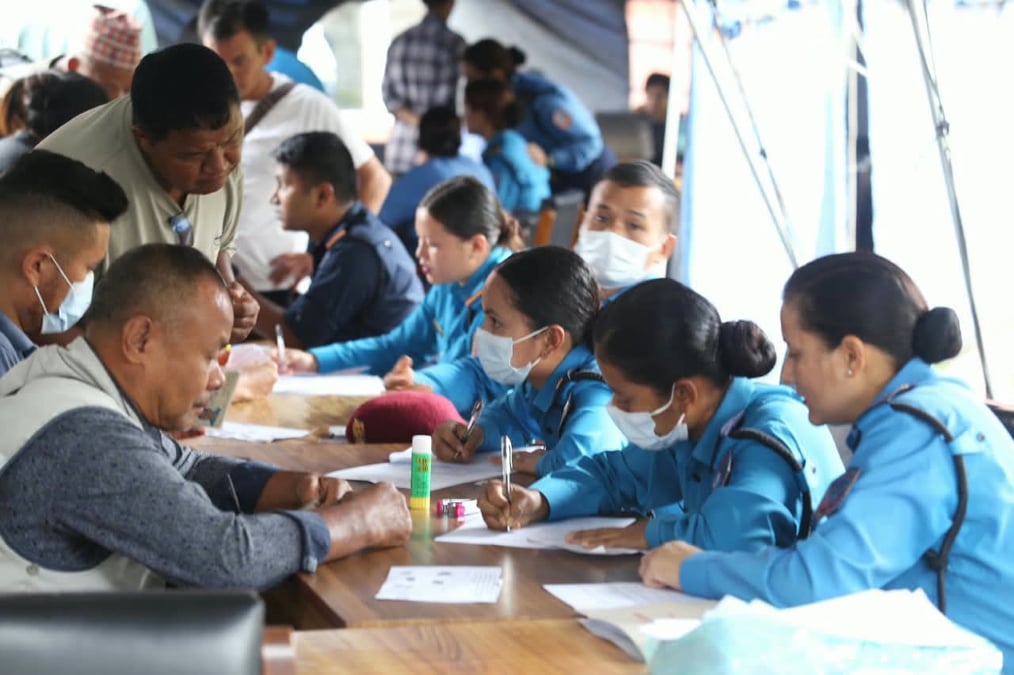
Rescuers fear that the actual number of dead may be much higher, and many of the bodies may never be found. However, of immediate concern is identifying the bodies and body parts found so far. The task has been complicated by the lack of DNA analysis capacity in labs in Nepal, and the fact that about 600 of the missing within Nepal are foreigners.
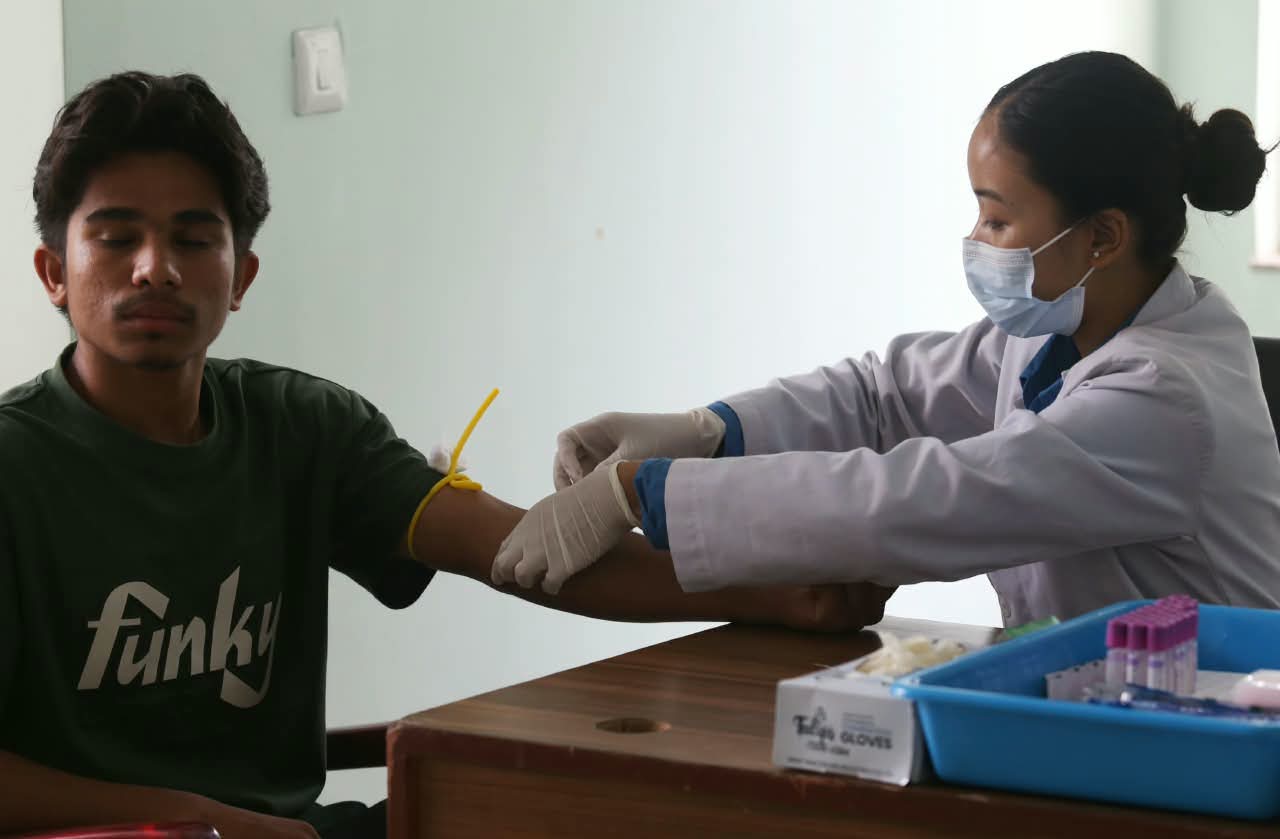
Forensic DNA testing is a fairly straightforward identification tool and entails the collection of samples of skin, hair, or more commonly, blood of a relative and matching it with the unidentified body. In cases of mutilated and disfigured bodies, forensic experts may also rely on tooth molars as biological samples.
Currently, Nepal has two primary labs handling DNA investigations --- the Central Forensic Science Laboratory (CFSL) and the National Forensic Science Laboratory (NSFL). At NSFL, the DNA extracted is used for biological detection at the gene level using the CODIS matching software and is compared against family members. India and China have provided further support by sending expert forensic teams to help in DNA analysis because their nationals are also among the fatalities.
“Receiving foreign support is helpful, but completely relying on it isn’t. We need to simultaneously make use of national capacity and mobilise the resources that are already available,” says Sameer Mani Dixit of the Center for Molecular Dynamic Nepal.
Nepal does not need to import expensive equipment or specialized DNA analysts, and can develop its own more efficient Disaster Victim Identification (DVI) capacity. There already are a few non-central laboratories with advanced PCR (polymerase chain reaction) and sequencing capacity that can be mobilised for back-end DNA profiling.
The staggering influx of DNA data has overwhelmed Nepal’s capacity to match it. The country’s labs used to do fewer than 900 DNA tests per year. Distinguishing human tissue from animal remains in recovery sites is proving challenging.
DNA samples collected from the scattered remains of the same person may also have artificially inflated the amount of data and slowed down analysis, experts say. Authorities have to be vigilant to prevent cross-contamination of DNA samples and maintain a strict chain of custody throughout recovery, transport, examination and storage.
It has already been two weeks since the disaster, and with time and morgues reaching maximum capacity, unidentified bodies have begun to decompose. This is why the government decided last week to temporarily bury the carefully labelled body bags.
Before being interred in designated burial sites in Gokarna and Bharatpur, every recovered body undergoes DNA sampling, receives an ID tag, a location code, and is placed in a sealed body bag.
Hospitals have tried to keep pace with the unprecedented surge of bodies and the need to identify them by posting graphic photographs of the bodies. Many relatives, already distraught, have objected to this practice of public display of bodies as violating the dignity of the deceased. In some hospitals, family members have to scan through images of hundreds of bodies to find distinguishing markers.
Relatives have urged the hospitals to adopt a more acceptable method of identification, like just posting cropped images of recognisable tattoos, rings, or birthmarks. Accelerating DNA investigations is critical, they say, but speed should never compromise fundamental human compassion. Especially, it must not come at the expense of the bereaved families’ psychological well-being.
To build up indigenous capacity for DNA analysis, Nepal needs simple extraction kits and to distribute them to non-forensic university labs and provincial hospitals to maximise efficiency. With the front-end of DNA identification decentralised, the DVI process can swiftly move forward without bureaucratic hurdles.
“During COVID-19, we had the same conversation. Nepal has skilled manpower and national organisations on standby. A green light from the government and we are ready to come into action immediately and help relieve the hefty load that central labs are carrying. All we await is for these organisations to be mobilised,” says Nabin Narayan Munankarmi, of the Biotechnology Society of Nepal.
What Nepal went through during the pandemic and what it is experiencing now is the need for optimisation of resources during a crisis, says Munankarmi: “Interdisciplinary, cutting-edge technology belongs on the frontlines in every disaster like this.”
Meanwhile, Nepali and foreign families of the missing are in a state of limbo, desperately awaiting news. But with DNA identification taking time, family members are having to sit back and cling to a sliver of hope that they will eventually receive the remains and be able to honour and bid farewell to their lost ones.
As more bodies are retrieved from the river banks, collapsed houses and hydropower tunnels, the mortuaries will fill up, and Nepal has to ensure that the dead are treated with respect and family members are assured of speedy analysis at their darkest hour.
Dixit sums it up: “Time is of paramount importance. And right now is no time to get tangled up in bureaucracy. It is time to act.”