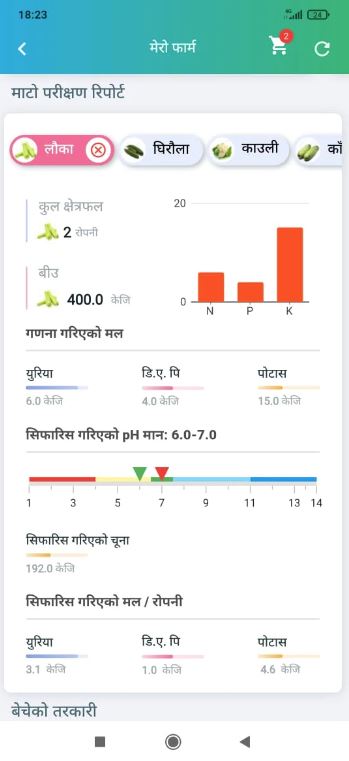
Tulsi Giri had little idea three years ago that his agri-food marketing platform in Kaski would take off so quickly.
Today, his digital startup called Kheti has grown from 1,300 farmers in Kaski to over 10,000 spread across Bagmati and Gandaki provinces.
“Food is a basic necessity, and a majority of Nepalis are engaged in agriculture for their livelihood, so we always knew the potential of growth a platform like Kheti would have but we didn’t think it would grow this quickly,” admits Giri, whose platform facilitates farmers to improve farm productivity and connect them to markets.
Kheti does this with advisory technical support to farmers, and collaborates with banks for agri-financing and subsidies. It also documents the agricultural cycle of farmers so they can improve productivity with inter-cropping, as well as directly connect them with consumers.
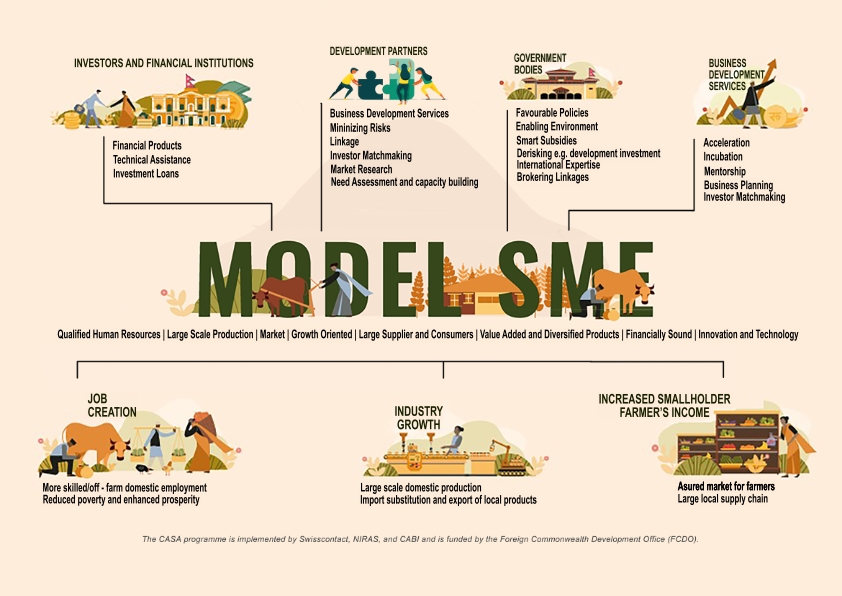
There is an important role for small- and medium-enterprises (SMEs) in developing Nepal’s agricultural economy, and this is often overlooked in national plans. A report by the South Asia Watch on Trade, Economics and Environment shows SMEs make up 80% of the industrial sector’s contribution to the GDP in Nepal and about one-third of the agricultural sector.
Some 66% of the country’s total population depends on farming for livelihood, yet small and medium enterprises, especially in the agriculture sector, face multiple hurdles for growth.
“Politics and inconsistent policies have always been a huge barrier to economic prosperity in Nepal, including in the agriculture sector. Because of this, farming suffers from the high cost of production and stiff competition in export,” says Gokarna Raj Awasthi of FNCCI at the recent Nepal Agriculture Meeting.
Other challenges include inadequately trained workforce that lacks skills, high interest rates when accessing credit for farmers, procedural difficulty in subsidy programs, poor post-harvesting plans and policies and ineffective dissemination of information about existing incentives and facilities.
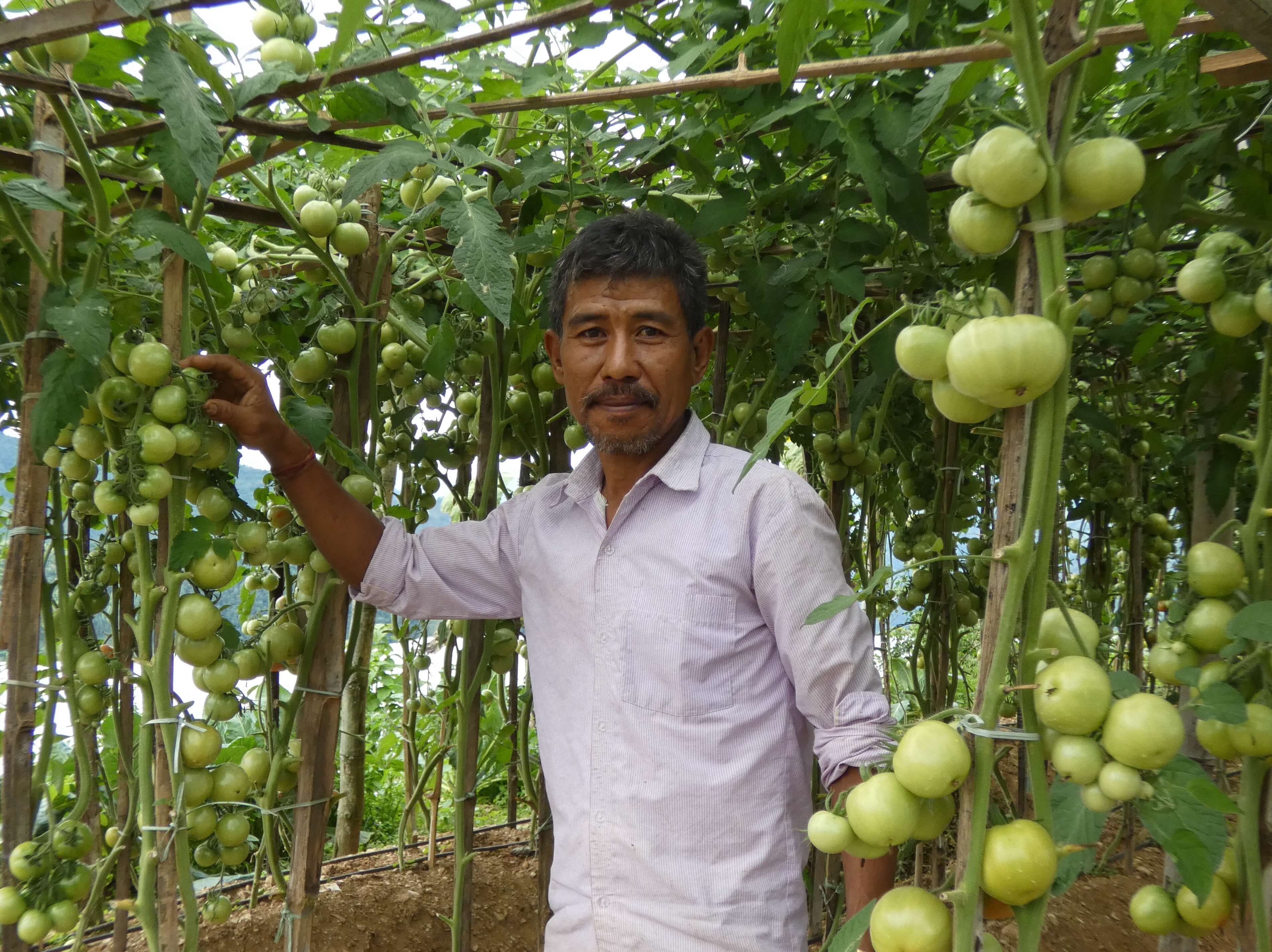
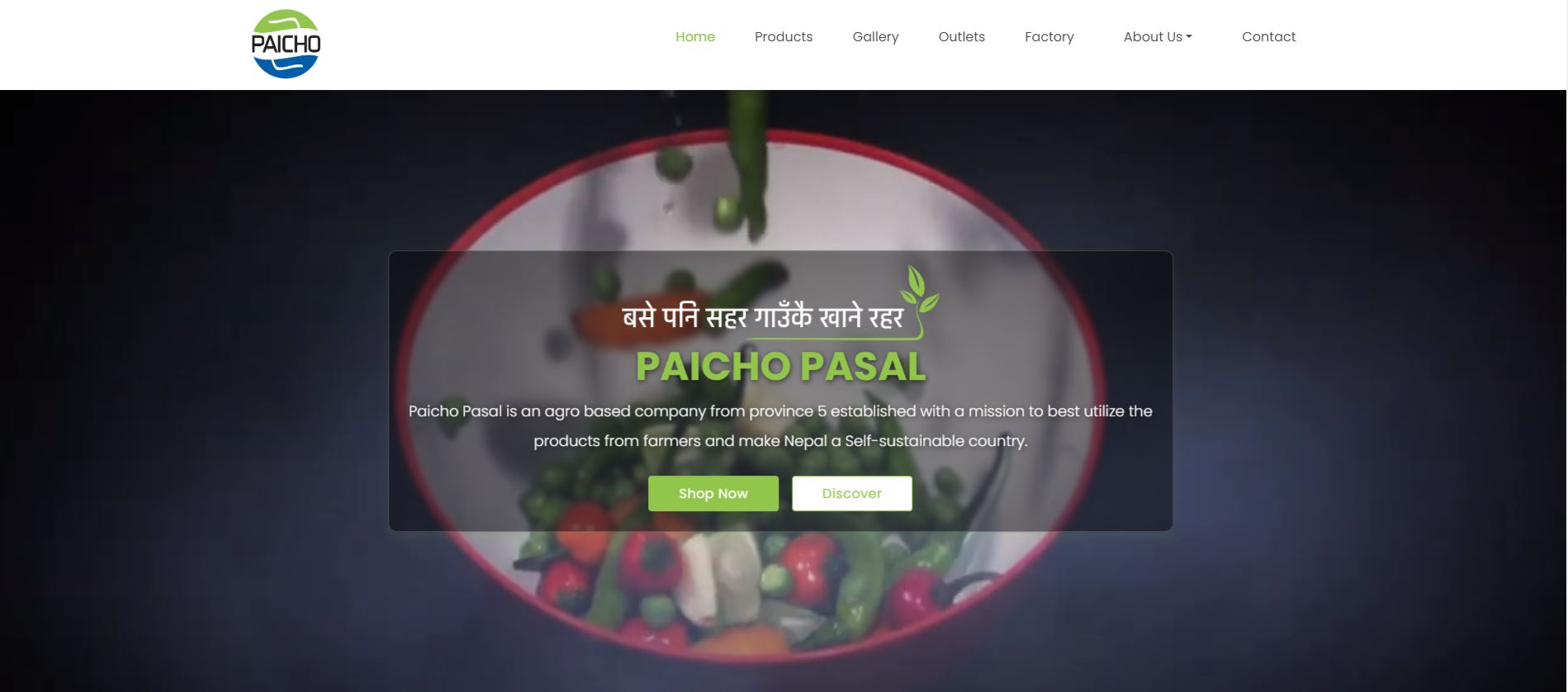
Nepal’s diverse topography provides agriculture with immense as yet untapped potential, says Durga Prasad Bhandari of Paicho Pasal, another company that works with over 25,000 farmers in delivering produce across Nepal.
He adds, “Agriculture is the only sector in the country that is capable of mass production, but we have not been able to capitalise on it and export … we have not been able to even meet the local demand market owing to challenges in channeling and logistics management.”
Paicho Pasal also assists farmers in strengthening production capabilities by providing them with technical skill training to improve harvests, and reduce marketing gaps.