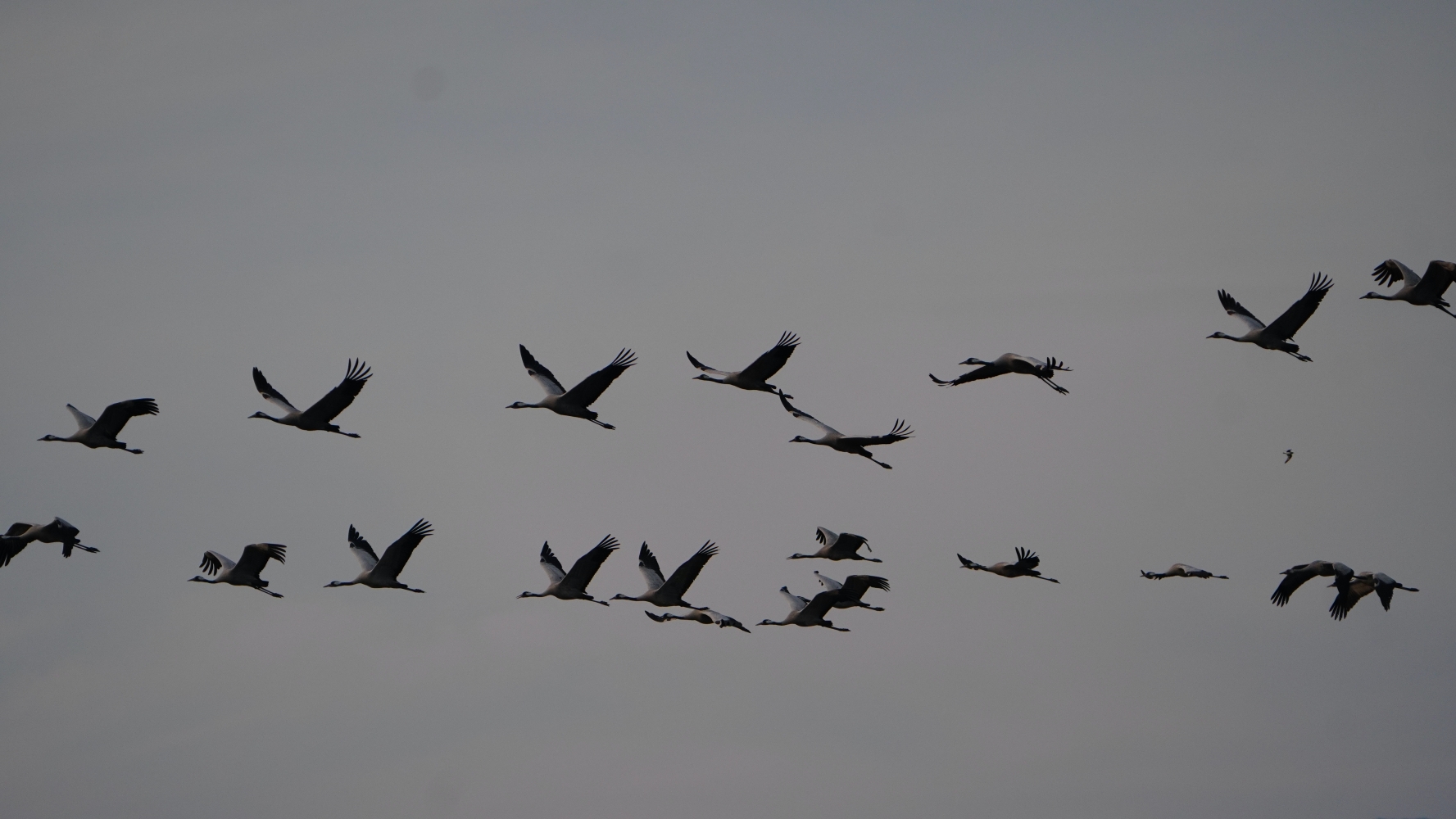
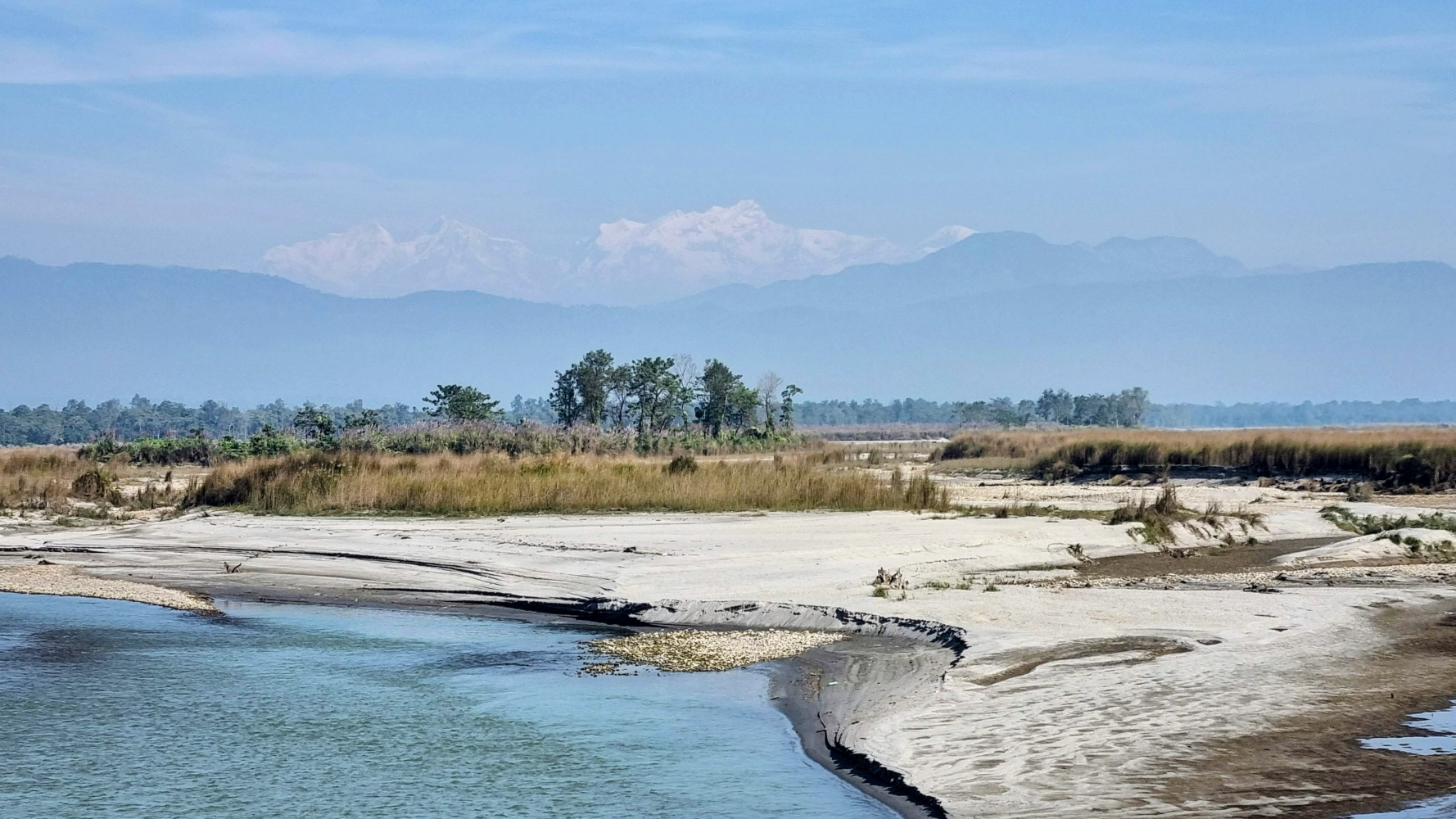
The Narayani River is one of the most important biodiverse hotspots among Nepal’s three major river systems. It is inhabited by critically endangered gharial crocodiles, gangetic dolphins, Bengal tigers and the great one horned rhinos.
The river drains the watershed of central Nepal and is fed by glaciers from the Annapurnas to the mountains in Tibet. Nepal is among the 30 countries on the route of the Central Asian Flyway, making the river a significant site for the world Wildlife Fund (WWF) Wetlands for Asian Flyways.
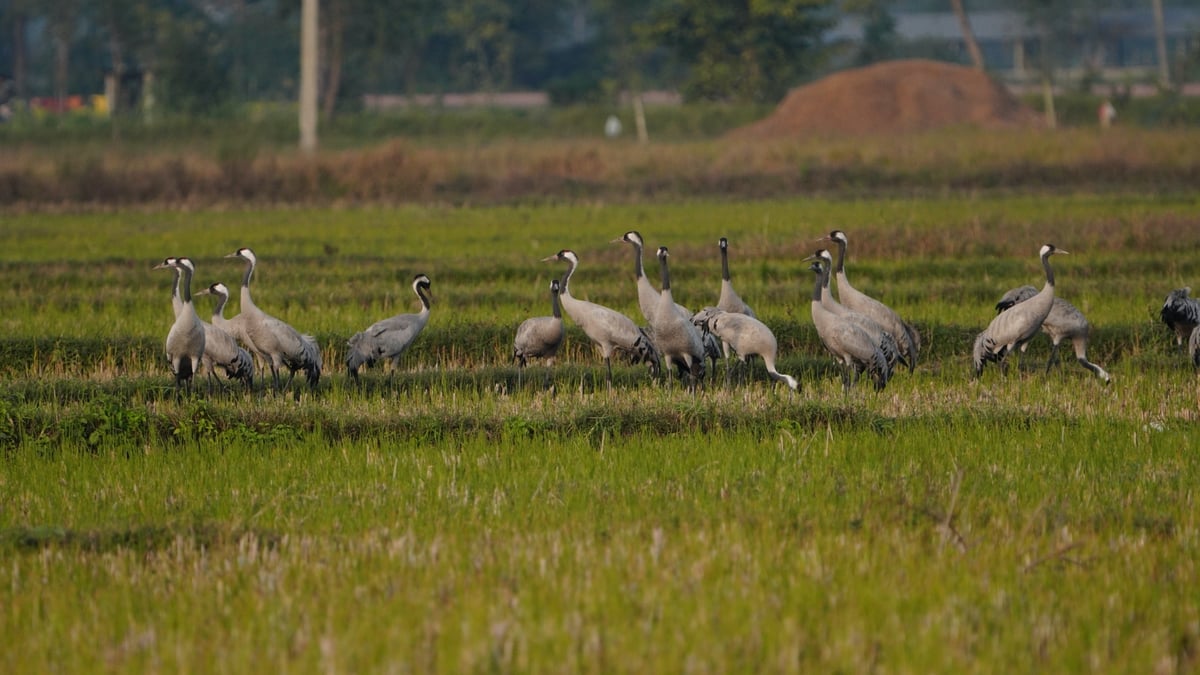
Migratory birds from the north cross the Himalaya along the tributatries of the Narayani in winter as the river and surrounding areas provide safe resting and feeding habitat for the fowls when the river enters the plains. The post monsoon receding rivers, oxbow lakes, and marshes supply food to the migratory birds and other wildlife.
In the 1960s, entire villages from Nepal’s mountains were translocated to the Tarai once malaria was eradicated. Vast stretches of forests and grassland were cleared for farming for the settlers in areas like Chitwan. The indigenous Tharu, Bote, Danuwar, Mushahar communities along the Narayani floodplain became a minority.
The influx of population continues due to accessibility, infrastructure, facilities and livelihood opportunities in the Tarai. Chitwan’s population has increased by 37% since the 1981 census. Human settlements are now getting ever closer to the river boundaries of the Chitwan National Park.
Chitwan has changed dramatically from the time I first visited in 1967 and when I started my career as a naturalist in 1984. The once laid-back and sleepy town was surrounded by large expanses of farms and forests stretching to the horizon, with the Narayani flowing nearby. Farmlands on the Narayani floodplains were inaccessible till 2000.
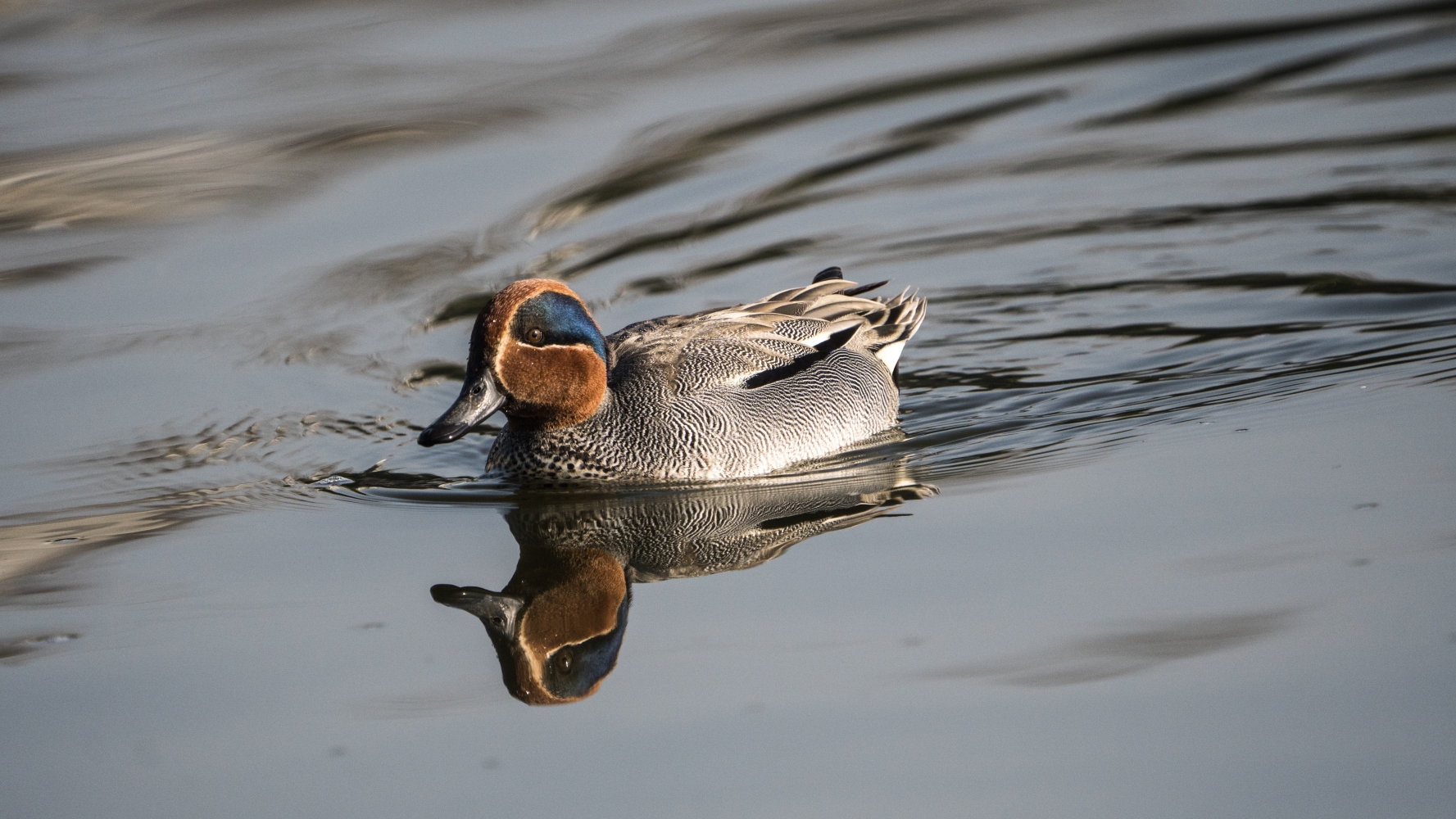
People primarily grew single paddy crops annually, and much of the post-harvest paddy field was left fallow. These moist fallow fields with marshes were prime feeding habitat for geese, ducks, cranes, storks, Ibis and many waders. Today, Chitwan is one sprawling metropolis.
The construction of dykes, spurs and high embankment to avert floods now prevent the farms from getting replenished with alluvial deposits. The deepening river channels have also deprived uplands of groundwater and farms of moisture .
In 1973 Chitwan National Park was established as Nepal's first protected area, and in 1996, the government introduced the Buffer Zone Management Rule under the National Parks and Wildlife Conservation Act to manage forests surrounding protected areas, and ensure local participation in parks management.
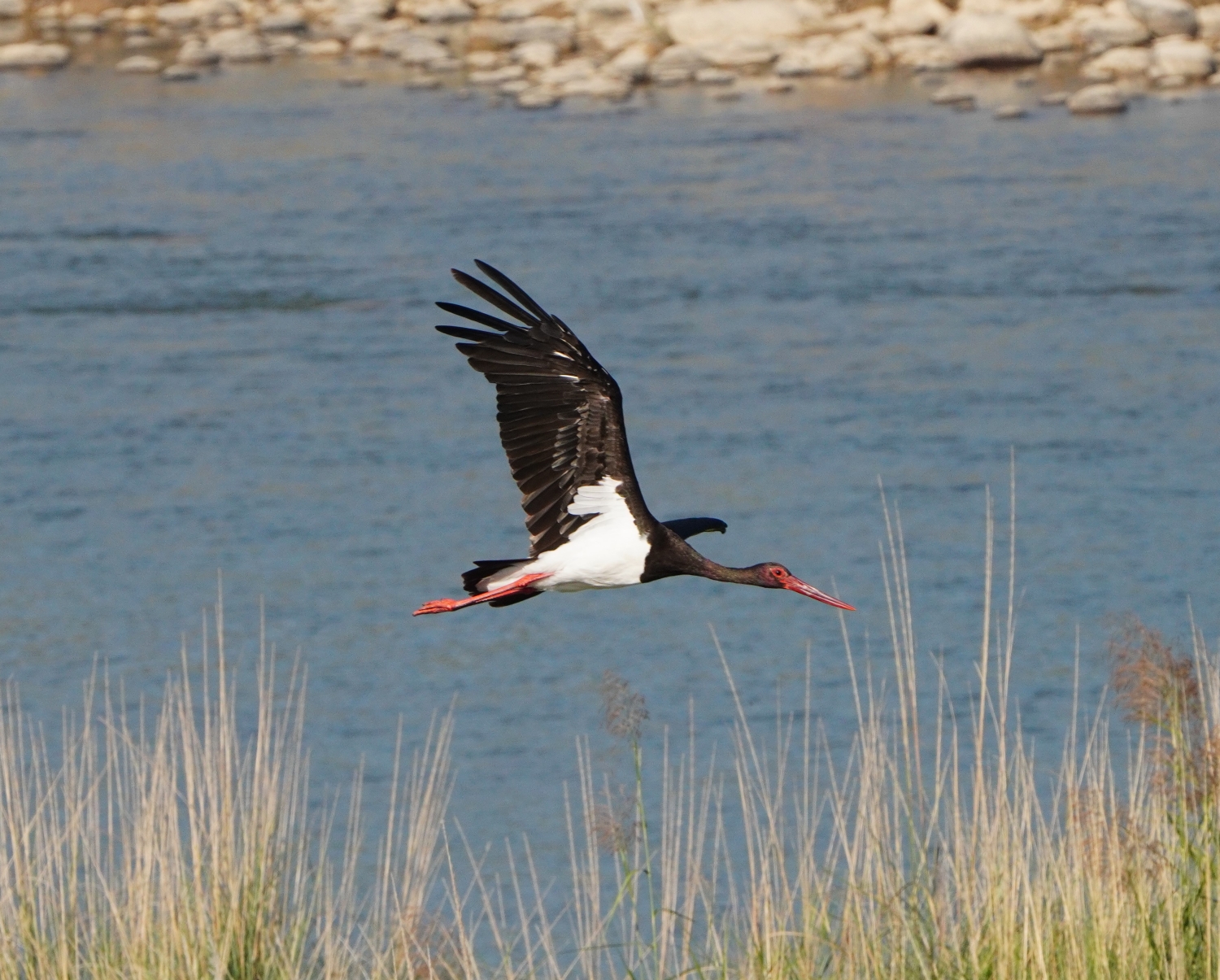
Human persecution of wildlife decreased significantly after buffer zone regulations were enacted, and benefited local people via tourism and revenue from the national parks. Conservation partners worked closely with communities and contributed to an increase in the numbers of many iconic endangered species such as tigers, rhinos, wild elephants as well as migratory birds.
Behaviour Change Champions’ bi-annual bird monitoring in the Narayani floodplain recorded 145 bird species in February 2025, and 148 bird species in December. Of the species documented, rare migratory birds included a single Sarus Crane, one Spot-billed Pelican, and about 20 Greater White Fronted Geese.
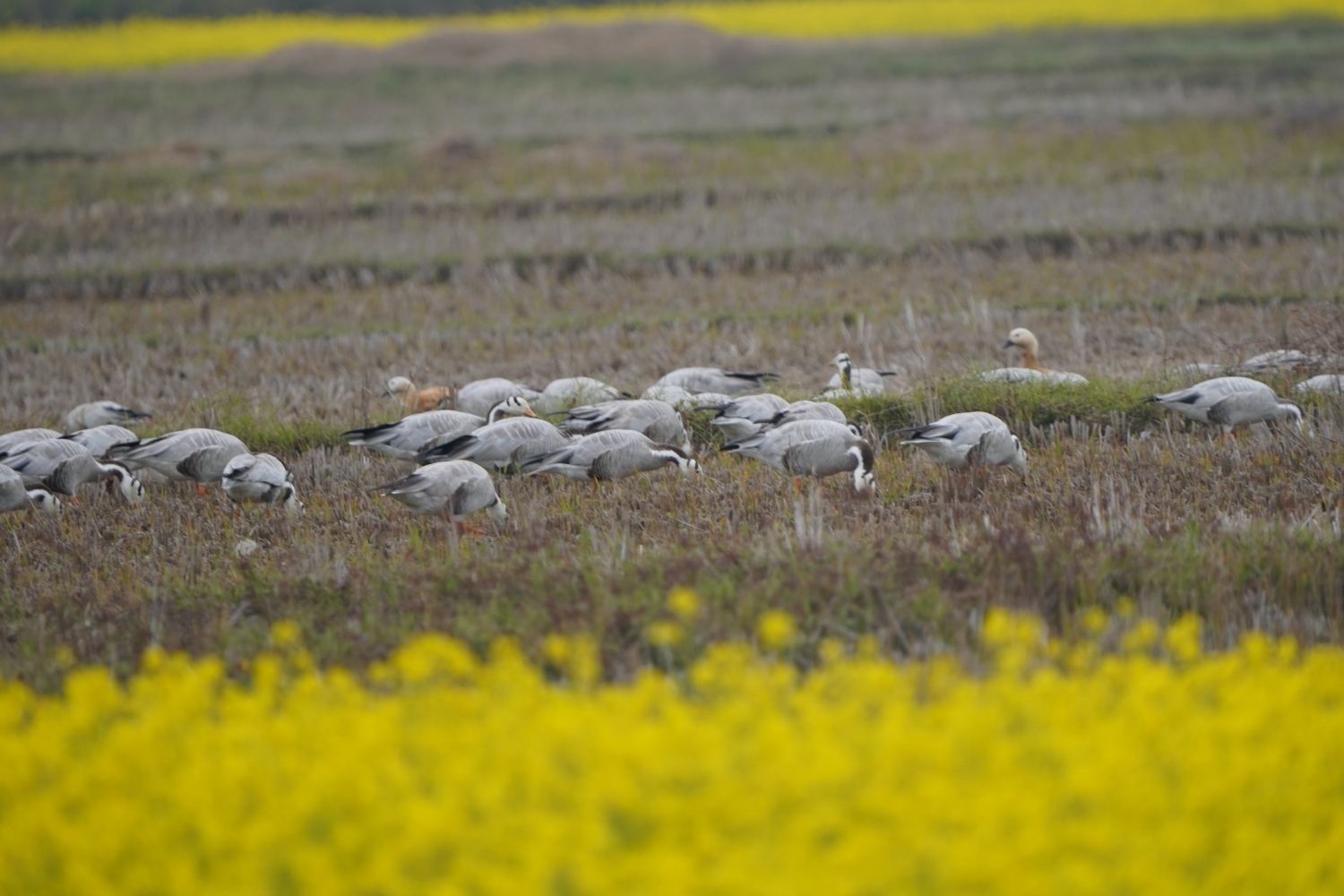
In January 2005, two Bar-Headed Geese were fitted with satellite radio telemetry. Both the birds flew northeast to Dingmo Co lake, about 500km north of Mt Everest. Their return destination was far away in the wetlands of Bihar and Uttar Pradesh states of India.
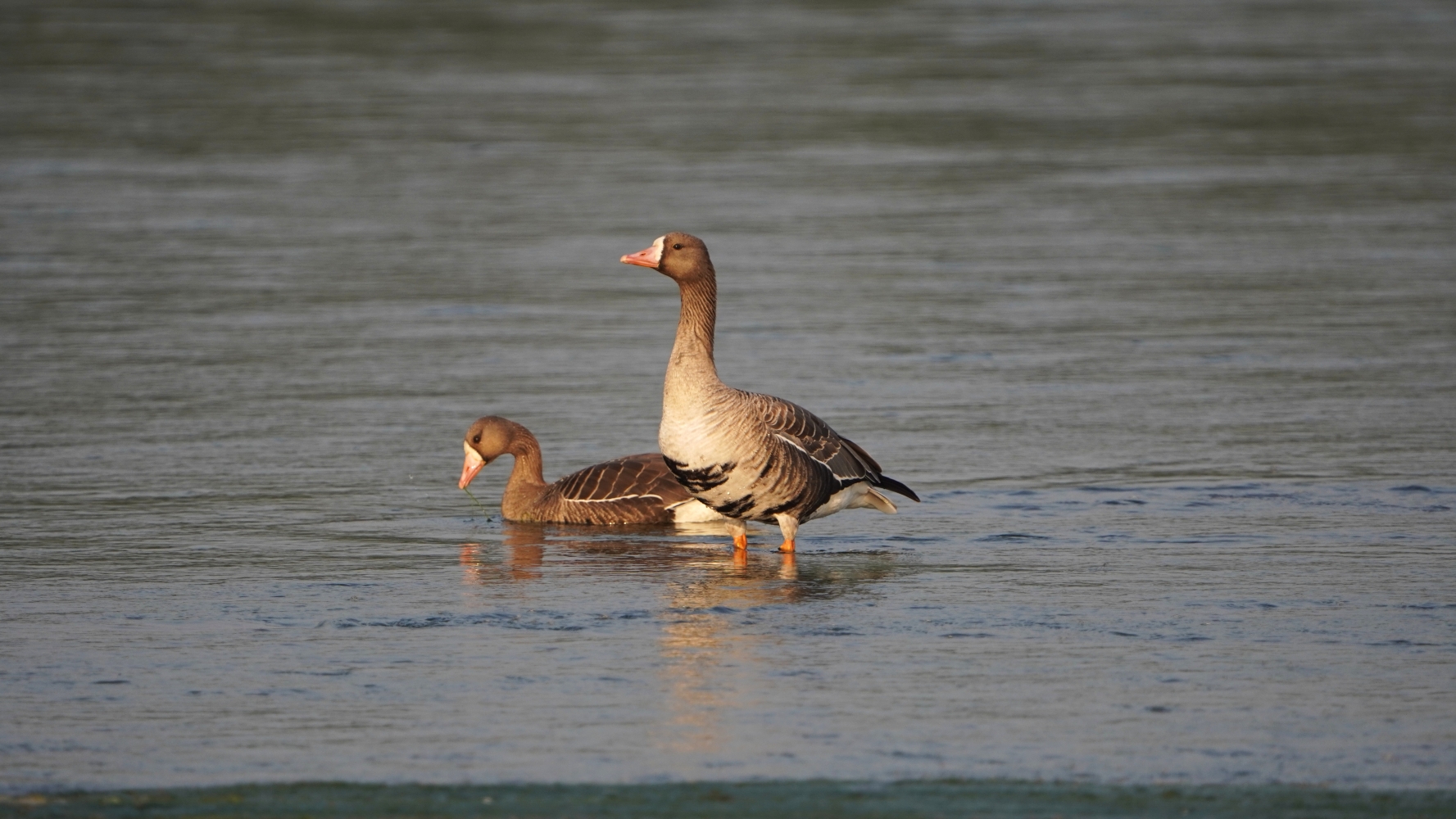
According to field ornithologists DB Chaudhary, the number of bar-headed geese increased over 60% from 576 in 2024 and to 946 in 2026. Similarly, the number of Ruddy Shelducks also increased by nearly 60%, from 5,091 in 2024 to 8,523 in 2026.