Working Women
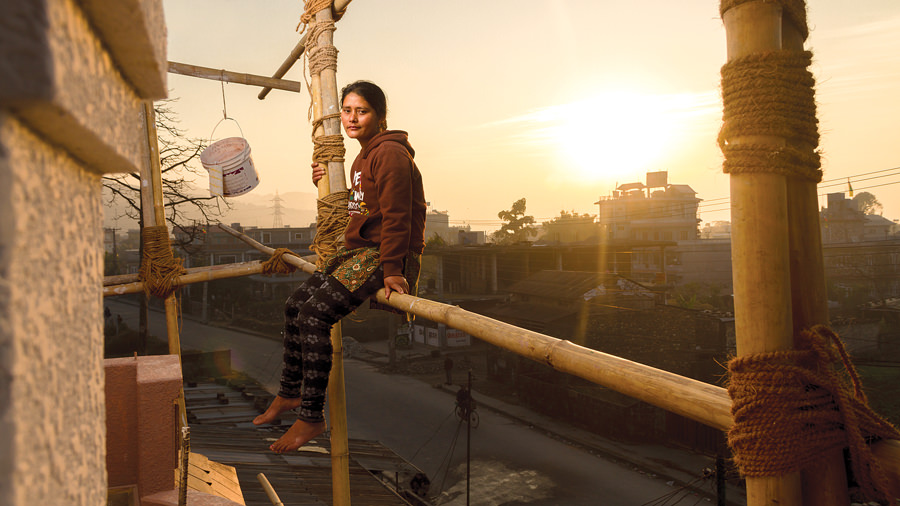
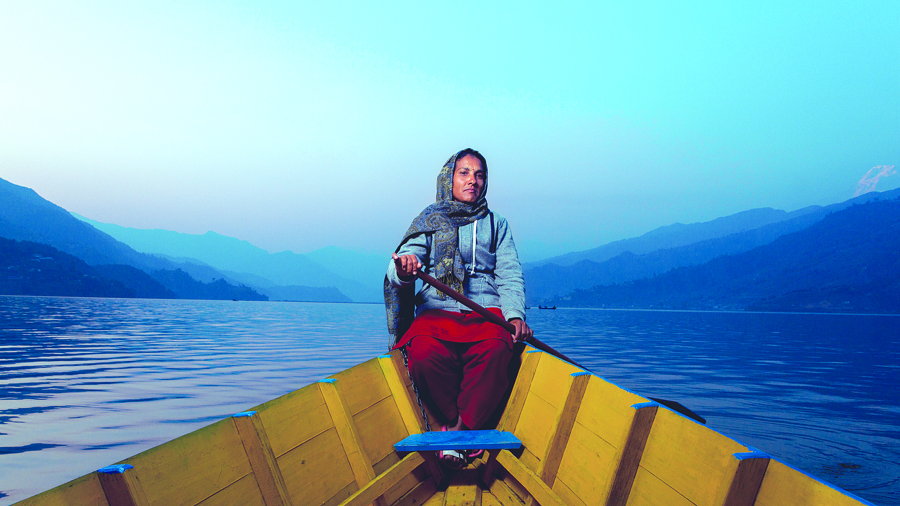
Portraits by Sanjog Rai Sunita Nepali, a single mother in Pokhara, works as a house painter. She is also a filmmaker who has made two documentaries that have been screened locally and overseas.
After his father retired from service in Singapore and Sanjog Rai returned to Nepal, he dabbled in journalism. But he found his true calling in photography, especially in mixing travel with portraiture. He set up his own commercial photography company, Abstract Studios, to earn a living. During assignments, he started working on images that really stood out for the stories they told.
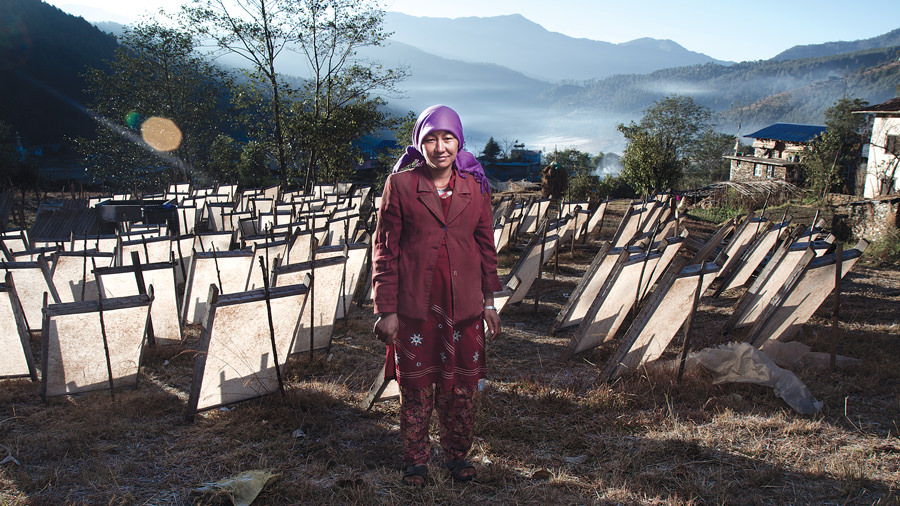
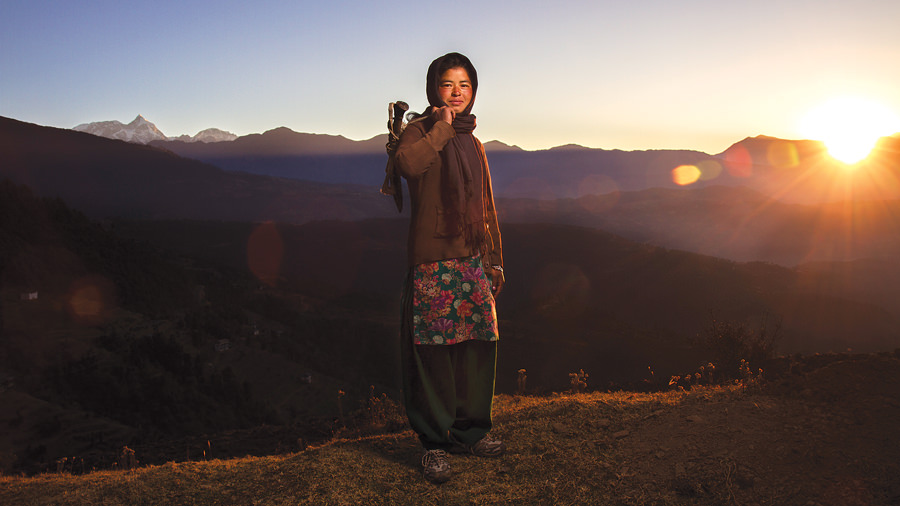
Jenuka Shrestha from Jiri has been making lokta paper for a decade. She had to learn the technique secretly because her senior colleague didn’t share the process with her.
It all started with a chance meeting with Jenuka Shrestha in Jiri, who makes lokta paper. The light was fantastic and the portrait came out really well. Rai thought of making the photo part of a series on working women, and wherever he travelled in Nepal thereafter he started working on portraits of women. It was never hard to find them working.
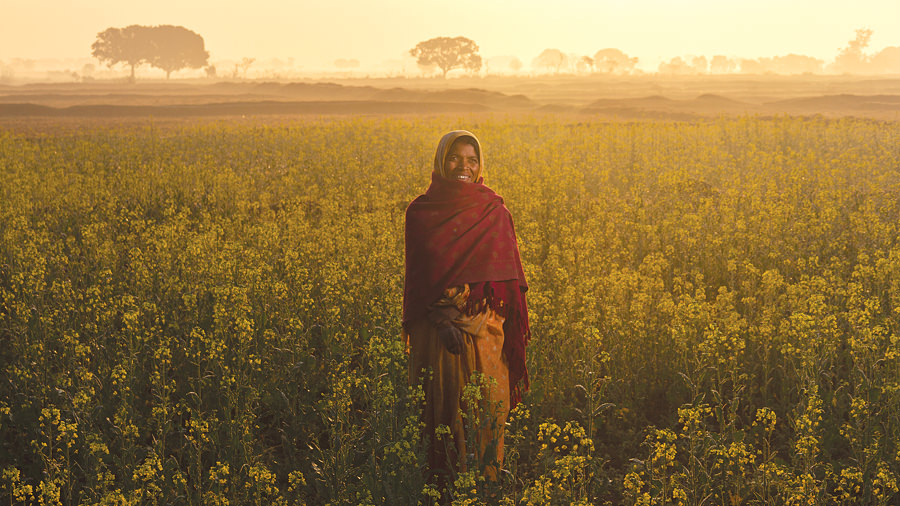
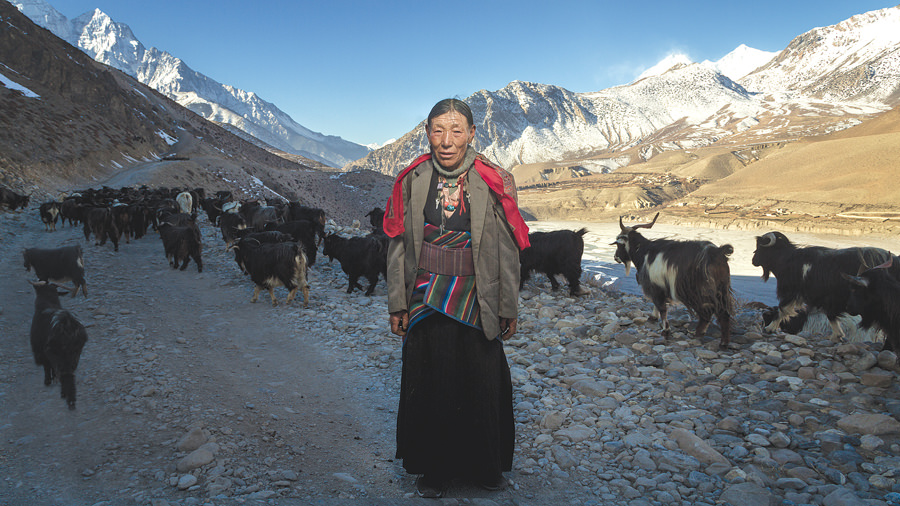
Phoolo Devi Sada, from Saptari, has worked her entire life as a farmhand, just like her ancestors before her. She recently bought her first piece of land.
Rai was disenchanted with travel photography he saw in Nepal. “I had seen the crushed blacks and perverse amount of sharpening, and I wanted to set a new challenge to myself, besides there were all these stories just waiting to be told,” he says.
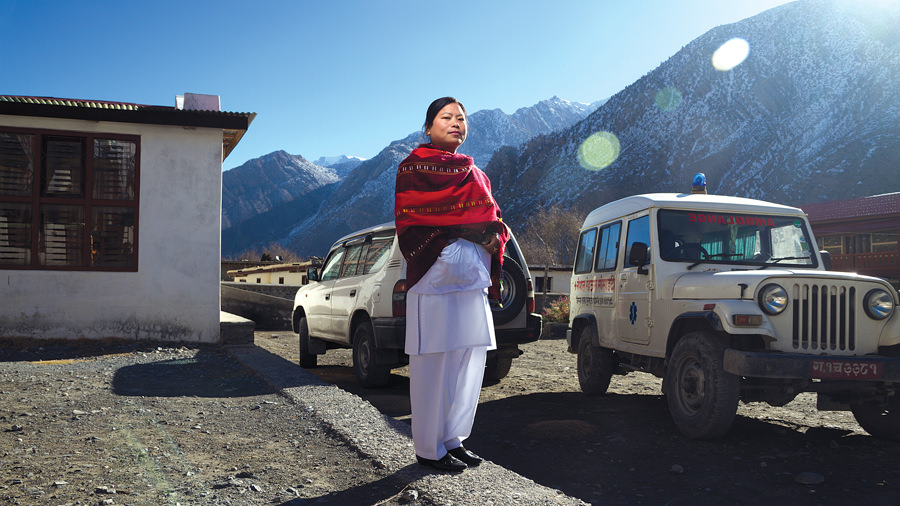
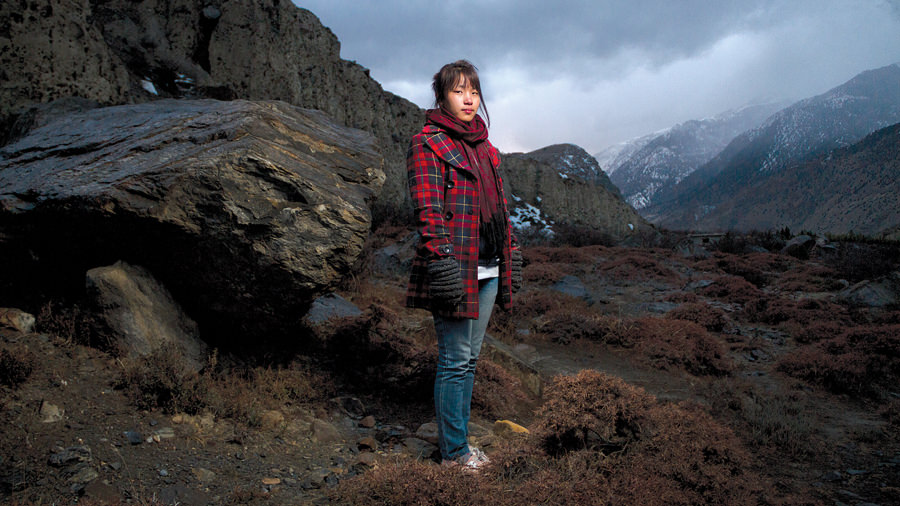
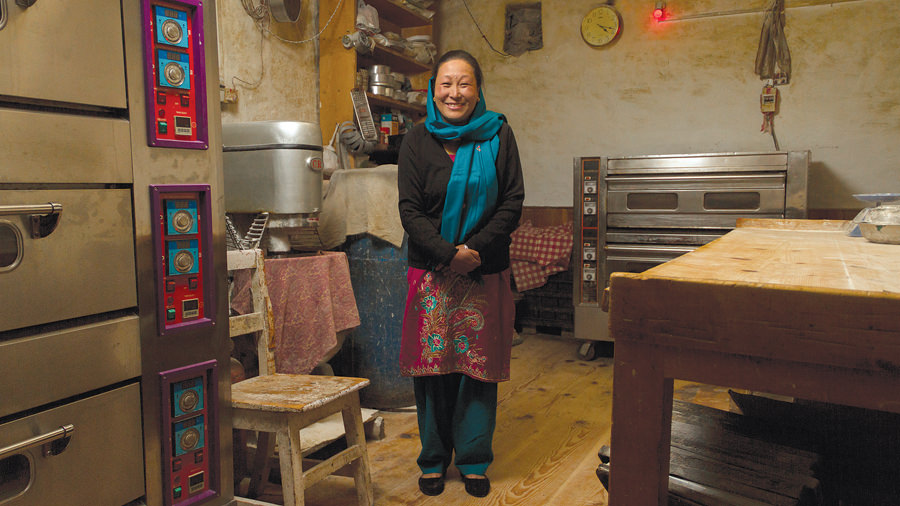
Chandra Maya Rana has been a nurse for the last 14 years, and is currently based in Mustang Hospital, Jomsom, where she balances both duties of senior nurse and administrator.
Rai wanted to show the extraordinary lives of ordinary women through pictures. So far he has taken just 12 portraits: his goal is 50, enough for an exhibition.
“I only work on one portrait per day,” says the 33-year-old. “I will be happy if even one of the hundreds of pictures I take every day comes out well. If more than one comes out well, I get sceptical.”