
Nepal’s youth revolt, a year later
Students of the September Storm in Kathmandu reflect on how the rally turned deadly, and what has changed
Sudiksha Tuladhar and Shuvani SinghMultimedia
On 8 September 2025, Icchya Thapa, 23, woke up all excited to join the rally that Nepal’s GenZ had been organising online.
Like many young Nepalis, she was outraged by a corrupt sociopolitical system that made the rich richer and disregarded ordinary people struggling to survive.

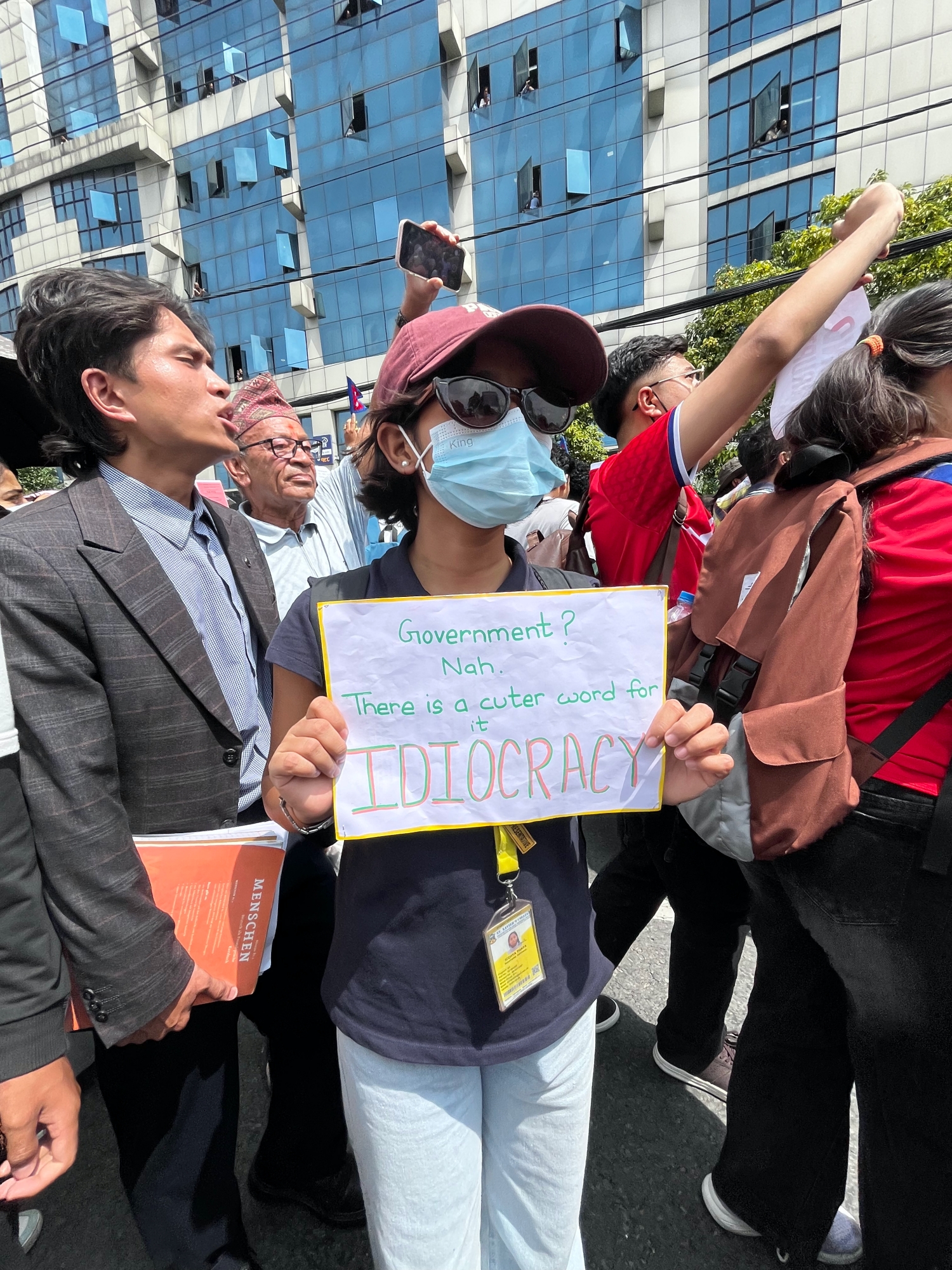
She had taken a half day off at work to join the protest, and headed to the Maitighar Mandala roundabout with a friend. It was a bright sunny morning, and they joined hundreds of other young demonstrators. Waving placards and banners, they chanted, played music, and marched against the status quo.
“The rally was peaceful, people were handing out water bottles and urging others not to litter. We were all having a good time,” Thapa recalls, a year later.
They had no idea that the protest would soon take such a violently unexpected turn outside Parliament.
In a hurry to get back to work, Thapa and her friend had turned towards Baneswor to head back. As they tried to pass through the crowd, people were running in the opposite direction, blocking their way and their view of what was happening at the front.
So the two took an alternate road back to work through Anamnagar, where students from various colleges had congregated.
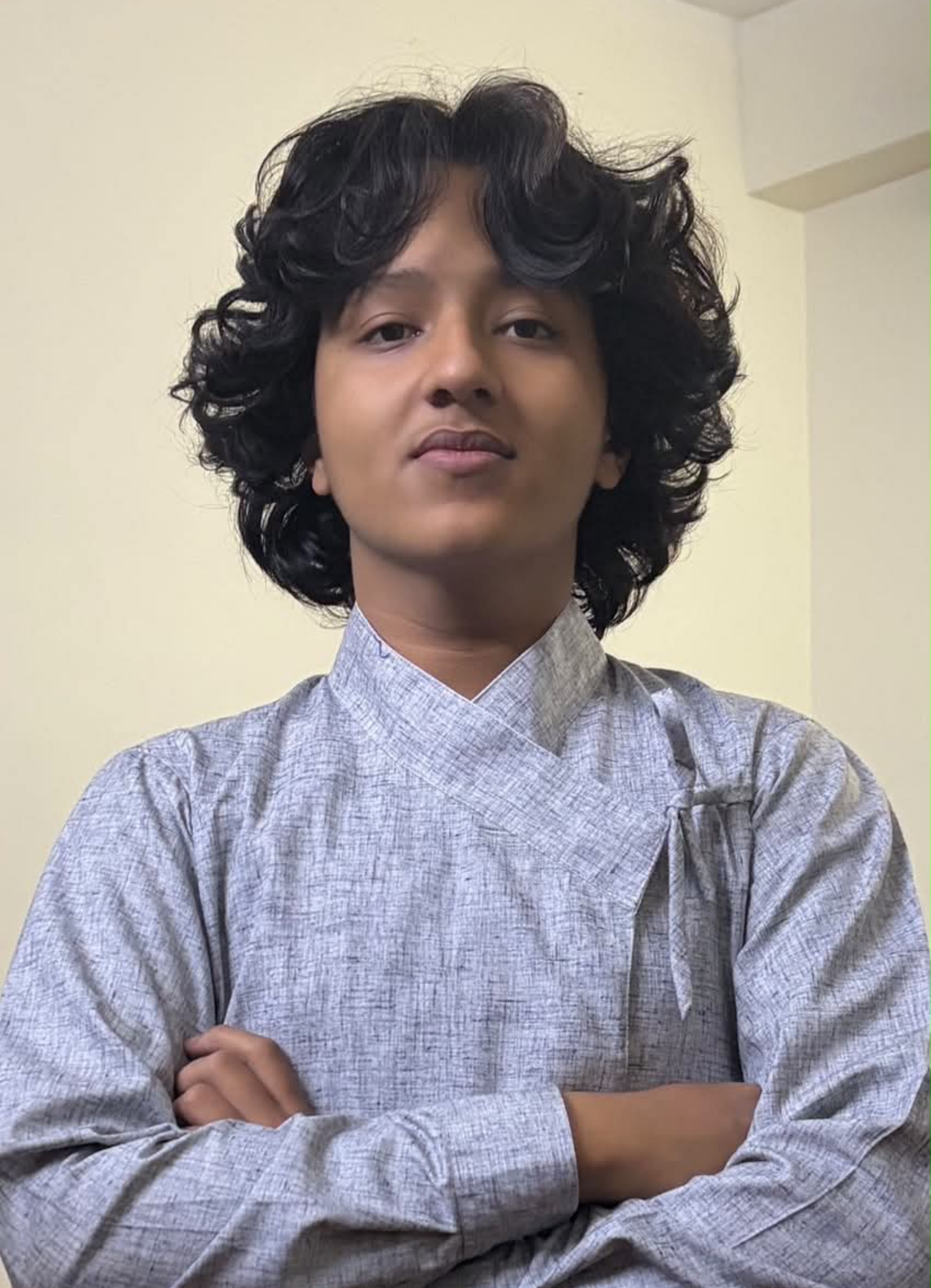
Attul Shahi joined the rally that day swept up in curiosity and frustration as he watched thousands of young people pour onto the streets of Nepal. He had initially planned to watch a movie with his friends, but believing that the protest would be peaceful, the group changed course.
“At first I was just curious,” he admits. “I was saw so many young people talking about it and going to the protest, so I wanted to see what it was actually like for myself. Also, there was the frustration towards that old government.” The feeling of everyone standing up together for what they believed in, he adds, also pushed him to join.
Suddenly, outside Parliament shorts rang out. A few meters from him, someone was shot. “I decided to leave when I saw that,” Shahi recalls. “Seeing that happen right in front of me was very scary. There was tear gas everywhere, people were running around and panicking, and I knew things were turning serious.”
Eyes stinging, Shahi followed the crowd until he was able to duck into an alley and pour water over his face. All around him, people were getting beaten by police, shots were being fired from all sides, and a miasma of tear gas enveloped was enveloping the intersection.
“That was when I realised how unsafe the situation had become,” says Shahi. Afraid and disoriented, he made his way home.
Meanwhile, only when they reached the office did Thapa find out how quickly things had taken a turn for the worse. A place that minutes before had been one of music and solidarity ended in bloodshed. Nine students had been shot at close range by riot police guarding Parliament.
“When I reached the office and opened my phone, I saw that a student had been shot,” Thapa says. Her fingers stayed frozen. “I never imagined it would end so terribly.”
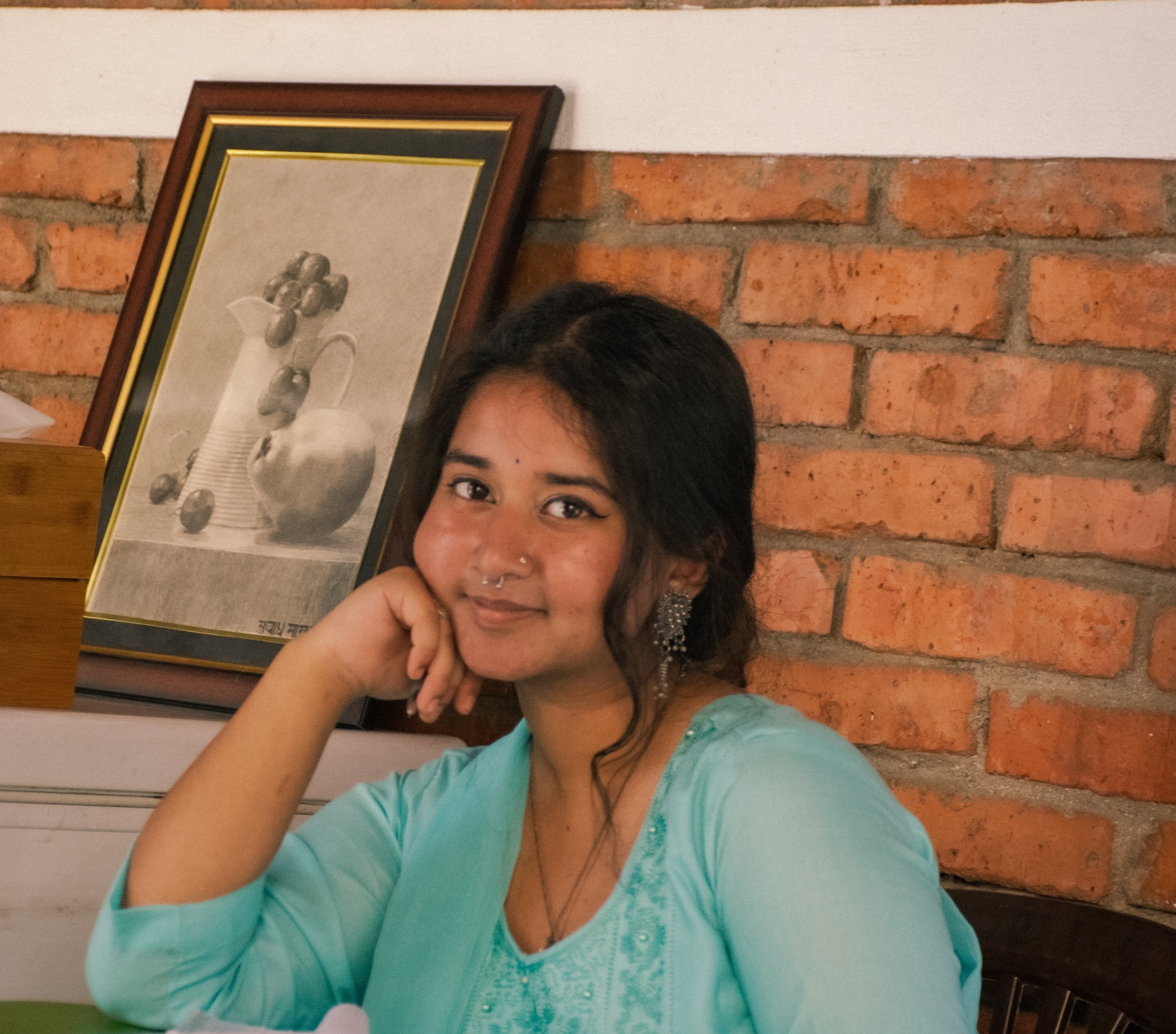
In the days leading up to the protest, Rupasi Dulal, 24, watched with increasing anger video clips on social media of the offspring, relatives, and friends of Nepal’s political and business elite.
When the nationwide call for demonstrations came through, Dulal thought of those clips, the ostentatious display of wealth and entitlement. But then the K P Ali government banned 26 social media platforms, and that made her even more determined to be part of the rally.
“Although the social-media ban was portrayed as the primary cause of the protest, it was the demand for accountability that pushed us to participate,” Dulal says.
When Dulal’s teachers at her college found out she was going to the protest, they briefed her and other students on where to go and gave them safety tips. While she arrived prepared, she recalls that many other protesters were not.
By the time the first shots were fired, Dulal had already left the intersection. A friend later called to tell her that people were breaking down the walls of Parliament. Realising that the situation had spun out of control, Dulal urged her friend to move to safety, and began frantically calling everyone she knew who had joined the demonstration.
Anger over the death of 19 youths spilled over into arson, looting and mayhem the next day. By the evening of 9 September 76 people had been killed, and more than 2,100 injured. The Parliament, Supreme Court, Singha Darbar, hotels, schools, businesses, media companies were set on fire.
A year later, remnants of those fateful two days are still visible all over the city. Graffiti on walls curses corrupt politicians, construction crews work on to repair buildings damaged by the arson. ‘Gen Z” has since become the principal label for any young Nepali.
Both Thapa and Dulal say the political outcome was not what their generation had sought. Their demand, they insist, was for accountability, transparency and equal access to public services.
When asked why they think of the past six months of the RSP government that came to power with a near outright majority in March, Dulal and Thapa say almost in unison: “We never wanted a new government. All we wanted was for our voices and concerns to be heard.”
As for whether the authorities have answered that call, Dulal remains cautious. “It is too early to comment on the present government, they need time to work rather than being judged immediately.”
The political landscape has shifted dramatically since last September, and Nepal is six months into the government of Prime Minister Balendra Shah, who became a symbol of youth defiance in last year’s protests. Shahi, like many young Nepalis, watches this the new administration with cautious optimism.
“Nepal has always needed a sort of ‘hero’ figure to lead. Right now it is difficult to tell if Balen is the right person for that role, but we should be hopeful, I think,” he says.
For Dulal, Thapa and many other youths who joined the rally the demand — and hope — for a better Nepal has taken a deeper meaning because they joined the protest one year ago.
“Seeing people dead and injured in hospitals only deepened my love for the country. I felt a sense of commitment towards Nepal like never before,” Dulal says.
For Shahi, the movement that shook the country remains unfinished business: “I don’t think the protest has achieved what they actually set out to do yet. We definitely started something. But something else is still lacking. I think that is something that will happen perhaps five years down the line.”
Instead of declaring the movement victorious, he describes it as still something in progress. “I would say the protest is still trying to achieve those things, rather than saying it has already achieved them.”
Yet one shift, he believes, has taken root: young people today are more politically aware than they were a year ago.
For many young people active on digital platforms, news and information about politics, about what is going on in Nepal’s halls of power, its bureaucracy, and across communities is no longer incidental, but purposeful. In the aftermath of the protest, GenZ’s constant access to information has shaped its political identity, say Nepali youth.
“After the protest I felt like young people started paying more attention to politics and what was happening in the country,” he explains. “ Now people are more willing to question things and speak up.”
Social media has enabled young people to communicate quickly, build networks and communities, and connect local grievances with wider national conversations.
“GenZ are now more politically aware. We keep up to date with what is happening around the country and the world,” Thapa says. “And all we want is to hold authorities to account.”
Adds Dulal: “We, as GenZ, have always been curious. The urge to know why has shaped our character as a generation. Last year’s protest has made us more curious, and more united.”
The legacy of the past three decades of misrule do not disappear with a single protest or within a single year.
It takes effort, and it takes time, and a reflection on past mistakes. “Now all people are a bit more critical and cautious of the government, and that’s a good thing,” says Shahi. “I don’t think Nepal can handle another grossly corrupt government right now.”
The vigilance and caution is an evident legacy of the protests, and one the youth do not take for granted.
The graffiti left behind haven’t all been painted over, the legislature, judiciary and executive buildings and the seats of state are still stand in ruins, and mute reminders of the violence on 9 September. And the young people who marched into the streets are still there — slightly older, perhaps wiser and still hopeful that it was not all in vain.