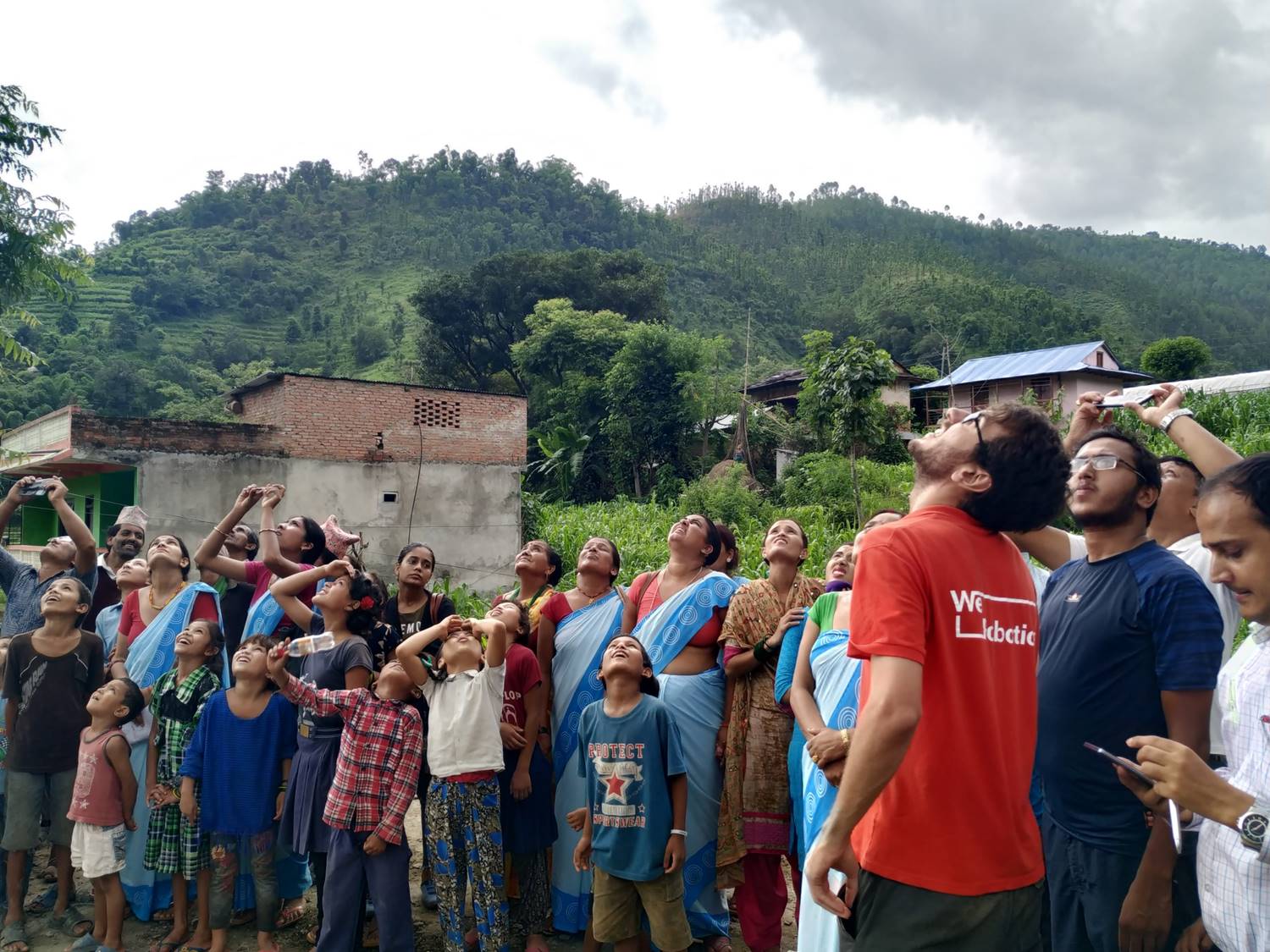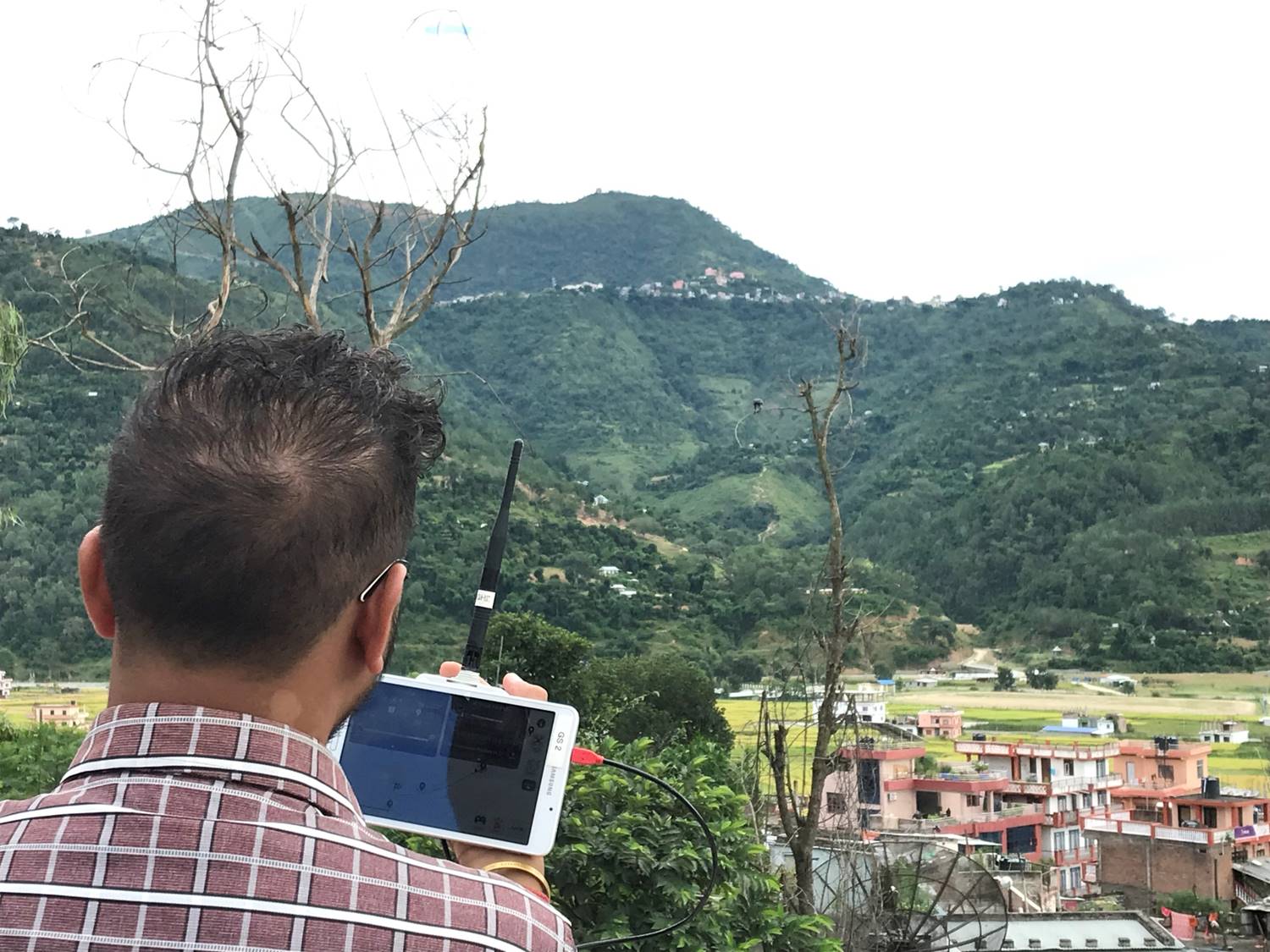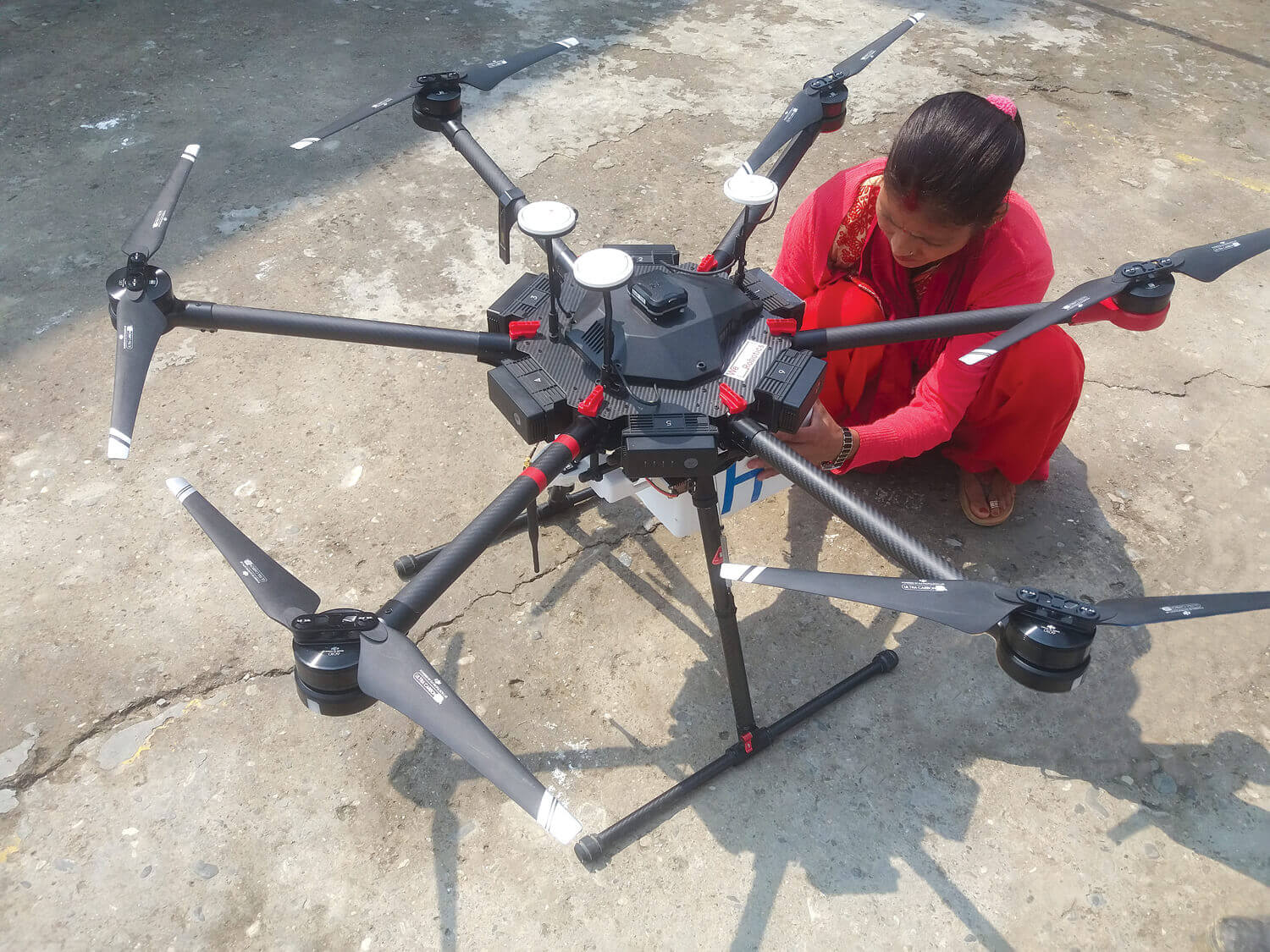
Drone therapy for tuberculosis diagnosis in Nepal’s remote and hard to reach mountains has won at the 2020 International Air Cargo Association (TIACA) Sustainability Awards and will receive $10,000 in prize money as a start-up category winner.
The winning project, Drone Optimised Therapy System (DrOTS) by Nepal Flying Labs links rural health posts with high-end diagnostic tool via drones to improve the accessibility of tuberculosis diagnostic tests.
“In a year marked by a global pandemic which disrupted our industry, problem solving and forward-thinking companies like Nepal Flying Labs bring hope that air cargo can come out of this crisis stronger and more resilient,” says Céline Hourcade of TIACA, which celebrates and encourages outstanding industry initiatives driving sustainability in air cargo.
Under DrOTS, drones fly from a central district hospital to health posts in the mountains to collect sputum samples and deliver both diagnoses and treatment to patients living in up-country villages. The samples are tested using a high-end GenExpert kit.
If they are positive, patients are given DOTS (directly observed treatment short course) treatment using smart pill boxes, which keep electronic records of whether or not patients have taken the antibiotics regularly.
The highly competitive award evaluated humanitarian projects based on three aspects of sustainability -- economic social and environmental -- as well as innovation and practicality of the applied solution. The winners were announced online on 10 December.
The project had also won the prestigious industry award from the Association for Unmanned Aerial Vehicles – the AUVSI XCELLENCE Award 2020 in Humanitarian and Public Safety category in October.
The goal of this project is to assist Nepal’s Ministry of Health in generating data on tuberculosis and support it in its efforts to reduce the prevalence of the infection. This perfectly curable medieval disease is the biggest infectious killer in the world today, more than HIV or malaria.
While Nepal is a role model in the community-based DOTS treatment, which ensures index patients are taking their medicines, this alone will not suffice in the battle against TB, since a patient would often have already infected others in the household and workplace. Which is why active case finding and early treatment is the key.