
Nepal is gradually returning to normal after curfews were officially lifted on Saturday following Prime Minister Sushila Karki’s appointment as temporary executive head following this week’s violent unrest that toppled the government.
Karki dissolved Parliament on Friday night immediately after she was sworn-in as per the demand of youth activists who staged the nation-wide anti-corruption demonstrations this week. The date of the election has been set for 5 March 2026.
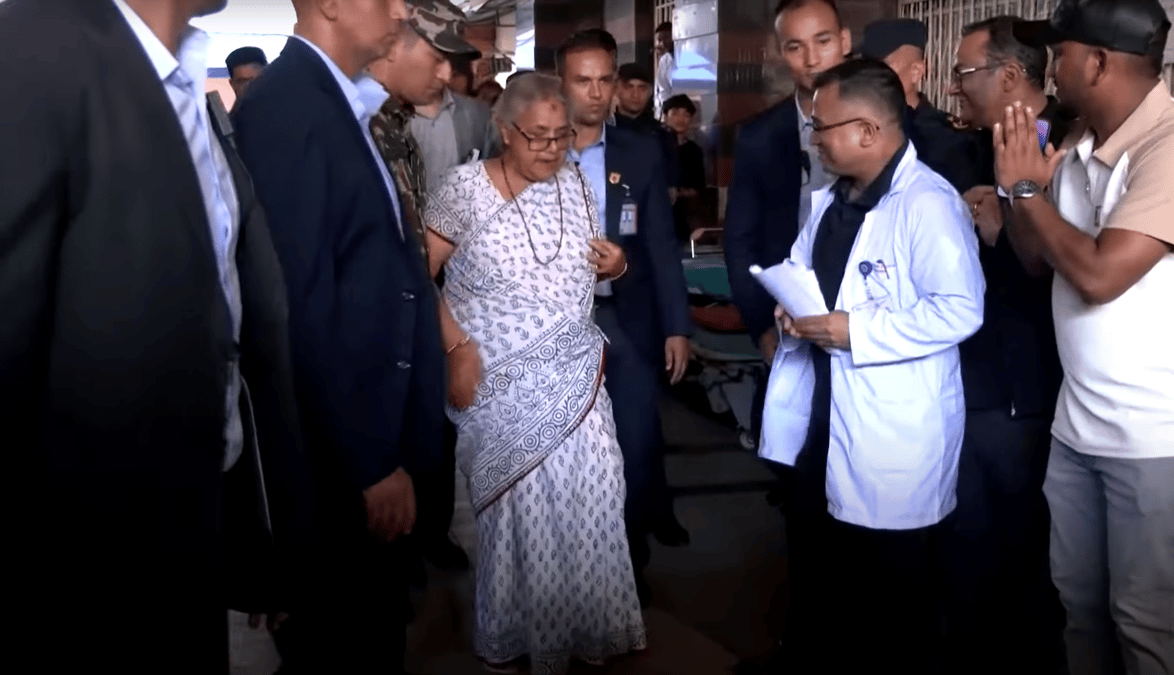
Karki made the rounds of Kathmandu’s hospitals to meet with demonstrators who were injured during the protests on 8 and 9 September in which 52 people were killed. Karki is also drawing up a list of candidates to join the Council of Ministers to be announced on Sunday.
Meanwhile, the four main political parties in Parliament and their leaders have been self-reflecting, admitting their mistakes and expressing the need for reform and internal democracy.
But they have also issued near-unanimous denouncements of the decision by the interim government to dissolve Parliament, calling for the Lower House to be restored immediately.
‘The government formed from the streets in an undemocratic and unconstitutional manner bypassing Parliament is contrary to the spirit of the movement that has demanded good governance in accordance with Nepal’s Constitution prevailing laws,’ read a joint press statement issued by eight political parties on Saturday.
The leaders of the UML, including Prime Minister K P Oli who resigned on Tuesday, the Maoists and the Nepali Congress are still in the Shivapuri National Park military base, and appear to be incommunicado.
The parties continued: ‘We strongly demand the immediate convening of Parliament to create an environment where the demands of the people and agitating groups can be addressed through an elected institution.’
The Nepal Bar Council, the country’s legal body, joined the political parties in calling the dissolution of Parliament unconstitutional. Legal experts had expressed concern about the constitutional processes to ensure PM Karki’s appointment as executive head in the lead-up to her taking office.