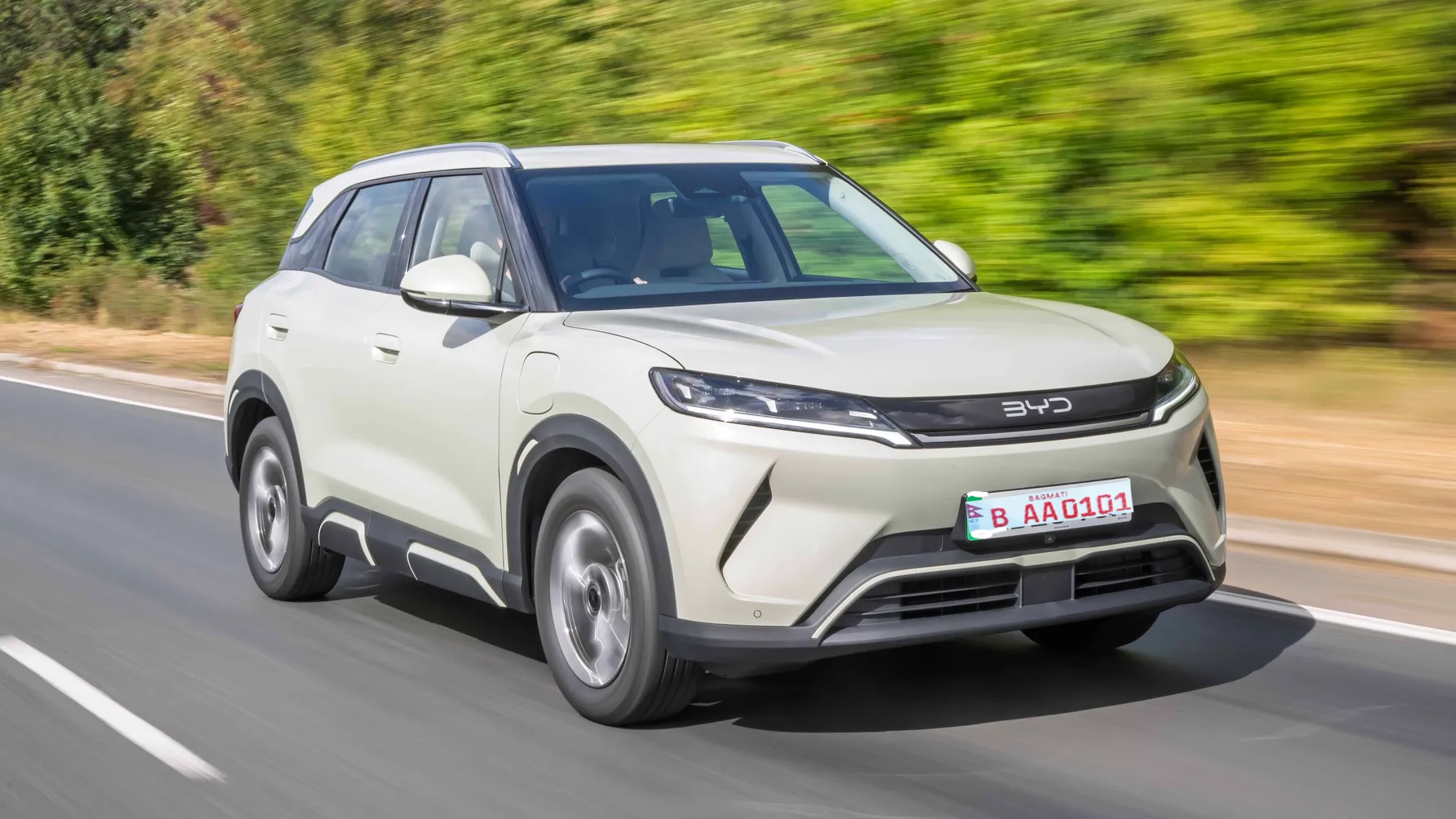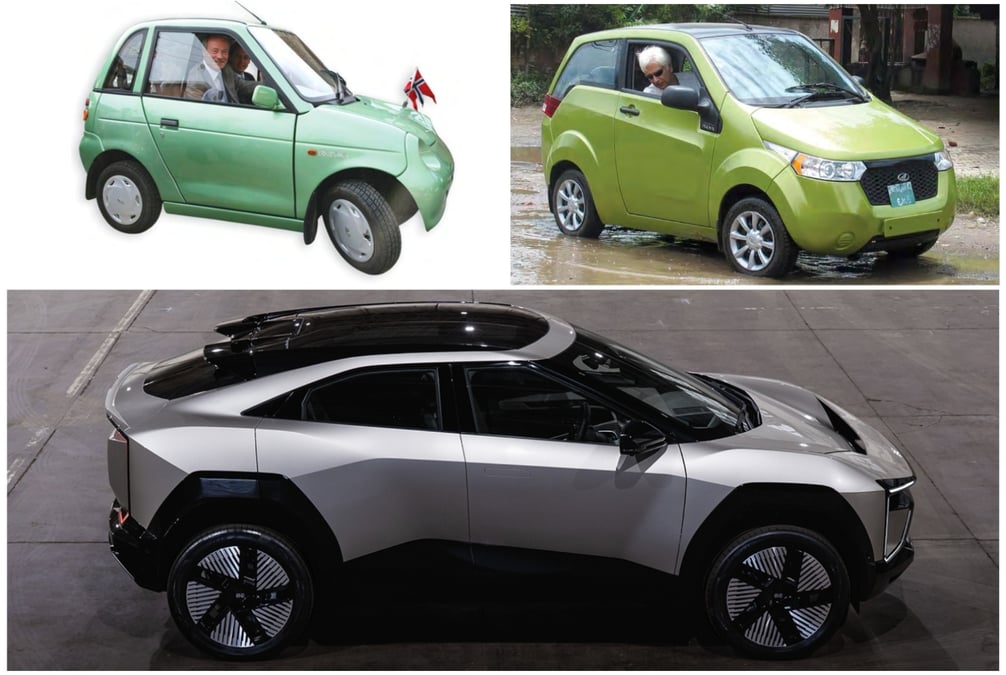
EVs in Nepal have come a long way since the micro-segment Reva was first introduced in the early 2000s with 2-seat occupancy and giving no more than 80km of range.
Mahindra acquired Reva and introduced the upgraded e2O which was well-suited for city driving, but alas they are no longer made. Now,
crossover EV is a whole new breed, evolving leaps and bounds with its jet fighter-inspired cockpit design and a boatload of futuristic tech.But with such an impressive history of EVs in Nepal and the whole range of models to choose from, it seems we are still addicted to fossil fuels. Not everyone has, or wants, to make the transition to battery-powered locomotion just yet.
Even though range anxiety may not be as much of an issue anymore, drivers may not want to wait a whole hour for a fast DC charge to 80% on their EVs, when a quick 5-minute pit stop at a gas station allows them to hit the highway again quickly.
But Nepal was second only to Norway last year in the proportion of new cars being battery-powered. And this has to some extent cushioned us from the full impact of the fallout on fuel prices due to the Strait of Hormuz blockade.
The uptake of EVs in Nepal was a direct result of tax rebates. As Finance Minister Swarnim Wagle prepares the annual budget, it could be an opportunity to extend tax breaks to public vehicles to further reduce Nepal’s petroleum import bill.
Even if the war ends and the strait is opened to tanker traffic, however, energy experts say it will take months for oil prices to stabilise. This means petrol in Kathmandu will stay at Rs219/l or thereabouts for some time yet. It was only Rs160/l before the war.
Nepal is 100% reliant on imported fuel from India, which in turn relies mostly on imports from the Gulf states. We are directly affected by the escalating conflict and geopolitical tension.
Nepal Oil Corporation (NOC) usually publishes a new fuel price every 15 days, for petrol, diesel and kerosene at the beginning, and another at the middle of the English month.
But departing from the 15-day rule, NOC has made large out-of-schedule overnight revisions to the fuel prices in the pst month to accommodate global fuel fluctuations.
The two-day weekend may help, but the higher prices have already forced consumers to travel less. There are rumours that if supplies from India are further constrained, the government may implement an even/odd number plate rule.