
Ajay Narsingh Rana grew up in Kathmandu’s urban jungle. His father Mohan Narsingh designed postage stamps, using photographs of impeyan pheasants, ghoral, and butterflies to convert them into line drawings on tissue paper and printed on tiny stamps depicting Nepal’s rich biodiversity.
Rana’s uncle was a forester from whom he was inspired to look out for flora and fauna in tiny green pockets still left in the city. Growing up in a household that maintained a closeness to the natural world and images portraying it laid the foundation of what was to become Rana’s lifelong passion: photographing Nepal’s biodiversity.
He took up mountain biking and hit the trekking trails, pedalling deep into the wilderness of the mountains and plains. He always had his camera handy, but says one does not even have to be a technically proficient photographer to take good pictures in Nepal — the country is already so photogenic.
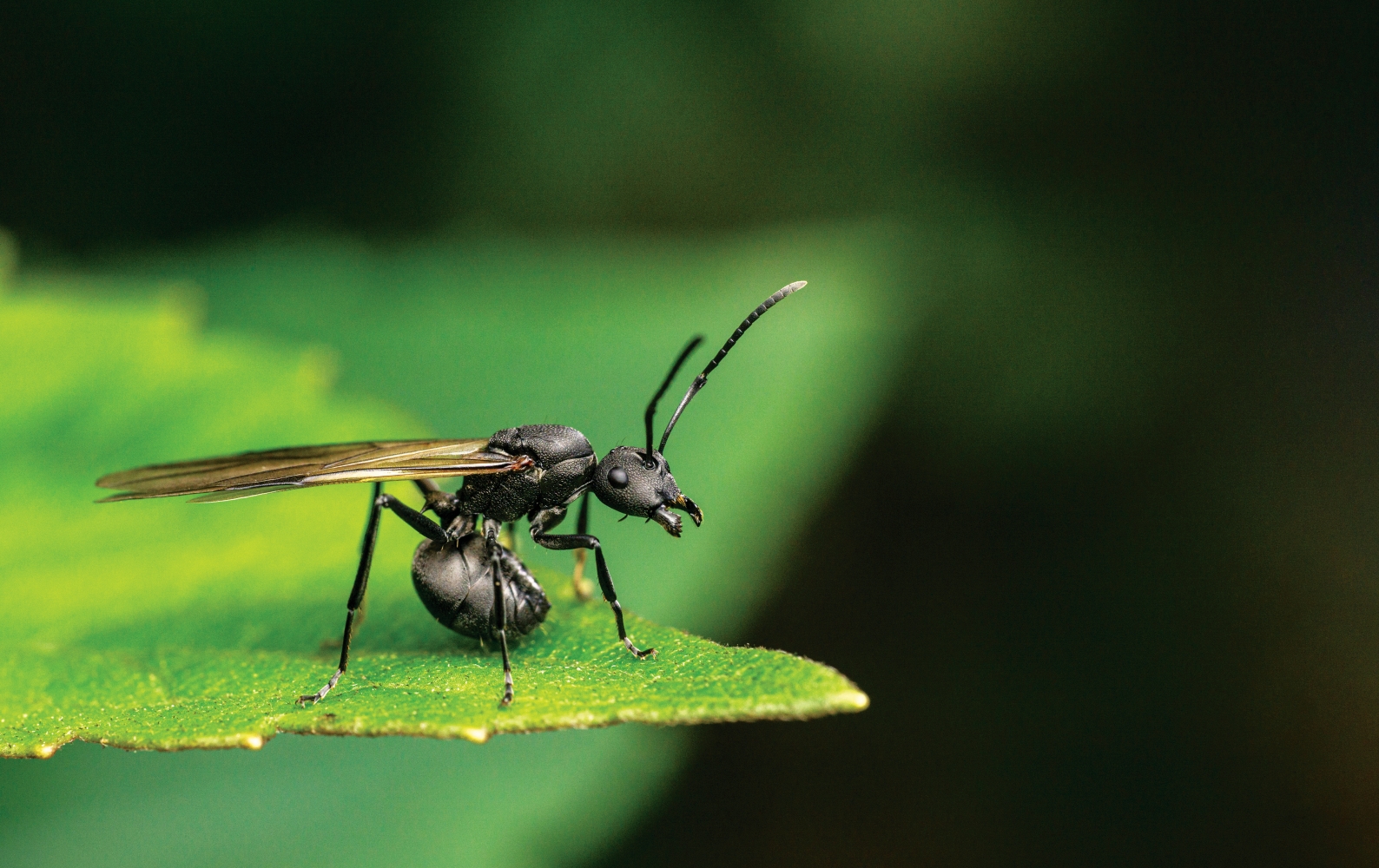
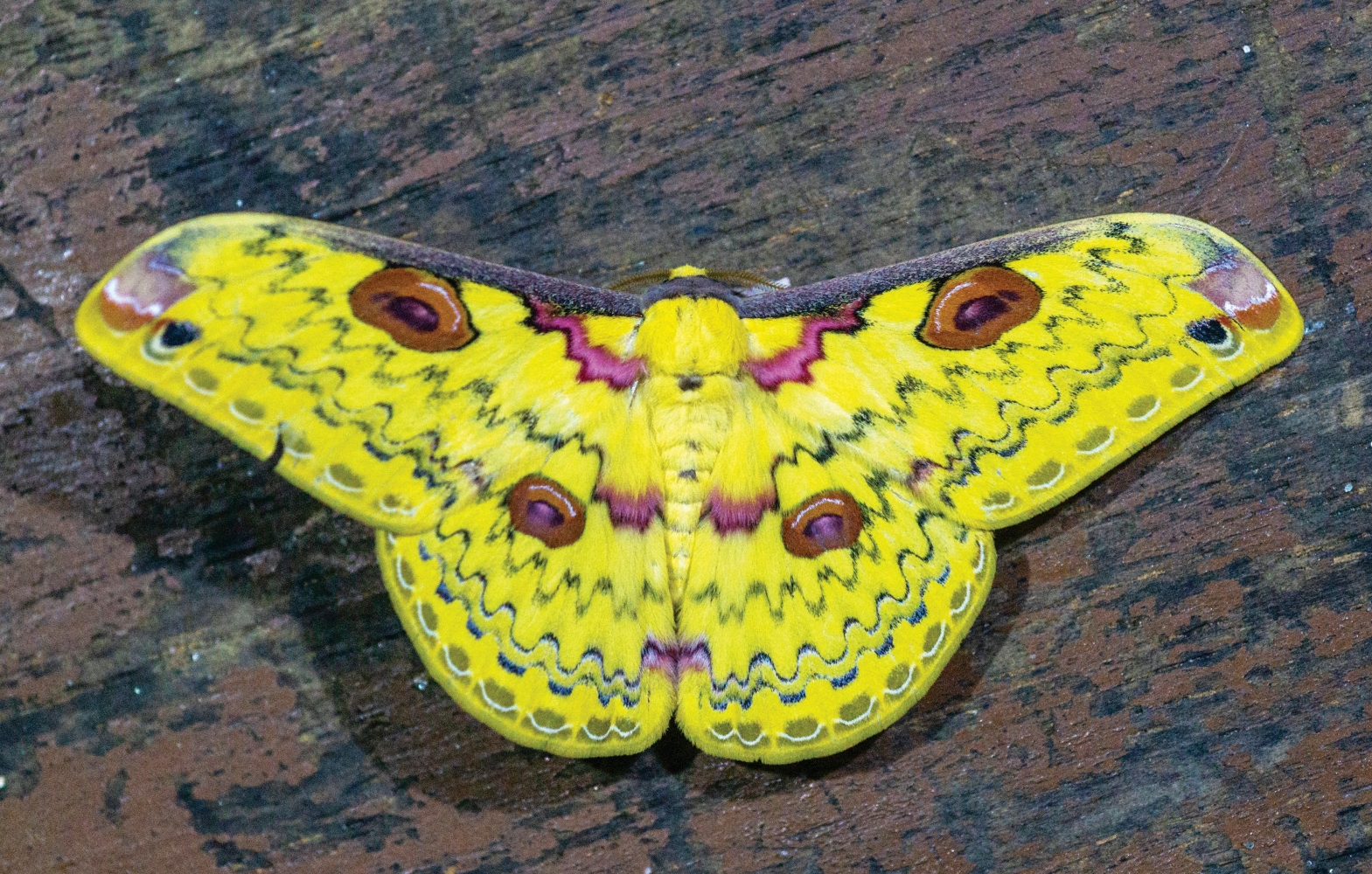
While international photographers concentrated on the megafauna like tigers and elephants, Rana was fascinated by what his macro lens could capture. He zoomed in on tiny creepy crawlies, discovering their vibrant colours, unique textures, and shapes hard to see with the naked eye.
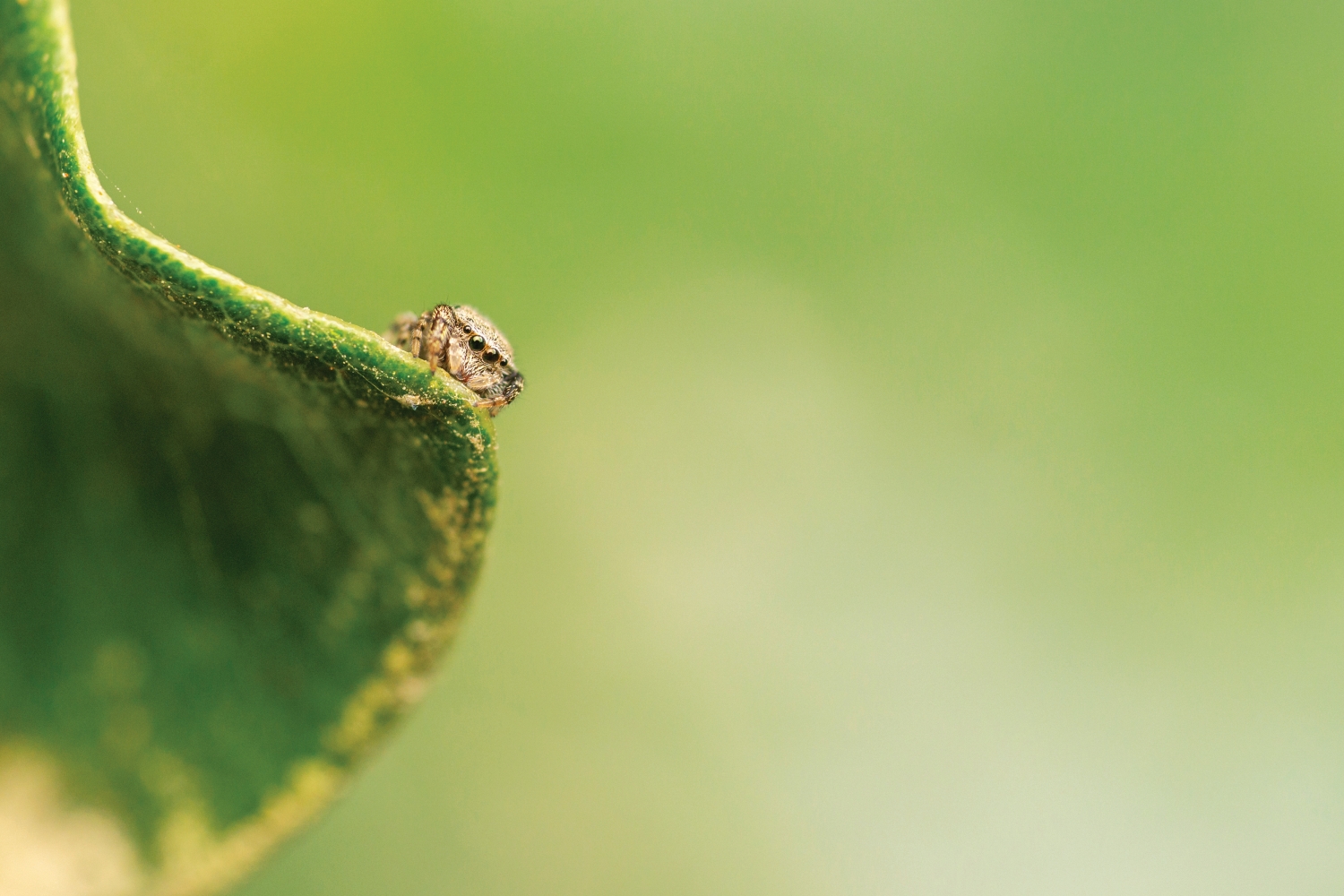
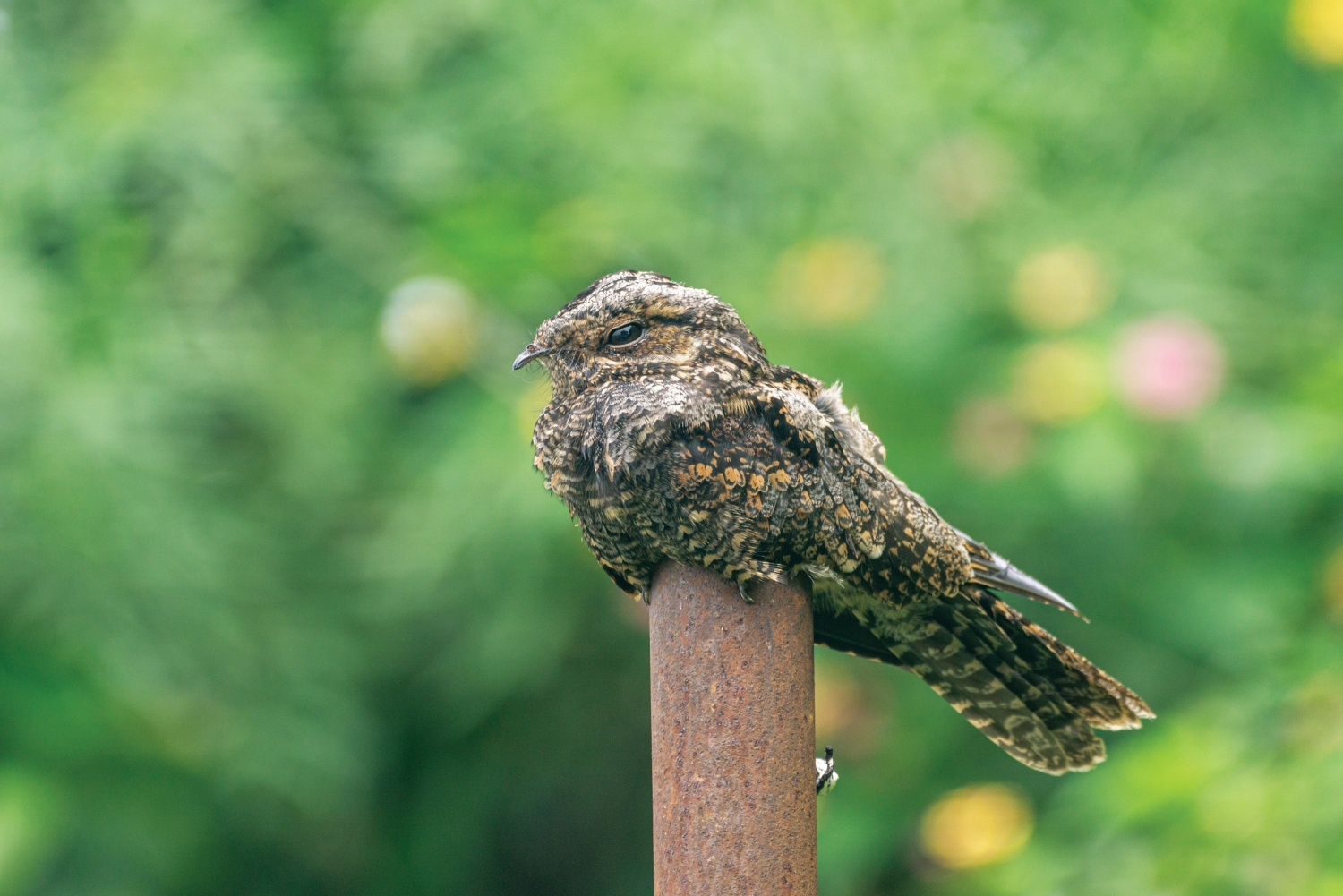
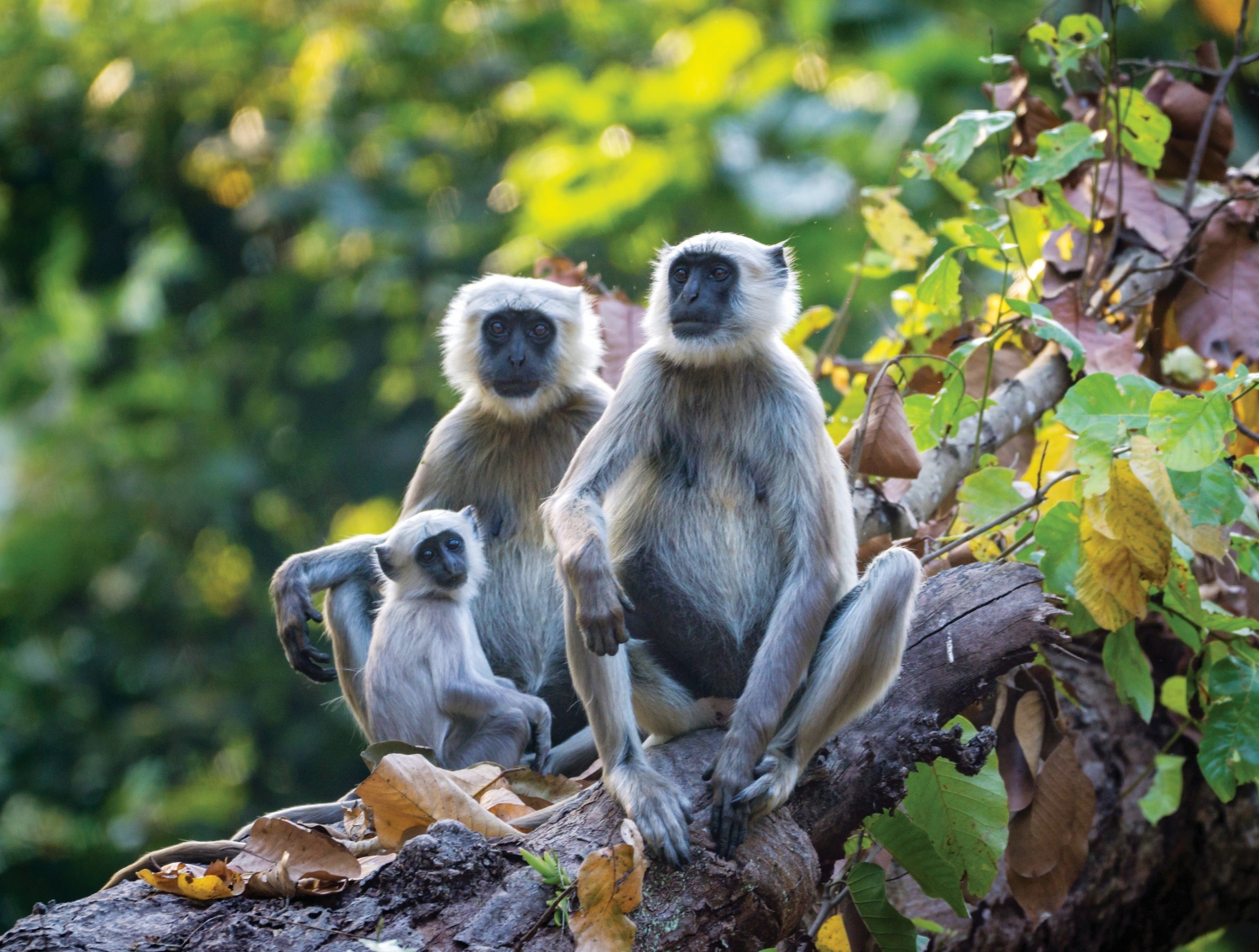
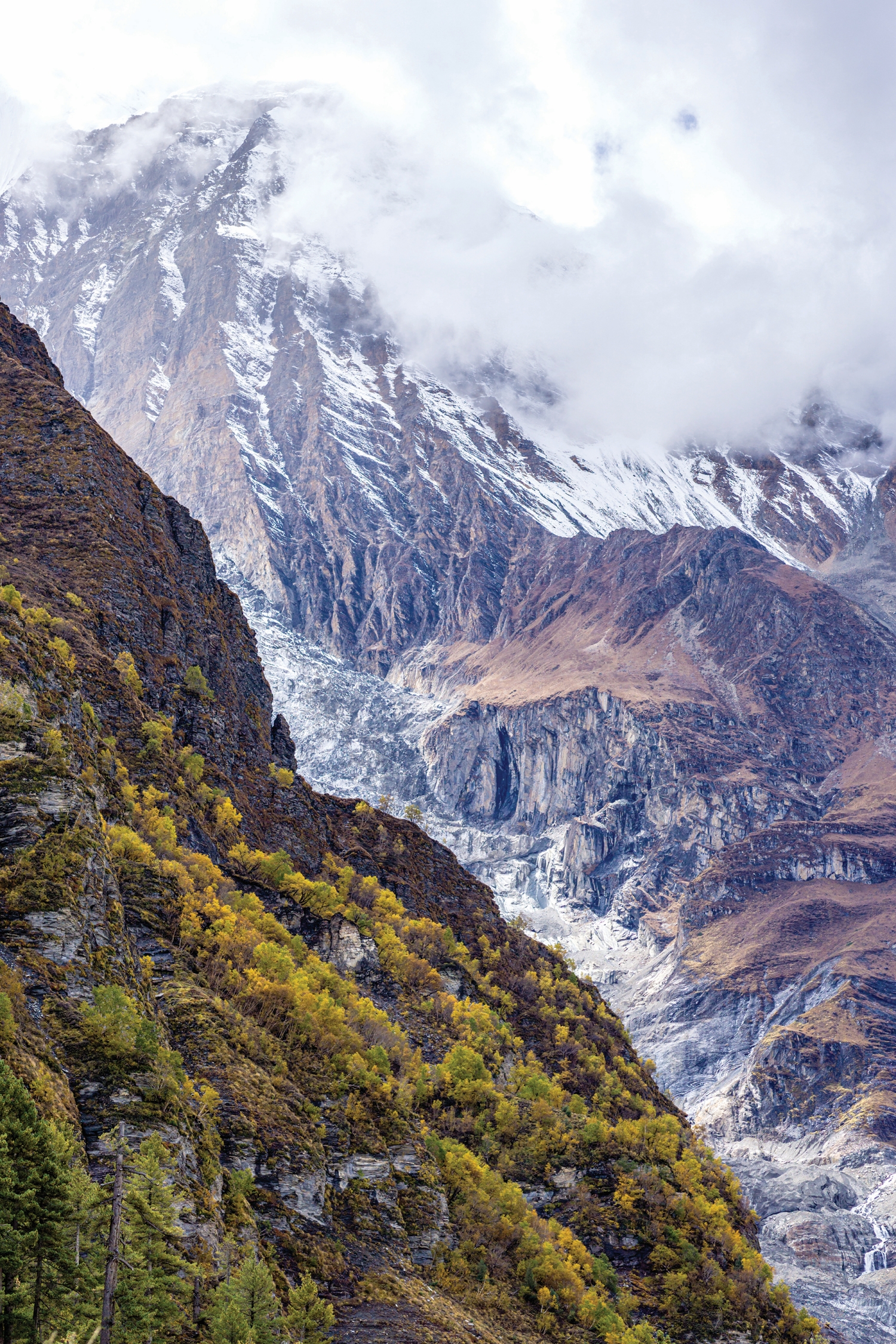
The Covid lockdown of 2020 and the restrictions on travel allowed him to capture nature in its minutest detail in the small patch of greenery near his home in Kathmandu. As expected it was buzzing with insects, arachnids, worms, butterflies, grasshoppers, of all shapes, sizes and colours.
It was the monsoon six years ago, and there were even the carnivorous larvae of fireflies crawling about devouring snails in the undergrowth. An open space that many would not even give a second glance to as they drove past was a treasure trove of life.
“They were hopping, buzzing, fluttering, and zooming around all over, you just had to look,” he recalls. “Human beings are evolved into thinking that insects are harmful and zap them if they get the chance, but they are vital to the ecosystem.”
He googled the images to identify and classify the insect pictures, and started posting the images on his website, sharing them on social media to spread his knowledge, get people excited about small living things. The site then grew into a wider platform to celebrate Nepal’s rich biodiversity in pictures.
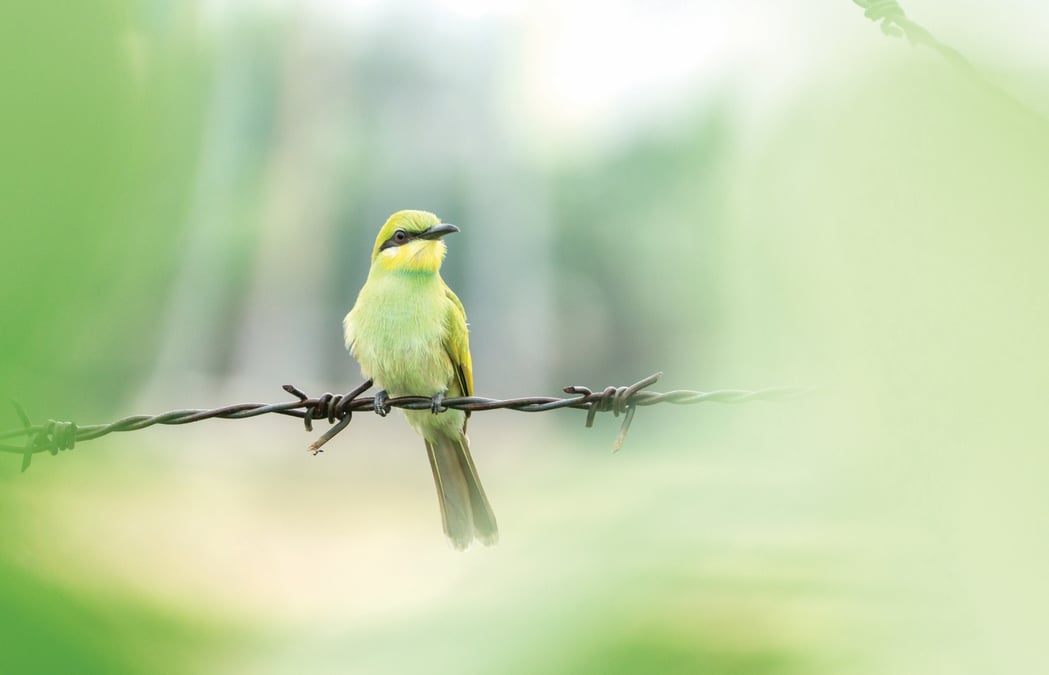
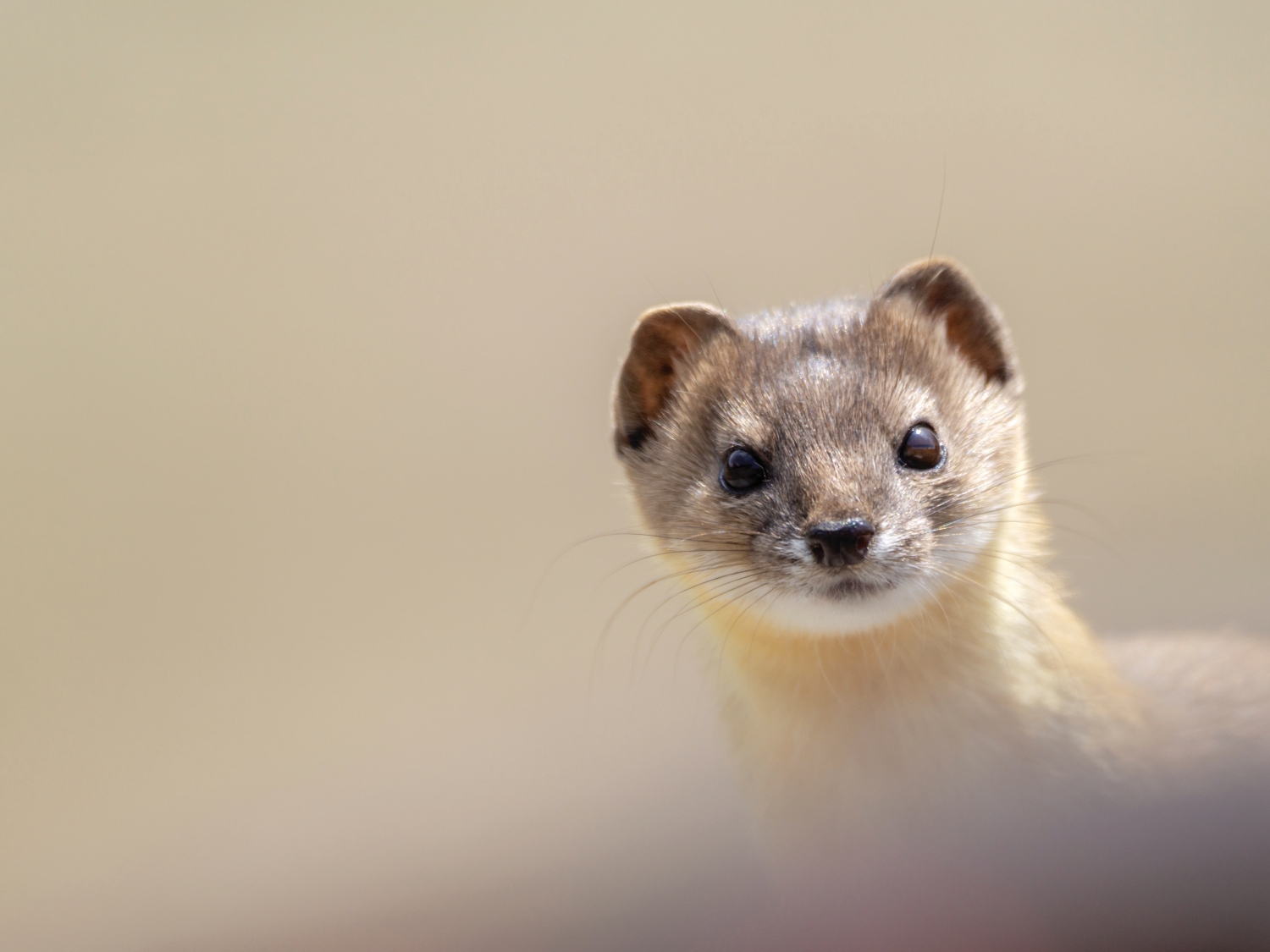
It is no surprise that Ajaya Narsingh Rana’s self-published new book, The Wild Wonders of Nepal, starts with the smallest critters, the rich birdlife, to charismatic large mammals of Nepal, photographed using macro to tele lens. The book is a visual feast of nature at its most abundant, rich and wild — a diversity that is possible because of the incredible altitude and climate variation of the country.
Rana’s passion for nature and the need to protect it shows through in every photograph, caption, and explanatory text. He has taken meticulous pains to get the reproduction of the photographs exactly right. And the result is a picture-perfect book.
The Wild Wonders of Nepal, is being launched on 2 October, and is sprinkled with quotes from international environmentalists, and this one by the American scientist Jonas Salk seems truest to the message Rana tries to convey: ‘If all the insects were to disappear from the Earth within 50 years, all life on Earth would end. If all human beings disappeared from Earth within 50 years, all life on Earth would flourish.’
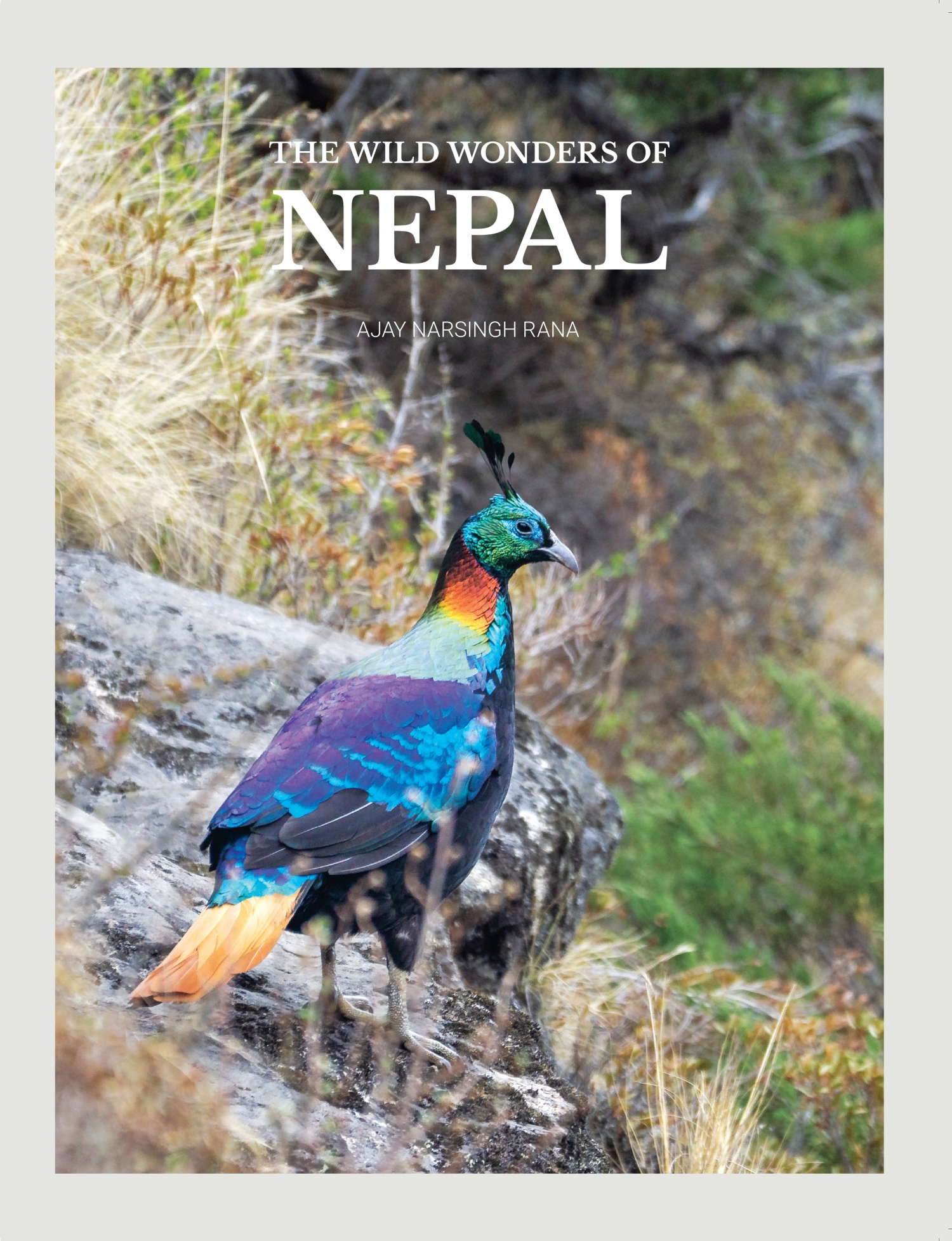
The Wild Wonders of Nepal
Self-published, 2026
131 pages