These are crazy times. Biblical disturbances in nature, such as the repeated torrential rain in Dubai or the mass fish die-off in Vietnam’s overheated reservoir, seem to mirror our overheated politics and social environment.
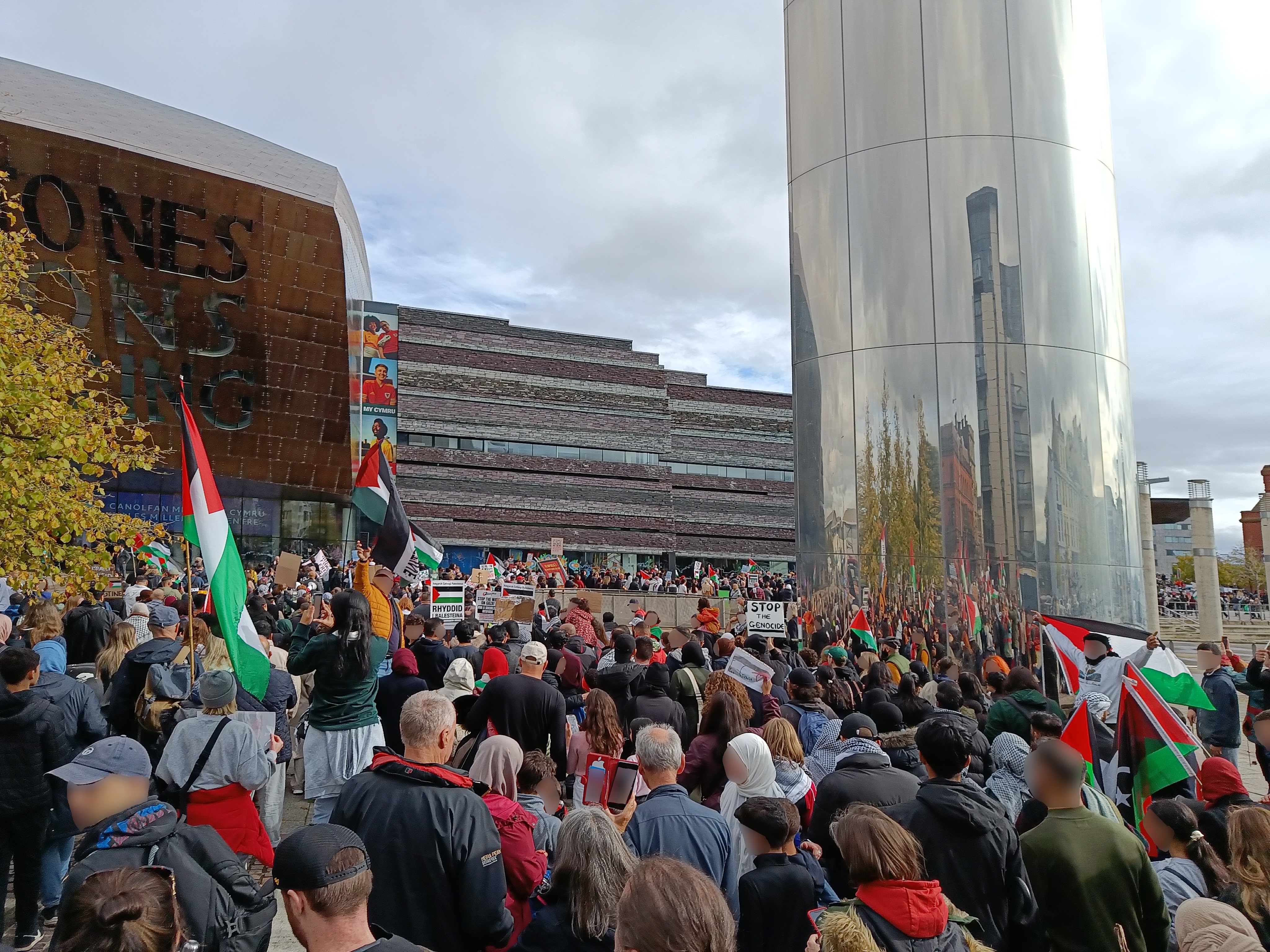
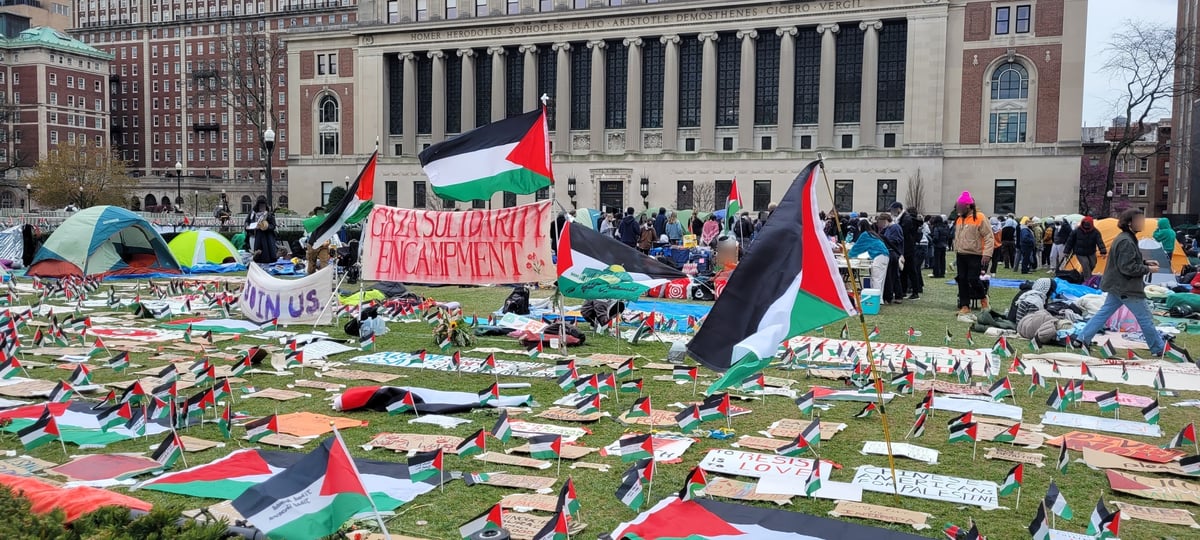
At such moments, it is crucial to keep a cool head and analyse all the weird phenomena as closely, objectively, and dispassionately as possible. And few phenomena nowadays are weirder than the protests surrounding Israel’s bombardment and invasion of Gaza in response to Hamas’s terrorist attack last October.
We should acknowledge the rhetoric from some politicised Muslims, such as those who recently demonstrated in Hamburg, Germany, chanting “Kalifat ist die Lösung” (“Caliphate is the solution”). And we should concede that, despite the massive presence of Jews among the protesters, there are at least a few true anti-Semites among them (just as there are some genocidal maniacs in Israel).
While many commentators have noted the parallel between today’s pro-Palestinian demonstrations and the 1968 student protests against the Vietnam War, the Italian philosopher Franco Berardi points to an important difference. Rhetorically, at least, the 1968 protesters explicitly identified with the anti-imperialist Viet Cong position and a broader, positive socialist project, whereas today’s protesters very rarely identify with Hamas, and instead are ‘identifying with despair’.
As Berardi puts it: ‘Despair is the psychological and also cultural trait that explains the wide identification of young people with the Palestinians. I think that the majority of the students today are consciously or unconsciously expecting the irreversible worsening of the conditions of life, irreversible climate change, a long-lasting period of war, and the looming danger of a nuclear precipitation of the conflicts that are underway in many points of the geopolitical map.’
It would be difficult to explain the situation any better than that. The authorities’ obscenely repressive response to the protests supports Berardi’s hypothesis. The harsh crackdowns are not motivated by any fear that the protests will launch a new political movement. Rather, they are expressions of panic – a futile refusal to confront the despair that pervades our societies.
Signs of this panic are everywhere. Last month, 12 US senators sent a letter to the International Criminal Court threatening it with sanctions should it decide to issue an arrest warrant for Israeli Prime Minister Binyamin Netanyahu.
Although this was strictly a Republican undertaking, President Joe Biden’s administration also has pressured the ICC not to charge Israeli officials over war crimes committed in Gaza. Such threats signal nothing less than the demise of shared global values. Though this ideal was always somewhat hypocritical (the United States, for example, has refused to join the ICC), governments at least upheld it in spirit.
Then on 4 May, France (complying with a German-issued visa ban) denied entry to Ghassan Abu-Sitta, a British-Palestinian surgeon who was scheduled to provide testimony to the French Senate on what he had witnessed while treating victims of the war in Gaza. With such crude acts of censorship and marginalisation happening before our eyes, it is no longer an exaggeration to say that our democracies are crumbling.