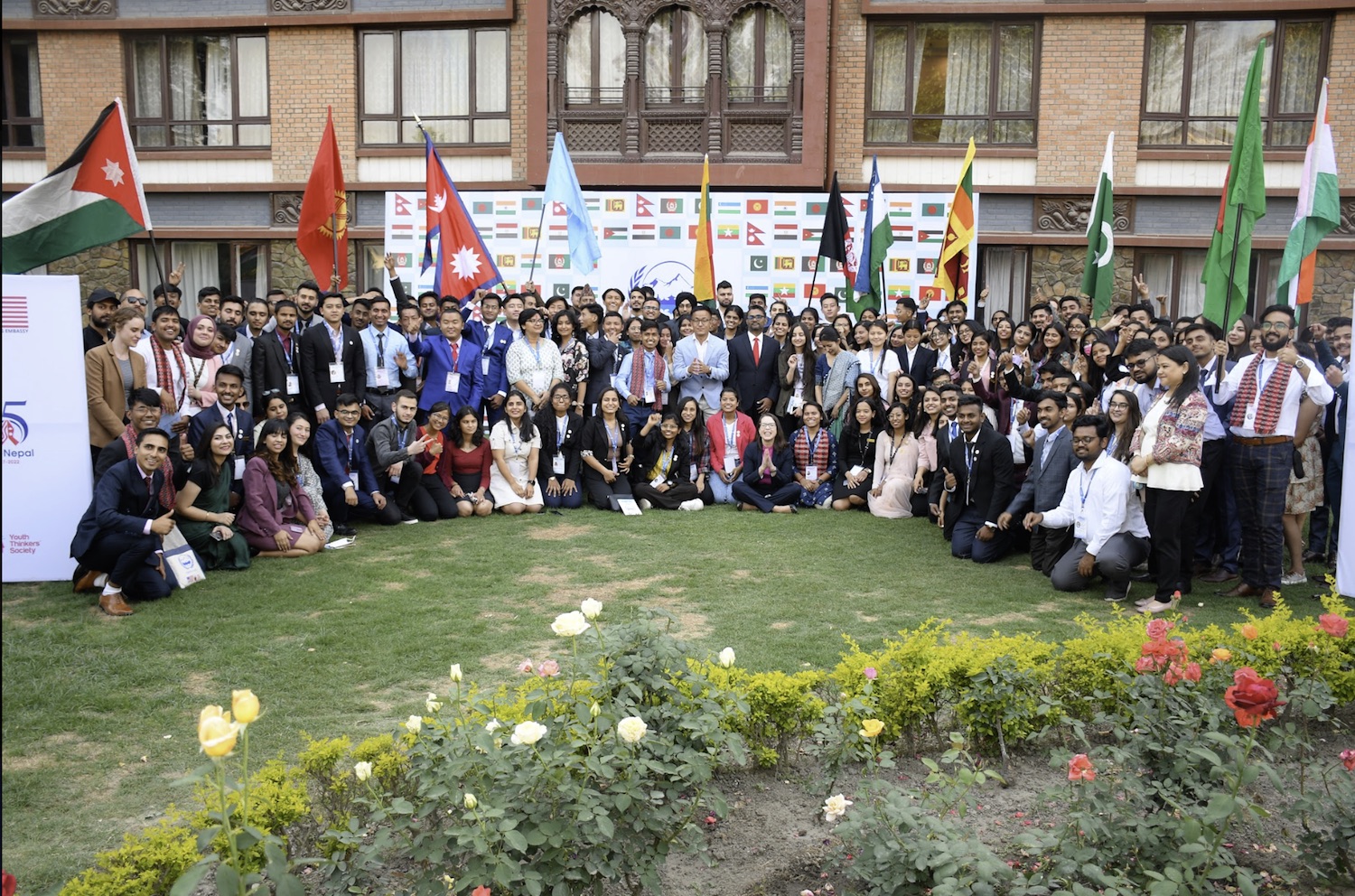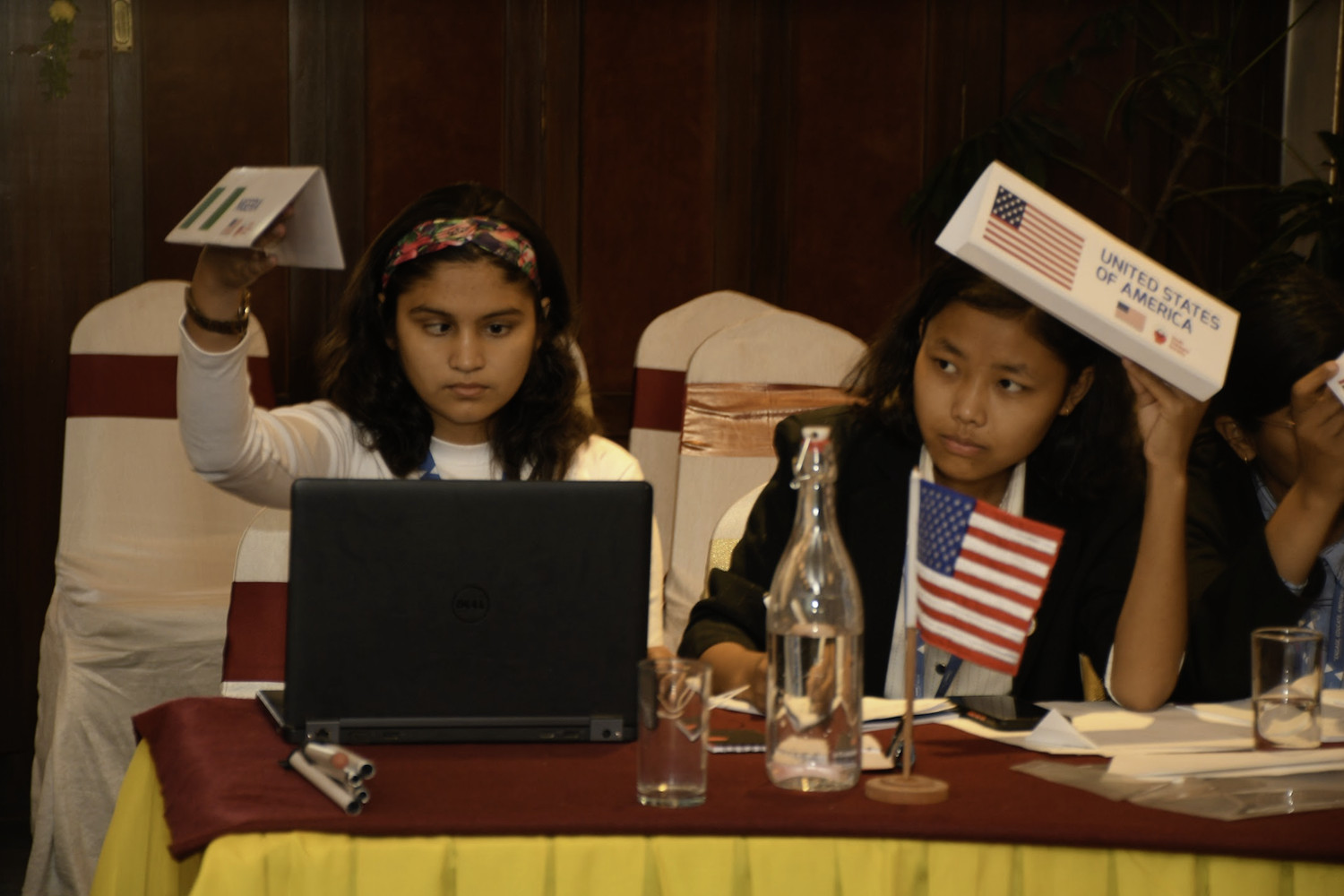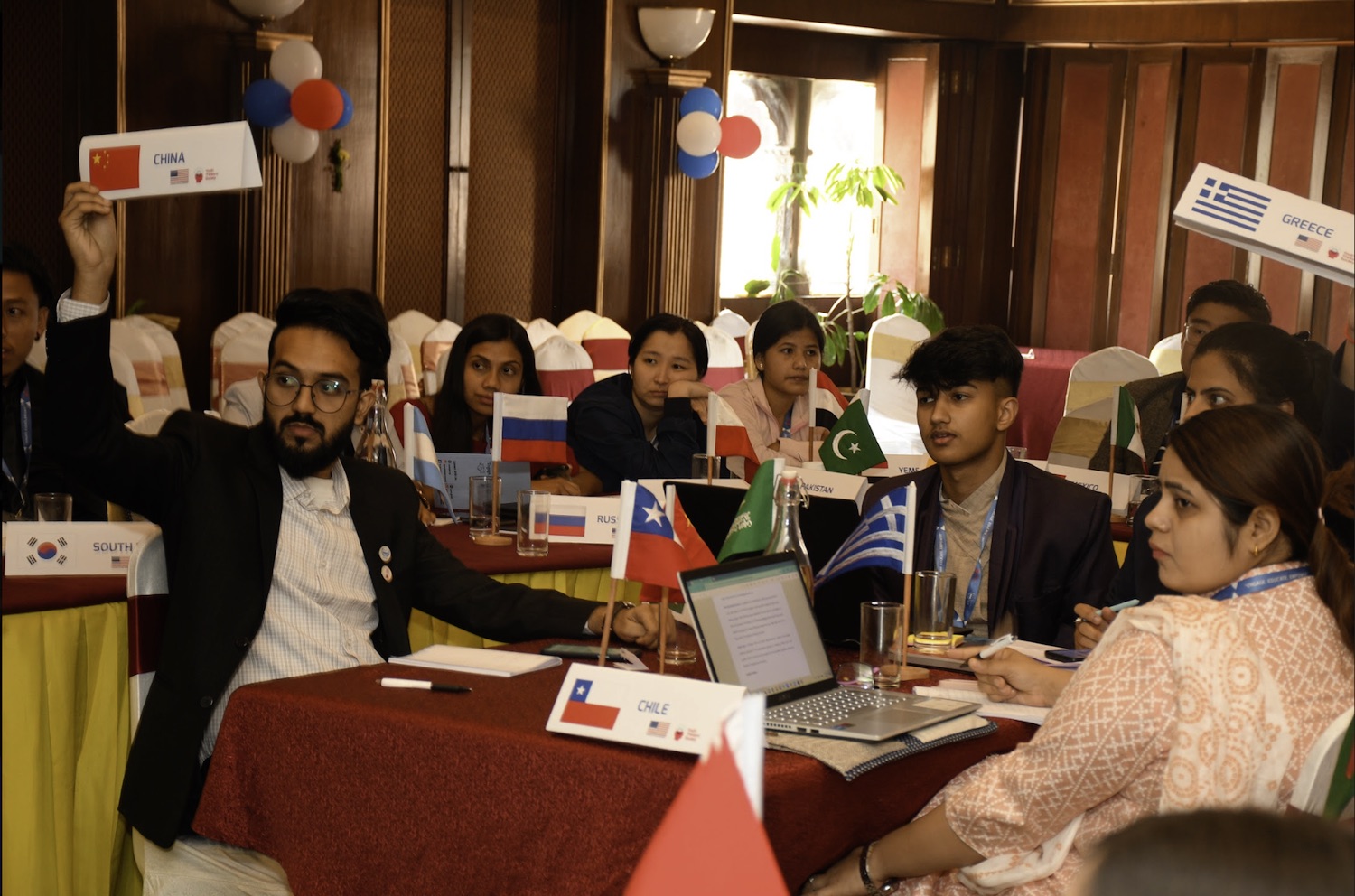
The seventh edition of the Everest International Model United Nations (EIMUN) was held this week in Kathmandu where participating delegates from 10 countries debated on matters of global importance.
An increasingly large number of students worldwide are participating in Model United Nations (MUN) where they take on positions and stances of a country and discuss, negotiate and reach a consensus on a global agenda of the UN committes that they simulate.
This new kind of debate is popular among the youth due to opportunities to gain exposure, research knowledge and develop diplomatic skills like negotiations and conflict-resolution. In Nepal, the MUN culture has grown in Nepal in recent years after pioneering work by some schools to include young people from various backgrounds.
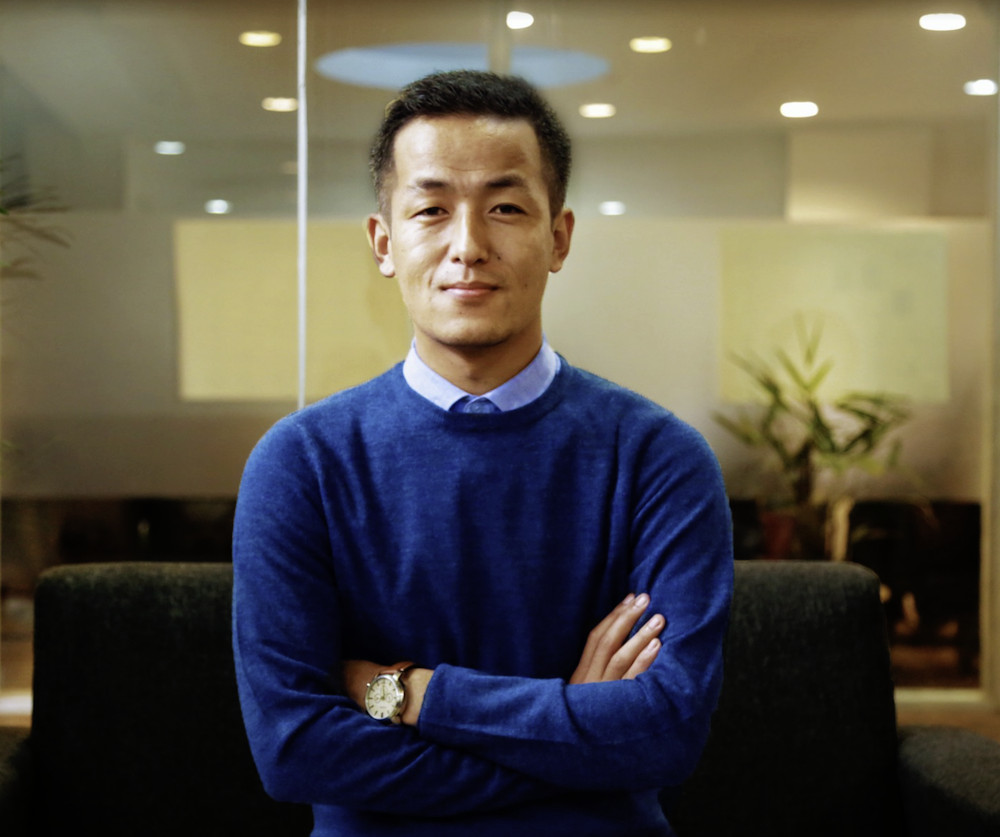
“We began this program to create a platform for young people to share, experience different schools of thought,” says Chewan Rai (pictured right), co-founder of EIMUN and Youth Thinker’s Society. “And since it is easy to get a visa to Nepal, we thought why not bring delegates from other countries in the region here as well.”
EIMUN was started in 2014 by Youth Thinker’s Society to create a platform for young Nepalis to share their knowledge, network and expose themselves to different backgrounds and perspectives. Over the years, MUNs in Nepal have grown and nurtured change makers, future leaders and diplomats.
Some of the international MUNs have been postponed because of the pandemic. Preparations for EIMUN 2022 began early this year with workshops and mock sessions for delegates that focused on research and policy-based debates. The 7th edition held in Kathmandu from 17 to 21 April had four committees: World Trade Organisation, UN Security Council, UN Democracy Fund and UN Conference on Trade and Development.