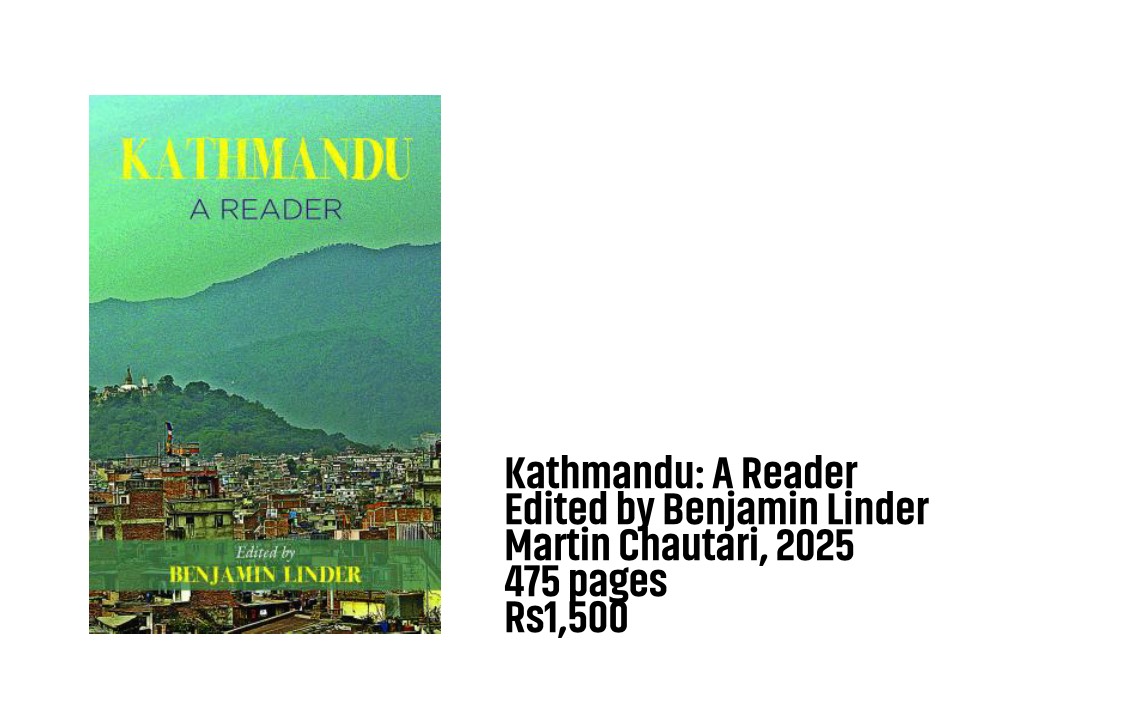
Kathmandu: A Reader, the latest publication from Martin Chautari, is an anthology of anthropological essays exploring Kathmandu through various lenses across the 21st century. This compilation is edited by Benjamin Linder and attempts to bring modern discourses on Kathmandu and its urbanity together, in a single volume.
The book is divided into three sections: the physical form of the city, the imprints it bears from past political upheavals, and the complexity in the lives of its people. The book examines these diverse aspects, leaving readers who have just witnessed the momentous events of September with anxiety, and perhaps a greater understanding of Kathmandu’s context.
Urban planning expert Biresh Shah’s discourse on the Valley’s urban sprawl and its landmarks is insightful, but also prophetic when he warns about seismic risk.
Jan Brunson’s chapter on female mobility in Kathmandu via scooters is more optimistic, suggesting small-scale, daily-life movements in Kathmandu transform the city for its various demographics — in this case young women.
Linder himself contributes with a discourse on the toponymy of Thamel, close-reading Kathmandu’s tourist hub through the usage and understanding of its name over the ages.
MYTHBUSTERS
The book is a collage of pieces held together by a thread that runs through the chapters of a vibrant, bustling image of the Valley.
One common theme is Linder’s attempt to expand on common understandings and urban myths about Kathmandu. Readers who have spent time in the city will relate to the many anecdotes. for example, Niels Gutschow bringing up the lack of open spaces, or Mark Liechty mentioning restaurants in Kathmandu being melting pots of cultures and castes.
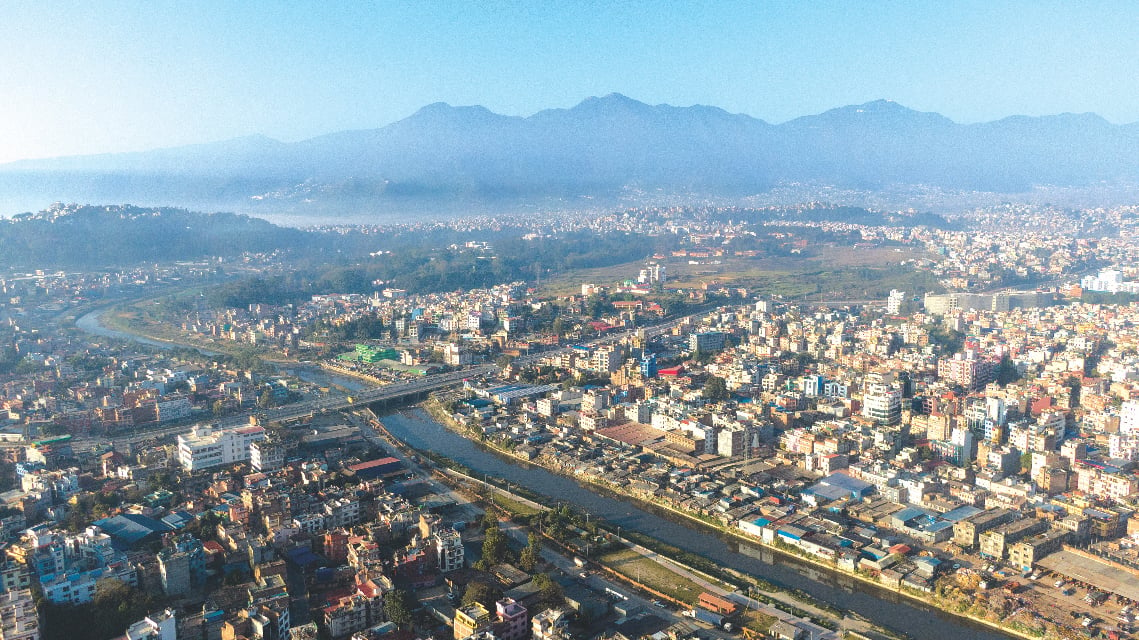
The essays here further extend these urban legends by giving historical and anthropological contexts. In-migration and the rise in land prices have led to shrinking open spaces, the creation of cosmopolitan food outlets, and even hubs for sex workers. The Bagmati cleanliness campaign extends to a past understanding of the Bagmati Civilisation. Urban myths become puzzles to be solved by connecting the various threads of discussion across the book.