When Nepal held its first local elections under the new Constitution last year, women were seen as the real winners. They secured more than 40% seats, up from 24% in the last local polls in 1997.
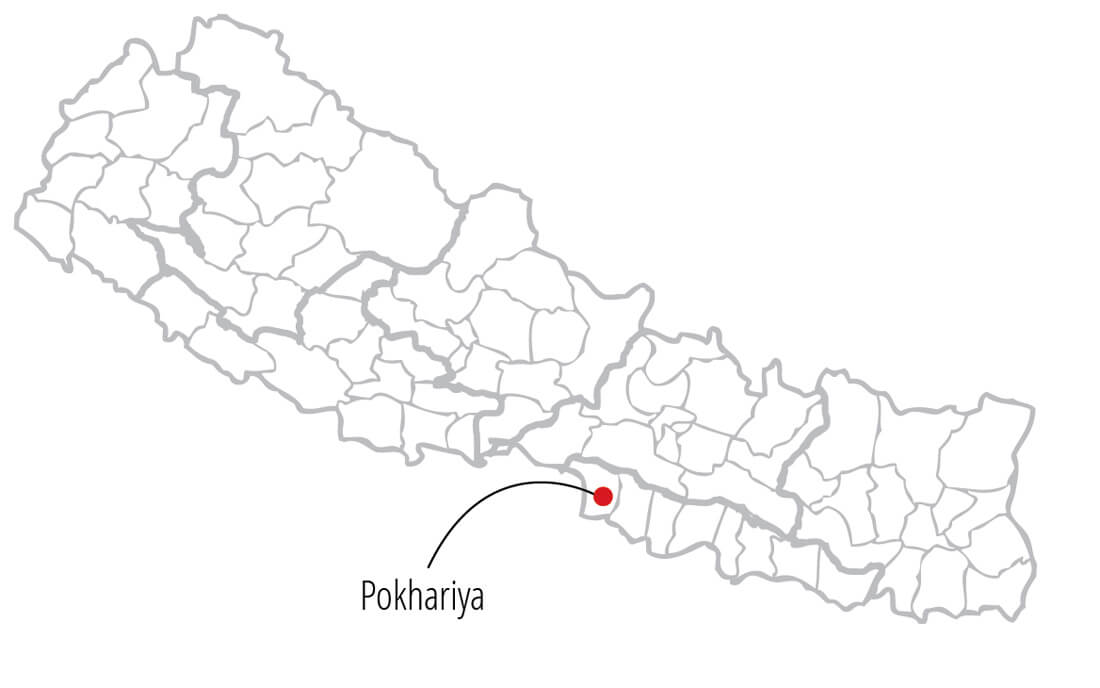
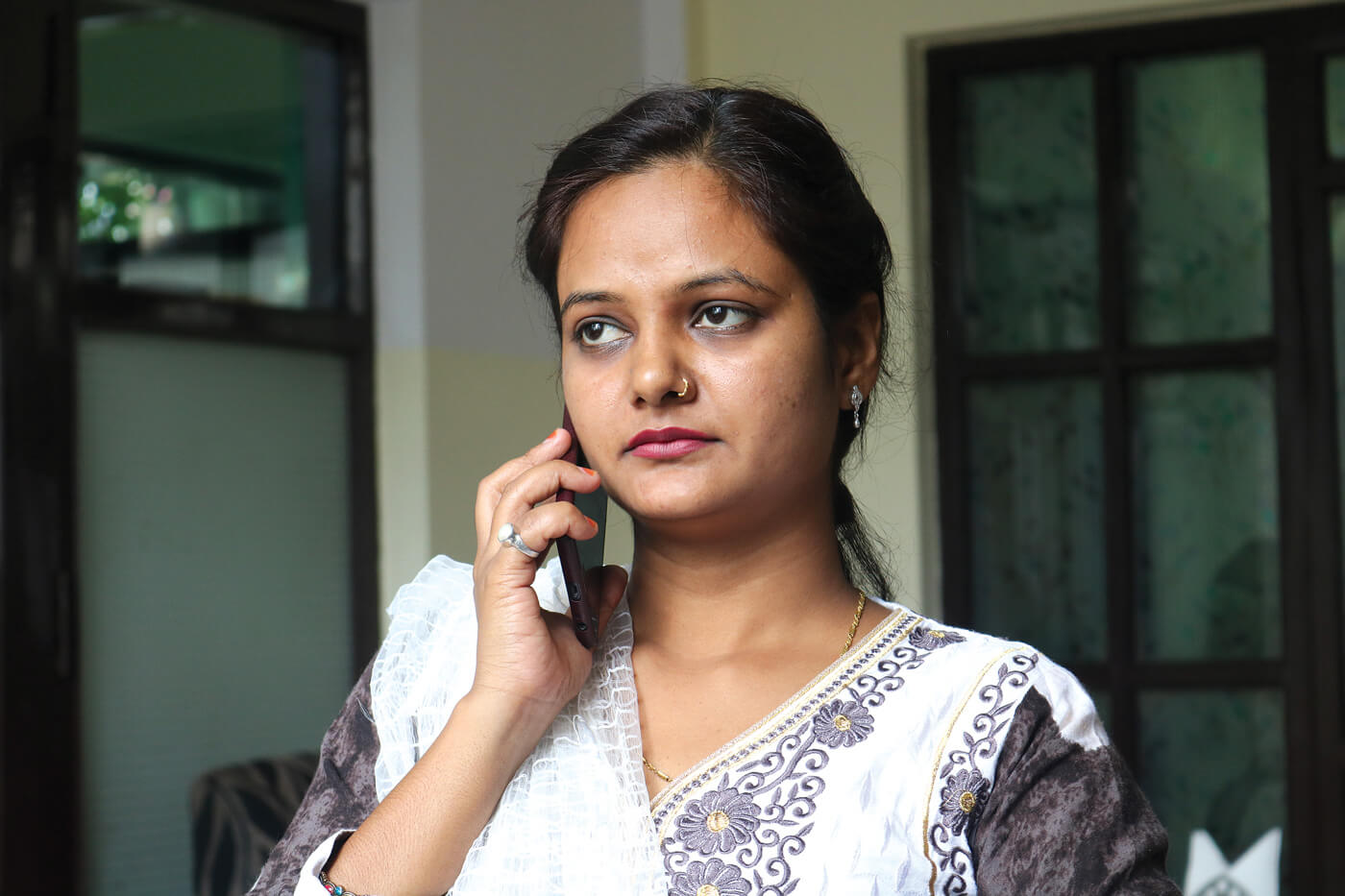
But Salma Khatun, deputy mayor of Pokhariya municipality of Parsa district, says this achievement is only the first of many steps in a long struggle for gender equality in local governments across Nepal.
“We still have a long way to go,” says the 30 year old. “Men tolerate us, as long as we toe the line meekly. But when we want to have our say, they insult us and question our honour.”
Some say the women’s numerical achievement in local elections does not mean much because a majority have been restricted to being deputies in municipalities, villages and wards. But Khatun says at least there are more women now in decision-making positions.
“For me, every deputy mayor to ward committee member is a change-maker post, we have all been elected, and we are here to play a role in improving local governance,” she says emphatically.
But what really bothers Khatun is that most elected women representatives are still treated as “rubber stamps” by the men. Those, like her, who try to assert themselves are victims of character assassination.
Read also: Electing women, Deepak Gyawali
Khatun graduated from a college in Bangladesh, and was working as a radio journalist in Birganj when the Federal Socialist Forum Nepal, one of two major Tarai-centric parties, chose her as a deputy mayoral candidate for Pokhariya.
So she went back to the Tarai village where she was born and bred to spearhead an election campaign. Her husband ran a business in Birganj and could not tag along. The fact that she was mostly by herself during the campaigning was itself made into an issue by rival parties.
Wherever she went, elderly voters would ask her: Why did you leave your husband in Birganj? Why is he not with you all the time? Why have you not had a baby even after five years of marriage? Are you divorcing him? How can you travel with other men?
Khatun knew they had been manipulated by the opposition, but she would calmly tell them that her husband was proud that she was an independent woman standing for office.