Thirty years ago, an average of 900 mothers out of every 100,000 died at childbirth in Nepal. By 2016, this figure had fallen to 239 maternal deaths.
This noteworthy progress in mother and child survival over the past 30 years has been a success story of the government working with international partners.
However, in the past five years, progress has flatlined. At least 2,000 new mothers still die in Nepal every year, mostly because they cannot reach hospitals in time, or because health posts are poorly staffed and equipped.
At this rate, it will be difficult for Nepal to reach the maternal mortality ratio target in the UN’s Sustainable Development Goal of 70: 100,000 in the next seven years.
In fact, the country already missed its 2020 target of reducing maternal mortality to 116. Health experts say this calls for a reinvigorated government health campaign, and a new kind of involvement of outside agencies.
The challenges in reducing mother-baby death rate are many: a chronic shortage of skilled birth attendants, difficulty in diagnosing and treating complicated pregnancies in time, understaffed and underfunded government facilities.
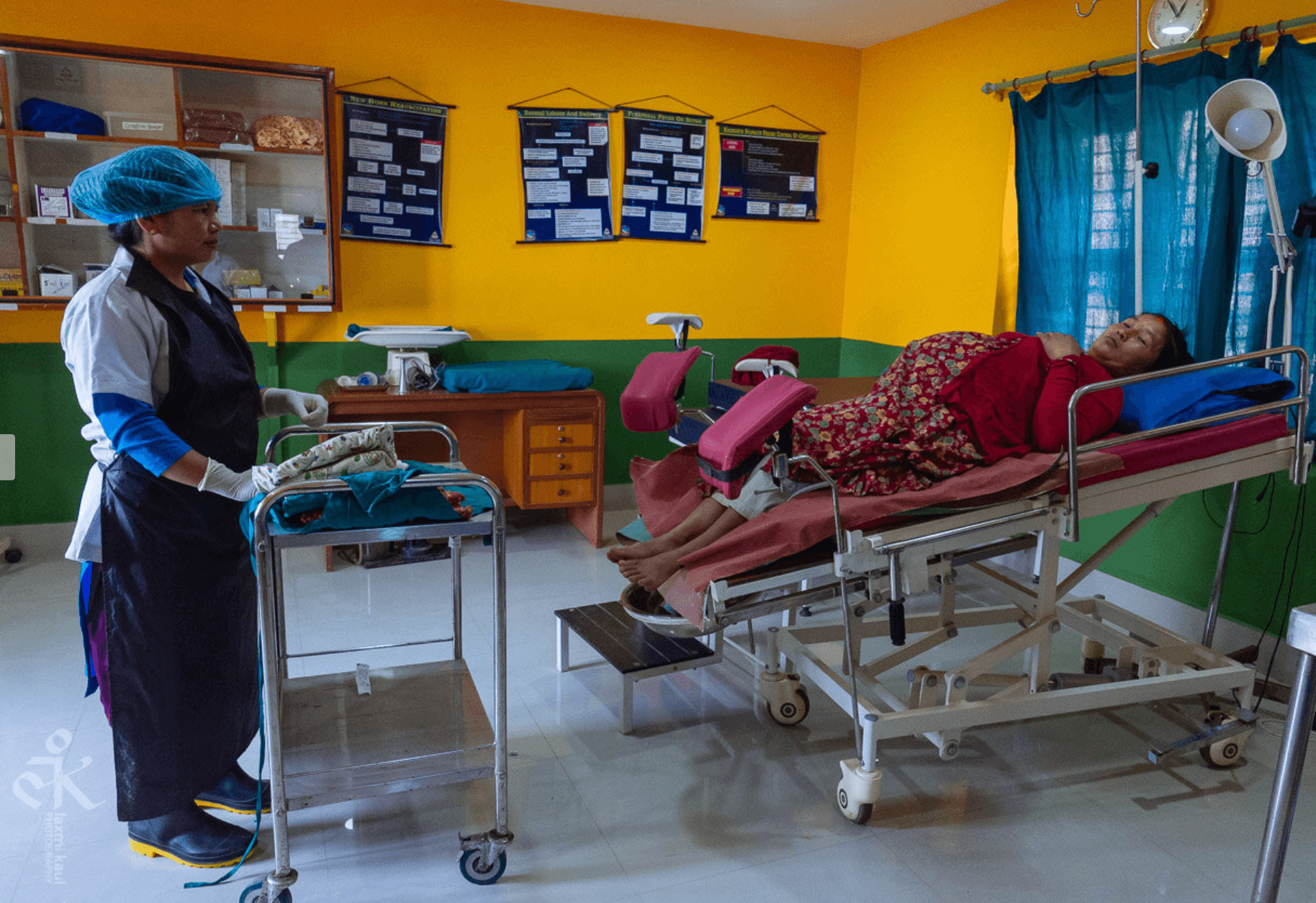
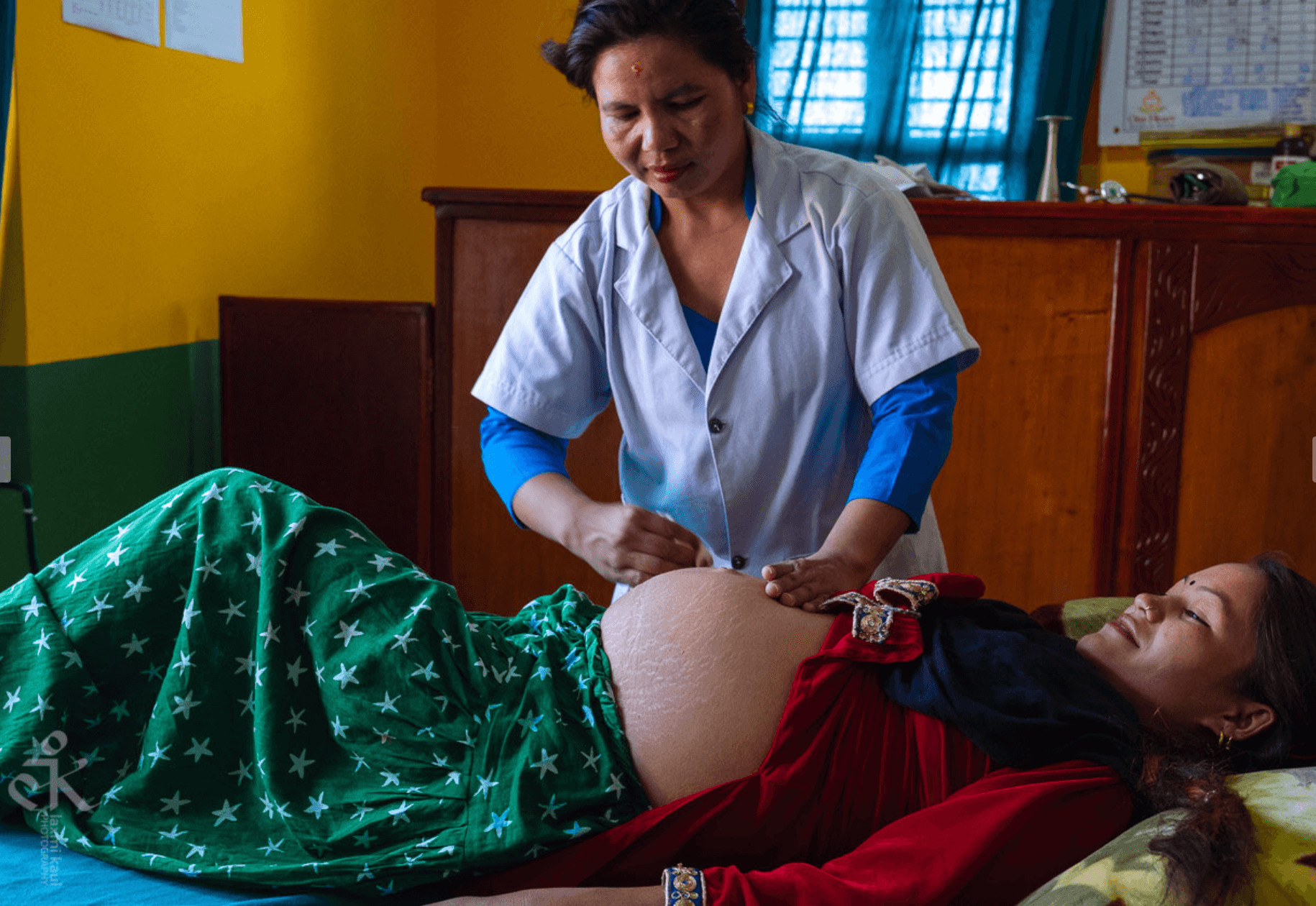
The US-based non-profit One Heart Worldwide has been working in rural Nepal for the past 11 years on a new template of building capacity at far-flung government health posts to improve maternal and neonatal healthcare service.
Read also: Who will save Nepal’s poor new mothers? Rojita Adhikari
One Heart’s formula is to assess the maternal-child health situation in a district, develop a customised strategy, support rural birthing centres with skilled birth attendants, deploy trained community health workers, equip delivery rooms.
The organisation works with local elected politicians, getting municipalities to bear a part of the cost, and every year it hands over four districts to local governments to own and run before moving on to the next four districts.
“This allows local governments to take ownership of health facilities,” says Surya Bhatta of One Heart Worldwide. “We can’t make our people always dependant on the outside. We are making a difference in districts we have worked in. What can be more fulfilling than saving lives?”
Bhatta returned to Nepal after graduating from Dartmouth College in the US, and feels passionately about his work because his own mother was married at 11, and nearly died delivering her first baby at 16.
Since 2010, One Heart has helped upgrade 2,600 health facilities in 282 municipalities in 28 districts and reached nearly 370,000 pregnancies. Last week, the organisation signed an agreement with the Ministry of Health and Population to apply its cooperation model in birthing centres in Karnali and Madhes Province.