
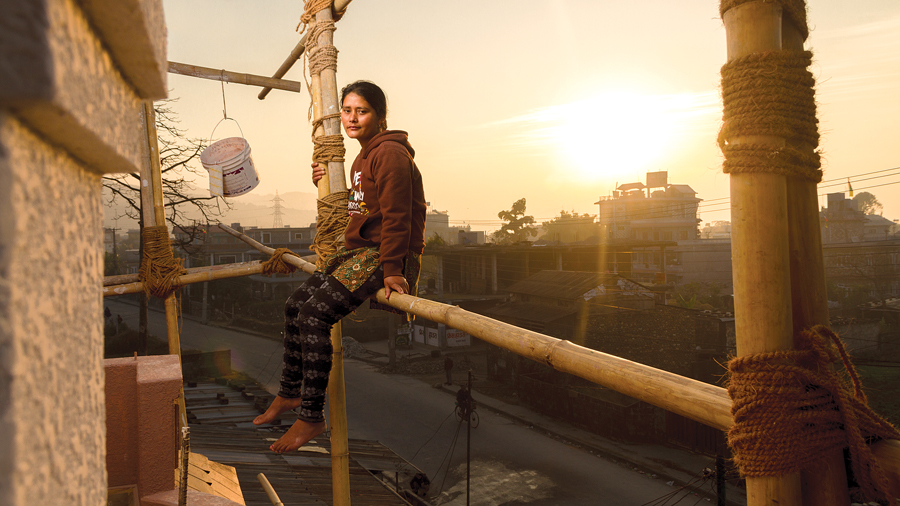
After his father retired from service in Singapore and Sanjog Rai returned to Nepal, he dabbled in journalism. But he found his true calling in photography, especially in mixing travel with portraiture. He set up his own commercial photography company, Abstract Studios, to earn a living. During assignments, he started working on images that really stood out for the stories they told.
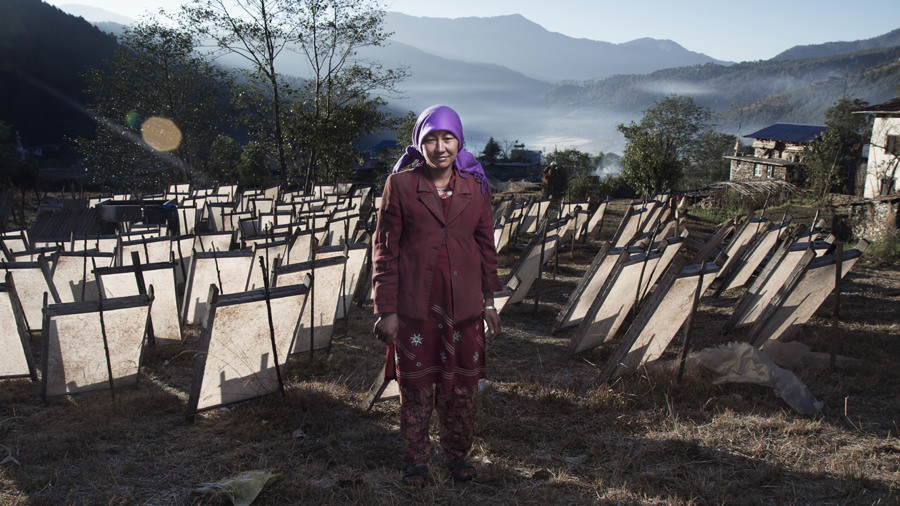
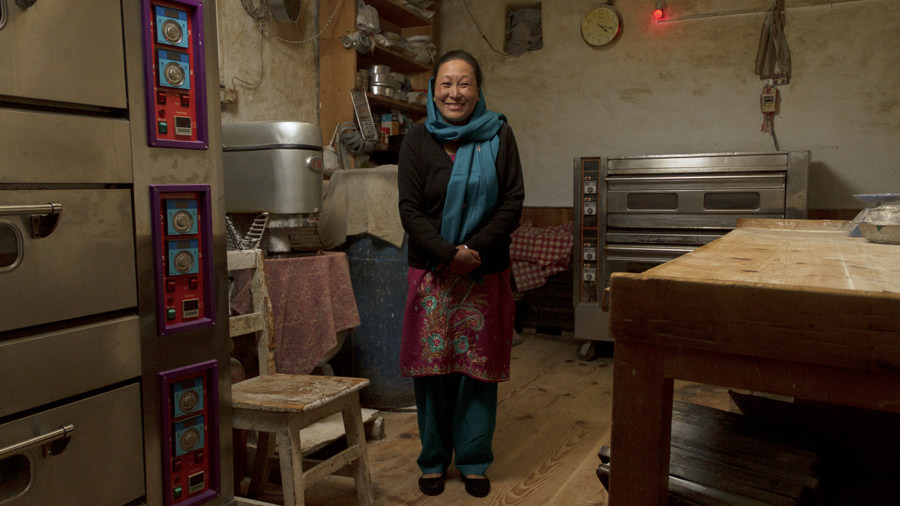
It all started with a chance meeting with Jenuka Shrestha in Jiri, who makes lokta paper. The light was fantastic and the portrait came out really well. Rai thought of making the photo part of a series on working women, and wherever he travelled in Nepal thereafter he started working on portraits of women. It was never hard to find them working.
Rai was disenchanted with travel photography he saw in Nepal. “I had seen the crushed blacks and perverse amount of sharpening, and I wanted to set a new challenge to myself, besides there were all these stories just waiting to be told,” he says.
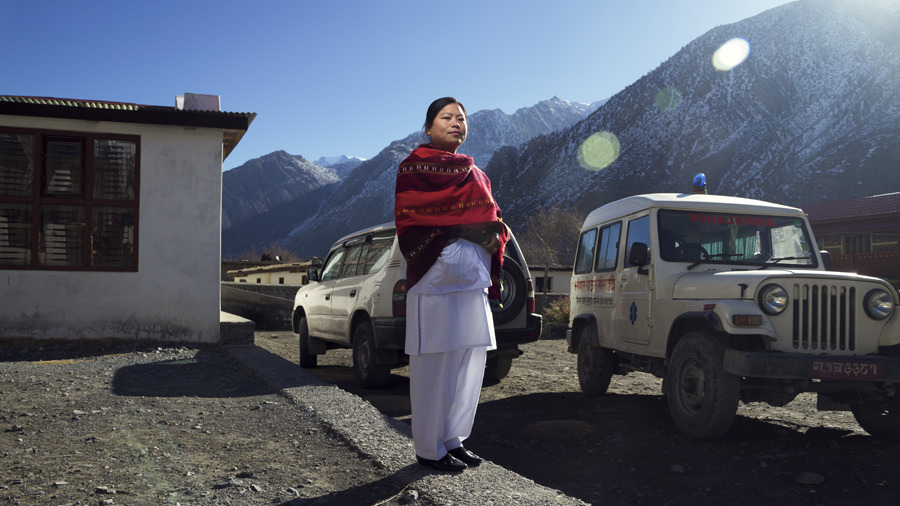
Rai wanted to show the extraordinary lives of ordinary women through pictures. So far he has taken just 12 portraits: his goal is 50, enough for an exhibition.
“I only work on one portrait per day,” says the 33-year-old. “I will be happy if even one of the hundreds of pictures I take every day comes out well. If more than one comes out well, I get sceptical.”
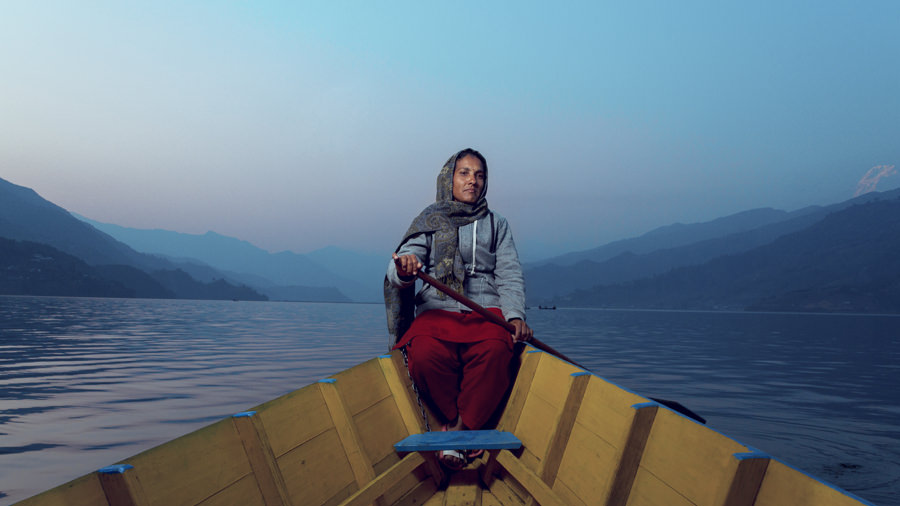
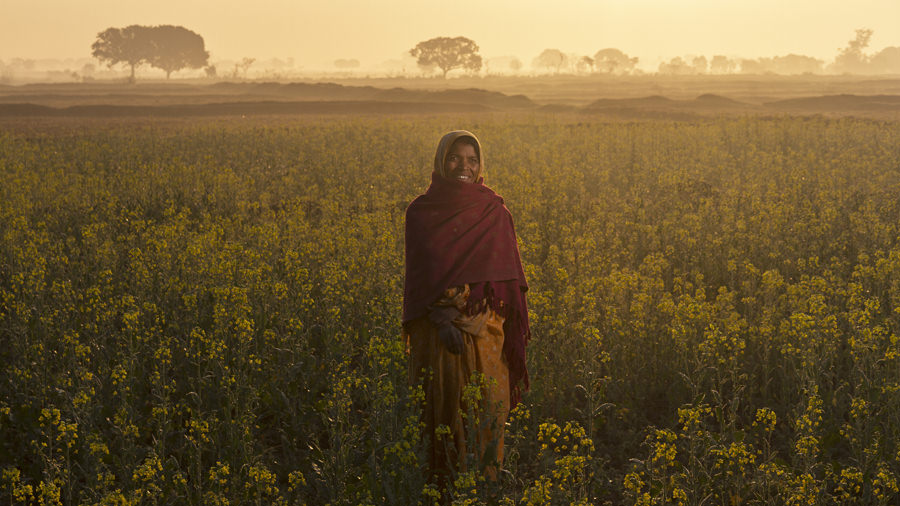
Rai also wanted to challenge existing perceptions about a workplace. It is not always an office or a cubicle: it can be anywhere and everywhere, under an open sky or across a mustard field.
“Not every photograph has to be a life or death story. Everyone’s struggle doesn’t have to be a reality show, but I wanted to shoot it cinematically without fetishising the poverty,” Rai adds.
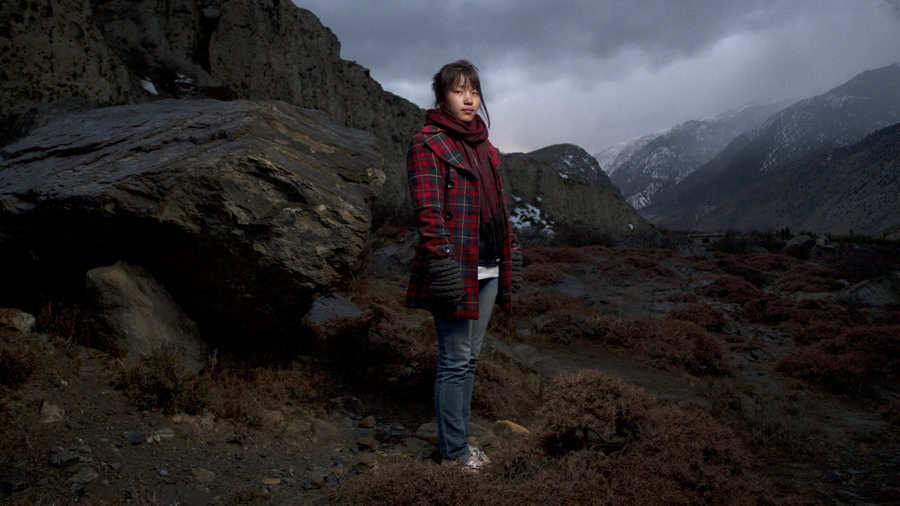
He shoots with basic equipment: DSLR, kit lens, a studio light and a couple of friends to help out. He says: “I try not to hide anything if possible. Often times the only editorial oversight is how much of their story do I want to tell.”
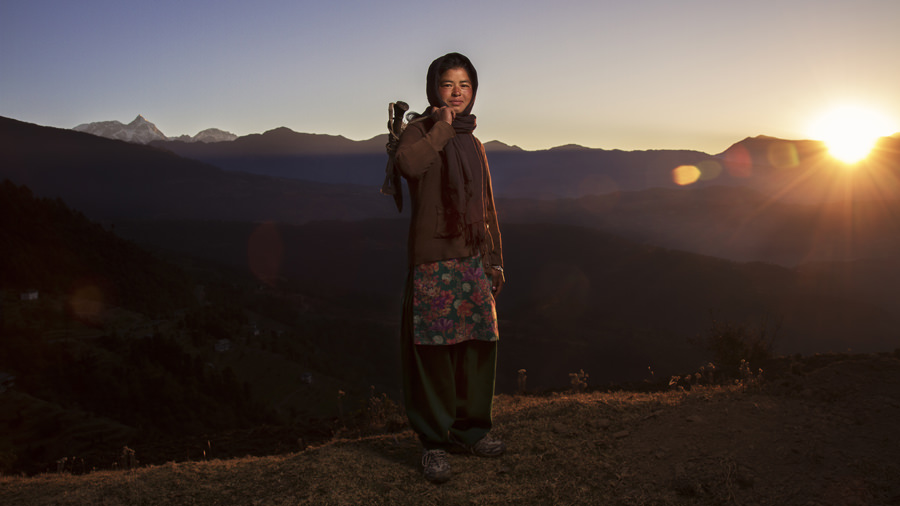
Sunita Nepali, for example, is working in construction but was actually once trained as a filmmaker. She spent seven years fighting a court battle against the father of her son so he could get Nepali citizenship.
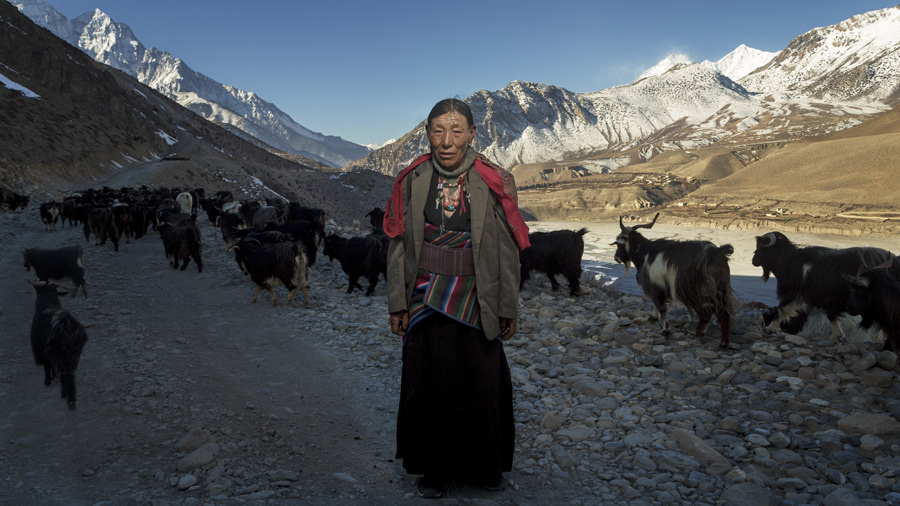
Rai met Kattu Gurung in Kagbeni while she was taking her mountain goats to high pasture. But he only got a test shot because by the time he got the photo shoot ready she had disappeared up the mountain.
Sanjog Rai’s road stretches to the horizon, and he says he will keep taking portraits of working women he meets along the way.
sanjograi@outlook.com Instagram: sanjograi
Read also:
Nepali kagaj, Naresh Newar
Who will be a Nepali, FTNP