This is the 81st episode of Diaspora Diaries, a Nepali Times series in collaboration with Migration Lab providing a platform to share experiences of living, working and studying abroad.
I went to Australia in 2008 because everyone was headed there. It was my first time leaving the country and my first job. My college helped me find work as a kitchen helper at a Brisbane restaurant.
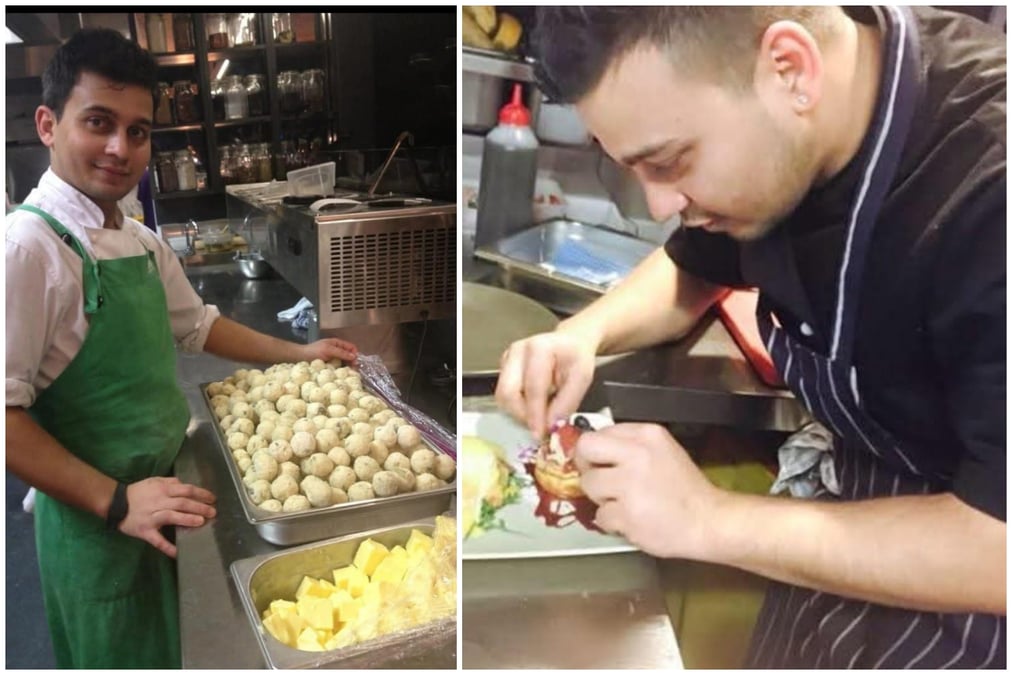
I did not know that being a kitchen helper meant washing dishes. I was young and did not know how to wash dishes or how to handle the steam, the hot water, and the busy kitchen. The utensils were thrown at the dishwashing station continuously, and water splashed on my face. My shoes and clothes were always wet.
It was an on-call job. A couple of days into the job, I was asked to come in when I was at the movies. I refused. They fired me. That was that.
I then worked on a farm, picking lemons and oranges. The lemon work was particularly hard because I would get cuts all over my hands. This hustle was not for me.
Within a year in Australia, I decided to return to Nepal because the foreign life did not suit me. After spending eight months in Nepal, reality sank in. Nepal was not all that great either.
I went back to Australia. On the plane, I befriended a Nepali woman who was homesick and a first time traveler. At the immigration in Australia, the officer noticed my long absence and started interrogating me. He noticed the Nepali woman waiting for me and asked who she was. Without thinking I lied that she was my girlfriend. That seemed to do the trick because he did not want us to be separated. He stamped my passport. She went her way. I went mine.
In Sydney, I again found a dishwashing job at a fine dining restaurant. A Sri Lankan colleague helped me learn the job. The pace at which I had to do the dishes was insane but I got the hang of it in two weeks.
I always dreamt of one day wearing the chef’s white coat. It commanded respect, I could tell. In addition to becoming good at my job washing dishes, I also had good language and networking skills so I built good relationships with colleagues.
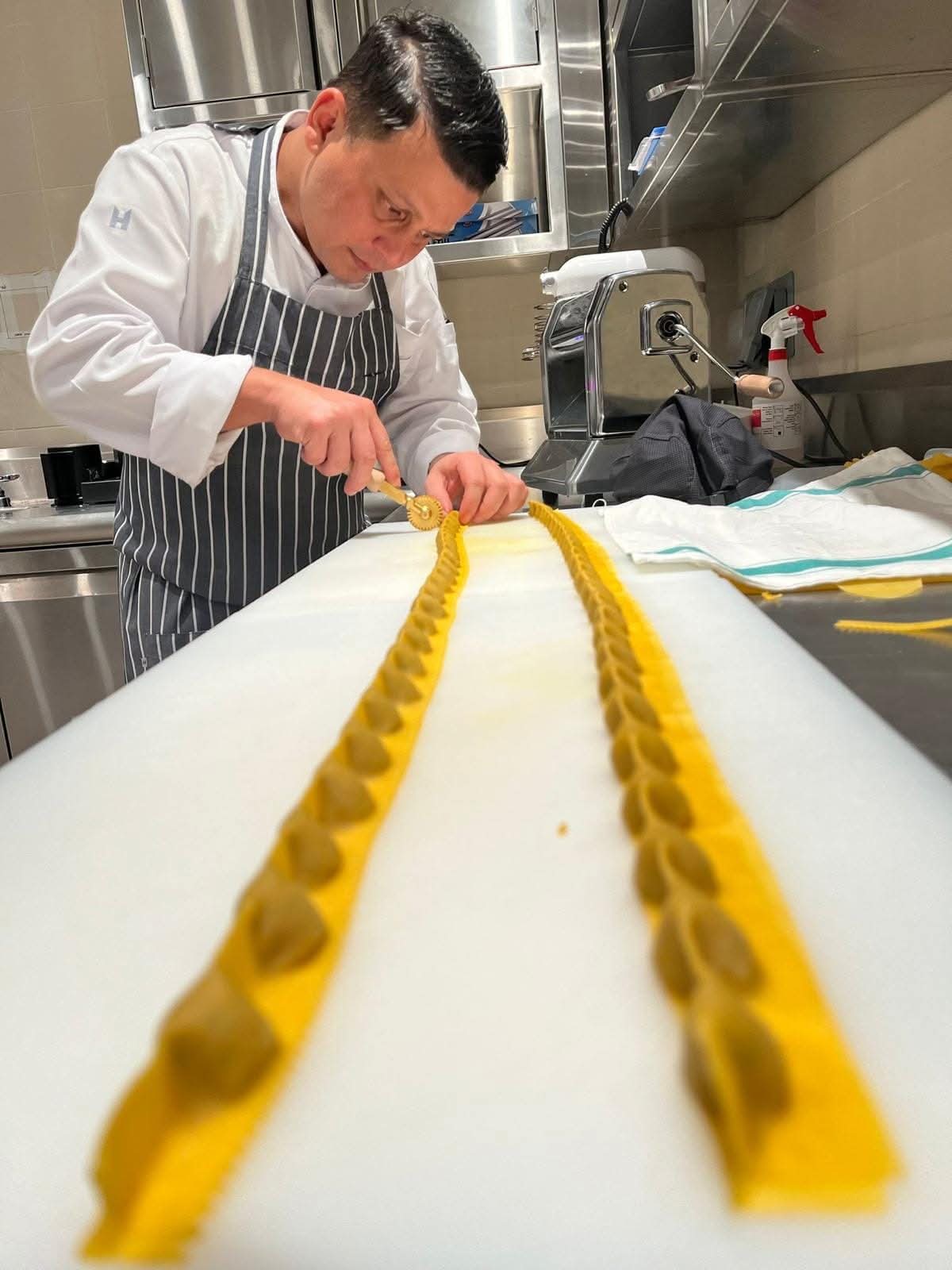
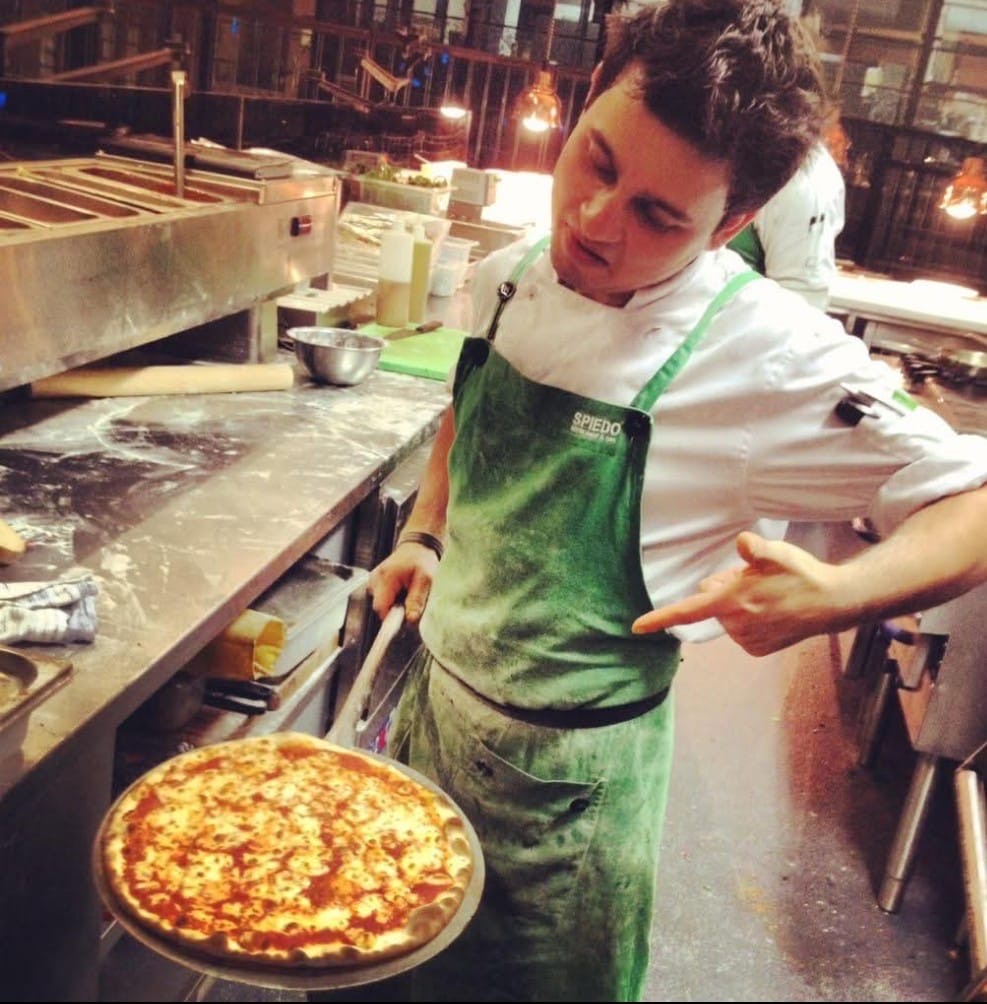
There was a need for a pizza chef at the restaurant. It was expensive to hire someone new, and they asked me if I was up for the job. I said yes even though I knew nothing about making pizzas. My Italian colleagues coached me and before I knew it, I became better than others at the job.
Soon, I realised that I did not just want to make pizzas. Whatever I wanted to learn, I just asked seniors to take me under their wings and I would help without pay. They would agree but still pay me. It wasn’t a strategy per se, I genuinely wanted to learn.
At some point, a Japanese sous chef in my restaurant and I had coincidentally applied to the same restaurant, and there, under him, I got to learn even more. Working with a Japanese chef is really difficult, but you learn a lot. He would sometimes even hold my hand with tongs dipped in hot water when I screwed something up.
I worked in a few restaurants after this and was earning well. When one of my colleagues, a dishwasher, was let go unfairly, I decided to leave because I did not want to be a quiet bystander to this act. I returned to Nepal immediately after this.