
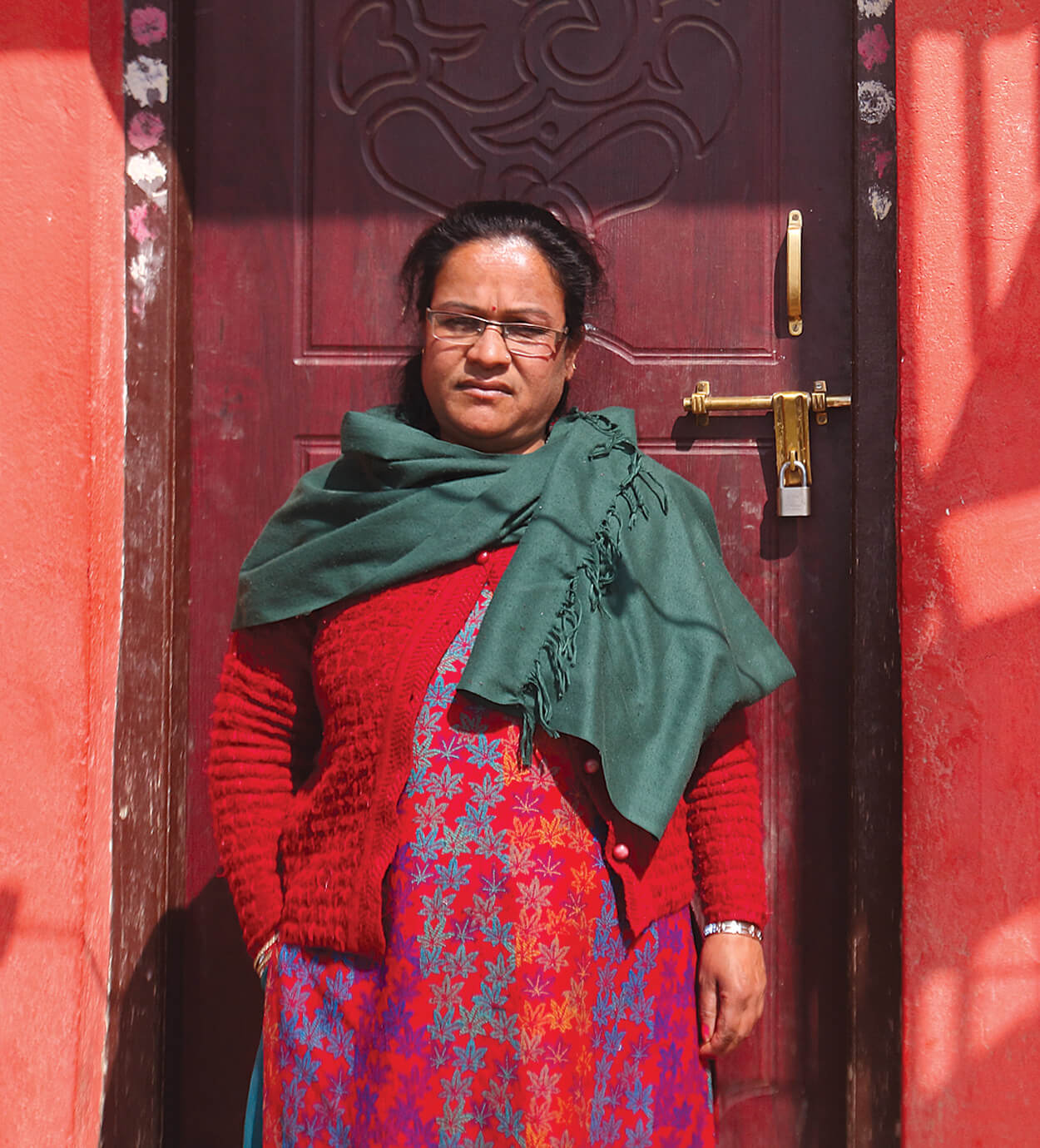
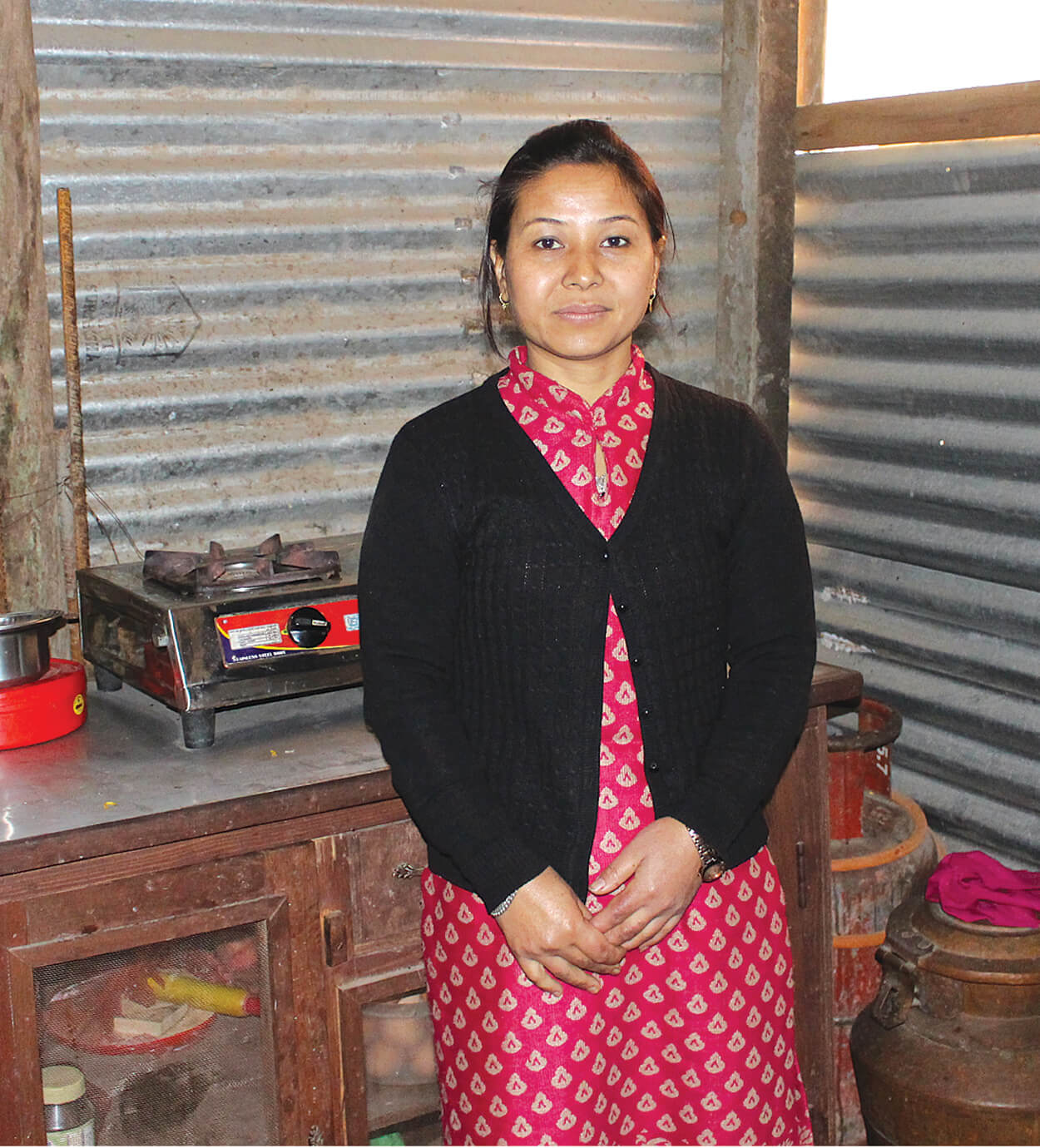
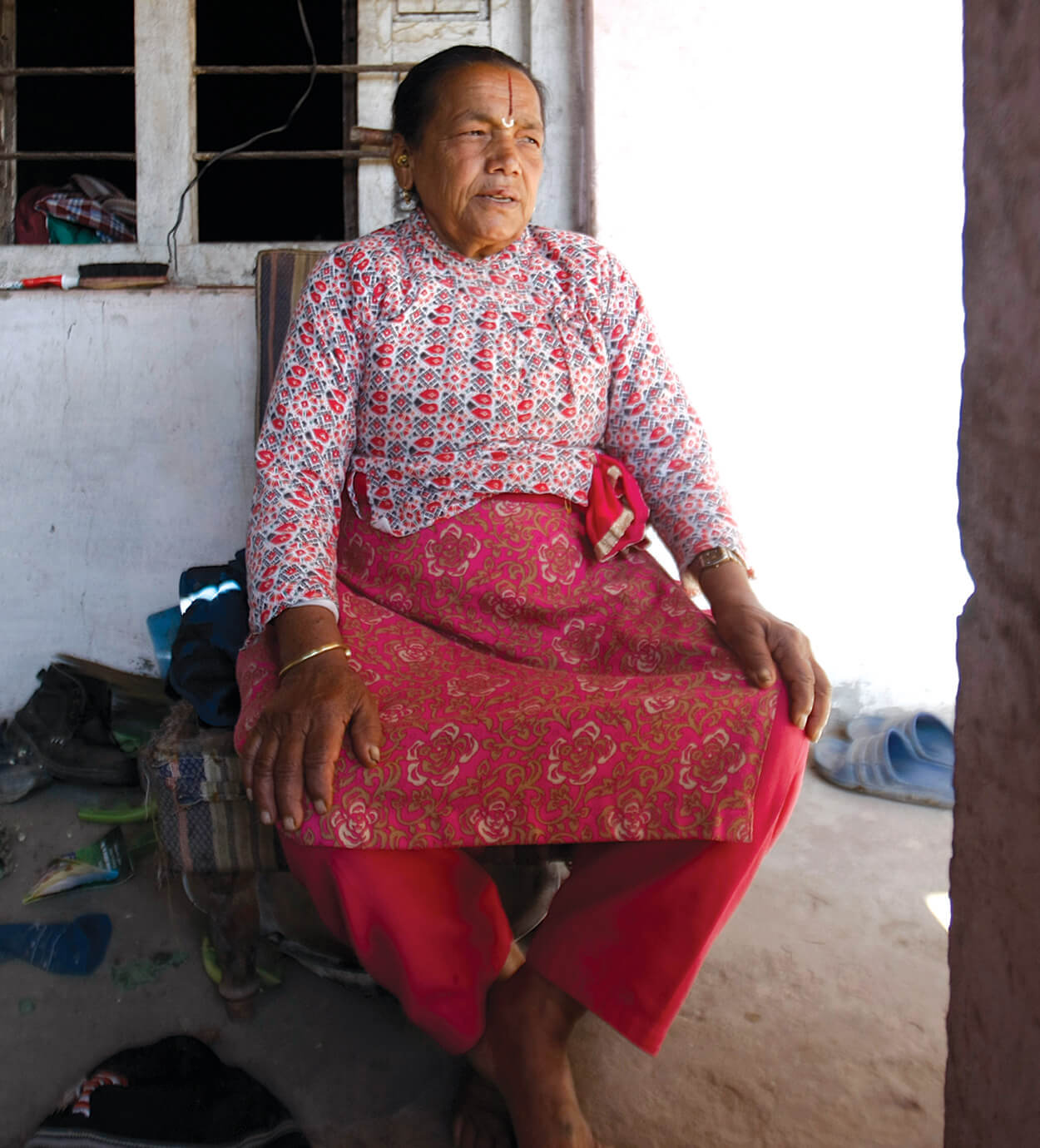
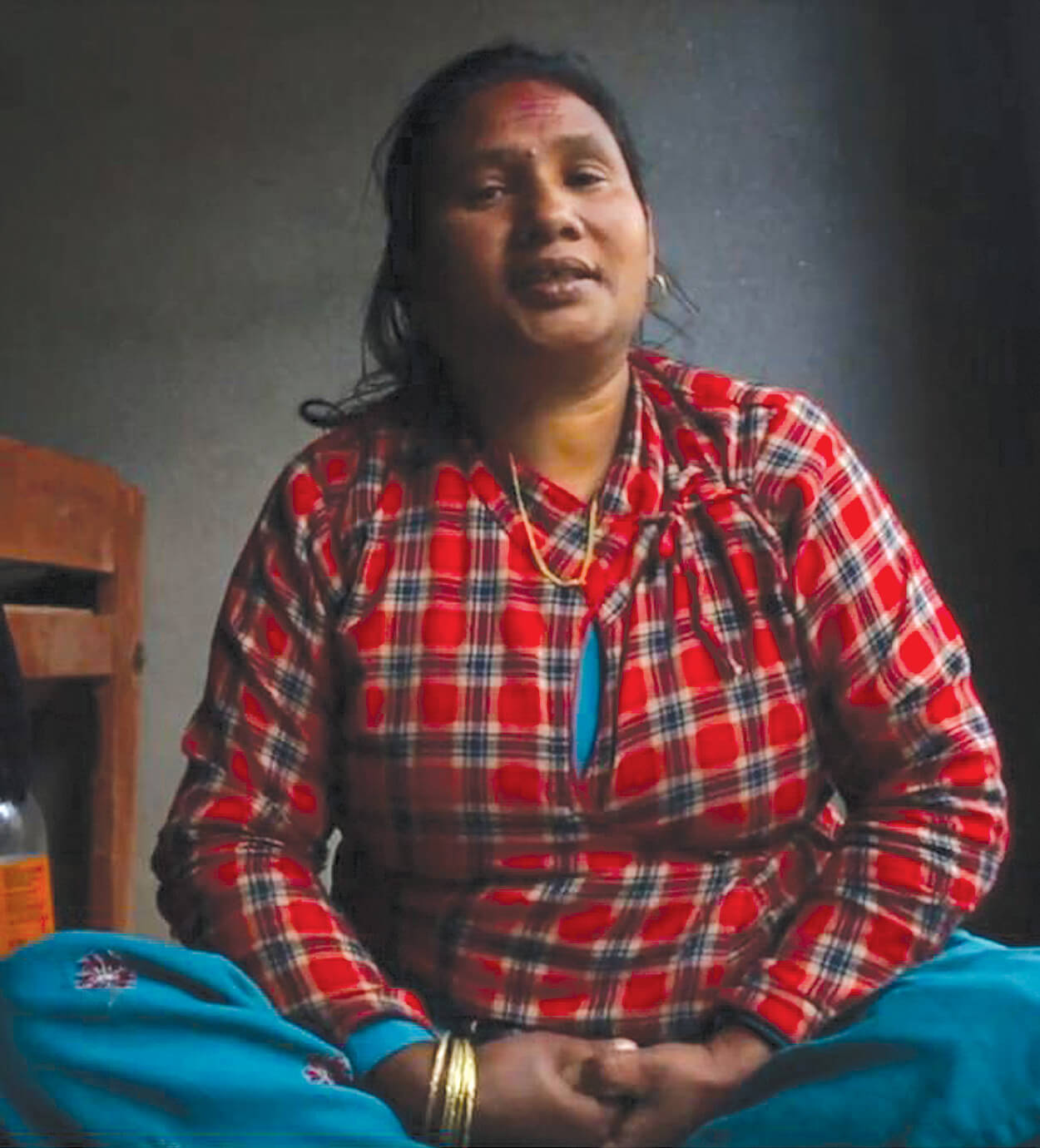
BOLD WOMEN: Pampha Nepali, Rupa Maharjan, Ishwori Bhandari, and Nanmaiju Prajapati (from top), survived the earthquake, and now try to survive deep-rooted patriarchy as they raise their families.
Being a country of stark inequities, relief and rehabilitation four years after the 2015 earthquake has also been unevenly distributed. Particularly vulnerable have been excluded groups, women, senior citizens and children who need extra support.
Even among female survivors, it was single women-headed households, widows, divorcees, or those ostracised by in-laws who are worse off. Of the 812,371 households affected by the disaster, more than a quarter were headed by single women, and 2,000 were freshly widowed by the earthquake.

Read also:
The house for the Nepali family, Sewa Bhattarai
Making gods for a living, Sonia Awale
They face challenges in renewing land titles lost in house collapses, in-laws who refuse to hand over a dead husband’s property, or even getting citizenships for children born after fathers died in the earthquake. All this has added to the economic burden for women who have lost breadwinners.
A UN Gender Equality Update states that women’s duties increased after the earthquake: they were spending four-five hours a day cleaning the debris, and it took them three more hours to get water than before. Many had to check on children as they went about their daily work, delaying chores. Women were found to be less aware of the steps they needed to take for aid.
Read also:
Surviving the aftermath, Sonam Choeyki Lama