Ludwig Stiller SJ wrote in The Silent Cry (Sahayogi, 1976) on how Nepalis were pauparised in the aftermath of empire-building attempts following unification. The people were taxed beyond survival and sustainability, and so the process of out-migration began. When the going got tough, the people got going.
The process of departure had already started as the 18th century gave way to the 19th, with already large numbers of Nepalis in Lahore before the Anglo-Nepal War of 1814-16. That war led to the formalisation of Gurkha recruitment, which has continued in the British and Indian (Gorkha) regiments.
‘The cry is still there,’ Stiller wrote in 1976, ‘will it be heard any more than it was during the silent years?’ Forty years after he wrote the line, one must conclude that the cry remains unheard. And two centuries after citizens started arriving in northern Punjab in search of work, the exodus of ‘lahures’ continues. Citizens of hill and plain fan out to fill menial positions all over north and peninsular India – as restaurant labour, agricultural workers, chowkidars, load carriers and in road-building gangs.
With passports made easy to get after the 1990 political transition, the ‘remittance economy’ took off, and now Nepali migrant labour is found in the farthest reaches, from Namibia to Nebraska. The largest numbers overseas, of course, are found in the Gulf and Malaysia. The poorest of all still go to India.
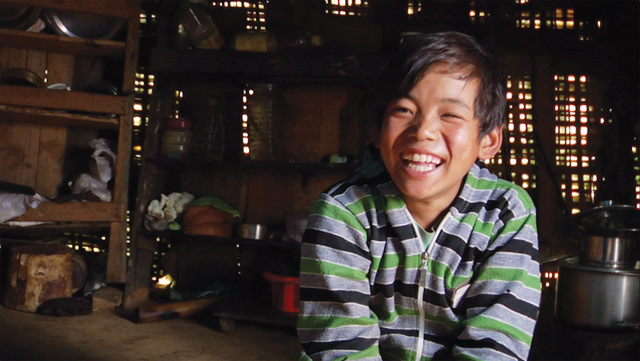
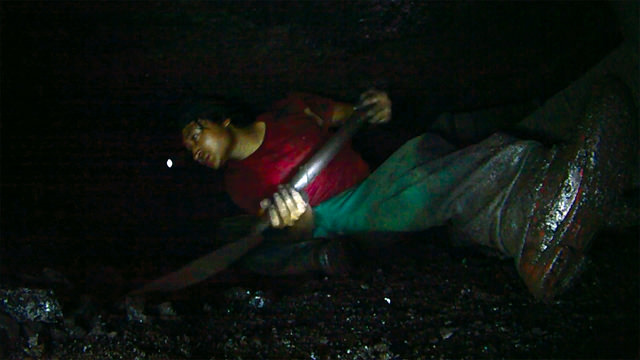
This saga of migration is thus a continuing ‘silent cry’, the stoic and practical reaction of a populace confronted by an insensitive, inefficient state administration. There is no meaning in reaching back to the deep past, but we must question the Nepali state regarding its record in the modern era, starting 1950 when the Ranas were ousted and Kathmandu developed a political class and civil society – a polity. The finger can be pointed with the help of Fireflies in the Abyss, a film by Bangalore-based documentary filmmaker Chandrasekhar Reddy, who over six months filmed Nepali migrants in the illegal coal-mining camps of Northeast India’s Meghalaya state. The ‘rat-hole mining’ is carried out in suffocating tunnels deep in the womb of the earth, beneath the bucolic setting of rural Meghalaya. The rolling hills and dales are interspersed with square pits that go down 100-200 feet. Catching coal seams, the miners then dig laterally through tiny tunnels.