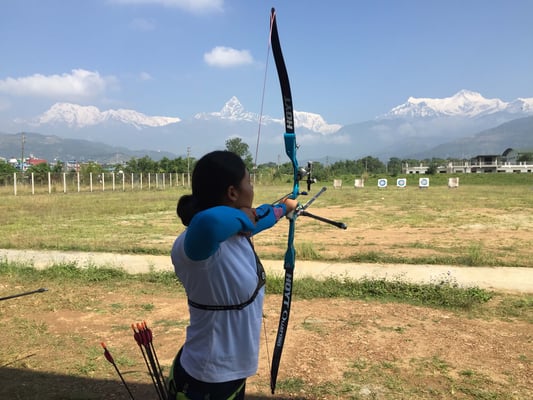
Nepali archer training for the Tokyo Olympics. Photo: NEPAL OLYMPIC COMMITTEEAs Nepal plunges headfirst into 2021, it is worth reflecting back…
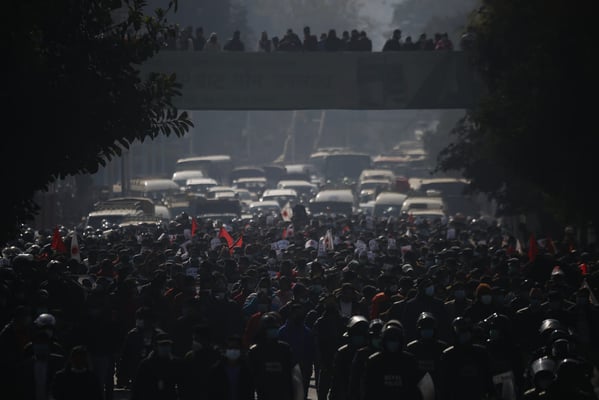
Thousands of people took to the streets this week to protest prime minister Oli's decision to dissolve the Lower House. Photos: BIKRAM RAIEven…
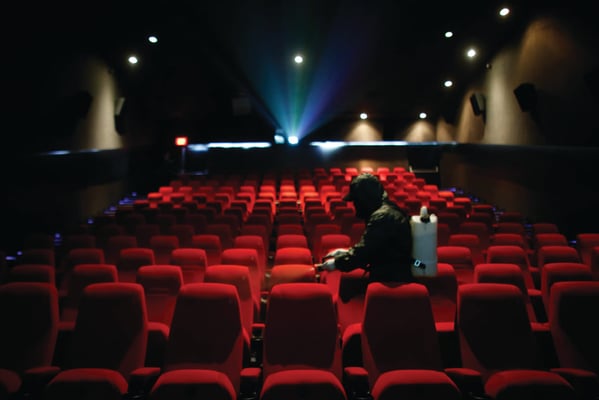
QFX Cinema at the Labim Mall multiplex is scheduled to reopen on 25 December. The cinema halls will observe strict protocols, including mask,…
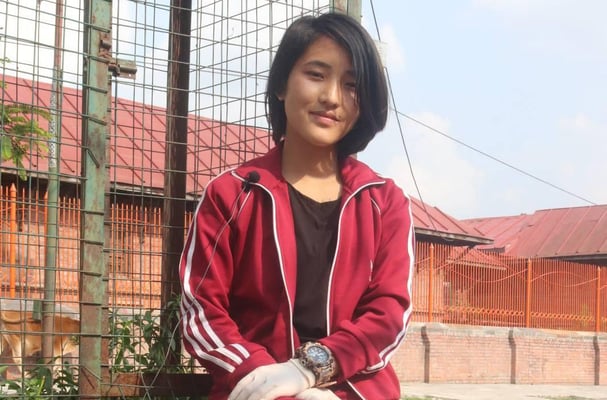
The BBC included Sapana Roka Magar, an 18-year-old voluntary crematorium worker from Nepal, in its 100 Women of 2020, a yearly list of inspiring…
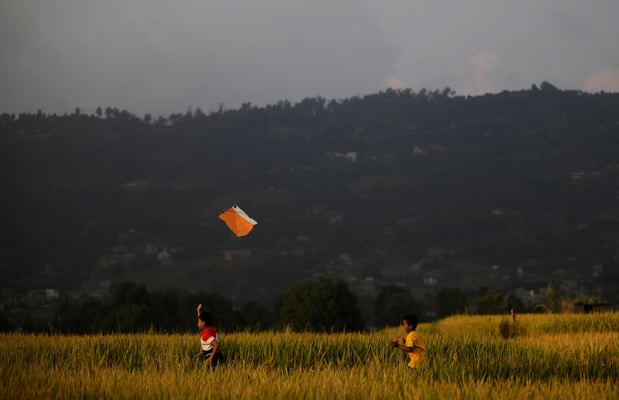
The monsoon has retreated, there is a fresh westerly afternoon breeze, the sky is blue, the mountains are out again. Nepal’s kite-flying season…
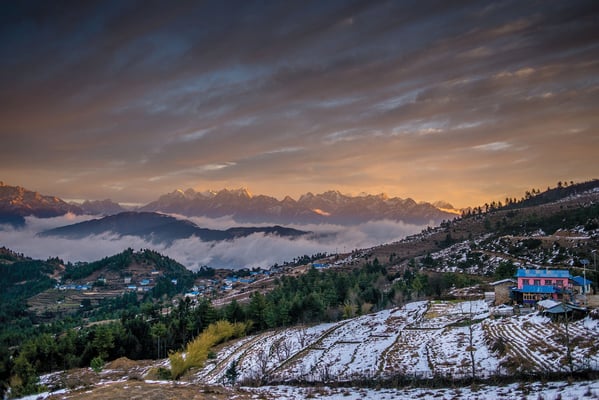
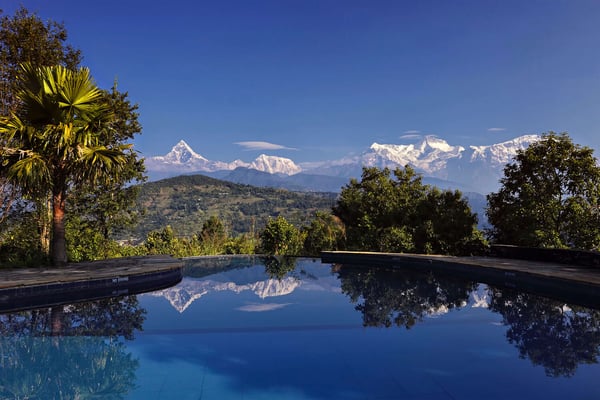
Look east : Sunrise near Phaplu in Solu Khumbu after recent snowfall. Photo : MANISH PAUDELEver since Time magazine printed a story in 1992…
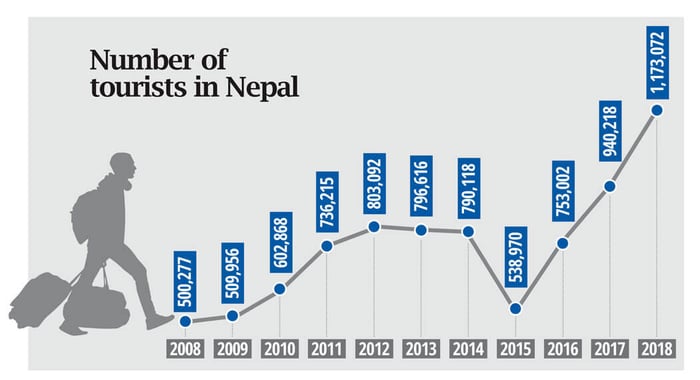
On new year’s day, President Bidya Devi Bhandari inaugurated Visit Nepal Year 2020, aimed at attracting 2 million tourists this year, at a…
For Nepalis who migrated to New South Wales, it must feel like going from the frying pan into the fire
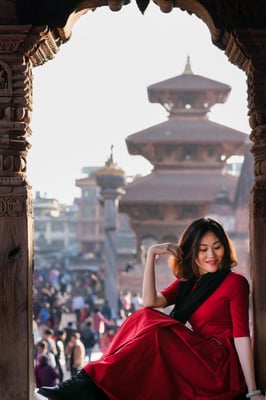
Chinese Ambassador Hou Yanqi posted pictures of herself on social media on New Year's eve to promote Nepal tourism among the Chinese. Photo:…
As we hurtle into the 2020s, time to recall a millennium eve 20 years ago and face the clean slate of the future
Of late, international news like climate change, the collapse of liberal democracy or the destruction of the Amazon have started crowding out…
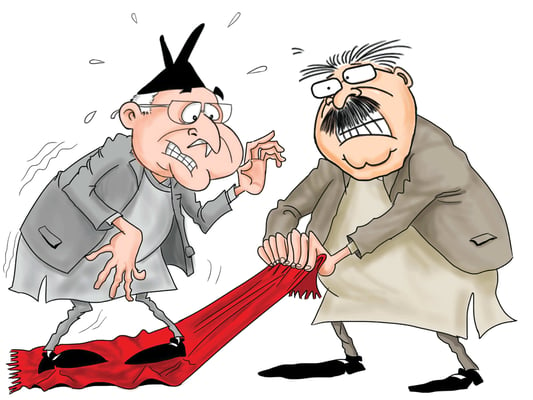
Reverberations of 2019 are going to have far-reaching impact on Nepali politics in the coming year as a tug-o-war, broadly between ex-UML and…
Tourists are not looking to rough it out, they want a lifetime experience
At the cusp of a new year and a new decade, Nepalis must take stock of promises not kept and the opportunities lost to take the country forward…
Nepal is stepping up preparations for its 10-year census in 2021, which is slated to be the most hitech in history and will go beyond simply…