Earthquake-related injuries have been replaced by pre-existing ailments
Peregrine Frissell in KAVRE
Just on the other side of the eastern edge of Kathmandu Valley lies the town of Kushadevi. It is a two-hour drive from the capital, yet this district is an example that proximity to a hospital is not all that is required for many Nepalis to receive adequate medical care in the aftermath of the earthquake.
While a lot of attention went to districts like Sindhupalchok and Gorkha, Kavre got left in the shadows even though the damage here was extensive. Of Kushadevi's 1,900 home, 1,700 were damaged or destroyed. Fortunately, because of the timing of the quake on 25 April, there were only five fatalities.
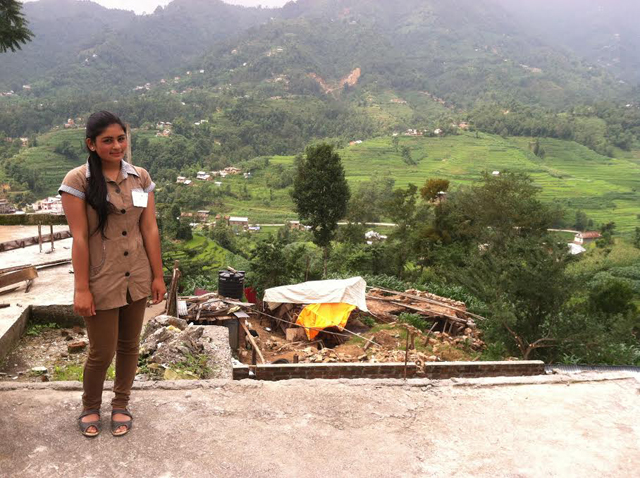 Sarmila Sapkota
 lives with her family in a house overlooking Kushadevi which was damaged in the quake. They live on the ground floor where the livestock used to be. The buffalos and goats have been moved to a temporary shed. Sapkota's bedroom was on the second floor, and the walls have caved in.
Just down the road from Sarmila’s house are piles of bricks where family homes used to be. Next to them are temporary structures covered in tin or plastic sheets. Uma Sapkota's home is in ruins and she is trying to rebuild it, but isn't getting much help from anyone.
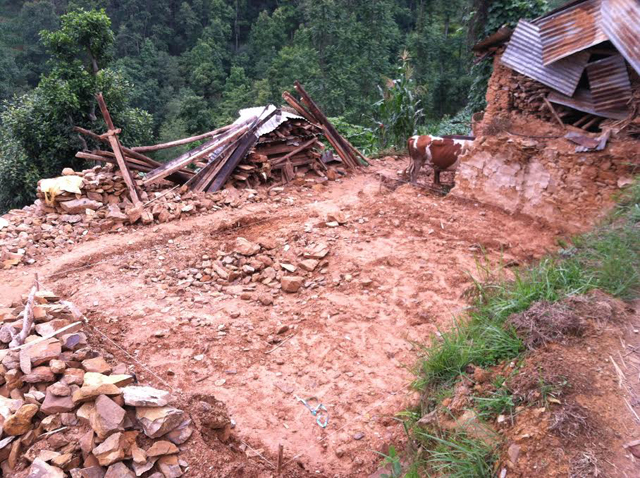 Uma Sapkota's home in ruins after the April 25 earthquake.
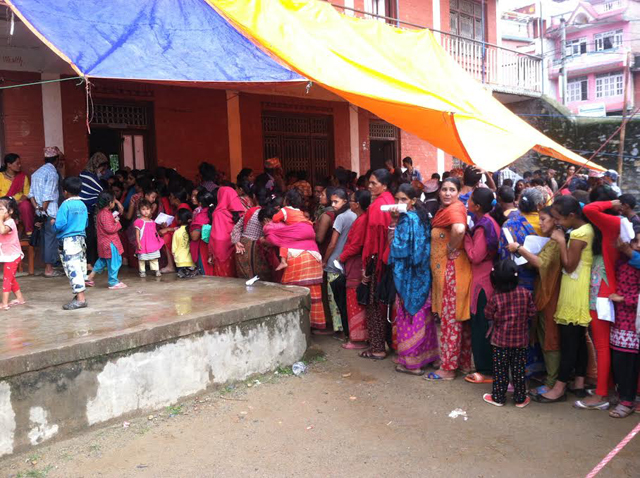
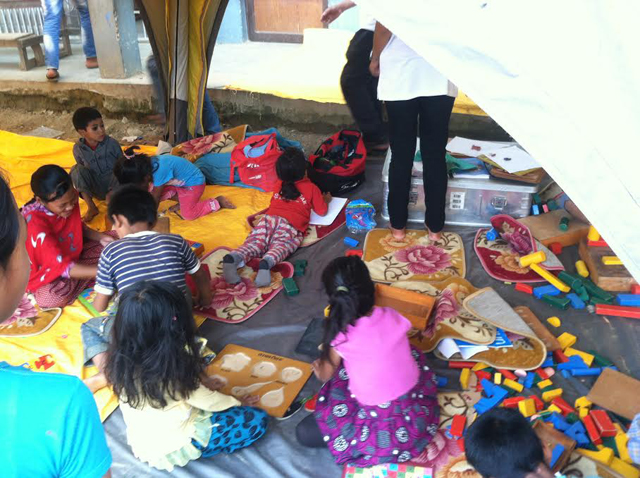
Aside from shelter, one urgent need is medical care. And even though Kushadevi is only a 45 minute drive from Dhulikhel Hospital, villagers don't want to leave family alone at home. Which is why the role of mobile clinics like the one provided by volunteer doctors from Kathmandu's B&B Hospital and the Hospital and Rehabilitation Centre for Disabled Children (HRDC) in Banepa are so important.