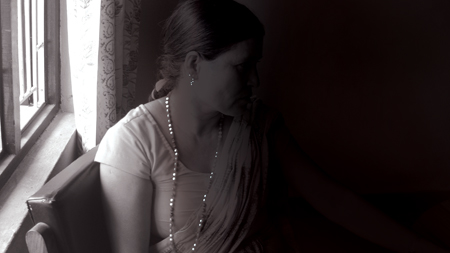
Perpetrators of conflict-era sexual violence walk free as women suffer in silence and fear
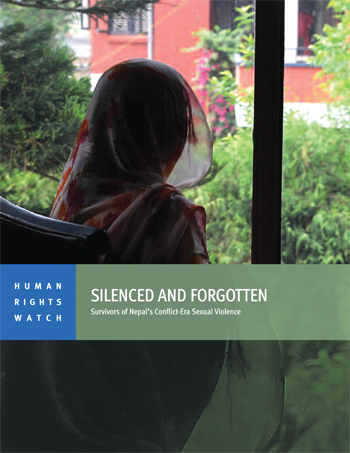 Silenced and forgotten: Survivors of Nepal's Conflict Era Sexual Violence
Gayatri used to study in a secondary school. In 2001, the security forces took her into custody and raped her every night by up to six officers. Nandita was gang raped by soldiers in front of her children. Manorama was raped 11 days after giving birth. A Maoist cadre in Humla who was eight months pregnant was raped, beaten and then shot in the back.
The Maoists detained Mina for refusing to join a re-education camp, and treated her like a sex slave for four months. They threatened to kill her if she told anyone. A 12-year-old girl who was cutting grass was raped by a local Maoist commissar. Maoists entered a home and forced a young woman to cook for them, and when they found out she was alone in the house they raped her at knife-point.
These war-era crimes between 1996-2006 are among hundreds investigated and detailed in two recent reports by Human Rights Watch (Silenced and Forgotten) and the UN’s OHCHR (Nepal Conflict Report). However, the government hasn’t yet recognised wartime rape as a crime, which has prevented the victims from receiving compensation as other conflict survivors and their families have.
Although detailed lists have been prepared since the 2008 Comprehensive Peace Accord about summary executions, torture and disappearances, rape has been ignored. Both the HRW and OHCHR reports say a majority of the cases investigated were perpetrated by the Army, Police or APF. They say the state has failed to address the need to investigate rapes, try and prosecute the guilty, extend compensation and provide psychosocial counseling and medical attention to the survivors.
Under a section of sexual violence, the OHCHR report says: ‘There is currently not enough information to establish whether sexual violence committed by Security Forces was institutionalized or systematised. However, it does appear that implicit consent was given at higher ranks which served to encourage a culture of impunity for opportunistic sexual violence, and suspicion of Maoist affiliation was used as an excuse to avoid scrutiny or accountability.’
Mandira Sharma of Advocacy Forum which helped in the HRW report, says: “The state’s behavior has protected perpetrators, and it has trampled on the rights of the rape victims.”
One rape victim tells human rights investigators: ‘My family did not overreact to whatever happened to me because almost every woman here has been raped, some countless times. Some have been so badly injured by repeated rapes by different army personnel that they are barely able to stand.’
There is a need to amend the current criminal code for sexual violence because under existing laws, perpetrators has used loopholes to evade prosecution. The definition of rape has been to broadened so that penetration should not be the only criteria for a violation to be considered rape. HRW has found incidents where security forces inserted various objects, including salt and chilli powder, into the vagina of prisoners to torture them.