
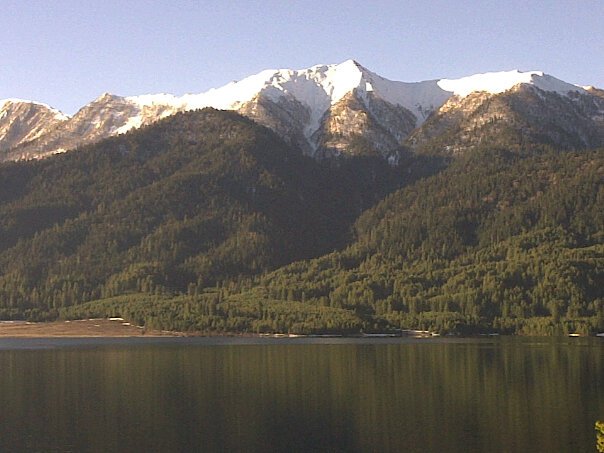
 Pic: Kunda Dixit
Tufan Neupane in Himal Khabarpatrika, 24 September-7 October
Lok Bahadur Shah used to run a small store near Rara Lake. One day 40 years ago, a government clerk came door to door ordering him and everyone else in the village to pack up and move out. They were being resettled in the Tarai to make way for Rara National Park.
This was in the days of the Panchayat and there was no question about disobeying a royal decree issued by King Mahendra himself. Mahendra was mesmerized by Rara, and penned his famous poem Rara Ki Apsara sitting under a juniper tree on the southern shore of the lake in 1964. The king died before his dream of creating a pristine nature reserve could be realised, but his son Birendra fulfilled his father’s vision by evicting 314 families from around Rara Lake which was declared a national park in 1976.
Lok Bahadur, now 82, still remembers the day he had to leave his home for good. That morning, he lit a lamp, and put enough oil in it for the whole day. He secured his house with a big padlock as if his family was just going on a vacation, and would return soon.
The family had lots of cows, buffalos, sheep, mountain goats and mules. There were rumours that the sooner they reached the Tarai the larger would be the plot of land they would get. So he sold all his livestock at throwaway prices and headed down to Motipur village of Bardiya district in the mid-western plains.
Rara’s displaced families were told that the government had already built concrete houses for them. But that turned out to be just one of the many lies as they settled down in the malaria-infested jungles of Bardiya.
Not only were there no houses, there was no drinking water, and no easy access to nearby towns. The mountain dwellers could not adjust to the heat of the Tarai, and moved to Chisapani without asking for government permission.
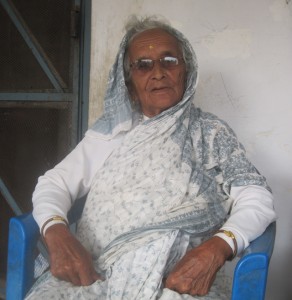 Gagan Kumari Shahi (pic right), now 86, was among those displaced and recalls it was snowing when she said goodbye to her lake-side home. In Rara, she used to go to the nearby woods to worship her deity every month, or so. But in the Tarai, the festivals and temples were unfamiliar.
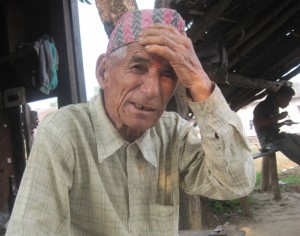 "Even today, whenever I go there, people respect me, and do not charge me a penny for food and lodging," he says. "But here, I am nobody and nobody knows me."