

Bachhu BK in Himal Khabarpatrika, 25 September
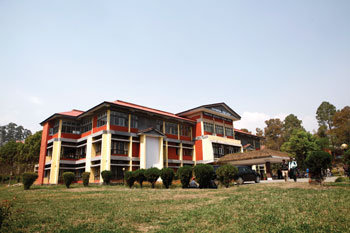
There are six professors, five associate professors and one assistant professor in the History Department at Tribhuvan University. But among a dozen professors, they only have one student this year. Bikram Subedi is the only student in the first semester and even he rarely attends classes.
"I discuss lessons wherever I find my professors," says Subedi, who already has a Masters degree in English.
At a time when the national discourse is about social issues like identity, inclusion and proportionate representation, the number of students taking history as a subject is dwindling. In the Far Western University where the course was introduced in 2010 there are 39 students across seven semesters studying history. "How will the students study history when they have stopped teaching the subject at the school level?" questions Yagyaraj Bhatta, Professor of History at Far Western.
The lack of interest in the subject is closely tied to the changes in education policies over the years. Around 1999, regular classes of history and geography were merged as social science at the school level. After it was removed at the intermediate level, history was made an optional subject in higher secondary level.
Experts say the other reason behind disinterest in the subject is because of the way the subject is taught and studied is unscientific, and also the lack of opportunities for history graduates in the job market. "If the subject can be made employment oriented and our education system a little flexible, there will be more students interested in pursuing higher studies in the subject," says education expert Bidhyanath Koirala.