
In 2010, Nepal made a landmark shift from a reactive, relief-centered focus toward more proactive, decentralised, and multi-layered disaster risk reduction approach.
The National Emergency Operational Center (NEOC) was set up in a seismically safe facility inside Singha Durbar. The 2015 Constitution explicitly recognised Disaster Risk Management and constitutionally mandated it as a concurrent responsibility across federal, province, and local levels of governments.
The devastating 2015 Gorkha earthquake was yet another turning point, exposing the limitations of the outdated Natural Calamity Act of 1982, which only focused on post disaster relief. This shortcoming led to the creation of the short-term Nepal Reconstruction Authority and the Disaster Risk Reduction and Management Act of 2017 that created the National Disaster Risk Reduction and Management Authority (NDRRMA).
It mandated the government to focus on all aspects of the disaster management cycle (preparedness, mitigation, response, and recovery), and led to the alignment of national strategies with global commitments such as the Sendai Framework for Disaster Risk Reduction through the National Disaster Risk Reduction Strategic Action Plan.
The main responsibility for disaster management now is at the grassroots level where the local government and community members are the first responders. They are backed by district committees, provincial authorities, and federal agencies when the scale of the response requires additional assistance.
With these structures in place Nepal has moved to a comprehensive federalised disaster governance. However, there still seems to be confusion among government and disaster management agencies that hampers the coordination needed for effective response management, particularly during the immediate response & relief phase.
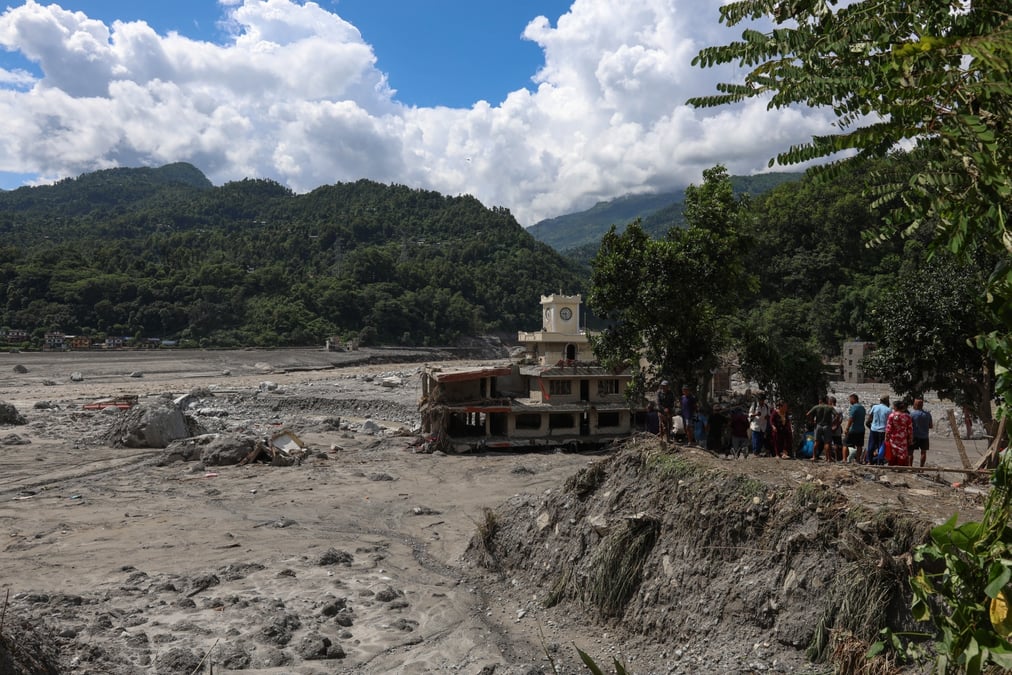
The 2015 earthquake and the recent floods on the Trsuli and Budi Gandaki Valleys should not be viewed merely as disasters that require large-scale rapid response. The response to them lacked structured, coordinated response mechanism committed to standardised management throughout the country.
To achieve such coordinated action on disaster response, Nepal needs civilian government led stewardship and integrated, multiagency planning. The government has taken strides in better serving the population in times of disasters, but gaps remain.
The most important is the lack of a standardised disaster response mechanism that coordinates actions before, and after a crisis to save lives, reduce human suffering and minimise economic loss.
There are two missing links:
A functional, well-resourced, and responsive Emergency Operation Centers (EOCs) at the national, provincial, and district levels.
A standard system for the on-scene management of incidents that enables a coordinated response across the government and relevant stakeholders like the Incident Command System (ICS) used by governments and organisations around the world.
EOCs provide a central location for interagency coordination at all levels, gives a common operational picture, and supports executive decision making for emergency management from strategic planning, preparedness and response to recovery and mitigation.