
 BIKRAM RAI |
When Pushpa Basnet won the coveted CNN Hero Award last week, social media was abuzz with comparisons with her namesake, Pushpa Kamal Dahal. One paper published a cartoon in which the social worker was tagged 'Pushpa Hero' next to the Maoist Chairman who was labelled 'Pushpa Zero'.
Indeed, Pushpa Basnet's award did not just draw attention to the plight of disadvantaged Nepali children and her struggle for social justice, but also demonstrated the power of one. She showed how one person can make so much difference in the lives of so many by being selfless, compassionate, and committed.
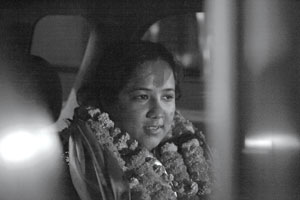
When Pushpa Basnet stepped out of the airport in Kathmandu on Saturday night, we all celebrated her sacrifice on behalf of disenfranchised toddlers forced to grow up behind bars with their jailed mothers. In 2010 Anuradha Koirala, was also recognised as a CNN Hero for her two decades of relentless work at Maiti Nepal on behalf of trafficked young women.
There are hundreds of everyday heroes in Nepal like Basnet and Koirala. Most work in relative obscurity to improve the lives of fellow Nepali children, women, elderly, disabled, sick, and the unemployed. Basnet's effort to educate the children of incarcerated parents, and Koirala's work to rescue and rehabilitate women sold off as sex slaves are just two among many other heroes among us. We don't know about them because the Nepali media is so cynically obsessed with politics that it has no time to search for them. And perhaps the social workers prefer to work in anonymity.
Basnet and Koirala's well-deserved international recognition masked the abject failure of the Nepali state to protect and take care of its most vulnerable citizens. Six years of foot-dragging have unnecessarily lengthened the political transition and made the state even more invisible. Nepalis are either fending for themselves or helping other Nepalis in their struggle for day-to-day survival, or to battle injustice and discrimination.