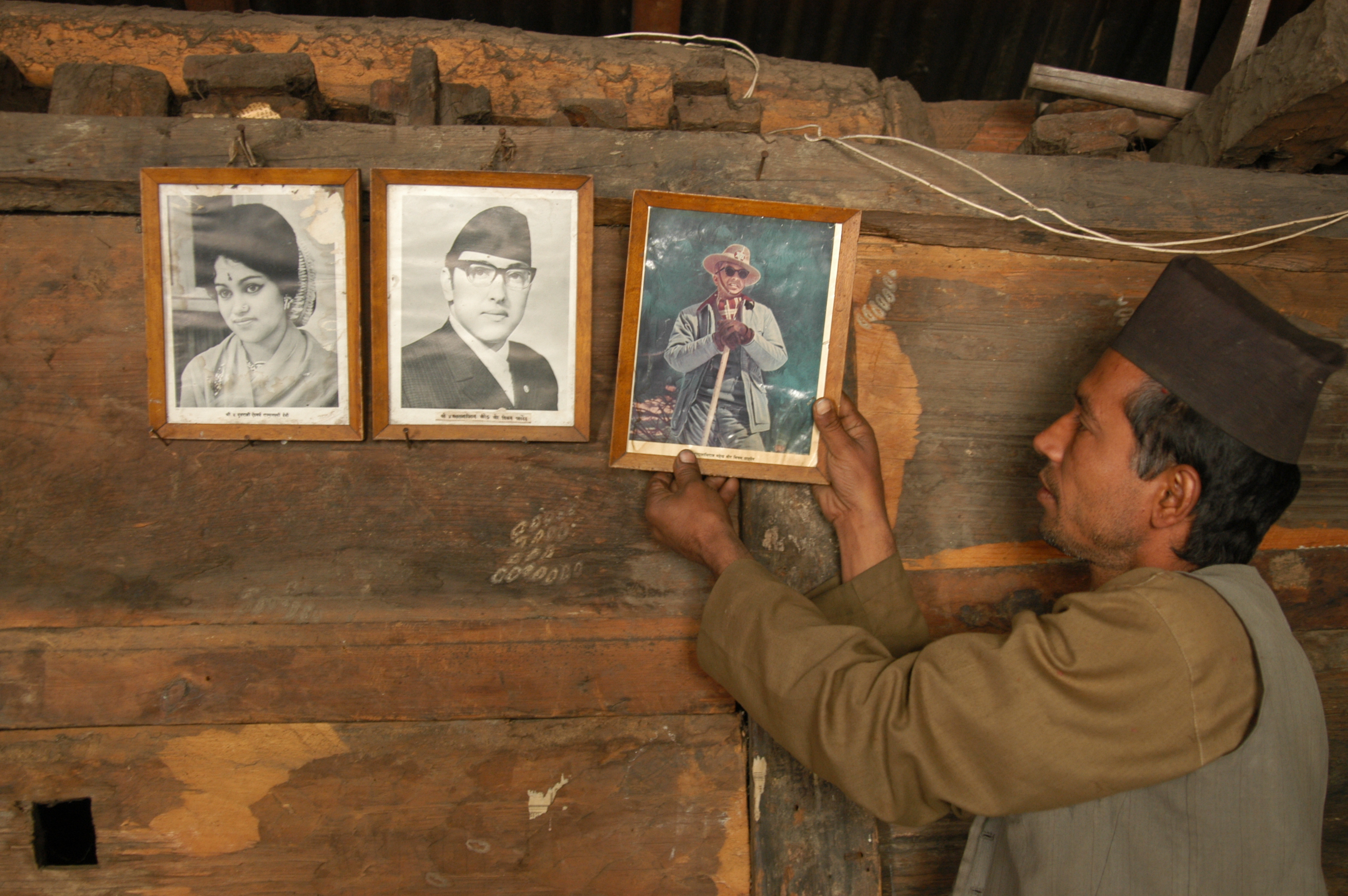
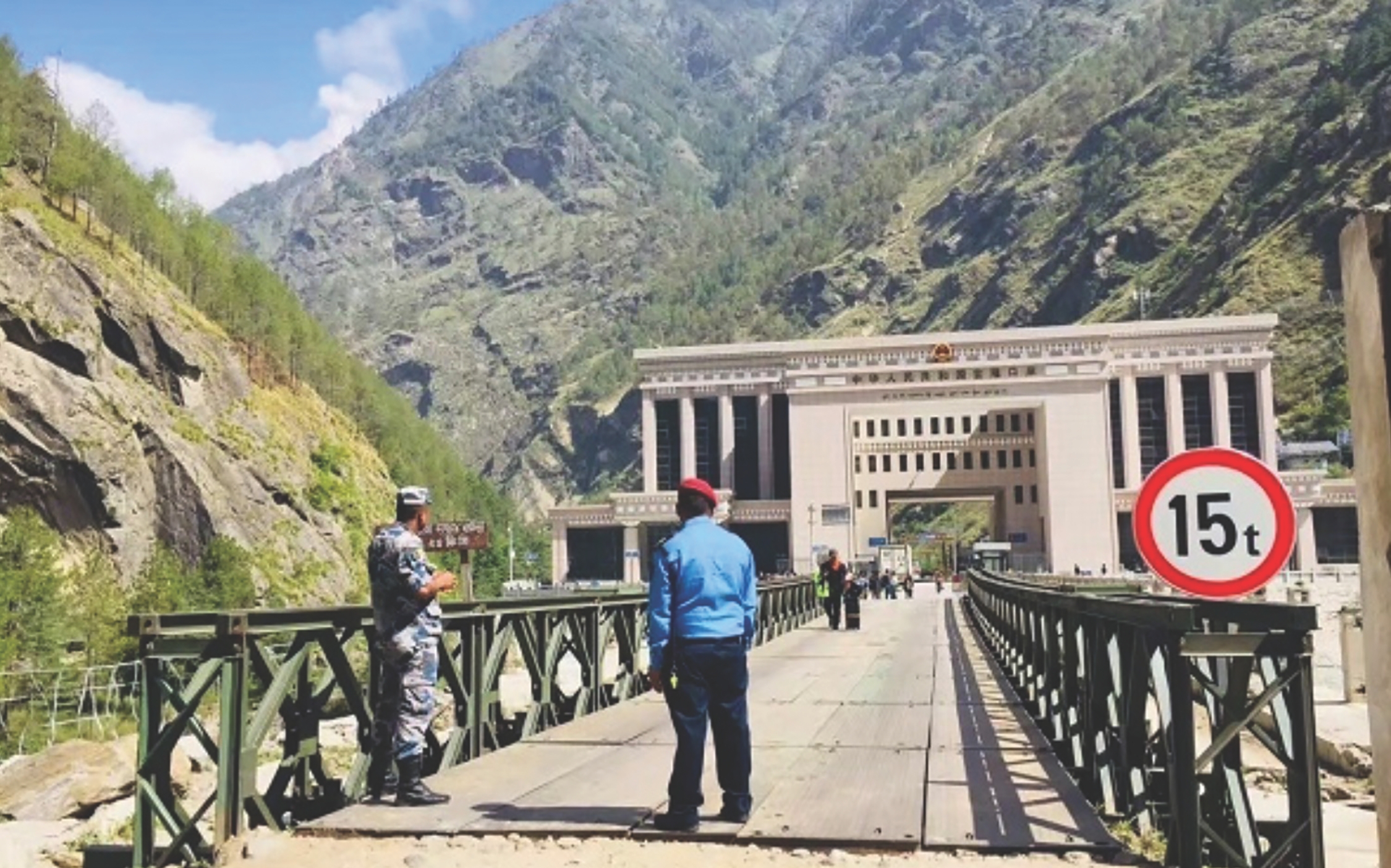
It was November 2004, and we were on a trek to then roadless Rasuwa-Kerung border. This was at the height of the Maoist insurgency, and Army checkpoints were everywhere.
On the Chinese side, there were just some stone sheds connected to Nepal by two suspension foot bridges across the Bhote Kosi. After spending the night in Kerung my colleague Sitaram Baral and me with our local guide Tashi crossed back to Nepal.
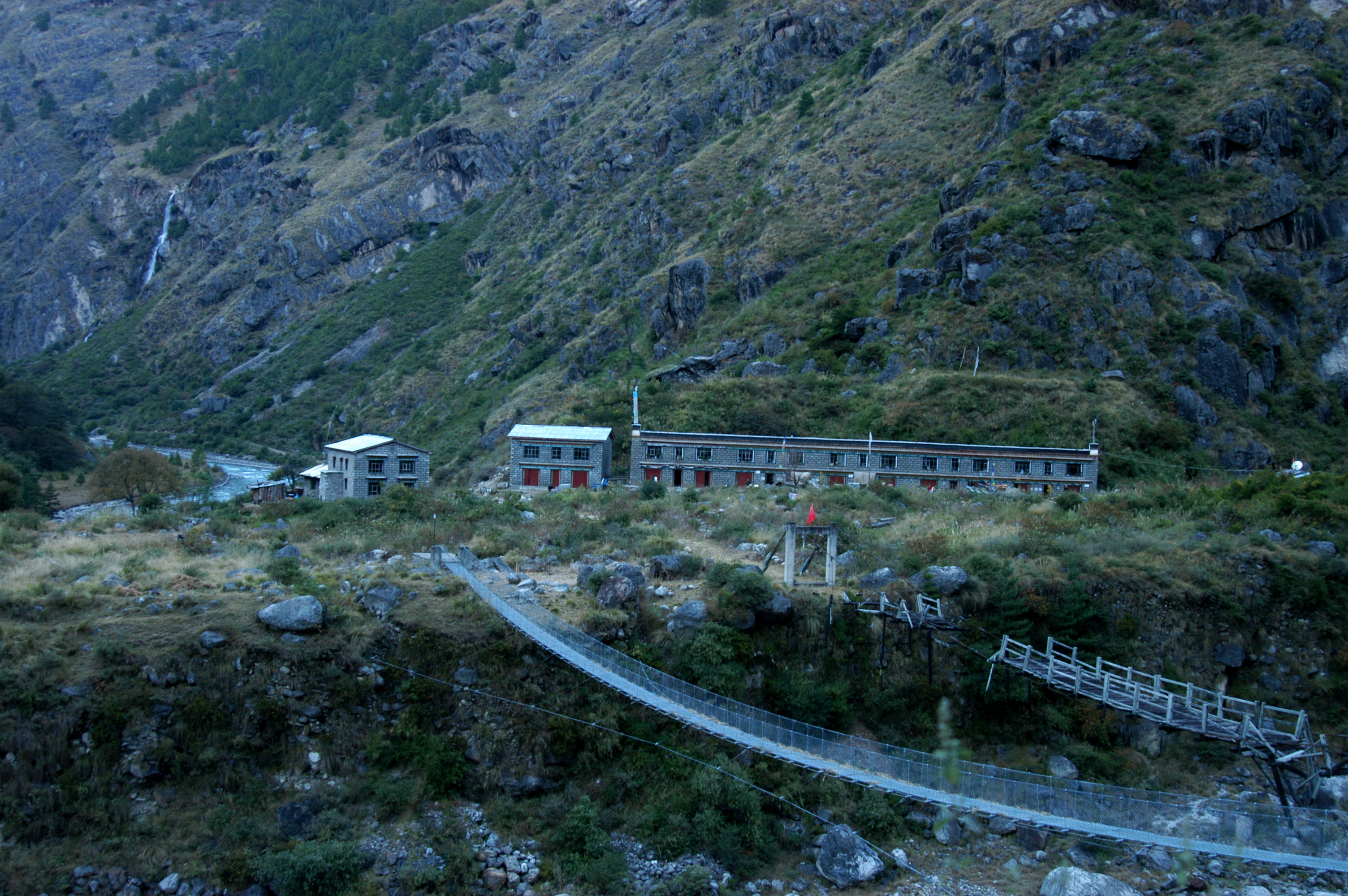
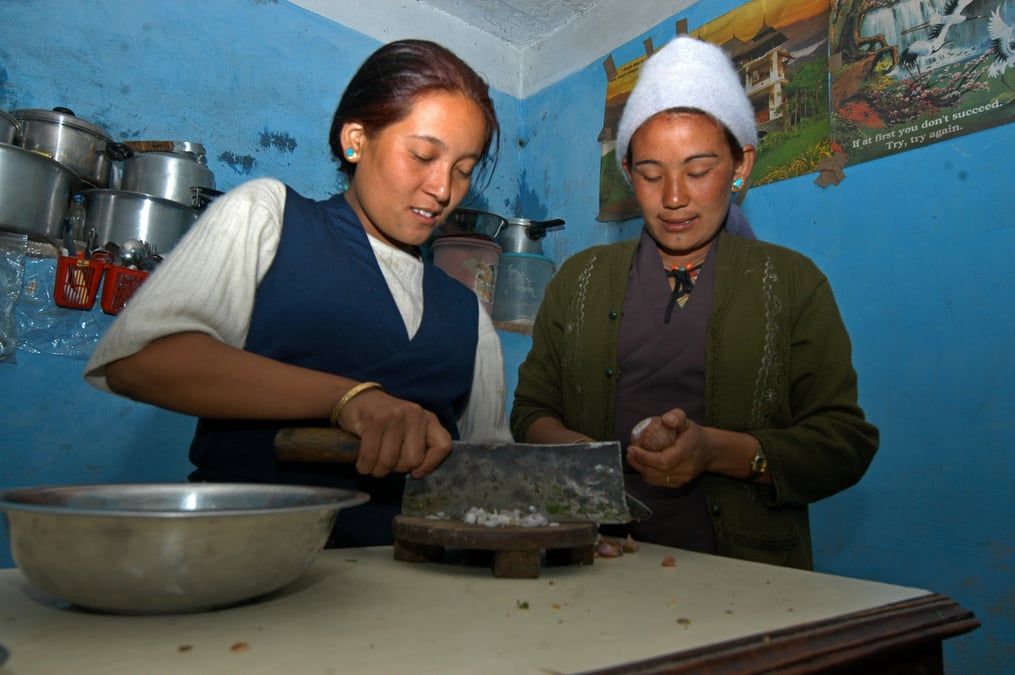
We were walking along the river towards Timure, admiring the strikingly beautiful landscape when we met two local women Panjom and Kippa along the trail.
I was surprised to learn that Kippa’s surname was Shrestha – a Newari name. It turned out that her ancestors had been exiled to Nagarkot, and then fled to Rasuwa eight generations ago after the Gorkha conquest of Kathmandu.
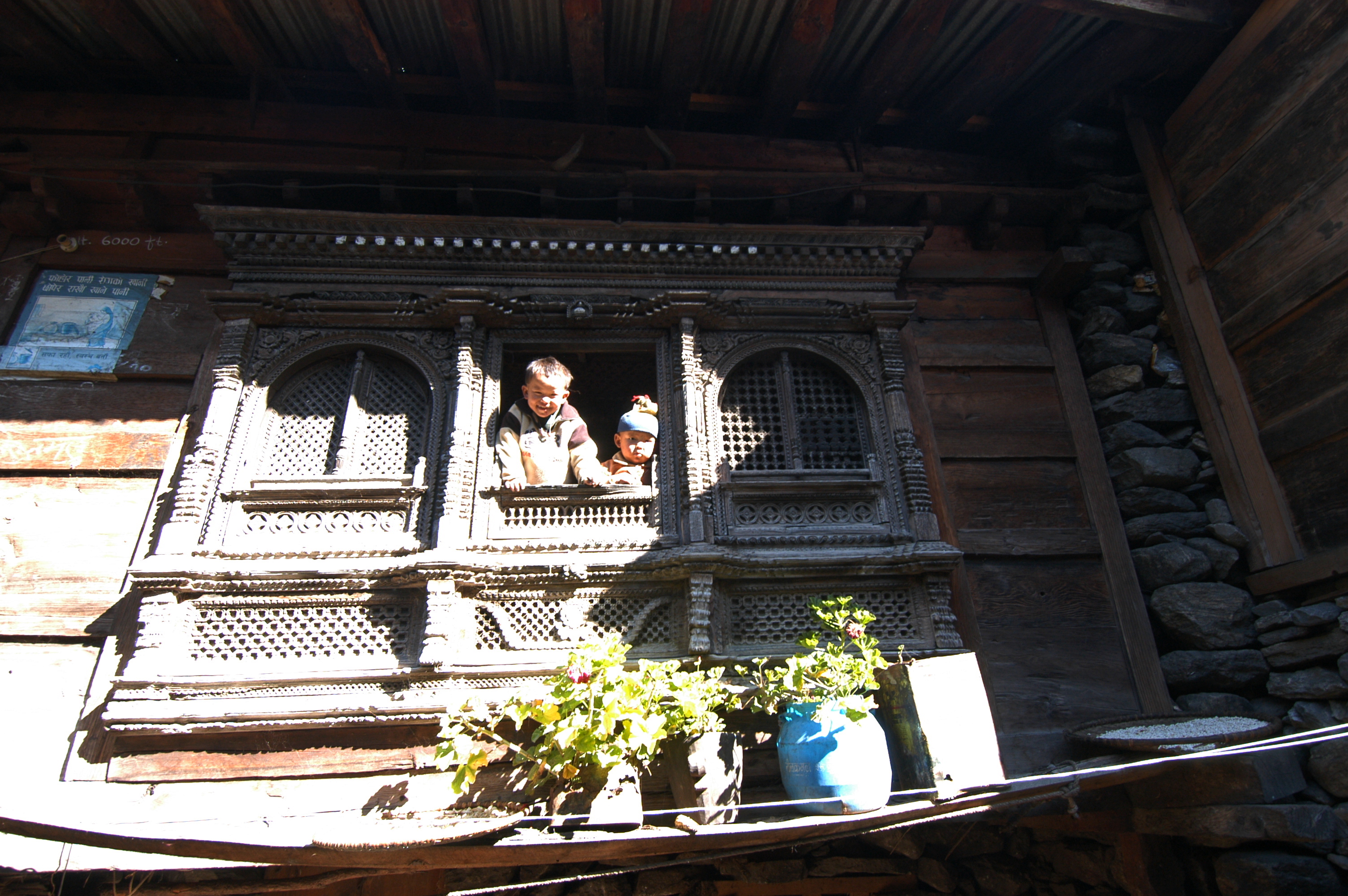
Her grandparents used Nagarkoti as surname and spoke Nepal Bhasa, but Kippa did not understand when I spoke to her in the language of her forebears.
On 26 August, it was a bright sunny morning in Timure after days of heavy rain. Panjom had given her best friend Kippa some ears of green corn, and Kippa had gone to Panjom’s house to return the favour with some apples.
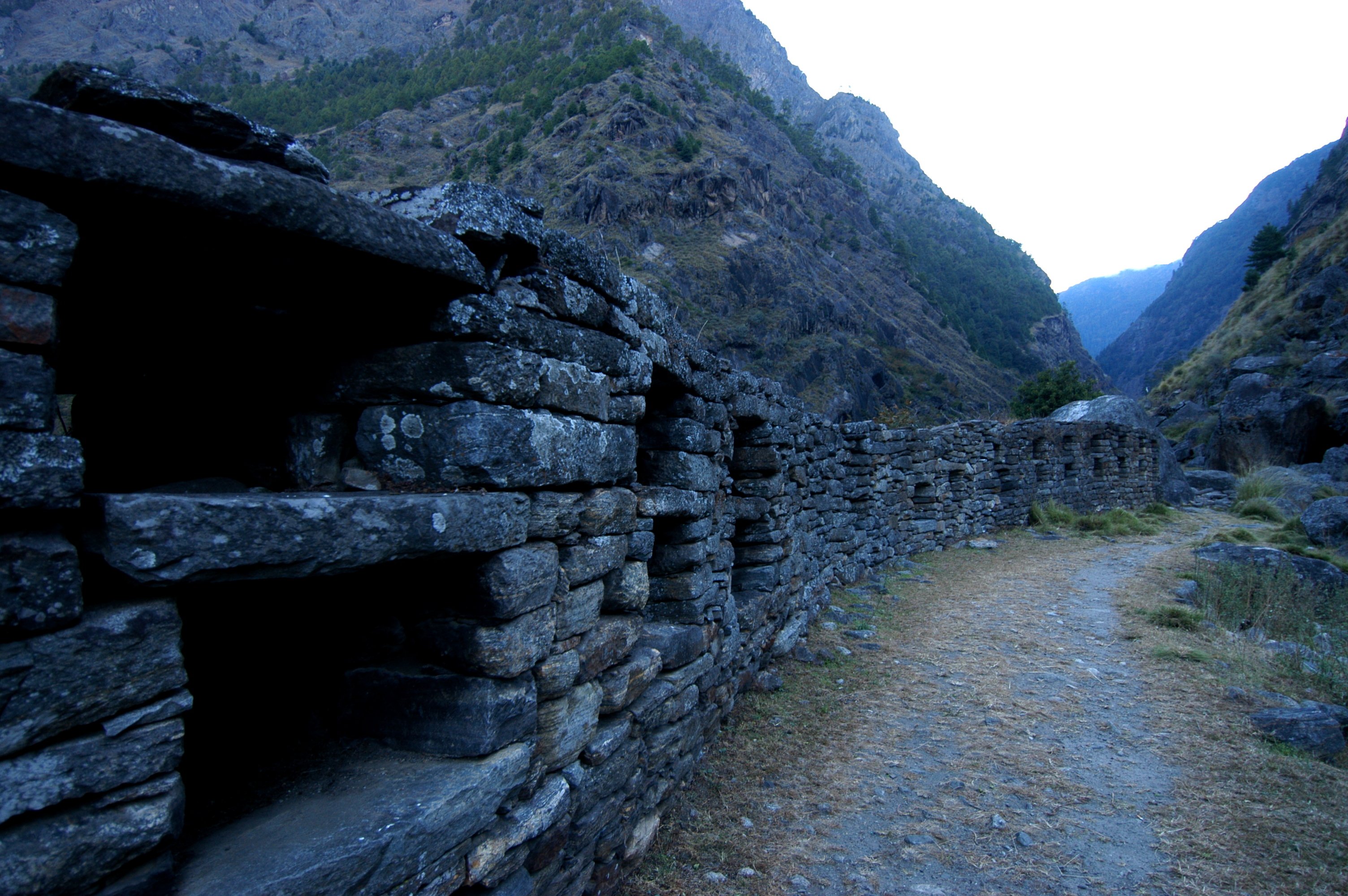
Panjom was busy cooking breakfast for her restaurant guests, so Kippa just shouted out to her that she had brought a bag of apples, and left for her own house nearby.
Soon, her phone started buzzing with posts about a flood on the Bhote Kosi. This was the monsoon, so floods were common. Bhote Kosi had a flash flood last year, and it was the biggest she had ever seen. She did not think this one was that serious. Still, she hurried along the trail leading to her home.
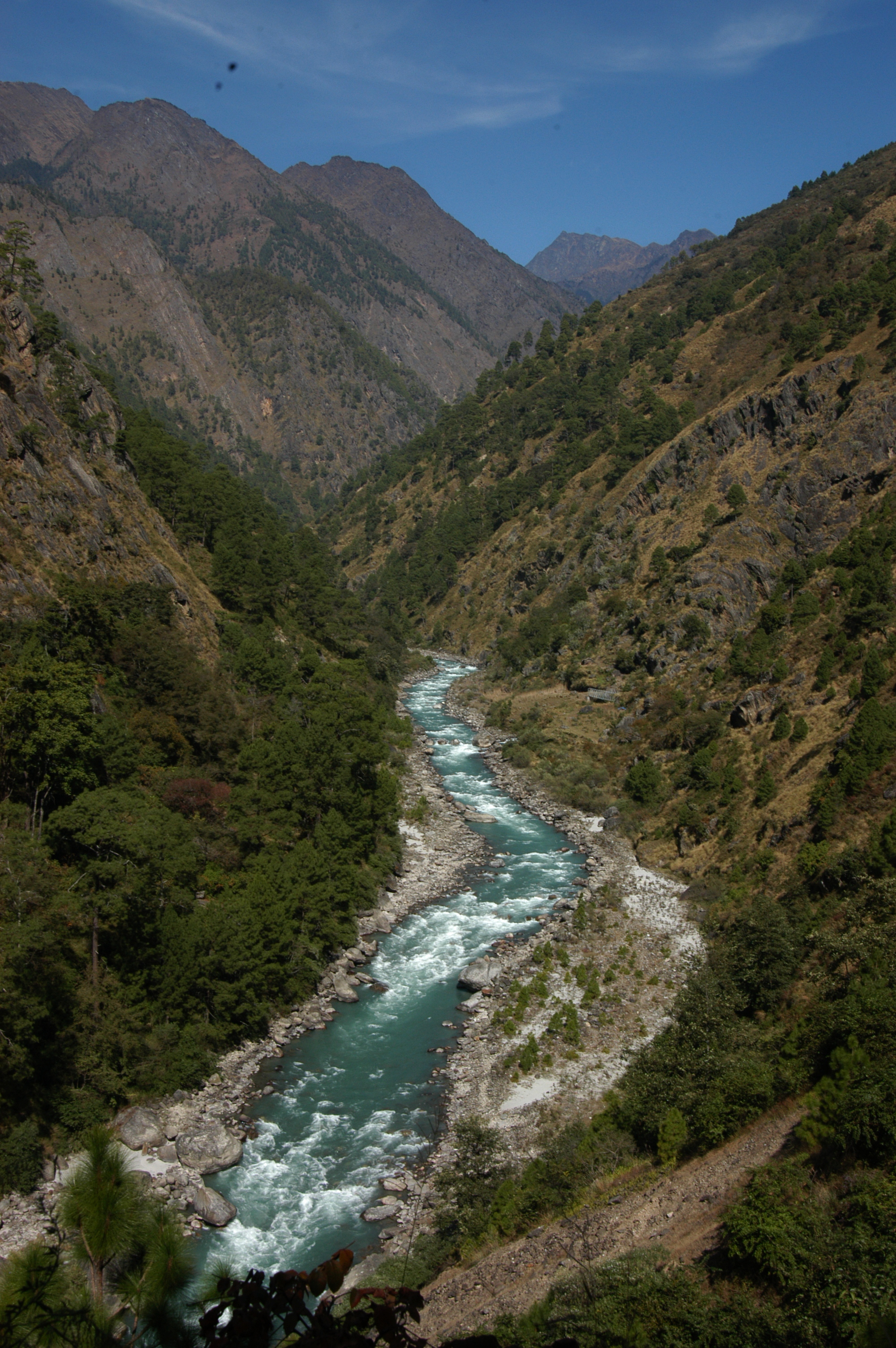
Suddenly the narrow valley was filled with the roar of a big brown wave of water racing down. Only, it was not water – there were boulders the size of houses, uprooted trees, buses, jeeps, and parts of a concrete bridge floating in the raging torrent.
Kippa watched as the entire town of Timure was swept away. Her own house, with her husband, parents, father- and mother-in-law, brothers-in-law, nephews and nieces – all gone. Panjom’s house, and everyone in it was swept away.
Kippa ran up the mountain in a trance, but has no recollection of it. She fainted in the forest above the village, and was rescued after nine hours and flown by a Nepali Army helicopter to Dhunche.
She regained consciousness at the army base in the evening, had some biscuits and fainted again. When she came to, she was at the Yellow Monastery near Swayambhu in Kathmandu. She was treated at a hospital and moved to the nearby Mustang Monastery.
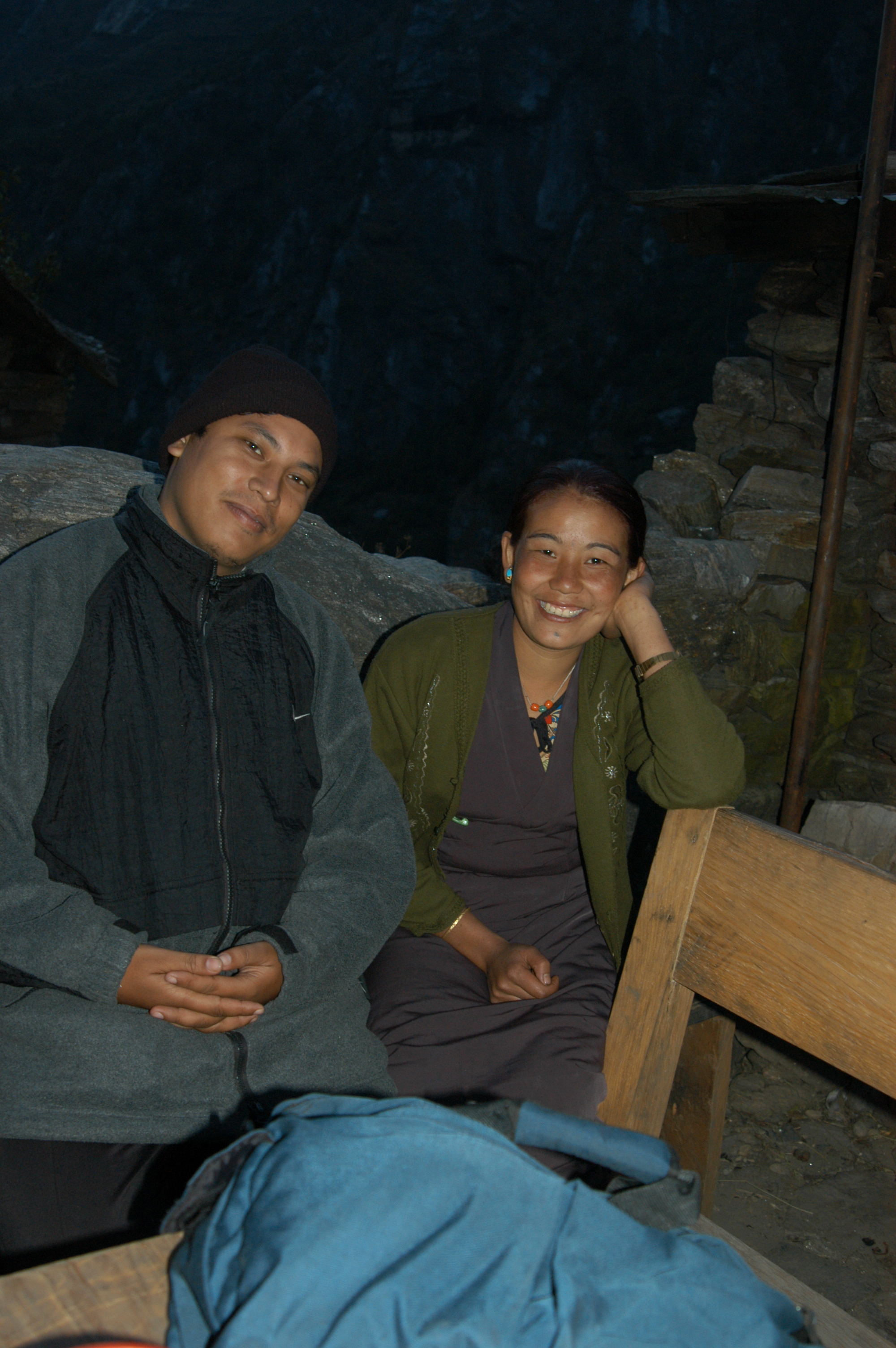
After I heard of the Bhote Kosi flood, I remembered my encounter with Panjom and Kippa 22 years ago and wondered if they were safe. One part of me was so worried they had not survived that I hesitated to contact them.
BITTERSWEET MEMORIES
Instead, I started digging out old slides and prints from our trip to Timure in 2004. I tried to contact Tashi, but he had gone abroad.
I posted the photo of Panjom and Kippa on Facebook, and soon a comment pinged on my phone. It was a distant relative, who said Kippa was in the monastery.
It had been six days since the flood, but I still could not get myself to go and see her. Finally I drove to the Mustang Monastery. Kippa recognised me immediately.
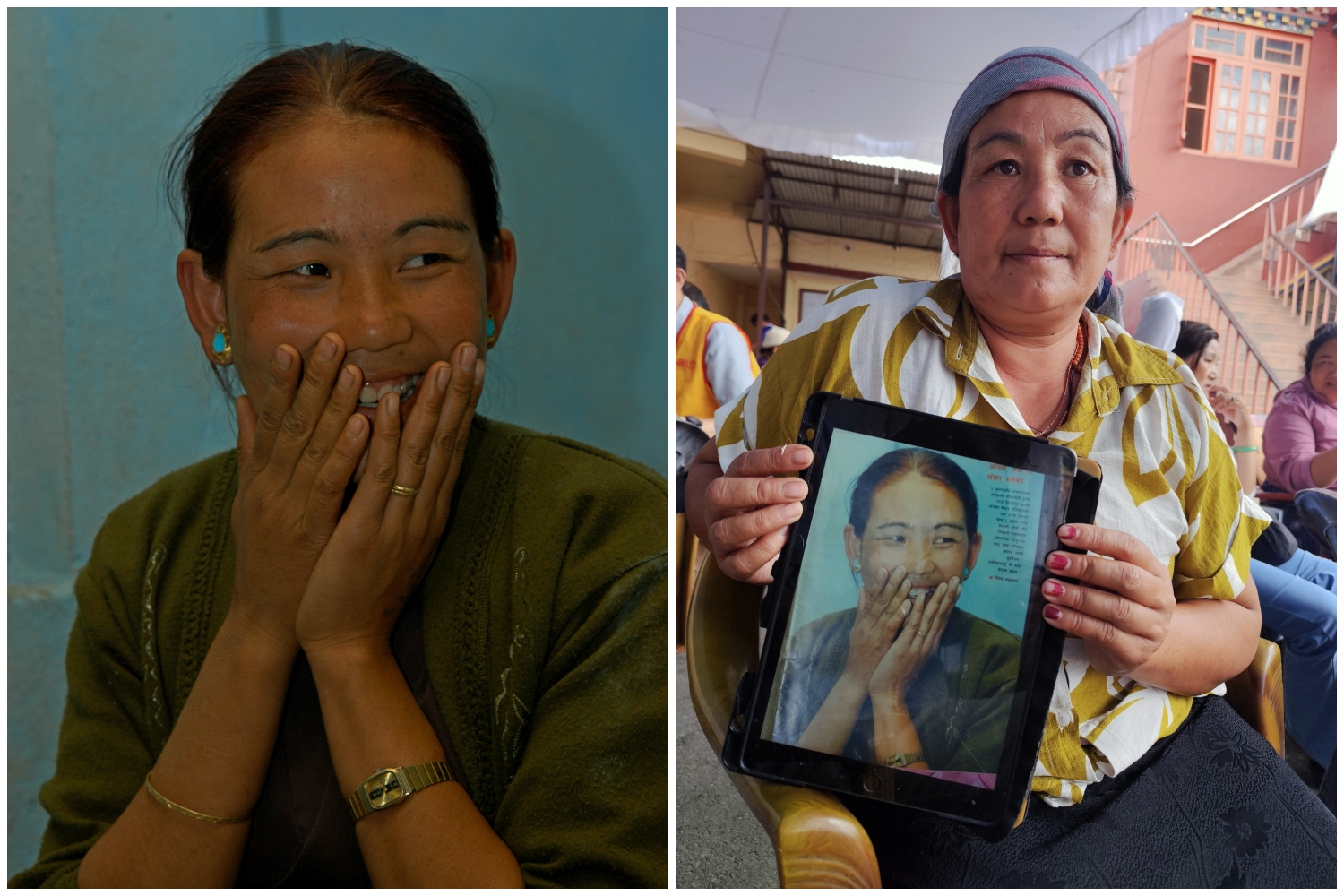
“Do you remember this photo I took of you?” I asked showing her the portrait on my tablet. “Not just the photo, I remember everything we talked about,” she replied.
She was on medication, and recounted her escape in a faltering voice, shivering with fear. From her family, only her 6-year-old daughter survived.
“She is all I have left,” Kippa says with a sigh. “I don’t know how long I can live here in this shelter. But there is nothing, and no one, to go back to.”