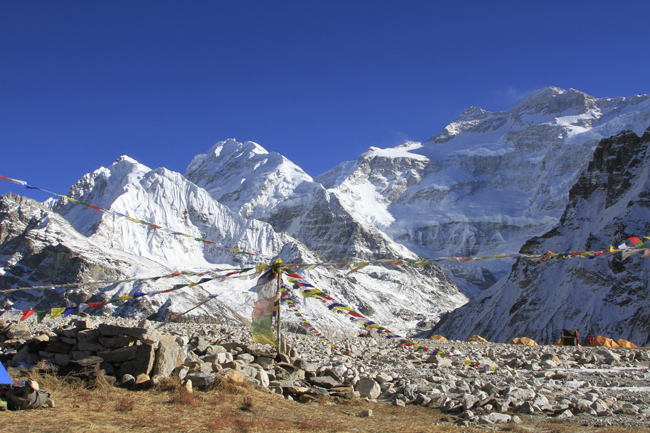
KTK BELT: Kanchenjunga from the north. Pic by Padam Ghale
Two years ago, we proposed the Koshi Tappu to Kangchenjunga Belt (KTK-BELT) to provide a continuous forest corridor in a ‘vertical university’ to conserve Eastern Nepal’s rich biodiversity.
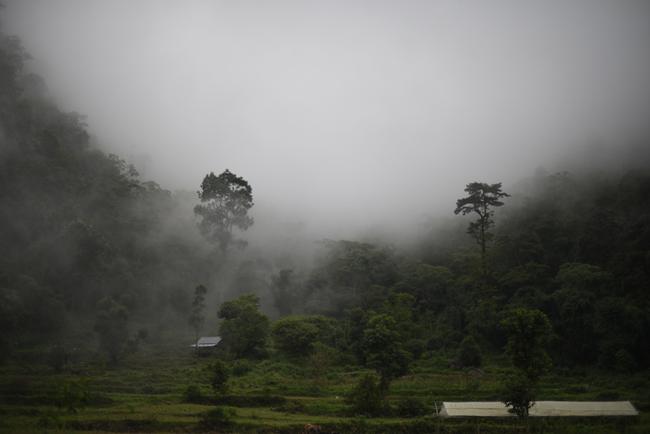
The region rises from Koshi Tappu (67m), Nepal’s first RAMSAR site and largest aquatic bird reserve, to Mt Kangchenjunga (8,586m), the third tallest peak in the world and home to more than 6,600 flowering plants, 1,200 gymnosperms, 800 bird species and 180 kinds of mammals. The goal is to help restore the ecological connectivity between the mountains and plains.
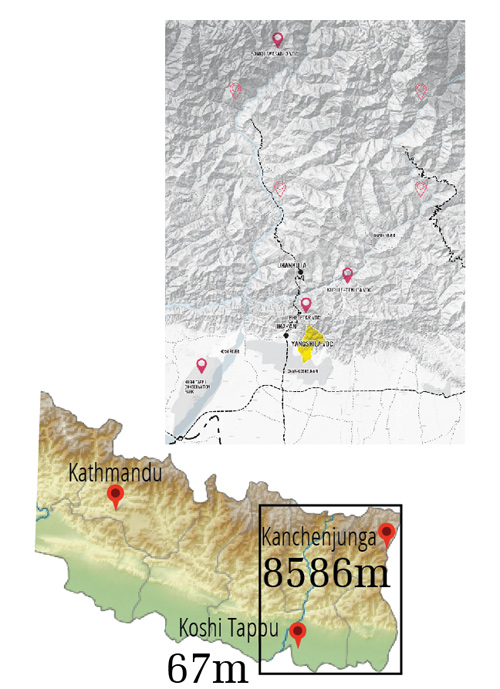
The eastern region of Nepal comprises one of the world’s 34 biodiversity hotspots, with more species than most places in the world – a physical heterogeneity associated with the Himalayan range which has 118 forest types and 27 important bird areas (IBAs).
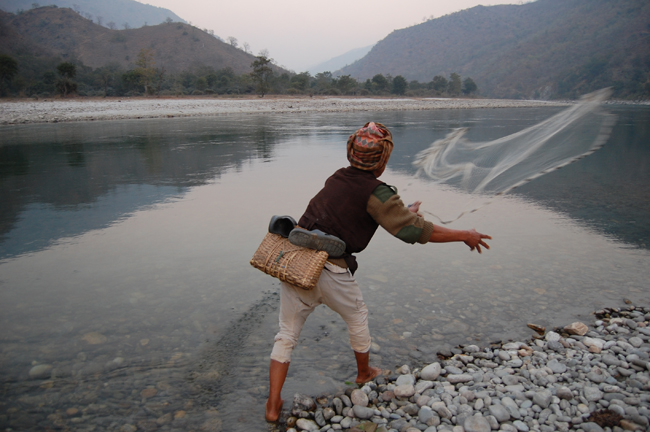
The ‘vertical university’ was born out of the simple proposition that with Nepal’s exceptional diversity from the plains to the Himalaya, conventional education where students sit behind the four walls of a classroom, disconnected from their surroundings, make little sense. The ‘teachers’ in the vertical university may not hold a Masters degree or even have set foot in school, but as local farmers, they possess intricate, intergenerational knowledge about local fauna and flora.
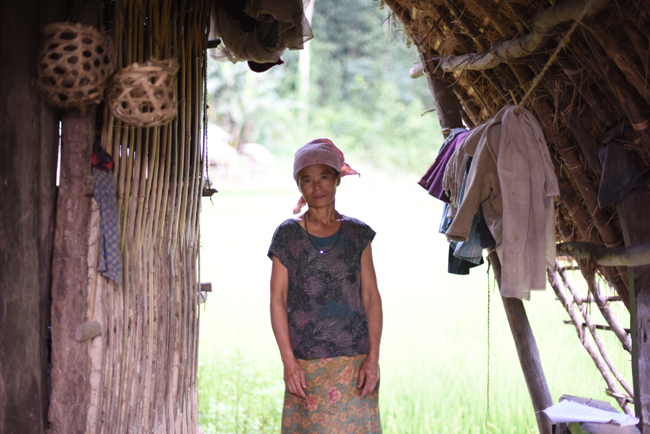
A woman in Bimire Wetlands, at the border between Yangshila and Kerabari. Pic by Nirman Shrestha
The vertical university will deepen skills in sustainable technology, craft, and medicinal plants, and seeks to conserve and activate local knowledge while also creating sustainable livelihood opportunities. It does this through ‘learning grounds’, which are micro-conservation hubs and the ‘classrooms’ of the university at different elevations in the landscape.
With public attention focused on post-earthquake reconstruction, crippling fuel shortages, border strikes, the hills and the Tarai are being torn apart, why should anyone care about deforestation? With the huge demand for wood, one could even contend that without cutting millions of additional trees, those rural farmers at the bottom of the economic ladder will remain hungry and homeless. To understand why deforestation lies at the heart of Nepal’s current social, political and economic challenges, one must look towards what caused it in the first place.