
|
|
| CLEAN PLATES: The restaurant at Pithauli before opening hours. |
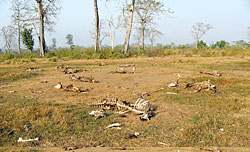
In the last 15 years 95 percent of South Asia's vulture population has vanished. The fall in their population has been linked to an anti-inflammatory drug used by farmers to treat livestock. Residues of the drug in animal carcasses poisoned the vultures in large numbers.
From Pakistan to Bangladesh, the sight of vultures circling overhead or feasting on animal carcasses by river banks became rare. With the scavengers gone, disease spread and dogs proliferated.
But a ban on the veterinary drug, diclofenac, and the setting up of safe feeding centres for vultures has revived populations. (See: 'Soaring again', #286 and 'No more circling', #185). In Nepal, the district of Nawalparasi has seen a dramatic increase to vultures thanks to the opening of a feeding centre in Pithauli in 2006.
|
|
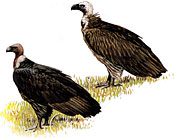
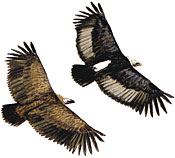
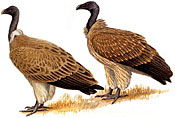
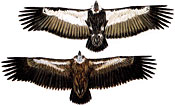
Many travellers on the East-West Highway have seen a large billboard here that says 'Jatayu Restaurant' and have mistaken it for a roadside diner and driven in for lunch. It is only later that they realise 'jatayu' means vulture and the restaurant is not for humans but for vultures.
Vultures dine for free at the Jatayu, and one of the 'waiters' is Yam Bahadur Nepali who lays out large chunks of buffalo for the vulture to feed on once a day. "If their population goes down it takes a long time to recover, so we have to make sure they can sustain themselves and their chicks," says Nepali. An adult pair of vultures hatches only one egg a year.